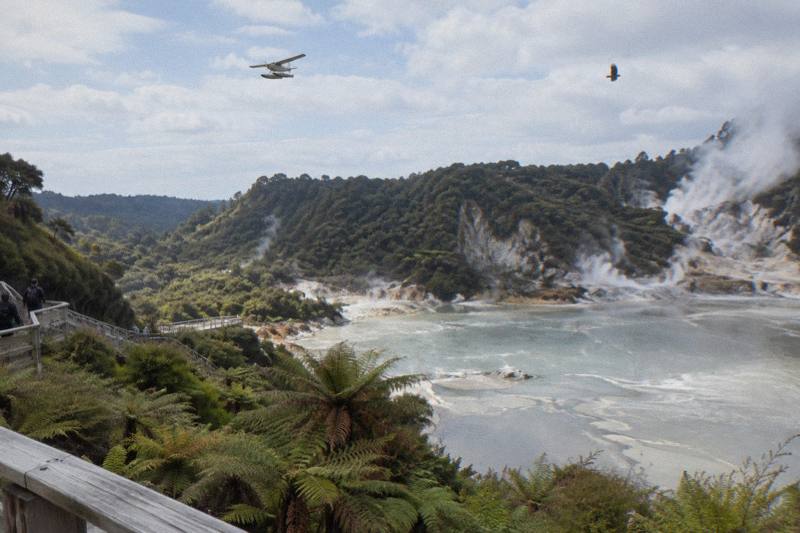
White Island Tours By Helicopter Versus By Boat
White Island, or Whakaari, can no longer be landed on: the only air product is the flyover, and the only boat comparison that can be made is that boats are suspended too. Here is what the air side actually offers.
Short answer
No helicopter or boat tour currently lands on White Island: landings are suspended, so the realistic choice is between flyover flights from Rotorua, by floatplane from NZ$1,230 per person or by helicopter, roughly 45 minutes to 1 hour 45 minutes in the air depending on the trip.
Part of a wider series on White Island helicopter flight options across the site.
Quick Facts
| Question | Answer |
|---|---|
| Can you land on White Island? | No, landings are suspended; flyovers only |
| Are boat tours running? | No, per official tourism guidance there are currently no boat tours to the island |
| Where do flights leave from? | Volcanic Air, Lakefront, 1 Lakefront Drive, Rotorua |
| Check-in time | 30 minutes before helicopter flights, 20 before floatplanes |
| Aircraft types | Helicopter and floatplane |
| Cheapest White Island flyover from-price | NZ$1,230 per person (floatplane, Waimangu included) |
| Cancellation on the booking page | Free cancellation up to 24 hours in advance |
| Flight season | All year, daylight hours, weather permitting |
Can You Still Take A White Island Tour By Helicopter?
Yes, but only as a flyover: no helicopter currently lands on White Island, and official New Zealand tourism guidance states there are currently no boat tours to, or helicopter flights that land on, the island. That single sourced line is the whole boat-versus-helicopter comparison, because no boat operator details exist to describe. The real decision left is between flyover products.
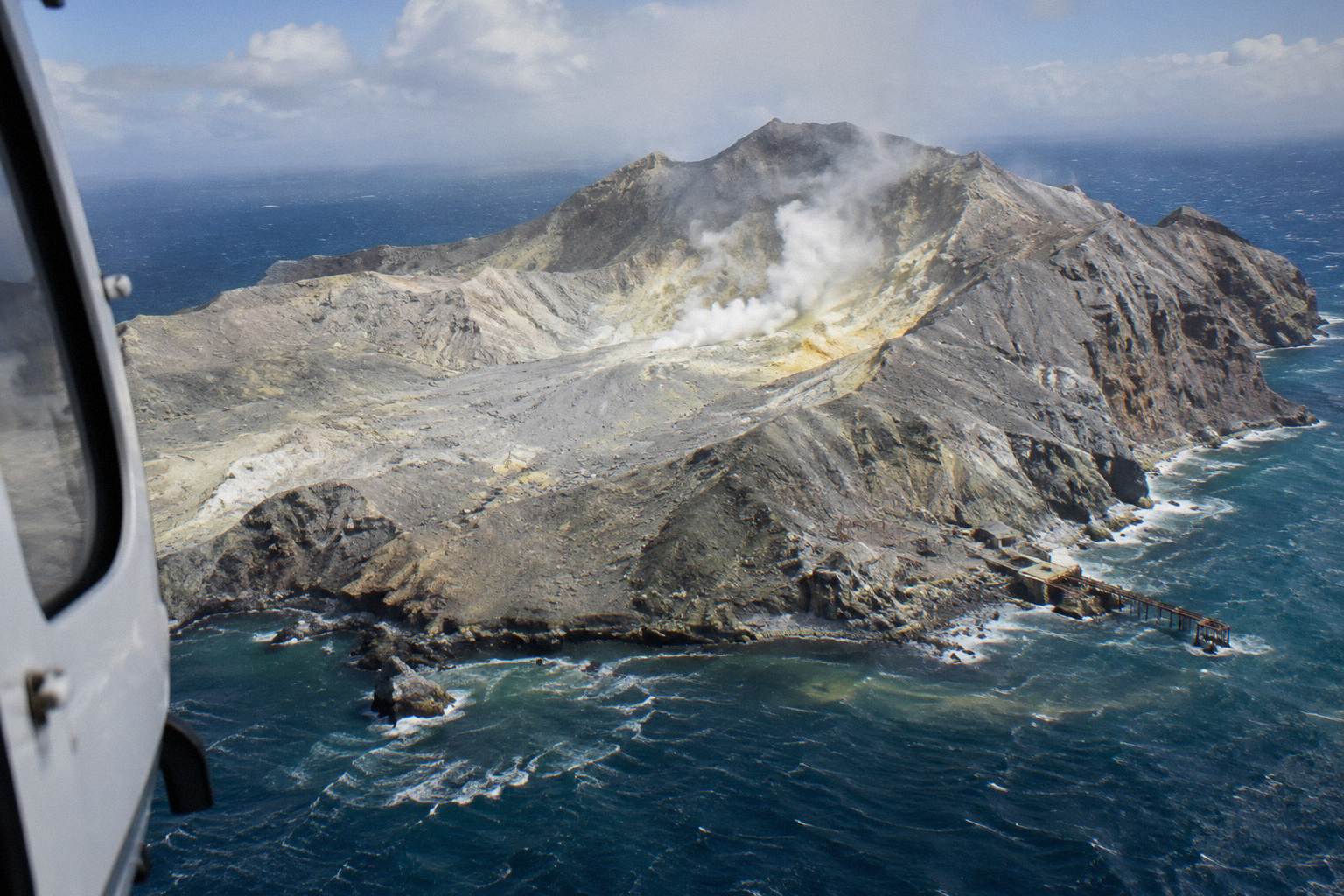
Whakaari / White Island sits about 48 km off the coast of Whakatane, and Volcanic Air describes it as "New Zealand's only permanently active offshore volcano." After the eruption of 9 December 2019, which the coronial inquiry records as causing the deaths of 22 people and injury to 25 others, access to the island itself stopped. The airspace restrictions over the volcano were lifted in 2020, and scenic flights from Rotorua have operated since, but the ground has stayed closed.
That makes the framing of most older articles obsolete. A piece written before 2020 will walk you through walking tours, gas masks and crater floor routes that no longer exist in any bookable form. Anything promising a landing today, by boat or by air, should be treated as out of date. What you can buy is time in the air above the island, and the quality of that product depends on aircraft choice, route and how the operator handles weather.
The island's volcanic status is monitored continuously, and it changes. GeoNet publishes the live Whakaari volcanic status with alert levels and bulletins; check it before flying if you want the current picture, because any figure quoted here could shift by next week. Flights themselves only operate when conditions allow, and the operator's FAQ is explicit that all flights are subject to suitable weather and safe flying conditions.
One scope note, stated once: this guide covers the air side in depth because that is where the verifiable facts are. Boat tours are suspended and no boat operator information was available to draw on, so nothing below describes a boat trip beyond that suspension.
What A White Island Flight From Rotorua Actually Involves
Every White Island flight departs from the Volcanic Air base at the Lakefront, 1 Lakefront Drive, Rotorua, with check-in 30 minutes before a helicopter departure and 20 minutes before a floatplane. From there the route runs east across the Bay of Plenty coast to the island, circuits above it, and returns, with total durations from roughly 45 minutes of flying to 1 hour 45 minutes when Tarawera and a landing are added.
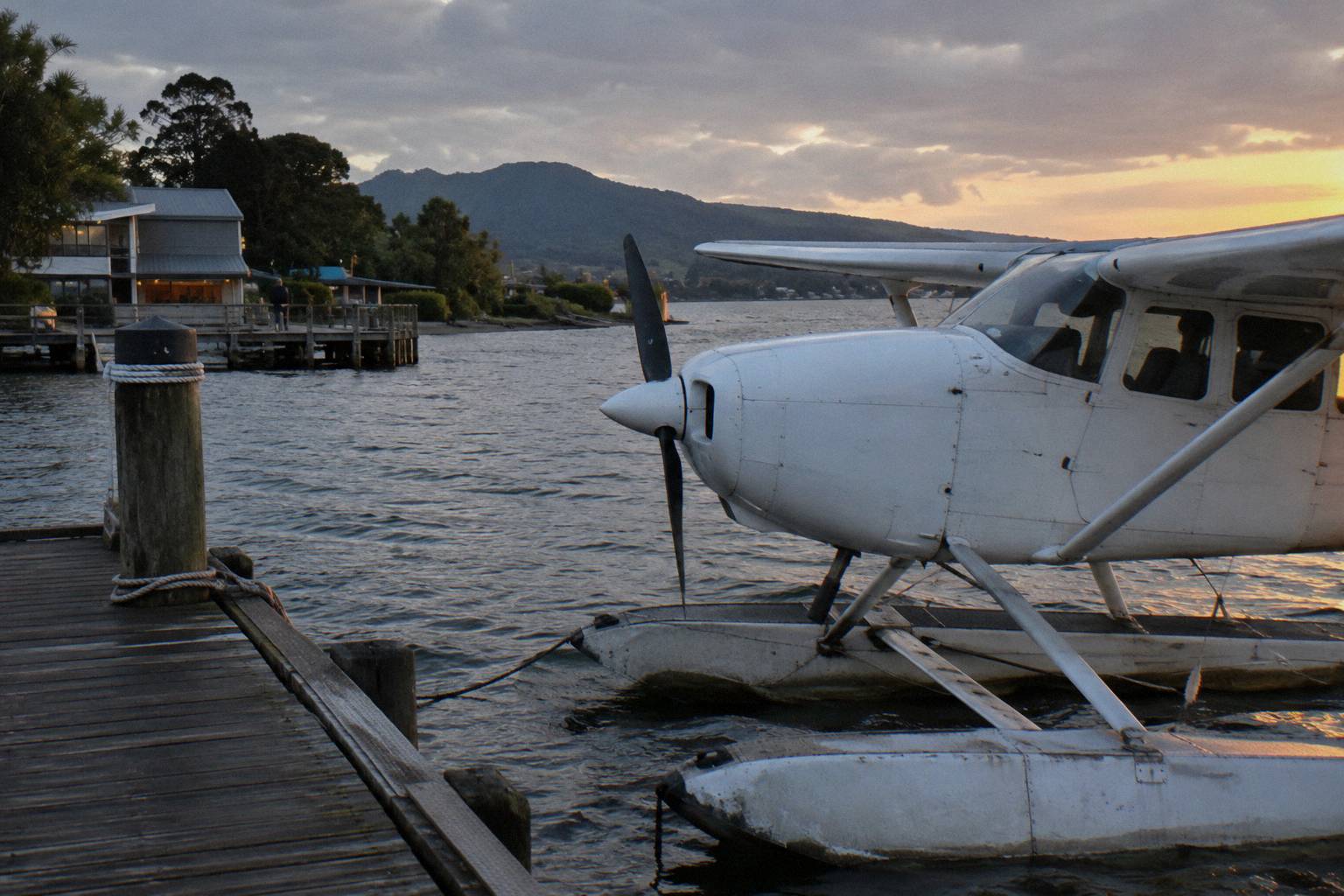
The operator has been flying in Rotorua since 1992 and describes itself as a CAA-certified NZ air operator, which in practical terms places these flights under the Civil Aviation Rules for helicopter and small aeroplane operations. Passengers get a full safety briefing at the Lakefront office before boarding. Floatplanes take off from Lake Rotorua itself, off the lakefront pier; helicopters leave from the adjacent pad. There is no hotel pickup on standard flights, only on bespoke charters, so plan to make your own way to the lakefront, which sits under a kilometre from the town centre.
Three trips put White Island at the centre of the itinerary, in two aircraft types and two formats:
| Trip | Aircraft | Total duration | Lands on Tarawera | Booking-page price |
|---|---|---|---|---|
| Floatplane, Waimangu Included | Floatplane | 2 hours | No, flyover only | From NZ$1,230 per person |
| Floatplane, White Island And Tarawera | Floatplane | Varies by trip | No, flyover | No from-price published |
| Volcanic Extremes, 1h45m Helicopter | Helicopter | 1 hour 45 minutes | Yes, summit landing intended | No from-price published |
The floatplane trips carry small review pools, seven and eight reviews respectively and no popularity claim is made. The helicopter trip has just two reviews. Treat each as a product judged on its route and format, not on a review base that does not yet exist. All figures in New Zealand dollars.
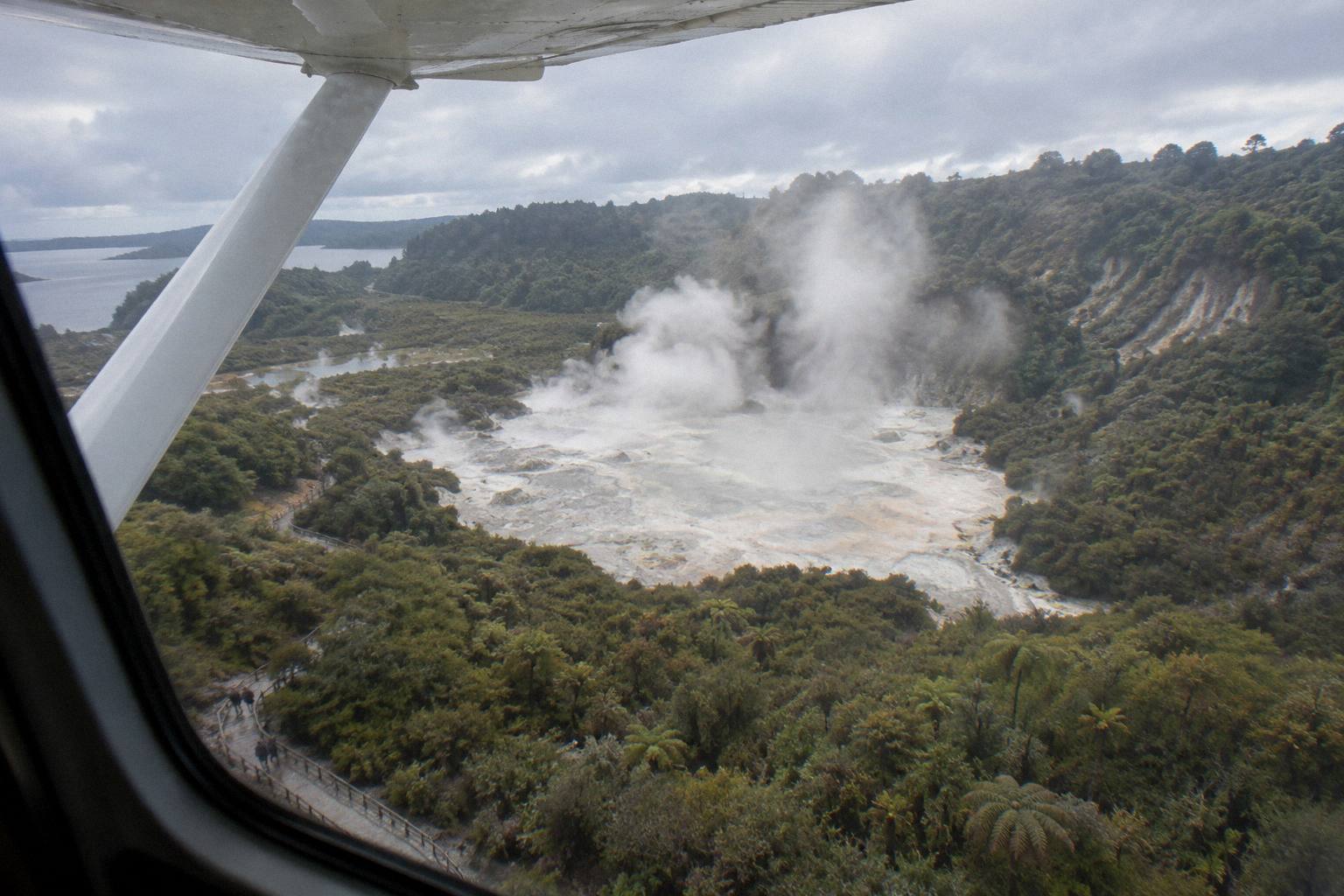
The Waimangu-included floatplane, "Rotorua: White Island, Mount Tarawera & Waimangu Volcanic Valley Floatplane Flight" on first mention, is the structured option: two hours door to door, with the island flyover, the Tarawera area and the Waimangu Volcanic Valley, the geothermal valley that formed along the 1886 eruption rift, all covered from the air in one itinerary. Waimangu's own pages trace the valley's geothermal system directly to the 10 June 1886 eruption of Mount Tarawera, which killed more than 100 people in villages near the mountain and buried the famous Pink and White Terraces. Flying the island and the rift in a single trip stitches that whole volcanic story together.
Choosing Your Aircraft: Helicopter Or Floatplane Over Whakaari
The distinction is not luxury against economy but flight character: the floatplane is the from-price entry at NZ$1,230 per person, departs off the water of Lake Rotorua and covers the island efficiently, while the helicopter holds fewer passengers and is the only aircraft type on the line-up that pairs the flyover with a Mount Tarawera summit landing. Your budget and your appetite for a second volcanic event decide it.
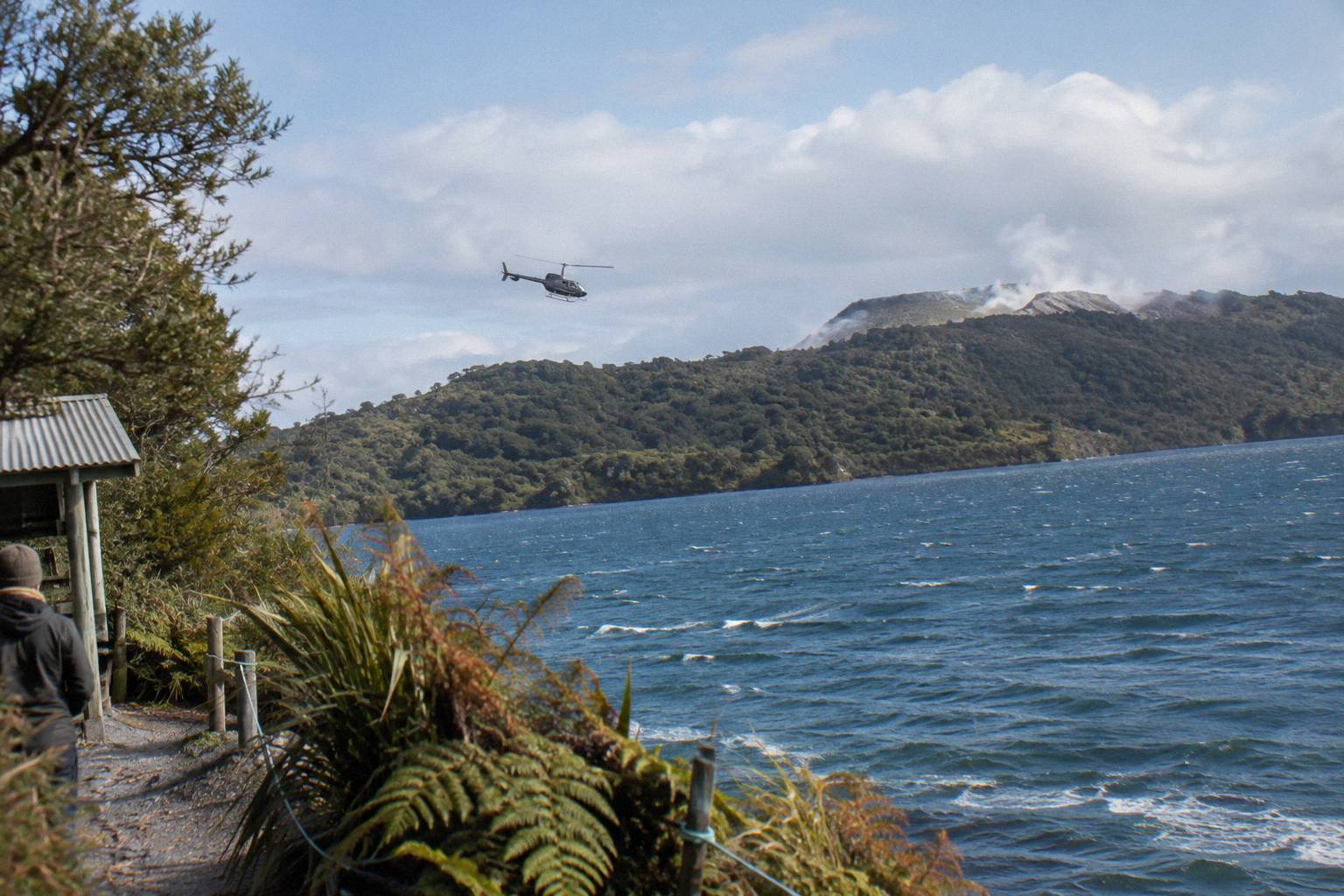
Neither aircraft type comes with a promise of views. Every flight is weather dependent, and the booking wording for one scenic trip states plainly that a flight will not go ahead if it is not safe or if the views cannot be seen. That cuts both ways: you may lose a departure day to cloud, but you will not be flown to Whakaari to stare at fog. If weather blocks your flight, the operator's stated policy is to work with you to reschedule or provide a full refund.
Weight shapes the choice too. Every passenger declares an individual weight at booking and is weighed on arrival, because the aircraft must stay within balance limits. A declared weight that turns out to be off can mean a rescheduled flight, a surcharge or a cancelled booking at the operator's discretion; passengers over 110 kg may attract a surcharge, and over 135 kg as weighed requires two adult fares. One helicopter flight caps its load at six travellers with a 110 kg per-passenger limit. Helicopters, with fewer seats, feel these limits sooner than floatplanes, which matters if your group includes several larger travellers.
A floatplane also gives you a water take-off and landing, which is part of the experience rather than a compromise: the departure off Lake Rotorua and, on some itineraries, a touch-down on the Waikato River are genuine parts of the product. The helicopter trades that for agility and the option of a landing on hard terrain. If you only want to see Whakaari from the air and keep the budget in check, the floatplane is the rational pick. If the summit of Tarawera is also on your list, the helicopter itinerary is the one that does both in a single booking.
The Volcanic Extremes Helicopter Trip In Detail
This is the trip for a traveller who wants the offshore volcano and the onshore volcano in one morning. The Tarawera half follows the operator's landing-tour wording: fly over the mountain's rift and craters, then land on the summit for a guided walk. The word "intended" carries real weight here. Volcanic Air's own terms say excursion landings are undertaken at your own risk and at the pilot's sole discretion, and that tour duration, flight times and inclusions may vary with weather, volcanic activity and passenger loadings. A landing is never guaranteed, and a booking is best made with that understood from the start. The deeper story of that side of the flight is covered in the site's guide to landing on Mount Tarawera by helicopter.
The summit itself sits at 1,111 m on Ruawahia, the highest of Tarawera's three domes, and access to it is controlled: independent summit access is not permitted, and visits happen through authorised guided tours or approved helicopter landings. Volcanic Air operates as a concessionaire alongside Ngati Rangitihi, the iwi that holds kaitiakitanga of the maunga, and the trust that governs the mountain reinvests most tourism concession revenue in conservation. Your landing fee, in other words, is part of a conservation and guardianship arrangement, not just a tourism transaction.
For readers weighing whether the flyover alone satisfies, the blog piece on whether you can fly over Whakaari in a helicopter works through the same question in shorter form.
What You Can See From The Air Over Whakaari
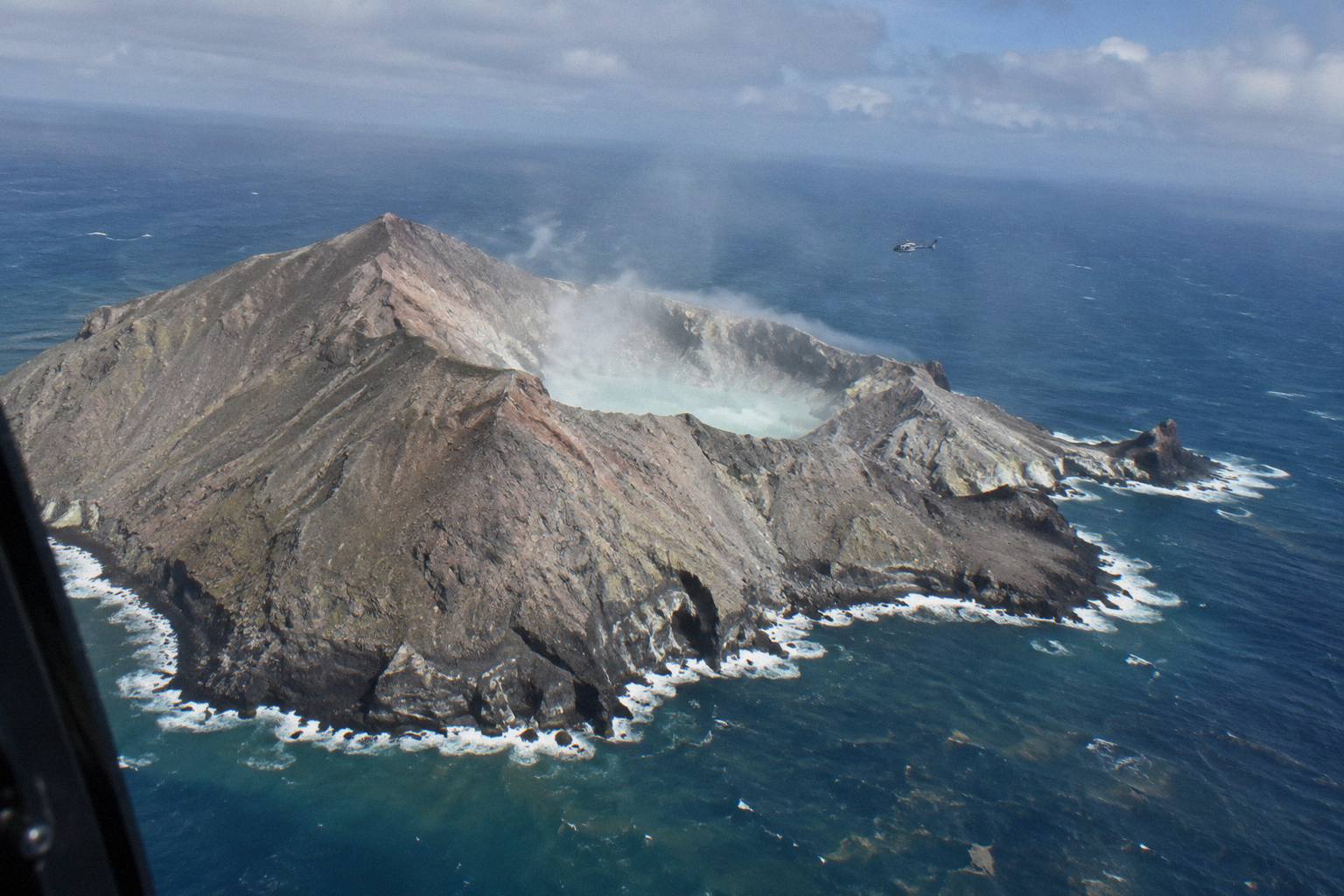
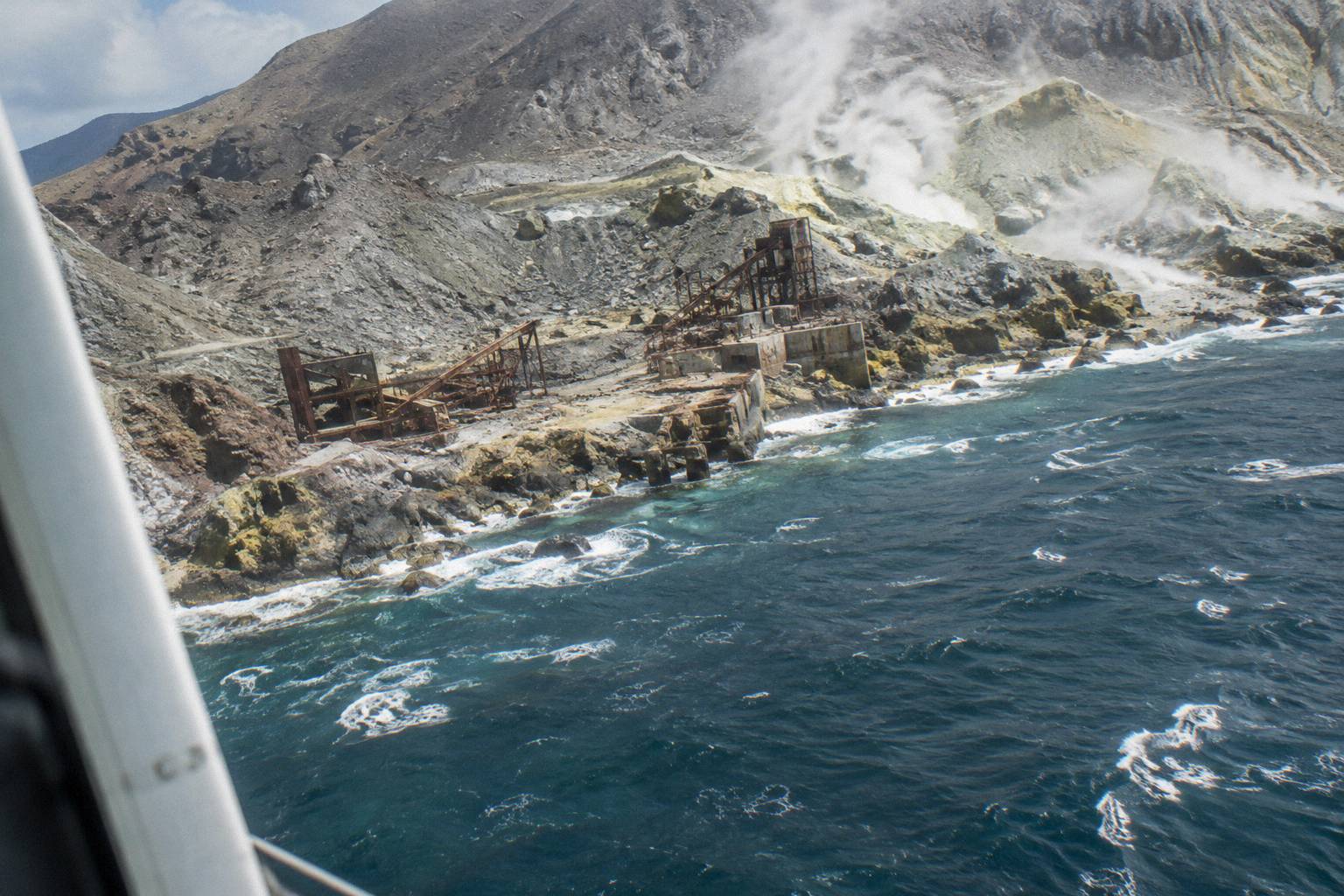
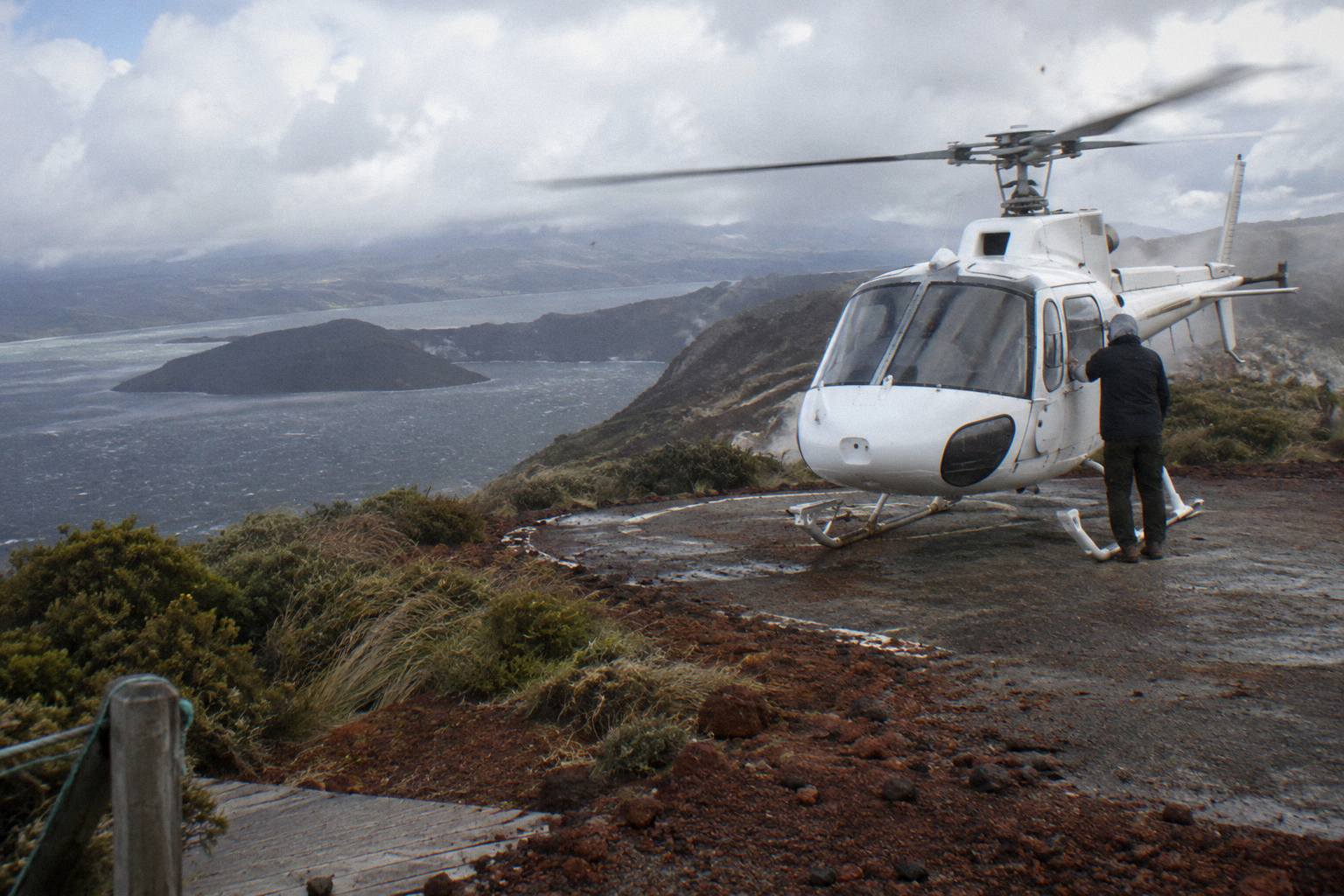
The operator describes the island flyover as a circuit of New Zealand's most active volcanic landscape, with the island's crater, steam and sulphur formations seen from above; because landings are suspended, everything observable is seen from the aircraft, and because conditions vary, the operator's descriptions are aims rather than promises. What is verifiable is the geography: an offshore island volcano 48 km from the coast, active, monitored, and circled from Rotorua-based aircraft.
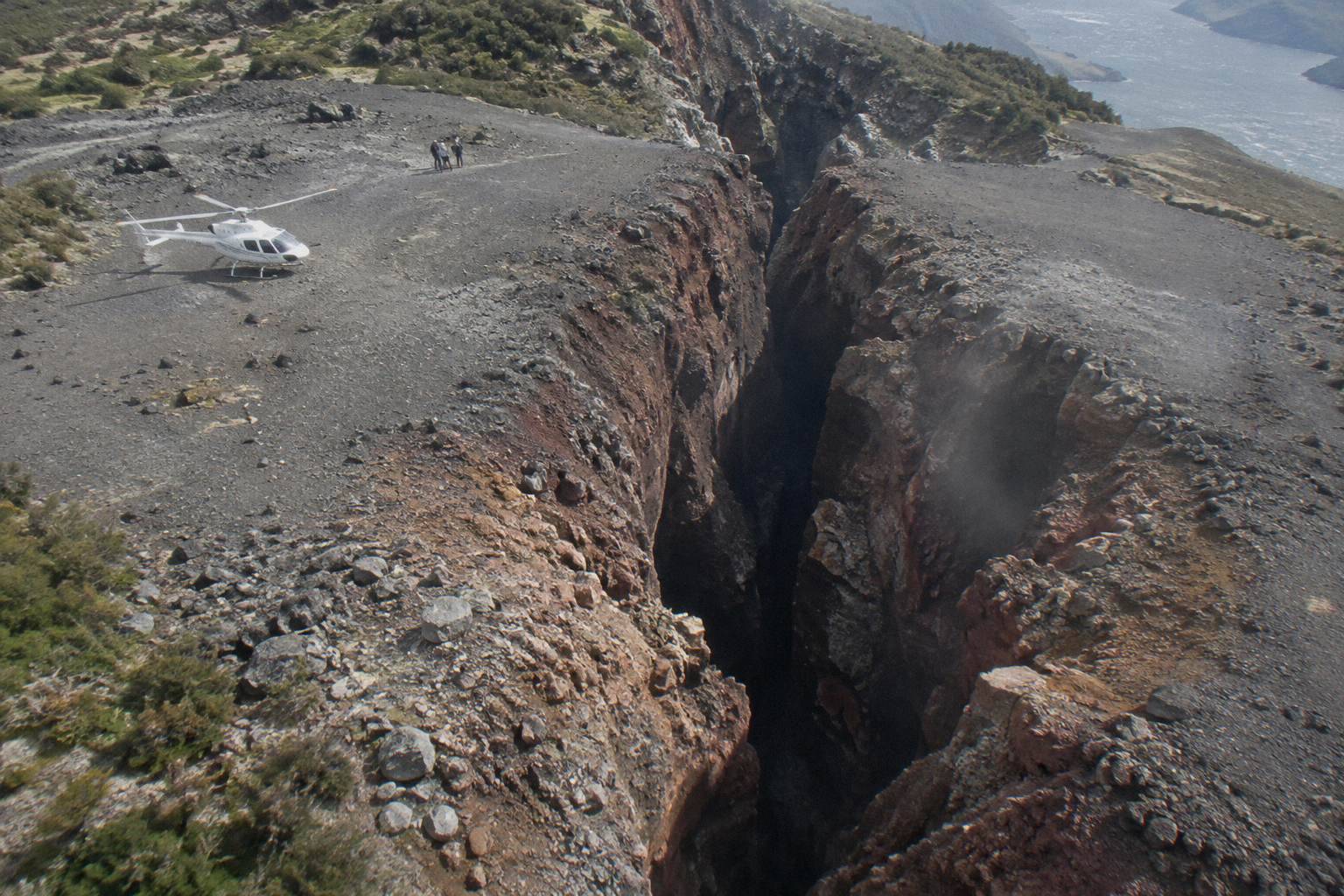
Seen from above, the island reads as a rough amphitheatre: a crater floor ringed by remnants of the crater wall, with areas of steaming ground and sulphur-stained rock. How much of that is visible on any given day depends on cloud, steam and the volcano's own behaviour. GeoNet describes the current state of the volcano as moderate to heightened volcanic unrest, and that status, along with the aviation colour code, is the kind of figure that changes without notice; the live source is the GeoNet page linked above, not any travel article. The rest of the planning pages sit on Rotorua Helicopter Tours.
The outbound and return legs are part of the value. The route crosses the Bay of Plenty coastline, and on the combined trips the return brings you over the Tarawera area, where the 17 km rift torn open on the night of 10 June 1886, in the GNS Science description, runs across the mountain top, through Lake Rotomahana and into the Waimangu Valley area. Volcanic Air's own flight wording refers to 8 km of rift over the mountain itself, a different span of the same feature. From the air, the scale of that 1886 event, which razed the village of Te Wairoa and left Lake Rotomahana far larger than it had been, is easier to grasp than from any ground viewpoint.
Photographers should plan rather than assume: the site's helicopter flight photography guide covers window shooting, and the operator's packing advice is simply camera, sunglasses, a jacket and closed-toe footwear on flights with landings. Mornings tend to give the calmest air and softest light in the operator's own guidance, though it caveats that there is no hard and fast answer, since it depends on the day's weather.
Is It Safe To Fly Over An Active Volcano?
Flying over Whakaari operates under the same civil aviation rules as any other NZ helicopter or small-aircraft operation, with the added condition that flights only run when conditions are safe, and the island's volcanic hazard is tracked by GeoNet rather than by tour operators. The airspace restrictions imposed after 2019 were lifted in 2020, and scenic flyovers from Rotorua have operated since.
The safety conversation has two layers. The first is aviation safety: the aircraft, the pilot, the operator's certificate and the weather call. Volcanic Air describes itself as approved by the New Zealand Civil Aviation Authority, and Civil Aviation Rule Part 135 governs air operations in helicopters and small aeroplanes, the category these flights fall into. The operator's terms also disclose the operating environment plainly: flights land and take off on hard terrain or water, and natural hazards in the region include earthquakes, geothermal activity, landslides and fast changing weather. The operator's own FAQ covers check-in, weights, children, weather, pregnancy and mobility questions in one place.
The second layer is volcanic risk, and the answer is that the decision to keep landings suspended was made by authorities, not marketers. The official position, in tourism guidance on Whakaari, is that there are currently no boat tours to, or helicopter flights that land on, the island, to keep locals and visitors safe. A flyover keeps you above and away from that ground-level exposure while still showing the volcano. Readers deciding between vantage points may also want the site's comparison of Whakaari flyover versus landing options and the broader piece on is a helicopter tour safe.
Pregnancy and mobility are not automatic barriers in the operator's guidance: both depend on the individual, the flight and a conversation at booking, and the FAQ asks expectant mothers, especially from 28 weeks, to talk to a maternity carer and give the operator their due date. Children of all ages are welcome, with under 2s on a lap and child rates for ages 2 to 11; families can dig deeper in helicopter flights for families.
Prices, Weight Rules And Cancellation
Only one White Island trip carries a published booking-page from-price: the floatplane with Waimangu included, from NZ$1,230 per person. Every trip carries the same free-cancellation terms, a full refund when cancelled up to 24 hours in advance, while weather cancellations by the operator are rescheduled or refunded in full. Weight rules apply to everyone: declared at booking, verified on arrival, with surcharges above 110 kg.
The pricing picture is deliberately narrow here because the site only prints from-prices that appear on the booking page, tied to their own trip. The two remaining White Island itineraries, the second floatplane and the Volcanic Extremes helicopter, show no from-price so no number is quoted for them: check the booking page for each. What can be said is that helicopter time generally prices above floatplane time for equivalent routes, and that the combined helicopter itinerary, with its intended Tarawera landing and guided walk, sits at the top of the White Island range in every sense.
| Trip | From-price | Weight notes | Free cancellation |
|---|---|---|---|
| Floatplane, Waimangu Included | From NZ$1,230 per person | Individual weights declared and verified | Up to 24 hours before |
| Floatplane, White Island And Tarawera | Price shown at booking | Same operator weight terms | Up to 24 hours before |
| Volcanic Extremes, 1h45m Helicopter | Price shown at booking | Same operator weight terms | Up to 24 hours before |
Cancellation splits into two directions, and the difference matters. If you cancel, the booking-page terms give a full refund up to 24 hours in advance; inside that window the operator's own fee ladder applies, and the booking page is the place to confirm current terms. If the operator cancels for weather or volcanic activity before the flight commences, its terms commit to a full refund, and its FAQ adds that it will first try to reschedule you. Neither direction involves arguing with anyone on the lakefront: the 24 hour line is the one to plan around. The site's piece on what happens when a Rotorua flight is cancelled for weather walks through the reschedule path in detail.
Booking Timing, Weather And The Best Season
White Island flights run all year in daylight hours, and the driest, warmest window in Rotorua runs from late spring in October to early autumn in April, with November the driest month in the 1991 to 2020 rainfall normals and July the wettest. Morning departures tend to give calmer air. Every flight is weather dependent, so book with flexibility: hold dates early, keep the 24 hour free-cancellation window in view, and leave a spare day if you can.
The rainfall normals tell a usefully unglamorous story: Rotorua gets measurable rain in every month, and the spread between the driest and wettest months is modest. In other words, there is no dry season that guarantees a flight and no wet season that rules one out. The deciding factor is the day itself, which is why the operator's guidance declines to name a best time and instead describes mornings as often giving the calmest weather and smoothest flying, with soft light for photos, while afternoons can offer warmer temperatures and late-day colour, especially in winter.
| Season | Months | Rainfall character | Booking implication |
|---|---|---|---|
| Late spring to early autumn | October to April | Driest and warmest window per Rotorua tourism guidance | Peak demand; book well ahead |
| Driest single months | October and November | 92.9 mm and 86.8 mm, the lowest normals | Best odds, still no guarantee |
| Wettest single months | June and July | 131.9 mm and 137.4 mm, the highest normals | More weather calls; keep a spare day |
Booking lead time follows from that. Because aircraft are small, a six-passenger helicopter fills fast in peak season, and the combined White Island and Tarawera itinerary is a niche product with few seats. The blog post on how far in advance to book a Rotorua helicopter flight covers the practical windows; the short version is that summer and holiday weeks reward early booking, while shoulder months are more forgiving. The free-cancellation terms make an early tentative booking close to costless, which is the single best lever a planner has against small aircraft and changeable weather.
If your dates are locked and the forecast is poor, the operator will contact you about rescheduling or refunding rather than flying a pointless circuit: the weather-dependent wording on its booking pages is explicit that a flight will not go ahead if the views cannot be seen. Build that understanding into your plans and a White Island flyover becomes a low-stress booking rather than a gamble.
Mistakes To Avoid When Booking A White Island Flight
The mistakes that cost people are assuming a landing exists, comparing on price alone, ignoring the weight rules, and booking a White Island flight on the only free day of a short trip. Landings are suspended, the two aircraft types deliver different products rather than a cheap and dear version of the same one, undeclared weights can reschedule or cancel a booking, and a weather-dependent flight needs a fallback day. Getting these four right removes nearly all the downside.
The first mistake is the oldest: reading pre-2020 content, or trusting a booking page that implies a landing, and arriving expecting to stand on the island. Nothing in the current line-up lands on Whakaari, and no boat alternative exists to rescue that expectation. If setting foot on a volcano is the goal, the substitute is the Mount Tarawera summit landing, which is running, concessionaire-operated and included in the Volcanic Extremes itinerary. The "Mt Tarawera Helicopter Tour with Volcano Landing", rated 4.9 from 43 reviews on the booking page, is the standalone Tarawera landing product, and it exists precisely for travellers whose real wish is volcanic ground underfoot.
The second mistake is treating the floatplane and the helicopter as interchangeable. They share a departure point and a destination, but the floatplane is a lake take-off with a set two-hour itinerary, while the helicopter is the only route to a Tarawera landing on the same booking. Deciding which experience you actually want before comparing anything else will save an afternoon of pointless price research.
The third is the weigh-in. Every passenger is weighed at check-in, and the operator's terms allow a reschedule, a surcharge or a cancellation if the declared weight is off. Declare accurately at booking, including children, and the weigh-in becomes a formality. The site's weight limits guide covers the thresholds in full.
The fourth is itinerary design. A White Island flyover is a long flight with a real weather threshold, scheduled into daylight hours only. Booking it on your last morning in Rotorua, with a flight to catch at midday, removes every reschedule option. Book it early in your stay, keep the afternoon free, and let the 24 hour cancellation window work for you rather than against you.
Common Questions About White Island Flyover Flights
Can You Land On White Island By Helicopter?
No. Landings on the island are suspended, and official tourism guidance states there are currently no helicopter flights that land on the island and no boat tours to it. The only White Island product operating from Rotorua is the flyover.
Can You Still Take A White Island Tour By Boat?
Not currently. The same official guidance that confirms suspended landings also confirms there are no boat tours to the island. No boat operator details exist to compare against, so the realistic choice is between flyover flights.
How Much Does A White Island Helicopter Tour Cost?
Of the White Island trips, only the floatplane with Waimangu included carries a published booking-page from-price, from NZ$1,230 per person. The helicopter itinerary shows no from-price, so check the booking page for current pricing.
How Long Is The Flight To White Island From Rotorua?
It depends on the trip: the Waimangu-included floatplane runs 2 hours total, and the combined helicopter itinerary runs 1 hour 45 minutes including its intended Mount Tarawera landing and guided walk. Check-in adds 30 minutes for helicopters and 20 for floatplanes.
Is It Safe To Fly Over An Active Volcano?
Flyovers operate under the same civil aviation rules as other NZ helicopter and small-aircraft operations, and flights only run in suitable weather and safe conditions. The volcano's status is monitored by GeoNet, which publishes live alert levels, and the airspace restrictions in place after 2019 were lifted in 2020.
What Happens If The Weather Cancels My Flight?
The operator states that if a flight cannot go ahead due to weather it will work with you to reschedule or provide a full refund, and its terms commit to a full refund when it cancels before commencement for circumstances beyond its control. If you cancel, the booking-page terms give a full refund up to 24 hours in advance.