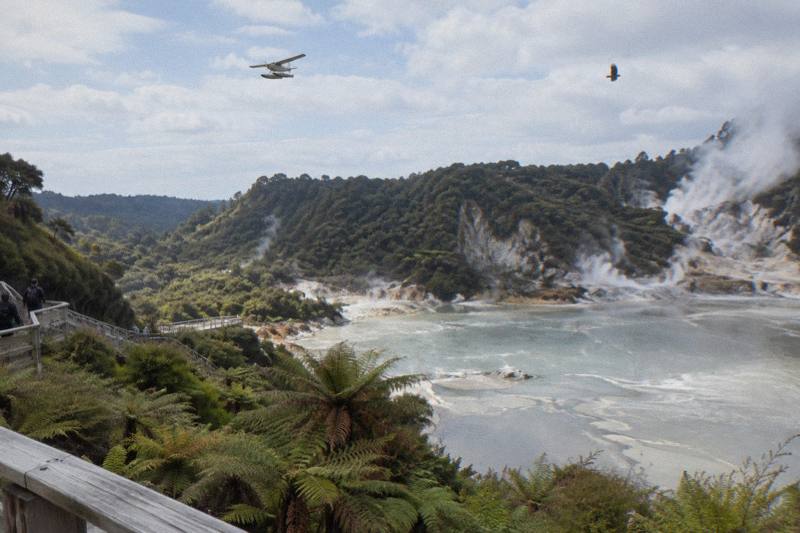
White Island Helicopter Flights: Current Options And What Changed
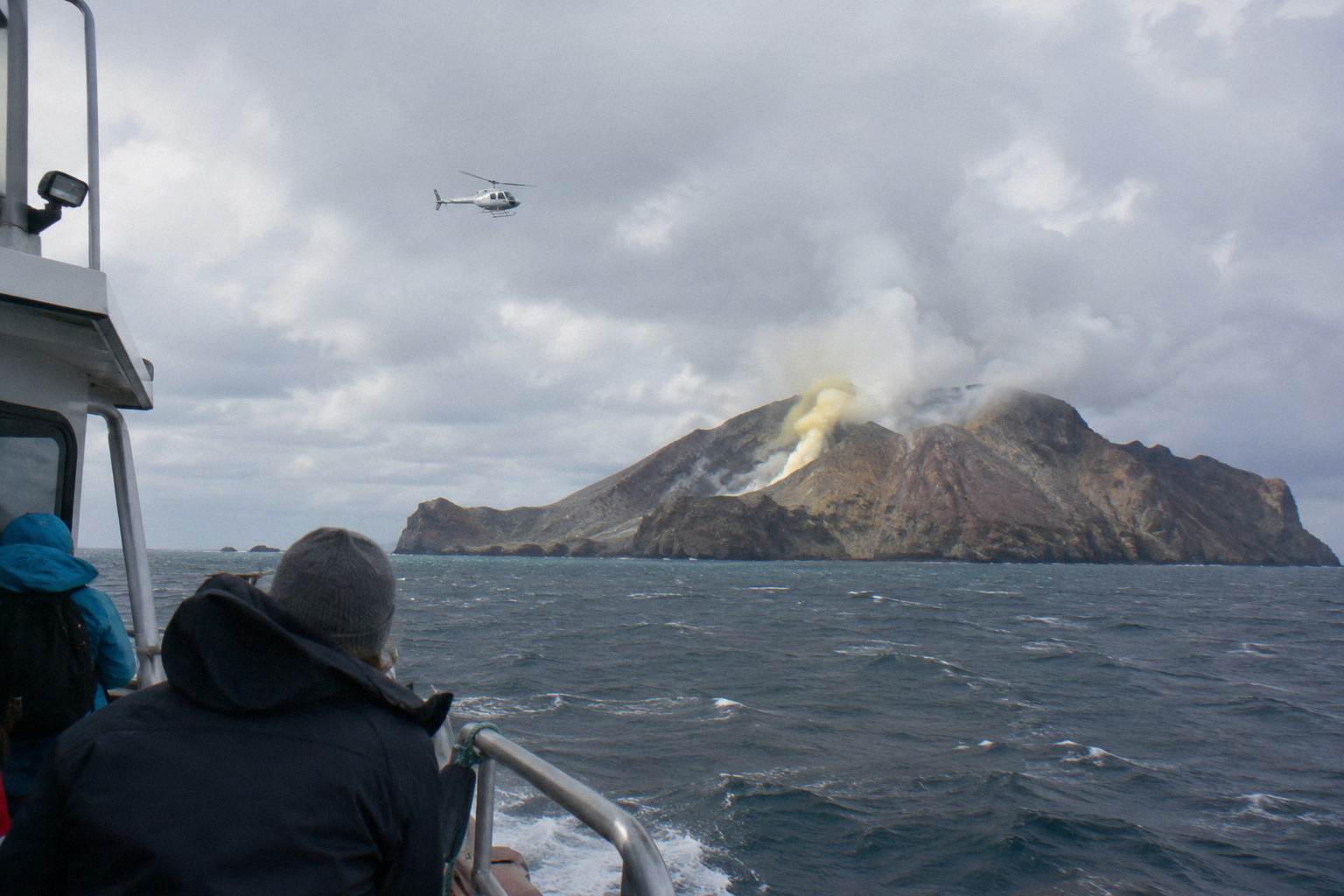
White Island, or Whakaari, sits about 48 km off the coast of Whakatane, and no flight from Rotorua lands on it. What exists today are flyovers, floatplane and helicopter, plus one helicopter combo that pairs the island overflight with a Mount Tarawera summit landing.
Short answer
No helicopter flight from Rotorua lands on White Island. Landings have been suspended since the 9 December 2019 eruption, and current options are flyovers only. From the Rotorua line-up, the Floatplane, Waimangu Included trip runs from NZ$1,230 per person, and one helicopter option pairs the Whakaari flyover with a Tarawera summit landing.
Volcanic Air, the operator behind every flight in the line-up, has been flying in Rotorua since 1992 and runs all departures from the Lakefront at 1 Lakefront Drive. The island lies about 48 km off the coast of Whakatane, so a Whakaari flight is a serious chunk of air time, not a quick loop over a lake. For the wider picture of every scenic option in the region, the Rotorua scenic flights overview covers the shorter routes too.
For the deeper background on whether a flight over the island can still include touching down, whether you can fly over Whakaari in a helicopter answers the landing question directly.
Quick Facts
Three trips in the Rotorua line-up reach Whakaari: two floatplanes and one helicopter, and none lands on the island. All depart from the Volcanic Air Lakefront base at 1 Lakefront Drive, check-in is 30 minutes prior for helicopters and 20 for floatplanes, and every booked trip carries free cancellation up to 24 hours before departure. The volcano's status changes over time, so GeoNet is the live source for it.
| Item | Detail |
|---|---|
| Island | Whakaari / White Island, about 48 km off the Whakatane coast |
| Landings | Suspended; flyovers only |
| Rotorua operator | Volcanic Air, Lakefront, 1 Lakefront Drive |
| Check-in | Helicopters 30 minutes prior, floatplanes 20 minutes prior |
| Whakaari-linked trips in the line-up | Three (two floatplanes, one helicopter) |
| Cancellation | Free up to 24 hours before departure |
| Volcano status | Changes; check GeoNet before flying |
Can A Helicopter Land On White Island Today?
No helicopter from Rotorua lands on White Island, and none has since the eruption of 9 December 2019. Official New Zealand guidance is explicit: there are currently no boat tours to, or helicopter flights that land on, the island. What remains is the flyover, from Rotorua and from Whakatane, and the airspace above the island has been open to scenic traffic since restrictions were lifted in 2020.
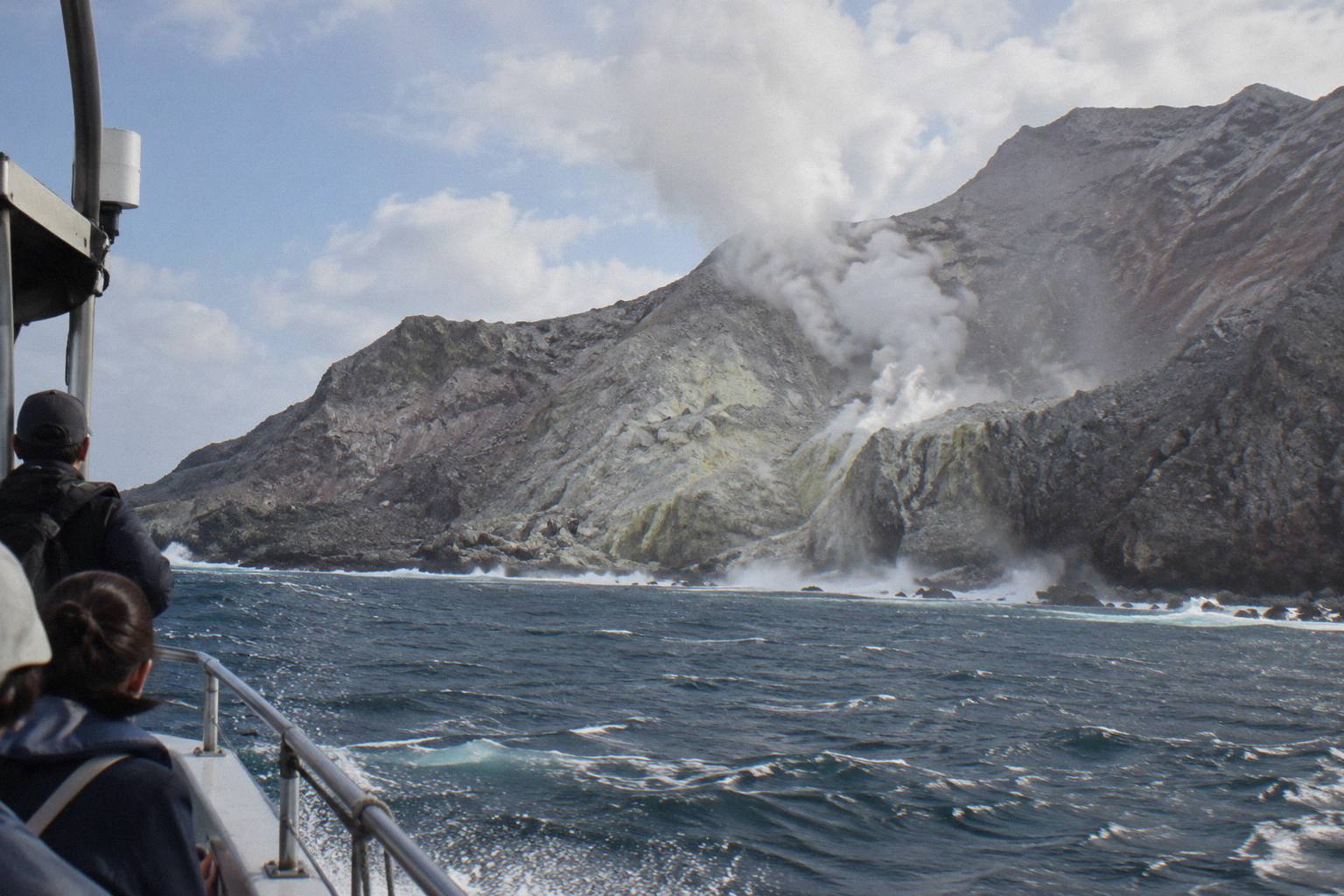
The change is permanent until officially reversed, and there is no sign of that. The practical consequence for a traveller is that the word "landing" in any Whakaari trip name refers to a landing somewhere else, usually Mount Tarawera. That is exactly the structure of the Helicopter White Island / Mount Tarawera 'Volcanic Extremes' trip: the island is flown over, and the landing happens at the Tarawera summit instead, subject to the pilot's sole discretion on the day.
It is worth separating the two questions travellers tend to blur. Can you see the island? Yes, from the air, on a clear day, at flyover altitude. Can you stand on it? No. The full history of the 2019 eruption and what it changed for flight operators sits in the guide to White Island flights and tours, which walks the decision in more depth than a comparison table allows.
Beyond the landing question, the volcano itself is monitored continuously, and its status shifts. GeoNet's Whakaari page publishes the current status, which can change on any given day, which is why a fixed status claim never belongs in a travel article. A traveller watching the page across a fortnight may well see the readings move more than once, and that movement is normal for a volcano of this type rather than a sign of trouble. The pilot also monitors conditions on the day, and a flight that launches in clear air can still adjust its track around local cloud or steam plumes over the island itself.
Which Flights From Rotorua Actually Overfly Whakaari?
Three trips in the current line-up reach White Island: the Floatplane, Waimangu Included trip, the Floatplane, White Island And Tarawera trip, and the Volcanic Extremes, 1h45m Helicopter trip. Two are floatplanes that overfly the island without landing anywhere; one is a helicopter that overflies Whakaari and then lands on Mount Tarawera, conditions permitting. Only the first carries a from-price in the line-up, from NZ$1,230 per person, in New Zealand dollars.
The table below is the whole Whakaari decision in one view. Review pools on these trips are small, seven to eight reviews on the floatplanes and two on the helicopter; a rating from that few reviewers says little.
| Trip | Aircraft | Landing | Total time | From price | Reviews |
|---|---|---|---|---|---|
| Floatplane, Waimangu Included | Floatplane | No landing (flyover) | 2 hours | NZ$1,230 | 7 |
| Floatplane, White Island And Tarawera | Floatplane | No landing (flyover) | Duration shown at booking | No from-price | 8 |
| Volcanic Extremes, 1h45m Helicopter | Helicopter | Mt Tarawera summit | 1 hour 45 minutes | No from-price | 2 |
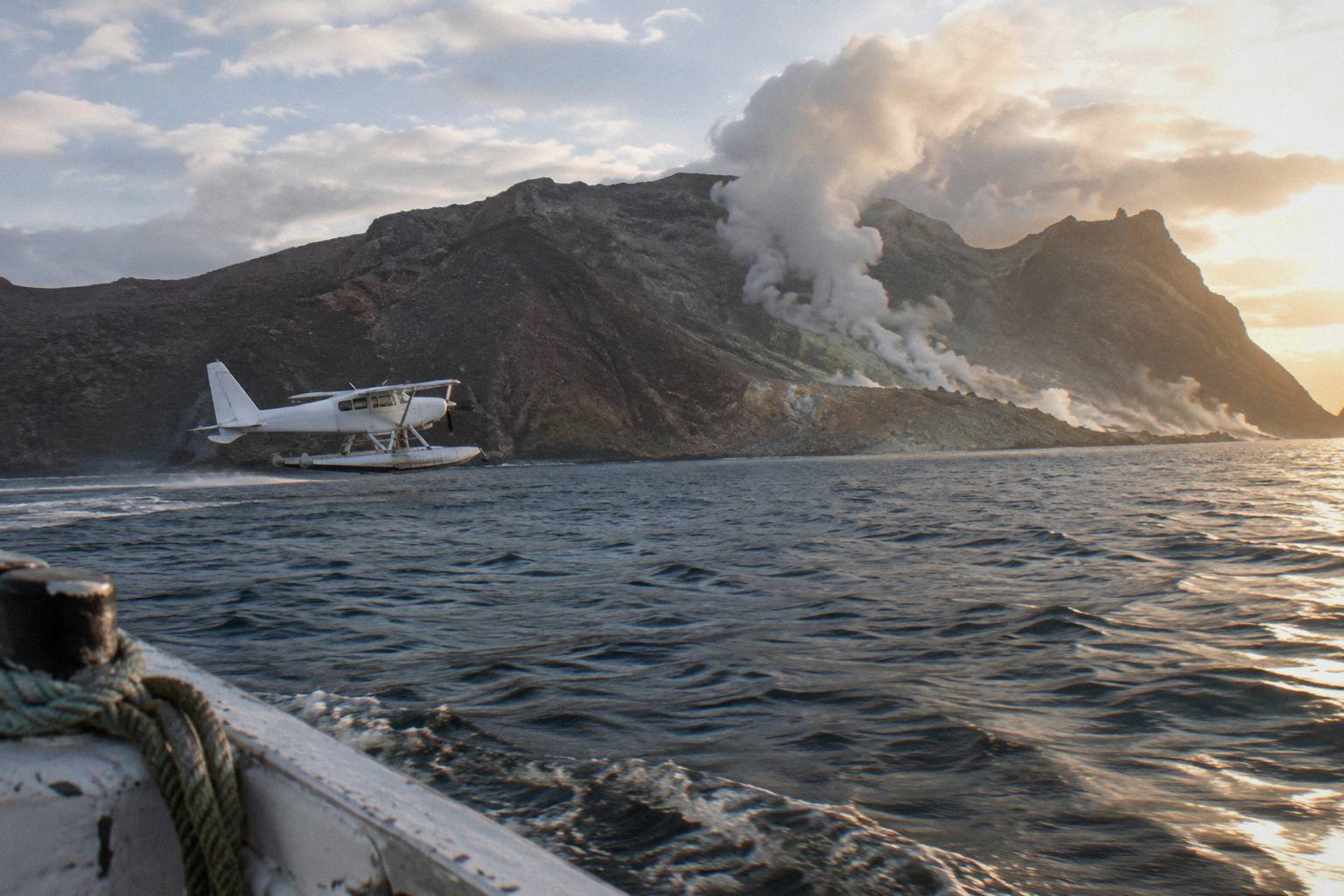
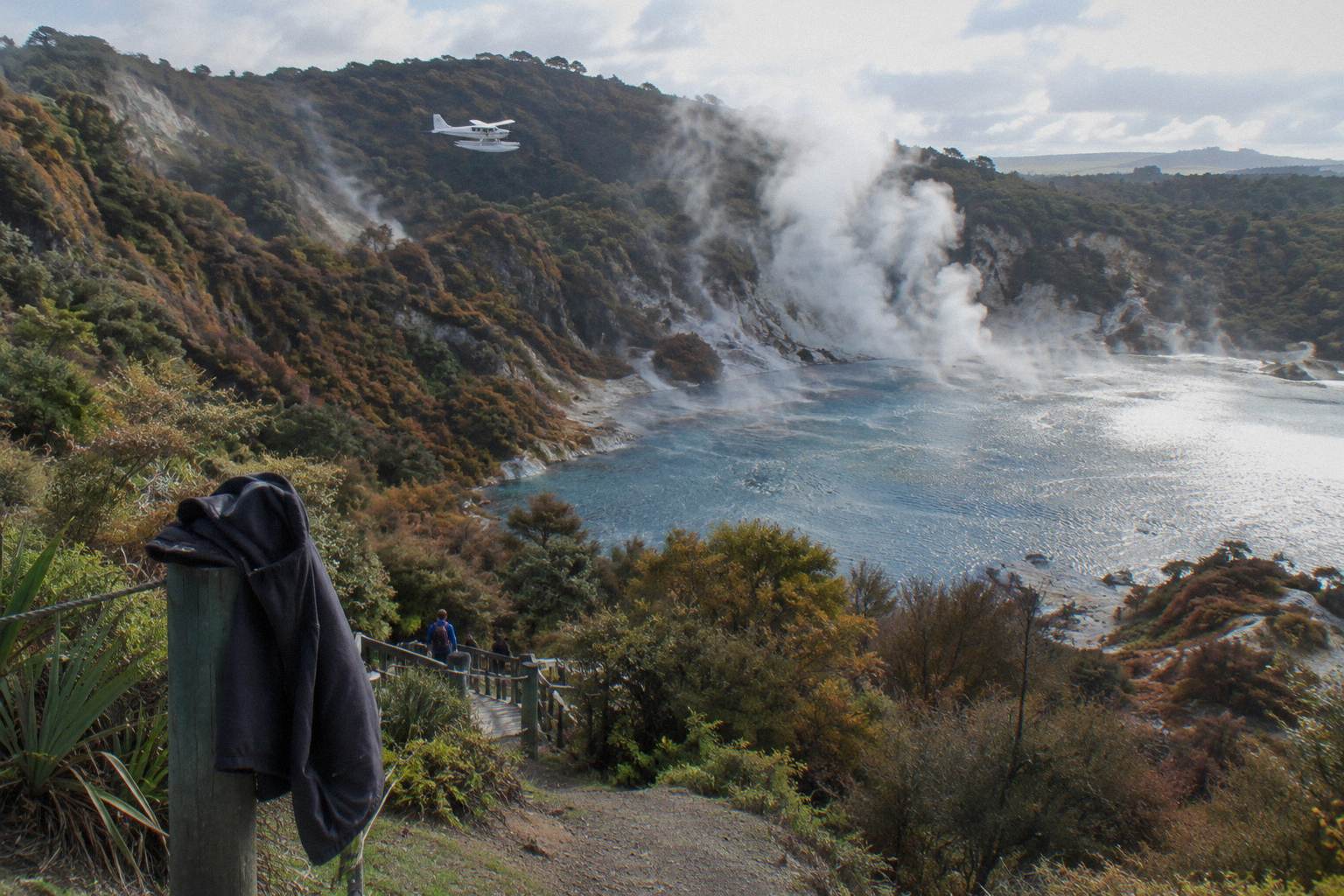
The floatplane trips are the natural fit for a traveller whose goal is simply to see the island. The White Island, Mount Tarawera & Waimangu Volcanic Valley Floatplane Flight bundles three volcanic landmarks into two hours: the offshore island, the Tarawera rift country and the Waimangu Valley, the geothermal system that formed along the line of the 1886 eruption. Its sibling, the White Island & Mount Tarawera Floatplane Adventure, covers similar ground in a tighter package. Both take off from Lake Rotorua itself, off the lakefront pier, which is part of the appeal: the departure is a water takeoff, not a runway roll.
The helicopter option plays a different hand. The Volcanic Extremes trip spends nearly two hours in the air, overflies Whakaari, and then attempts the one thing the floatplanes cannot do: set down on the summit of Mount Tarawera. Whether it lands is the pilot's sole discretion, and the operator's own terms say excursion landings are undertaken at the passenger's risk, with duration and inclusions varying due to weather, volcanic activity and passenger loadings. For a reader weighing that trade specifically, the Whakaari flyover versus landing comparison works through it step by step.
Between the two formats there is also a price logic worth naming. The floatplane with the from-price sits at NZ$1,230 per person for two hours of flying; the helicopter trip's price is on its booking page rather than in the line-up data, and helicopters generally cost more per minute than floatplanes because of how they are flown and fuelled. Checking both the booking pages side by side is the only way to price the difference on real dates. It is also worth doing that check on the exact travel window rather than a generic date, because aircraft availability, seat fill and season all move the number on the booking page from one month to the next.
What The Volcanic Extremes Helicopter Actually Adds
The Volcanic Extremes, 1h45m Helicopter trip adds a Mount Tarawera summit landing to the Whakaari flyover, and that landing is the only way a scheduled Rotorua flight puts you on a volcano rather than above one. It is a helicopter-only proposition, it takes nearly two hours, and the landing itself is conditional: the pilot decides on the day, and weather or volcanic activity can shorten or reshape the whole excursion.
Mount Tarawera cannot simply be walked up. Independent summit access is not permitted; the mountain is governed by the Ruawahia 2B Trust, which works alongside Ngati Rangitihi, and access runs through authorised guided tours or approved helicopter landings. Volcanic Air operates as a concessionaire in that arrangement, which is why its Tarawera landing trips carry a legitimacy a generic "scenic stop" does not. The eruption history behind the landscape is covered in the Mount Tarawera 1886 eruption flight guide, including the rift that GNS measures at 17 km end to end.
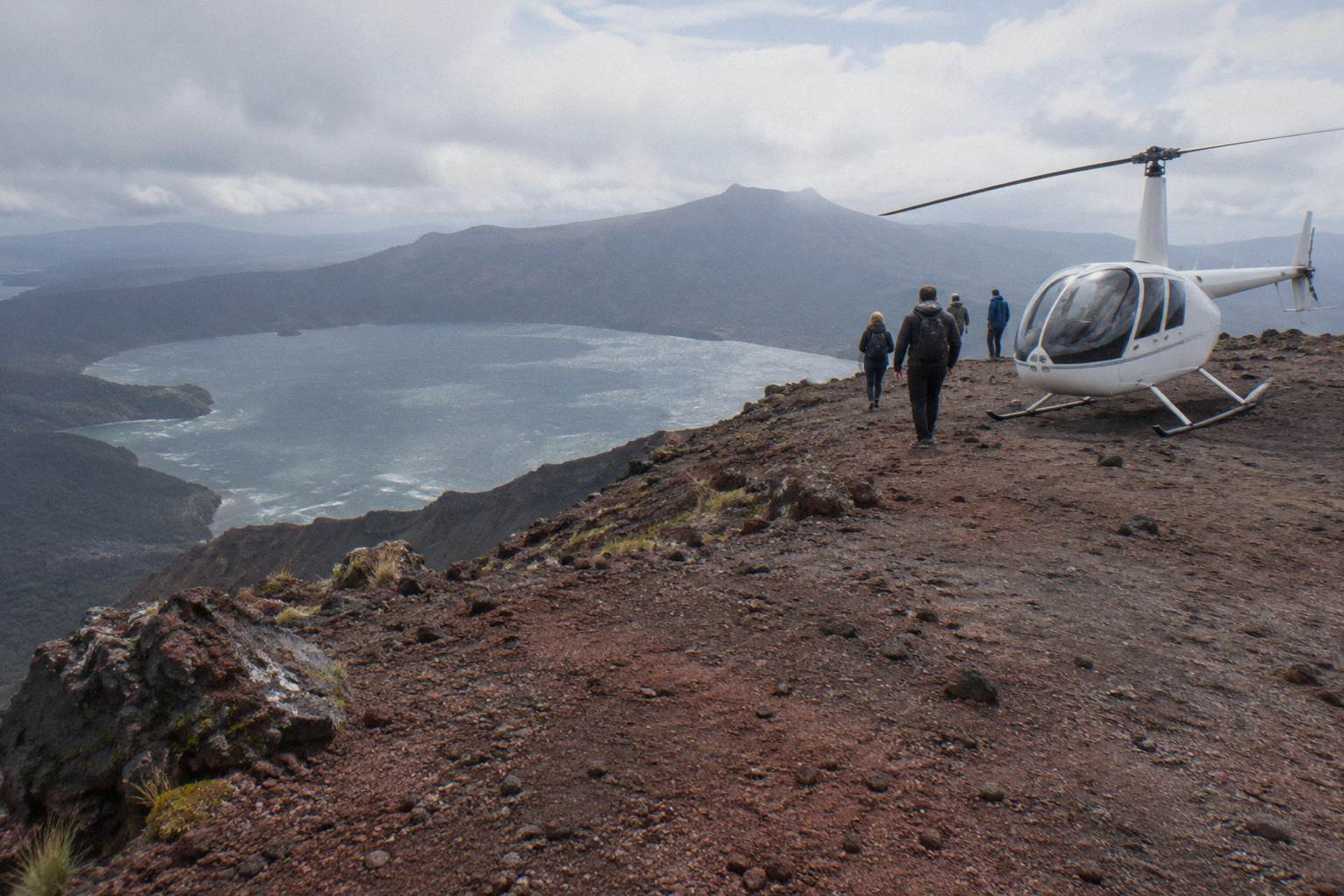
The operator's own flight wording describes flying over the mountain's 8 km of rift and craters before landing on the summit, and the two figures are not in conflict: GNS describes the full 17 km rift that runs across the mountain top, through Lake Rotomahana and into the Waimangu Valley, while the operator's 8 km refers to the portion over the mountain itself. The distinction matters if a traveller is comparing flight commentary against a geological map.
For a reader who wants the Tarawera landing without the long Whakaari leg, the line-up has shorter options. The Mt Tarawera Helicopter Tour with Volcano Landing concentrates on the mountain alone, and it is one of the few trips in the line-up with a rating that carries a meaningful pool behind it, 4.9 from 43 reviews. The Mount Tarawera helicopter landing guide compares all of the landing variants, including the guided summit walk version, from NZ$675 per person.
What Changed After The 2019 Eruption?
The eruption of 9 December 2019 killed 22 people and injured 25, and it ended every landing operation on Whakaari. Before that date, guided walks on the island crater floor were a mainstream Rotorua and Whakatane product; after it, the island became flyover-only, airspace restrictions were imposed and then lifted in 2020, and the line-up rebuilt around overflights paired with landings elsewhere. The island itself remains an active volcano under continuous monitoring.
| Aspect | Before 9 December 2019 | Today |
|---|---|---|
| Island landings | Operated by boat and helicopter | Suspended, official wording |
| Rotorua product mix | Island walks and flyovers | Flyovers only |
| Airspace over Whakaari | Routine scenic corridor | Reopened 2020, monitored |
| Volcano monitoring | GeoNet continuous | GeoNet continuous, status changes |
| Landing options elsewhere | Tarawera, geothermal parks | Unchanged, weather permitting |
The 2019 event also reshaped how operators talk about risk. Volcanic Air's terms now spell out that flights land and take off on hard terrain or water, and that natural hazards include earthquakes, geothermal activity, landslides and fast changing weather. That is standard aviation disclosure rather than a warning about any one trip, but it explains why every landing in the line-up carries the pilot's-discretion clause. The coronial inquiry into the eruption remains the official record of what happened, and travel planning does not require its detail; what matters for a booking decision is that the island is closed to feet and open to eyes. The rest of the planning pages sit on Rotorua Helicopter Tours.
One more consequence deserves a line: Whakaari's pull has redirected demand toward the Tarawera and geothermal landing trips, which now carry the "stand on a volcano" experience on their own. The Volcano Landing and Geothermal Park Helicopter Tour, from NZ$1,490 per person for three hours, lands at both the Tarawera summit and Orakei Korako in a single outing, and the helicopter and Orakei Korako combination guide covers that route in full.
How Weather And Booking Rules Shape A Whakaari Flight
Every Whakaari flight is weather dependent, and a trip will not go ahead if it is not safe or the views cannot be seen. The operator reschedules or fully refunds weather-cancelled flights, and booked trips carry free cancellation up to 24 hours before departure. Mornings often bring the calmest air and smoothest flying, while afternoons can offer warmer temperatures and late-day colour, and the driest, warmest stretch in Rotorua runs from October to April.
Rotorua's rainfall is spread across the year rather than concentrated in a wet season, which is why locals talk about changeable days rather than bad months. The monthly normals tell the story: the driest month, November, averages 86.8 mm, while the wettest, July, averages 137.4 mm, a modest spread for a New Zealand destination.
| Month | Average rainfall (mm) |
|---|---|
| January | 93.8 |
| March | 100.3 |
| May | 130.2 |
| July | 137.4 |
| September | 106.6 |
| November | 86.8 |
Because a Whakaari overflight is a long leg over open water, cloud cover over the island matters more than rain over Rotorua itself. A flight can launch into clear inland air and still find the island socked in, which is why the operator's own trip wording for weather-dependent products is blunt about views. Booking with a spare morning later in the stay is the single best hedge, and what happens when a Rotorua flight is cancelled for weather walks through the refund and rebooking mechanics in detail. Rotorua's official tourism body pins the driest window at October to April.
Practical rules are few but firm. Weight must be declared at booking and passengers are weighed on arrival, because seating has to balance the aircraft; over 110 kg a surcharge may apply, and over 135 kg as weighed requires two adult fares. Children of all ages are welcome, with under 2s on a lap and child rates for ages 2 to 11. Bring a camera, sunglasses and a jacket, and closed-toe footwear on any trip with a landing. The operator's FAQ covers check-in, weight, pregnancy and mobility questions directly, and its terms carry the weight and cancellation clauses quoted above.
Pregnancy and mobility come up often on long flights specifically, and the operator's answer is the same for both: neither is automatically a barrier, but both should be declared at booking so assistance can be arranged. On the pregnancy side the FAQ suggests talking to a maternity carer, especially from 28 weeks, and giving the operator a due date. For mobility, the requirements are that a passenger follows the safety briefing, stays seated and secured, and boards and leaves the aircraft with agreed assistance. None of this is onerous, but it is easier to arrange a week out than on the Lakefront at check-in.
Floatplane Or Helicopter For The Whakaari Flyover?
Choose the floatplane if the goal is maximum volcanic geography per dollar, since two hours covers Whakaari, Tarawera and Waimangu in one arc, with a water takeoff from Lake Rotorua as a bonus. Choose the helicopter if standing on a volcano matters as much as seeing one, because the Volcanic Extremes trip is the only option that overflies Whakaari and then attempts the Tarawera summit landing. Both fly the same weather window.
The formats also differ in how they feel from inside. Floatplanes sit higher over open water on takeoff and landing, and the Volcanic Air floatplanes depart from the lakefront pier on Lake Rotorua. Helicopters fly slower, lower and with more maneuvering around terrain, which suits photography over the Tarawera rift but can be harder on a queasy stomach; the floatplane's steadier cruise is the friendlier ride for nervous flyers. Neither difference is a dealbreaker, but both are real, and the Rotorua helicopter versus floatplane comparison tests them against each other across the whole line-up.
Seating is another quiet differentiator. A helicopter seats a handful of passengers with clear views on both sides and the option, weight and balance permitting, of riding up front; a floatplane rows its seats along a cabin with windows rather than doors, so the view depends more on where a passenger sits. Neither operator promises seat allocation in advance, and both weigh passengers on arrival partly for this reason. For a photographer, that randomness argues for the helicopter; for a sightseer, the floatplane's stable platform and longer cruise over water usually matter more.
For travellers who want the island view at the lowest possible commitment, a note: the shortest Whakaari-linked trips are still long flights, and no 15 minute option reaches the island. The quick lake loops, like the Crater Lakes By Helicopter, 15 Minutes trip, stay entirely inland. If the island is the reason for flying, budget a half day around it and treat the 15 minute products as a different category altogether.
Mistakes To Avoid When Booking A Whakaari Flight
The most expensive mistakes are assuming a landing exists, misreading trip names, and booking the only spare morning of a short stay. Whakaari landings are suspended, so any "landing" in a trip name refers to Tarawera or a geothermal park. Weather can scrub a flight outright, and weight declarations must be accurate because deviations can trigger rescheduling, surcharges or cancellation at the operator's discretion. Reading the aircraft type before paying prevents the floatplane-versus-helicopter surprise.
Five specifics trip people up. First, expecting to land on the island: no current product does, and no operator can sell one. Second, confusing the two floatplane trips; one includes the Waimangu Valley arc, the other does not, at different lengths. Third, booking a morning flight on departure day, leaving no room to reschedule if cloud sits over the island. Fourth, declaring an optimistic weight; passengers are weighed on arrival, and the terms are explicit about what a deviation can cost. Fifth, assuming hotel pickup exists; standard flights meet at the Lakefront only, with direct pickups reserved for bespoke charters.
The check-in windows also catch people out. Helicopter passengers check in 30 minutes before departure and floatplane passengers 20 minutes, at the Lakefront office, for a full safety briefing. The base sits under 1 km from the Rotorua town centre, so it is walkable from most central accommodation, but a late arrival from a distant hotel can still forfeit a flight.
A final trap is timing the booking itself. Long flights with small aircraft fill on fewer seats than a bus tour, and the Whakaari trips run a limited number of daily departures, so the popular morning slots go first in peak season. Booking early with the 24 hour free-cancellation buffer costs nothing if plans change, while waiting until arrival in town can mean the only remaining seat is an afternoon slot in the weakest weather window of the day.
Is A White Island Flyover Worth The Money?
Yes, for most travellers who specifically want Whakaari, because the island cannot be seen any other way from a scheduled flight, and the two hour floatplane arc bundles Tarawera and Waimangu into the same air time. For those whose real interest is volcanoes generally, the shorter Tarawera landing trips deliver a stand-on-a-crater experience from NZ$675 per person, so the test is whether the offshore island itself is the draw.
The floatplane's from-price of NZ$1,230 per person buys the widest single sweep of volcanic landscape available from Rotorua: an active offshore volcano, the 1886 rift country and the Waimangu Valley in one departure. Spread over two hours, that is a full morning of geography. The helicopter's price sits on its booking page, and comparing the two on real dates is a two minute job once travel dates are fixed.
Small review pools cut both ways here. Seven, eight and two reviews mean nobody can yet say how these trips trend over time, while the shorter Tarawera landing tour's 4.9 from 43 reviews gives a steadier read on the operator's landing operation itself. Free cancellation up to 24 hours before departure applies across the line-up, so the downside of booking early is modest, and official New Zealand guidance on Whakaari confirms the flyover-only position should anything a traveller reads elsewhere suggest otherwise.
It also helps to frame the spend against the alternatives. A traveller could see Tarawera and Waimangu by road and on foot over a full day of driving and walking, but the island has no road and no walking access at all, so the flight is not one option among several; it is the only option. That exclusivity, rather than any luxury framing, is what the price actually buys, and it is the reason the Whakaari trips hold their value even for travellers who otherwise skip scenic flights.
The decision, restated plainly: fly over everything on a floatplane, or fly over the island and land on Tarawera by helicopter. Both are real, both run from the same Lakefront pier and office, and both depend on the same weather window over the same stretch of New Zealand.
Common Questions About Flying Over Whakaari
Can A Helicopter Land On White Island?
No. Landings have been suspended since the eruption of 9 December 2019, and official guidance states there are currently no boat tours or helicopter flights that land on the island. Flyovers only.
Can You Still See White Island From A Flight?
Yes. Floatplane and helicopter trips from Rotorua overfly the island, weather permitting. The island lies about 48 km off the Whakatane coast, so these are long flights, around two hours for the floatplane options.
Is White Island Still An Active Volcano?
Yes. Whakaari is monitored continuously by GeoNet, and its alert level and aviation colour code change over time. Check the GeoNet Whakaari page for the current status rather than relying on any fixed statement.
What Does A White Island Flight From Rotorua Cost?
The Floatplane, Waimangu Included trip runs from NZ$1,230 per person. Prices for the other two Whakaari-linked trips sit on their booking pages. All amounts are New Zealand dollars.
Which Whakaari Flight Includes A Volcano Landing?
Only the Volcanic Extremes, 1h45m Helicopter trip, and its landing is on Mount Tarawera, not White Island. The landing is at the pilot's sole discretion and depends on weather and volcanic activity on the day.
What Happens If The Weather Cancels A Whakaari Flight?
The operator works with passengers to reschedule or provide a full refund when a flight cannot operate due to weather. Booked trips also carry free cancellation up to 24 hours before departure.