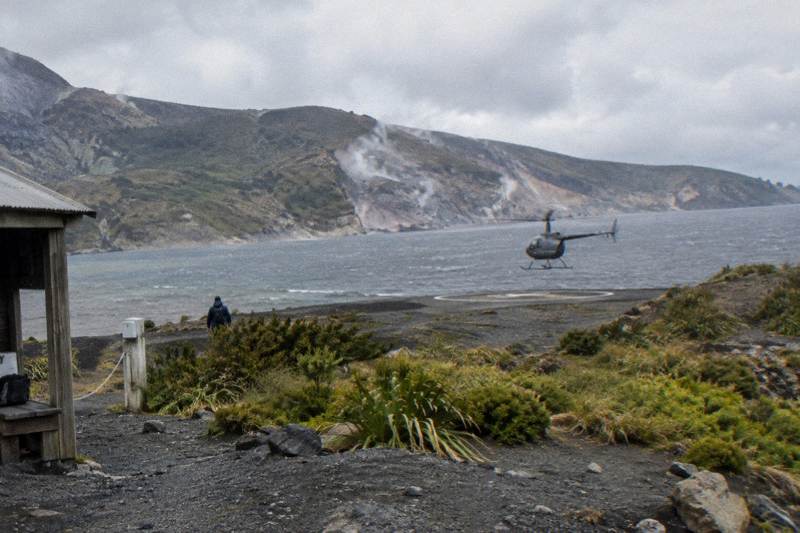
Helicopter Flight Weather In Rotorua: Wind, Cloud, And Cancellations
Every scenic flight in Rotorua is a weather decision made on the day. Here is how the operator judges it, what your options are when a flight is scrubbed, and how to give yourself the best odds.
Short answer
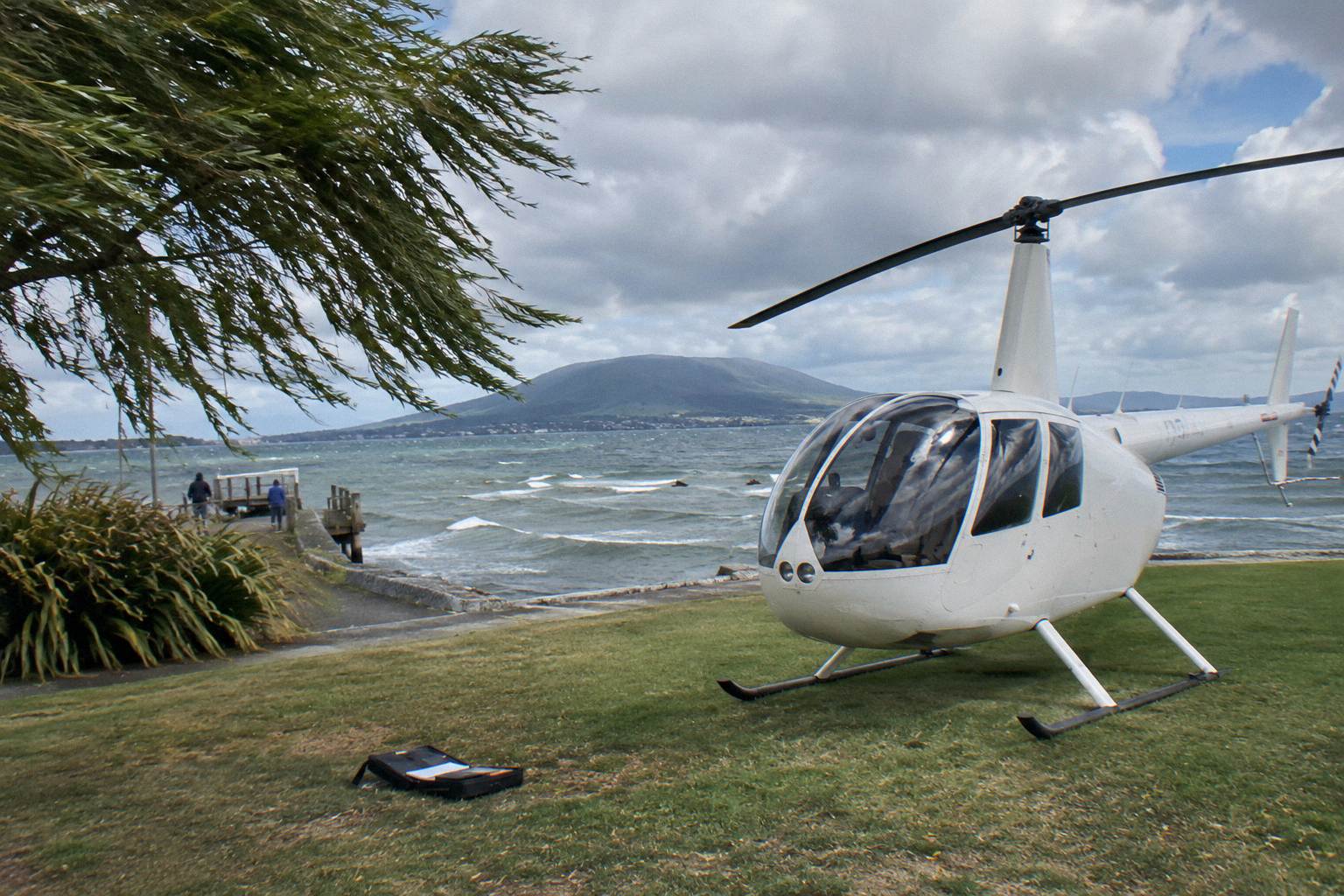
Rotorua flights operate in all months of the year, but every departure is subject to suitable weather and safe flying conditions. If weather stops a flight, the operator works to reschedule or fully refund it, and booked flights carry free cancellation up to 24 hours in advance. Mornings often give the calmest air, and late spring to early autumn brings the driest weather.
Rotorua sits inside a volcanic landscape that makes its own weather, and that weather decides whether a scenic flight leaves the ground on any given day. The operator, Volcanic Air, states it plainly: all flights operate subject to suitable weather and safe flying conditions. That single sentence shapes everything about planning a helicopter or floatplane trip here, from the time of day you book to the cancellation terms you rely on when a front rolls in off the Tasman.
This guide walks through the weather logic behind a Rotorua flight: what actually stops a departure, how rain, wind and cloud interact with the flying, what happens to your money when a flight is cancelled, and how the seasons change your odds. All prices are in New Zealand dollars.
For the wider picture of choosing a flight, see the Rotorua scenic flights overview.
| Quick Facts | |
|---|---|
| Meeting point | Volcanic Air, Lakefront, 1 Lakefront Drive, Rotorua 3010 |
| Check-in | 30 minutes prior for helicopters, 20 minutes prior for floatplanes |
| Operating months | All months of the year, daylight hours |
| Weather policy | Flights operate subject to suitable weather and safe flying conditions |
| Weather cancellation | Operator reschedules or provides a full refund |
| Booking cancellation | Free cancellation up to 24 hours in advance on booked flights |
| Best odds | Mornings, and late spring (October) to early autumn (April) |
What Weather Actually Stops A Helicopter Flight In Rotorua?
A flight does not go ahead when conditions are unsafe to fly or when the views the trip sells cannot be seen, and that call belongs to the operator and pilot on the day. Low cloud can bury Tarawera's summit, wind can push a helicopter past comfortable or legal limits, and rain alone is usually the least of the concerns. The operator's own terms name fast changing weather among the natural hazards of these flights, alongside geothermal activity and earthquakes.
The clearest statement of the principle comes from one of the scenic flight pages themselves: the tour is weather dependent and will not go ahead if it is not safe to do so, or if the views cannot be seen. That second half matters more than people expect. A crater lakes flight in solid cloud is a noisy, expensive ride over grey nothing, so the operator treats visibility as a genuine go or no-go factor, not just a comfort issue.
Rotorua's geography amplifies the problem. The city sits in a basin beside Lake Rotorua, with the volcanic plateau rising to the south. Tarawera's summit stands 1,111 m above sea level, which puts it directly in the cloud base on many marginal days. A flight can depart the Lakefront in flyable conditions and still find the summit socked in, which is why landing flights are treated differently from short lake circuits.
No published wind speed or cloud base figure exists for these departures, and none should be invented. The decision is made flight by flight, weighing the aircraft, the route, the landing intentions and the conditions. What you can plan around is the pattern: the operator confirms that if a flight cannot proceed due to weather, they will work with you to reschedule or provide a full refund.
The pilot's discretion extends to landings specifically. The Tarawera landing flights carry the operator's wording that excursion landings are undertaken at your own risk and at the pilot's sole discretion, with duration and inclusions able to vary due to weather conditions, volcanic activity and passenger loadings. A flight can therefore fly and still not land.
When Is The Best Time Of Day To Fly?
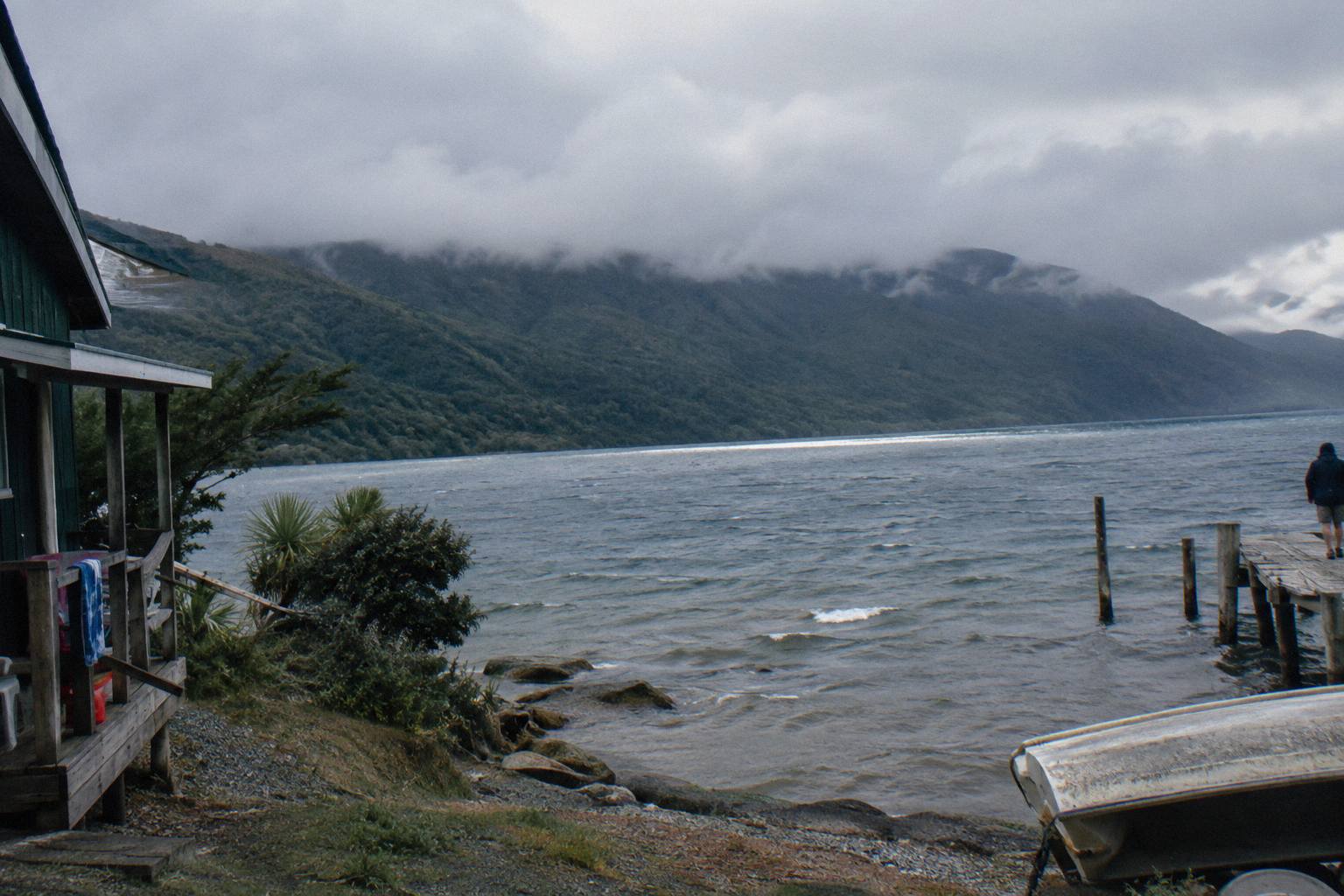
Mornings often give the calmest weather and the smoothest flying of the day, with soft light that photographers tend to prefer, while afternoons can offer warmer temperatures and late-day colour, especially in winter. There is no single guaranteed best slot, because conditions on the day override everything, but booking early gives you two advantages: calmer air if the pattern holds, and a full afternoon left to reschedule into if it does not.
The operator's own FAQ is refreshingly un-dogmatic on this: there is no hard and fast answer to the best time, it depends on the weather that day. What the operator does confirm is the morning pattern of calmer conditions and smoother air, and the afternoon trade-off of warmth and evening light. For a first-time flyer worried about motion, the morning case is the stronger one, and the details are covered in whether passengers get motion sick on these flights.
The practical argument for mornings is recovery time. If an early departure is scrubbed, the operator can often move you to a midday or afternoon slot the same day. If a late afternoon flight is scrubbed, tomorrow is your only option, which matters enormously on a two-night stay. Travellers with fixed itineraries should read how far in advance to book a Rotorua helicopter flight and plan the buffer accordingly.
The time of day interacts with the trip you choose. The 15-Minute Crater Lakes Flight by Helicopter from Rotorua stays low over the lake country, where morning calm pays off most for a short circuit. The Helicopter Volcano Landing, which carries a 4.9 rating from 43 reviews, heads for the summit, where the cloud base matters far more than the breeze at the lakefront. The One-Hour Volcanic Adventure spends the longest over the volcanic terrain, so it needs the widest weather window of the three.
Whichever slot you book, the check-in rule stays the same: 30 minutes before departure for helicopter flights, 20 minutes for floatplanes, at the Lakefront office, where the full safety briefing happens before anyone boards.
What Happens If Weather Cancels Your Flight?
If weather stops your flight, the operator will work with you to reschedule it or provide a full refund, and the operator's terms confirm a full refund where it cancels before commencement for circumstances beyond its control, which includes weather and volcanic activity. On top of that, the booked flights carry free cancellation up to 24 hours in advance, so you also hold the door handle yourself if your own plans shift.
That is a two-layer safety net, and it is worth understanding both layers. The first is the operator layer: the FAQ states plainly that if a flight cannot go ahead due to weather, they will reschedule or refund in full, and the operator's FAQ page sets out the same position for check-in, weight, children and mobility questions. The second is the booking layer: every trip in the current line-up carries free cancellation up to 24 hours in advance on its booking page terms. Inside 24 hours you are relying on the operator's weather policy rather than your own cancellation right.
| Scenario | What happens |
|---|---|
| Weather stops the flight, operator cancels | Reschedule or full refund, operator's stated policy |
| Volcanic activity stops the flight | Full refund under the operator's terms |
| You cancel more than 24 hours ahead | Free cancellation on booked flights |
| You cancel inside 24 hours | The booking page's terms govern; the operator's own fee ladder may apply |
| Flight flies but the landing is not possible | Duration and inclusions vary; landing is at the pilot's sole discretion |
One nuance trips people up: a flight that flies but cannot land is not a cancelled flight. The Tarawera landing trips state that tour duration, flight times and inclusions may vary due to weather conditions, and the landing itself is at the pilot's sole discretion. If the summit is marginal, you may get the overflight of the rift and craters without the touchdown, and that is within the terms you agreed to at booking.
The related trip for weather-aware planning is the Scenic Floatplane, Tarawera And Waimangu: a 30 minute flight, 40 minutes total, from NZ$395 per person, rated 4.9 from 28 reviews, with free cancellation up to 24 hours in advance. Because it is a flyover rather than a mountain landing, it needs a slightly narrower weather window than a summit landing flight, which makes it a solid pick when conditions look borderline. The question of whether a helicopter or floatplane suits Rotorua conditions better is worth a read here too.
If the day goes wrong entirely, the full walkthrough is in what happens when a Rotorua helicopter flight is cancelled for weather, including how refunds are handled.
Can Helicopters Fly In The Rain?
Yes, helicopters fly in rain routinely, and light rain alone rarely stops a scenic flight; the factors that ground a trip are the wind, the cloud base and the visibility that rain often brings with it. In Rotorua the practical question is not whether raindrops fall but whether Tarawera and the crater lakes are visible from the air, because the operator will not run a sightseeing flight when the sights cannot be seen.
Rotorua's rainfall is steady rather than dramatic. Monthly normals from the 1991 to 2020 record, charted by figure.nz from NIWA data, run from a low of 86.8 mm in November to a high of 137.4 mm in July, spread fairly evenly across the year. No month is dry, and no month is a washout: the difference between the wettest and driest month is modest, and the rain arrives spread across the month rather than in a single burst. The deeper dive is in whether helicopters can fly in the rain.
What rain does change is the experience. Windows carry water droplets, which affects photographers, and the cloud that delivers the rain can hide the volcanic summits that are the point of the longer flights. The operator's advice to bring a jacket and sunglasses covers both ends of a changeable Rotorua day, and sunglasses genuinely matter on bright days after rain clears, when the light off the lakes is fierce.
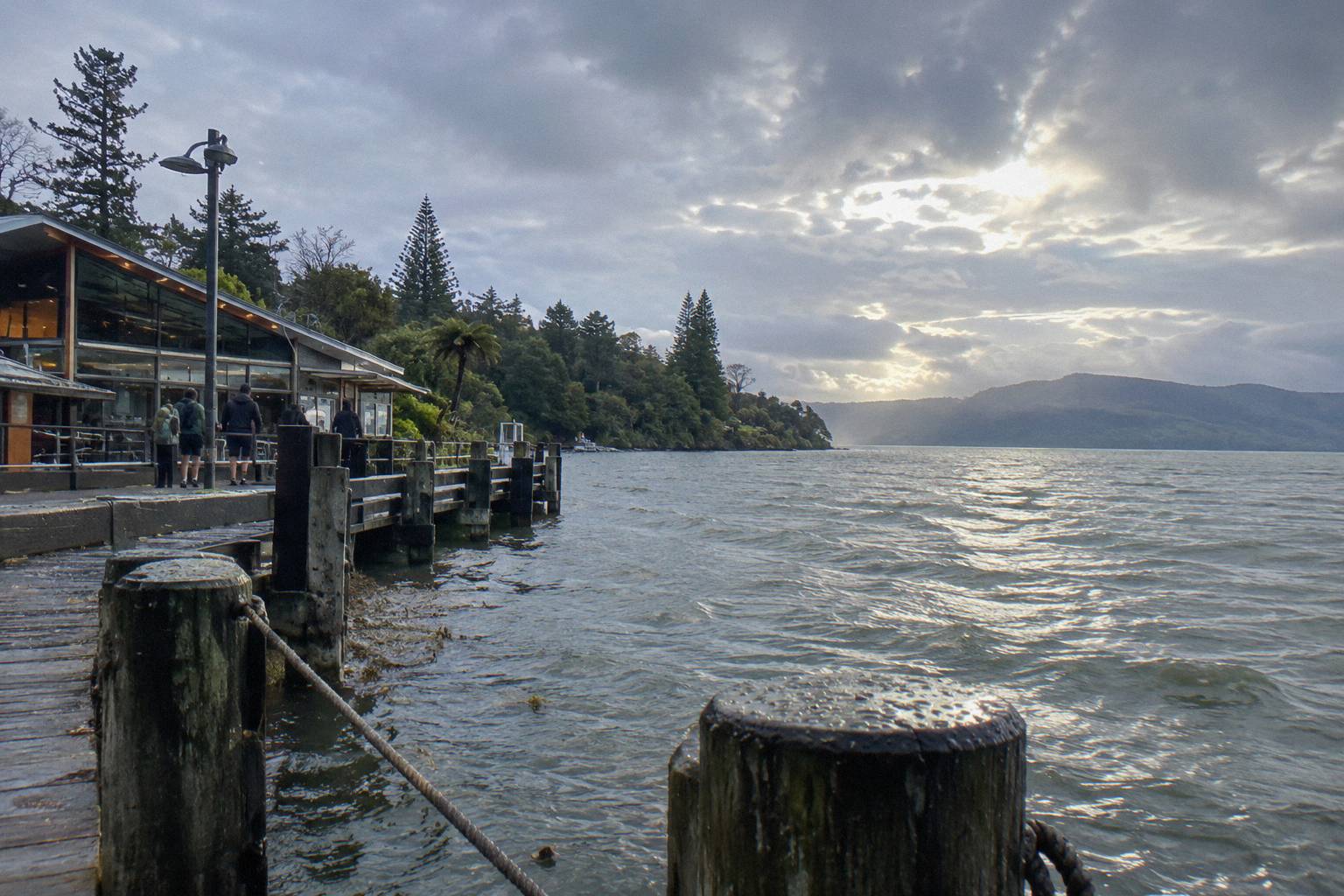
For short lake circuits, rain matters least. The 15-Minute Crater Lakes Flight by Floatplane from Rotorua and its helicopter equivalent stay over the lake country close to base, where low cloud is less likely to erase the whole route. Both are 15 minute flights with free cancellation up to 24 hours in advance, which makes them a reasonable fallback when the mountain flights are grounded.
How Do Wind And Cloud Change Which Flight You Should Book?
Wind and cloud narrow your options from the top down: the long summit-landing flights need the widest window, the Orakei Korako and Waimangu routes need a medium one, and the short crater lakes circuits need the least, so on a marginal day the move is to choose a flight whose weather appetite matches the sky you actually have. Weight also interacts with wind, because seating and load limits tighten when conditions force route or load changes.
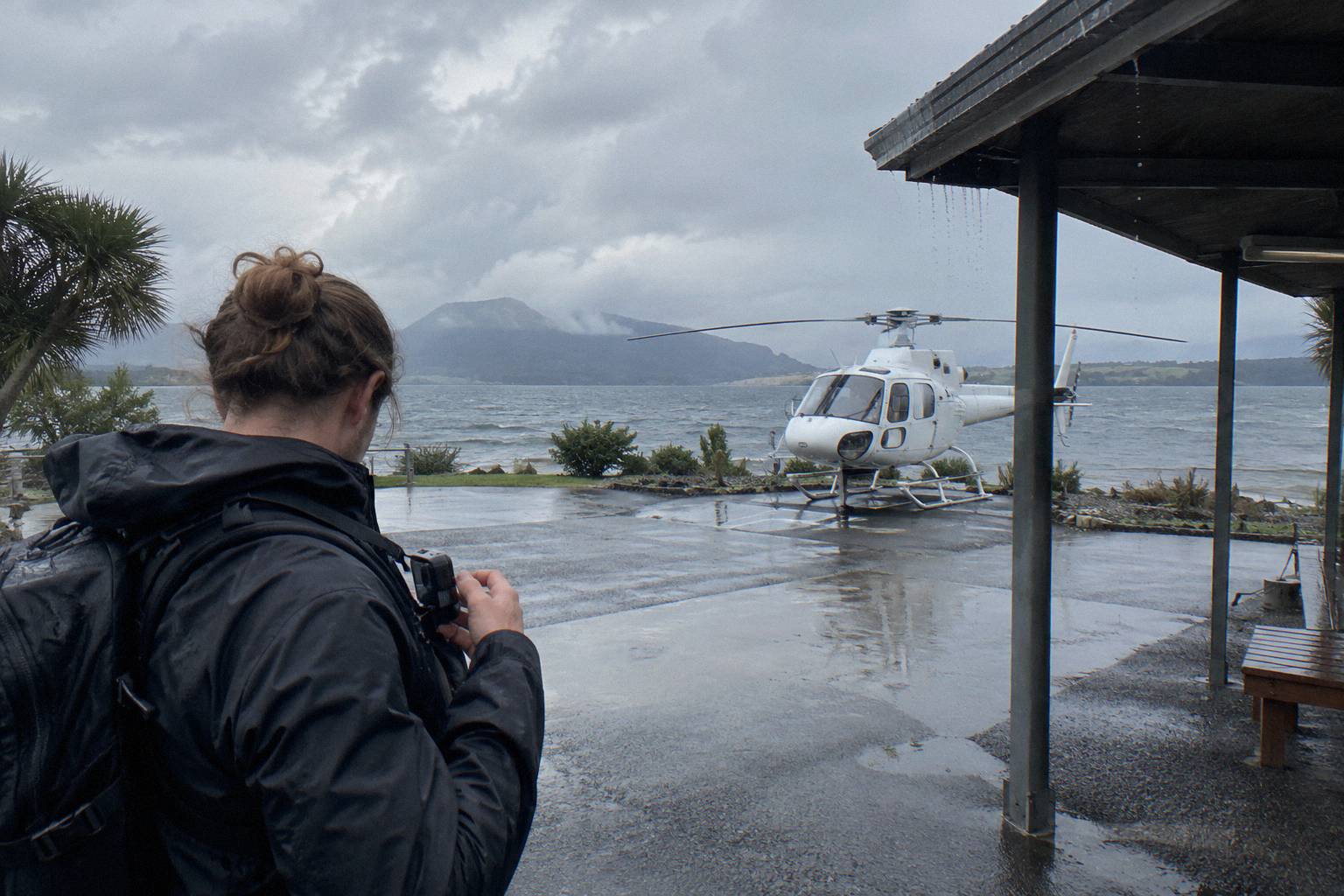
Think of the line-up as a ladder of weather exposure. At the top sits the Mount Tarawera Volcanic Adventure by Helicopter, a one hour trip over the volcanic zone, which needs sustained good conditions across a lot of terrain. The Geothermal Park Landing tour, three hours total with landings at both the Tarawera summit and Orakei Korako, from NZ$1,490 per person, is the most exposed of all, since it needs two landing windows plus a long transit. Mid-ladder sit the Tarawera landing flights around 40 minutes total, such as the Helicopter Landing, Guided Summit Walk, from NZ$675 per person, and the Mt Tarawera Helicopter Tour with Volcano Landing. At the bottom, the crater lakes circuits never leave the immediate lake country.
| Trip | Duration | Landing | Weather window needed |
|---|---|---|---|
| Geothermal Park Landing, 3 Hours | 3 hours | Tarawera summit and Orakei Korako | Widest: two landings, long transit |
| One-Hour Volcanic Adventure | 1 hour | Mt Tarawera summit | Wide: long volcanic route |
| Helicopter Volcano Landing | Flight plus summit landing | Mt Tarawera summit | Medium: one landing |
| Floatplane, Orakei Korako Landing | 2 hours | Orakei Korako, from NZ$845 per person | Medium: river landing |
| Floatplane, Waimangu Included | 2 hours | No landing, from NZ$1,230 per person | Medium: flyover only |
| Crater Lakes circuits | 15 minutes | No landing (flyover) | Narrowest: local lake country |
Wind also feeds into the weight rules. Passengers declare individual weights at booking and are weighed on arrival so the aircraft stays within balance limits; over 110 kg a surcharge may apply at the operator's sole discretion, and over 135 kg as weighed requires two adult fares, per the operator's terms and conditions. The full rules are unpacked in the weight limits guide. On windy days, when the aircraft's usable load shrinks, accurate declared weights matter even more.
The Mount Tarawera Volcanic Adventure by Helicopter carries a maximum of 6 travellers and a total weight per passenger figure of 110 kg on its booking page, which keeps groups small and the load planning tight. On a marginal morning, a small, accurately declared group is the one most likely to get away.
If the wind is up but the cloud is high, the 15-minute helicopter circuit is the trip most likely to still run, and it costs the least to rebook if it does not.
Does Volcanic Activity Cancel Flights Too?
Yes, volcanic activity can stop a flight or a landing independently of the weather, and the operator's terms list it alongside weather as a circumstance beyond its control that triggers a full refund if the flight is cancelled before commencement. For Tarawera, activity affects whether a landing is permitted; for Whakaari, landings have been suspended since the 9 December 2019 eruption, and only flyovers operate.
The two volcanoes behave very differently. Tarawera is the landing mountain, and its status sits within the Okataina volcanic centre. Whakaari, about 48 km off the coast of Whakatane, is described by the operator as New Zealand's only permanently active offshore volcano, and official guidance is that no boat tours or helicopter flights land on the island; scenic flights over it are what operate from Rotorua. Because Whakaari's status can change on any given day, GeoNet's live Whakaari page is the source to check, not a fixed statement on a travel page.
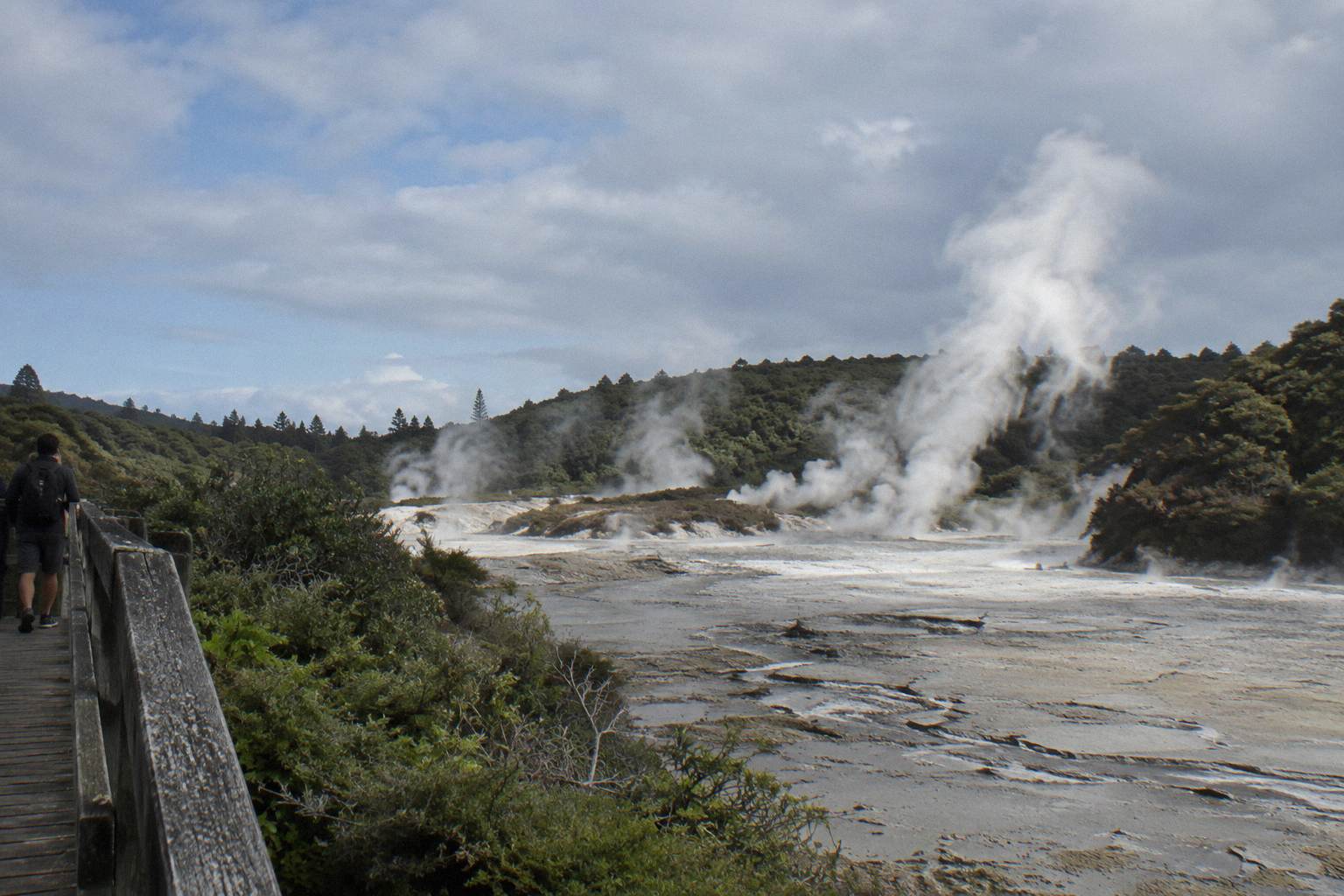
For trip planning, the practical effect is simple. The Whakaari flyover trips, such as the floatplane that combines White Island, Mount Tarawera and Waimangu Volcanic Valley, from NZ$1,230 per person, depend on conditions over a long transit to the coast and back, so they carry both weather and volcanic-status sensitivity. The Tarawera landing trips depend on the pilot's read of the mountain on the day. Neither is promised, and both are refundable if the operator cancels.
Which Season Gives The Best Flying Weather?
Late spring through early autumn, October to April, is the driest and warmest window in Rotorua, which statistically improves your odds of flying on any chosen day, though flights operate in all months of the year and winter brings its own advantages in low-angle light and fewer travellers. November is the driest month in the rainfall record and July the wettest, but the gap between them is modest, so season shifts probability rather than guaranteeing anything.
Rotorua's rainfall normals show the shape of the year clearly. Spring months sit at the low end, autumn and early winter at the high end, with nothing resembling a monsoon or a dry season anywhere in the table. A winter visit is entirely viable for flying; the trade-off is more changeable days against softer light on the lakes and volcano, which the operator itself notes when describing afternoon winter colour.
| Month | Rainfall (mm) |
|---|---|
| January | 93.8 |
| February | 100.4 |
| March | 100.3 |
| April | 133.0 |
| May | 130.2 |
| June | 131.9 |
| July | 137.4 |
| August | 125.2 |
| September | 106.6 |
| October | 92.9 |
| November | 86.8 |
| December | 117.1 |
Rotorua's official tourism guidance puts the driest and warmest weather from late spring, October, until early autumn, April, and the regional tourism FAQ is the primary source for that window. The seasonal question is covered in more depth in the best time for a Rotorua helicopter flight, including how school holidays and daylight hours change the calculus.
The planning conclusion is about buffers, not bans. In the October to April window, one spare half-day usually covers a weather delay. In winter, or when a landing flight is the priority, a full spare day is the safer margin, because rescheduling works only if a flyable slot exists before you leave town.
What Should You Wear And Bring For Changeable Conditions?
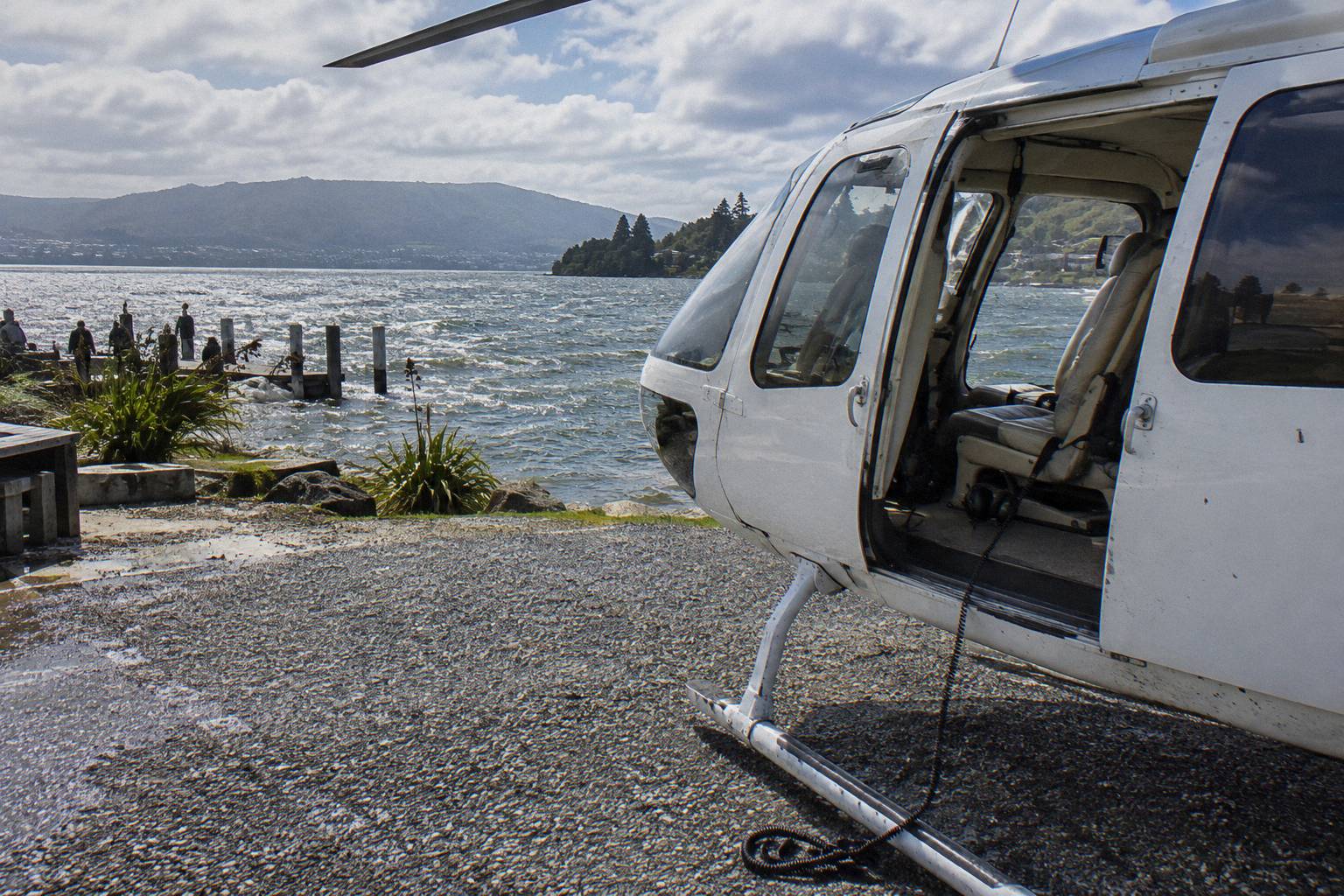
Bring a jacket, sunglasses and a camera regardless of the forecast, and wear closed-toe comfortable footwear on any flight that includes a landing, because conditions on a volcanic summit or a river bank can be colder and windier than the lakefront where you boarded. The operator's own kit list is short for a reason: the aircraft is quick to board, but the excursions are outdoors.
The operator's FAQ names exactly these items. Sunglasses matter more than most visitors expect, both for glare off the lakes and because helicopter windows sit high in the sky with nothing to shade your eyes. The jacket matters even on warm days: a Tarawera summit landing puts you at altitude where the wind can be brisk, and you will spend the guided walk, about 15 minutes on the landing tours, exposed on the crater floor.
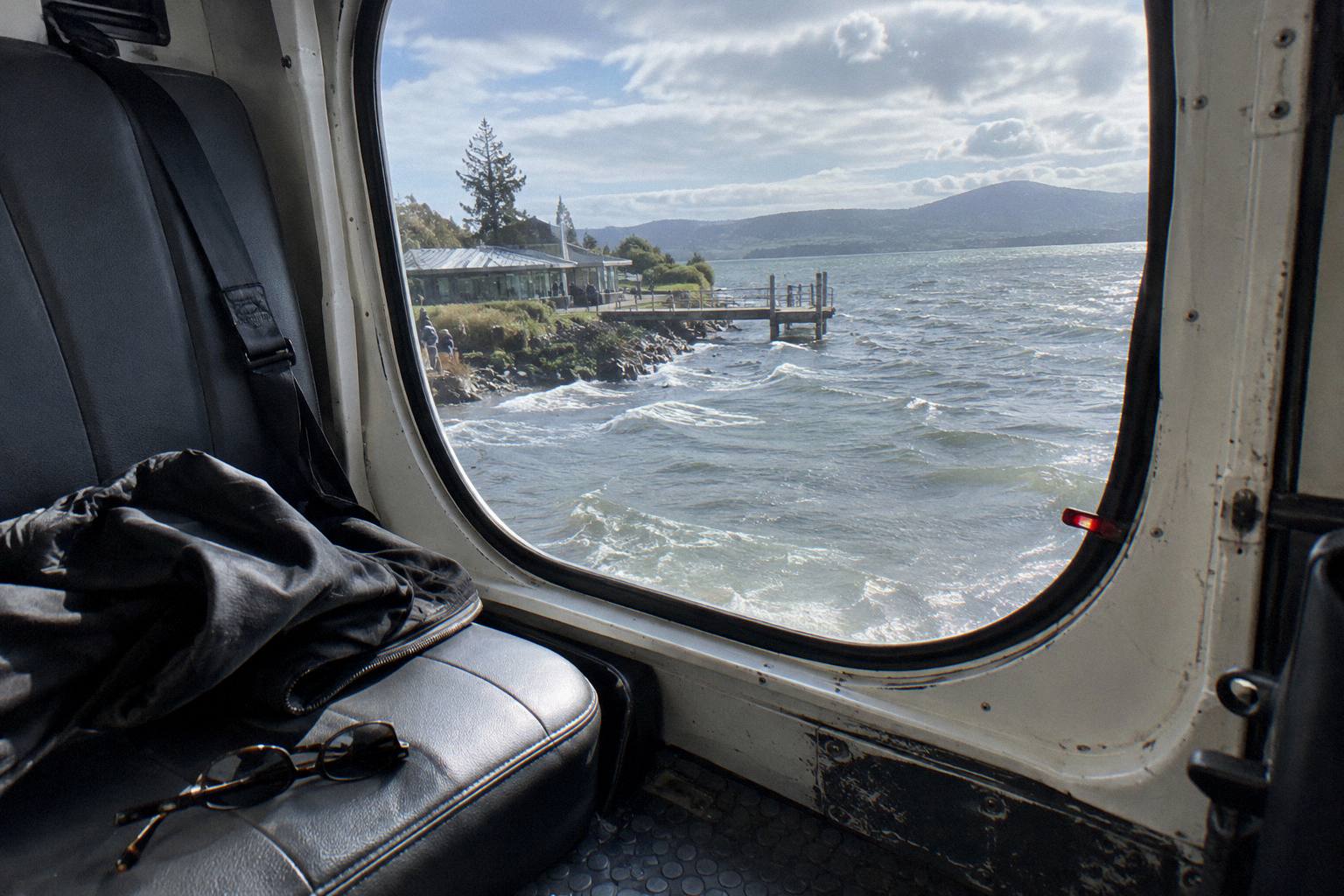
Layering beats bulk. You need to move freely for boarding, and helmets or headsets go over whatever you wear on your head, so skip bulky hoods. The fuller kit discussion, including what matters for photographers whose windows may carry rain, is in what to wear on a helicopter flight and the flight photography guide.
Families should note the age rules that interact with weather patience: all ages are welcome, under 2s sit on a lap, and child rates apply from 2 to 11, with the Tarawera landing flights carrying a minimum of two adult fares. Those details, plus season timing for school holidays, are in helicopter flights for families.
Mistakes People Make When Planning Around Rotorua Weather
The recurring errors are booking a landing flight on your only day in town, assuming rain means cancellation and cancelling yourself, ignoring the 24 hour free-cancellation window, and treating a forecast three days out as a decision you must make immediately. Each one converts a manageable weather risk into a lost booking, and each is avoidable with a buffer day, an early slot, and a willingness to let the operator make the call on the morning.
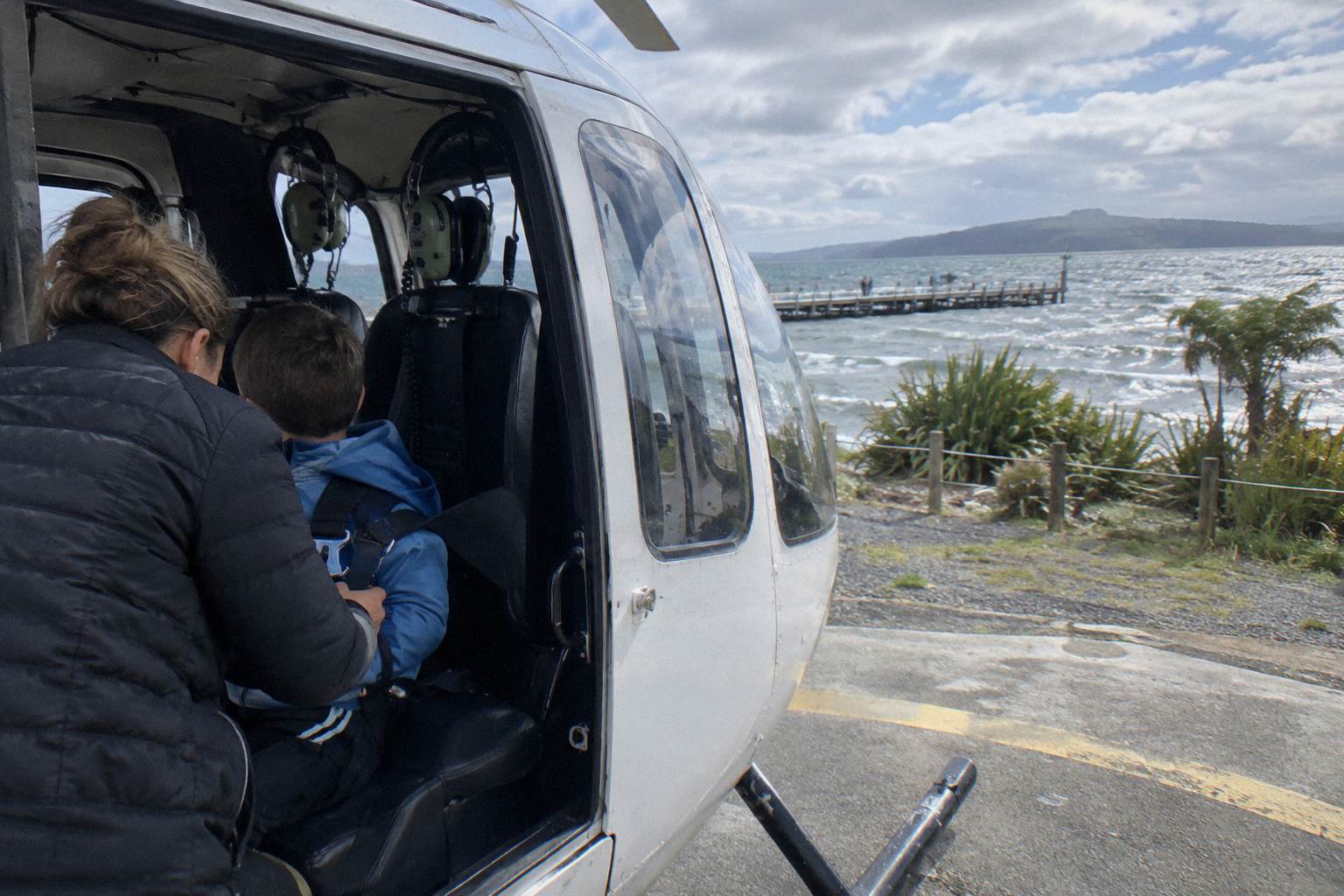
Cancelling yourself ahead of a forecast is the costliest mistake, because the operator's policy already protects you. If weather stops the flight, you get a reschedule or a full refund, so pre-cancelling out of pessimism throws away a flight that might well have gone. The second is timing: booking the last departure of your last day leaves zero recovery room. Third is the weight declaration, which is a weather-adjacent trap: under-declaring can force a reschedule or surcharge on a day when the load margins are already tight.
The final mistake is choosing the wrong flight for the day you have. On a marginal morning, a crater lakes circuit or a floatplane flyover has better odds than a three hour dual landing expedition. Match the trip to the sky, keep Rotorua Helicopter Tours open in a tab, and rebook the summit landing for the next calm morning.
Common Questions About Flying Conditions
Can Helicopters Fly In The Rain?
Yes, light rain alone rarely stops a flight. The deciding factors are wind, cloud base and visibility, and a sightseeing flight will not run if the views cannot be seen. Rain's main effects are on photography and on the cloud that often accompanies it.
What Happens If My Rotorua Helicopter Flight Is Cancelled For Weather?
The operator works with you to reschedule the flight or provide a full refund, and its terms confirm a full refund where it cancels before commencement for circumstances beyond its control, including weather and volcanic activity.
Can I Cancel My Flight For Free?
Booked flights across the current line-up carry free cancellation up to 24 hours in advance for a full refund. Inside that window, the operator's own cancellation terms govern, so cancel earlier rather than later if your plans change.
What Time Of Day Is Best For A Flight?
Mornings often give the calmest weather and smoothest flying, with soft light, while afternoons can offer warmer temperatures and late-day colour. There is no guaranteed best slot; conditions on the day decide, and an early booking leaves the rest of the day to reschedule into.
Can A Tarawera Landing Be Cancelled Even If The Flight Goes Ahead?
Yes. Landing flights state that duration and inclusions may vary due to weather conditions, volcanic activity and passenger loadings, and excursion landings are at the pilot's sole discretion, so a flight can overfly the mountain without touching down.
Does Volcanic Activity Ever Stop Flights?
Yes. Volcanic activity is listed in the operator's terms alongside weather as a circumstance that can cancel a flight before commencement, with a full refund. Whakaari landings remain suspended and only flyovers operate; GeoNet carries the island's live status.