Do You Get Motion Sick On A Helicopter Flight Over Rotorua?
A plain answer to motion sickness on Rotorua helicopter flights, with flight length comparison, weight and seating rules, weather rescheduling and what to do if you feel queasy.
In short: Motion sickness is possible on any small aircraft, but the short Rotorua scenic flights, 15 to 40 minutes, give it far less time to build than a long ferry crossing or a winding road trip. Morning departures often have the calmest air. If a flight cannot run safely because of weather, the operator works with you to reschedule or refund in full, and every listed trip carries free cancellation up to 24 hours before. None of what follows is medical advice; it is practical planning logic drawn from the operator's own published terms.
More on choosing a first flight in the Rotorua scenic flights overview.
| Quick Facts | |
|---|---|
| Shortest helicopter trip | 15-Minute Crater Lakes Flight by Helicopter from Rotorua, 15 minutes total |
| Longer options | 30 to 40 minute floatplane trips, 3 hour dual-landing helicopter trips |
| Check-in | 30 minutes before helicopter flights, 20 before floatplanes, at the Lakefront office |
| Weather policy | Reschedule or full refund if weather stops a flight |
| Cancellation on listed trips | Free cancellation up to 24 hours in advance |
Yes, motion sickness can occur on a Rotorua helicopter flight, as on any small aircraft, but the short local trips help: the briefest last 15 minutes and the longest common scenic flights run 30 to 40 minutes, too short for most people to feel unwell. Mornings often bring the calmest weather, flights are rescheduled if conditions are unsuitable, and every listed trip allows free cancellation up to 24 hours ahead.
No motion sickness statistics for Rotorua flights have been verified, so nothing here pretends otherwise. What can be said with confidence comes from the shape of the product itself. A helicopter over a lake district in the morning is a different experience from a small boat in swell or a bus on a mountain road: the motions are shorter, the horizon is wide, and the trip is over quickly. The sections below compare the actual flights on offer by length, explain the weight and seating rules that affect how an aircraft handles, and set out exactly what happens if weather grounds you.
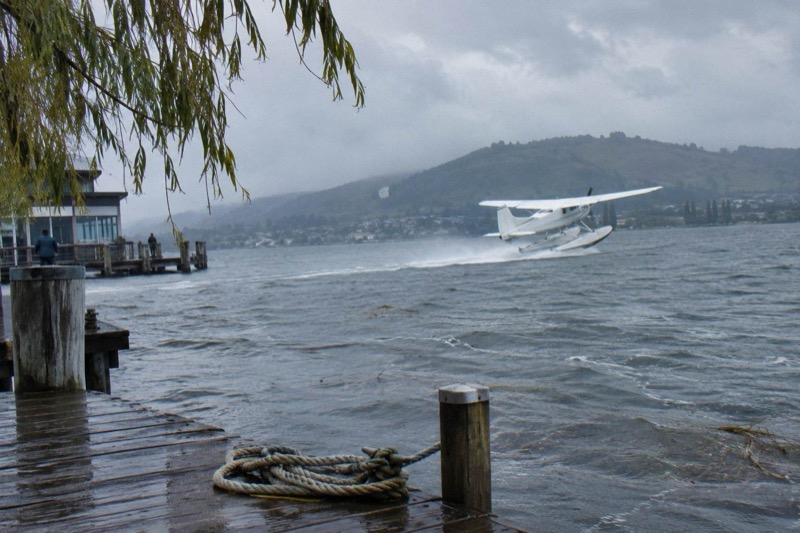
The natural first test is the "Crater Lakes By Helicopter, 15 Minutes" flight, the shortest helicopter trip in the lineup at 15 minutes total, with no landing. Alongside it sit the 15-minute floatplane version and the "Scenic Floatplane, Tarawera And Waimangu" trip, a 30 minute flight with a 40 minute total duration. Between them, these three cover the gentle end of the spectrum.
If you are worried about feeling unwell, starting short is the single most useful decision you can make, and the 15-minute format exists for exactly that kind of trial run.
How Does Flight Length Change The Odds Of Feeling Queasy?
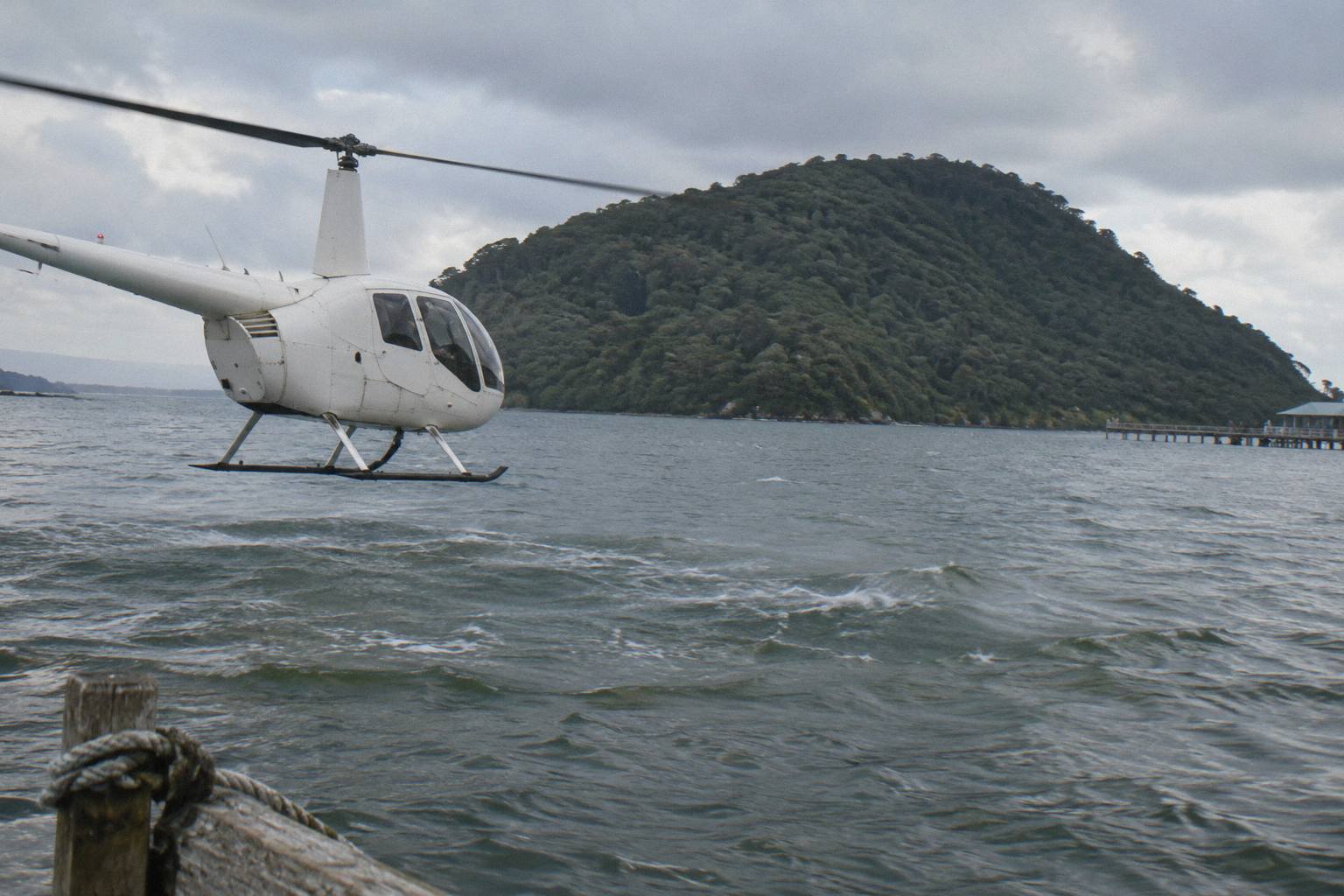
Flight length matters a lot: the longer you are airborne, the more time mild queasiness has to build. Options range from a 15-minute crater lakes flight, through 30 to 40 minute Tarawera and Waimangu flyovers, up to a 3 hour geothermal park landing trip. Most people prone to motion sickness handle short hops well and only begin to struggle on longer, warmer or rougher legs, so pick the shortest trip that still covers what you want to see.
Thinking about it in tiers helps. The first tier is the pair of 15-minute crater lakes flights, one by helicopter and one by floatplane, both 15 minutes total with no landing. The second tier is the 30-minute flight time of the Scenic Floatplane over Tarawera and Waimangu Valley, 40 minutes total. The third tier is the 40-minute "Helicopter Landing, Guided Summit Walk", from NZ$675 per person, which splits its time between flying and a 15 minute guided walk on the summit of Mt Tarawera, a walk that gives your body a break from aircraft motion entirely. The fourth tier is the long stuff: the "Volcanic Extremes, 1h45m Helicopter" trip and the "Geothermal Park Landing, 3 Hours" trip from NZ$1,490 per person.
| Trip | Type | Total time | Landing | Printable price |
|---|---|---|---|---|
| Crater Lakes By Helicopter, 15 Minutes | Helicopter | 15 minutes | None | No printed price |
| Scenic Floatplane, Tarawera And Waimangu | Floatplane | 40 minutes | None | From NZ$395 per person |
| Helicopter Landing, Guided Summit Walk | Helicopter | 40 minutes | Mt Tarawera summit | From NZ$675 per person |
| Geothermal Park Landing, 3 Hours | Helicopter | 3 hours | Mt Tarawera and Orakei Korako | From NZ$1,490 per person |
All amounts are New Zealand dollars. Notice that the landing trips break up flying with ground time, which matters if you are unsure how you will react: a walk on the summit is motion-free by definition. The operator describes the Tarawera landing trip as a flight over the 8 km of rift over the mountain followed by a landing for a 15 minute guided walk, with landings at the pilot's sole discretion and dependent on weather and volcanic activity. For a fuller picture of that landing decision, see whether you can land on Mount Tarawera by helicopter.
One honest caveat: the flight lengths above are the operator's published totals, and the operator's own wording says tour duration, flight times and inclusions may vary with weather conditions, volcanic activity and passenger loadings. Budget a buffer on the day either way.
Do Time Of Day And Season Matter For A Smooth Ride?
Yes, in a general way the operator itself describes: mornings often give the calmest weather and smoothest flying, with softer light for photos, while afternoons can bring warmer air and late-day colour. There is no guaranteed smooth window, because conditions change daily, but a morning booking is the sensible default if a smooth ride is your priority. If the weather is unsuitable, the operator tries to reschedule rather than fly through it.
The operator's FAQ is unusually direct on this point: there is no hard and fast answer to the best time, it depends on the weather that day. What it does say is that mornings often produce calmest conditions and that afternoon flights can offer warmer temperatures, particularly in winter. For anyone sensitive to motion, warmer afternoon air, which can be bumpier over land, is the thing to weigh against the softer morning option.
Season plays a supporting role. Rotorua's official tourism body notes that the driest and warmest weather runs from late spring in October until early autumn in April. The rainfall record backs up the pattern: November averages 86.8 mm and October 92.9 mm against July's 137.4 mm, using 1991 to 2020 normals. Flights operate all months of the year within daylight hours, so the question is not whether you can fly in winter but how likely a reschedule becomes.
| Month | Average rainfall (mm, 1991 to 2020 normals) |
|---|---|
| November | 86.8 |
| October | 92.9 |
| January | 93.8 |
| April | 133.0 |
| July | 137.4 |
Scheduling margin is the practical answer to seasonality: book early in your stay so a weather reschedule can still fit. The deeper dive on this is how far in advance to book a Rotorua helicopter flight.
Why Are Passengers Weighed, And What Has That Got To Do With Comfort?
Every passenger declares a weight at booking and is weighed on arrival, because the aircraft must stay within balance limits for safe flight; the operator says this helps with safe and balanced seating. A deviation from your declared weight can mean rescheduling, a surcharge or cancellation. Over 110 kg a surcharge may apply, and over 135 kg as weighed requires two adult fares. Seating position and aircraft balance affect how a flight feels.
The detail that matters here is seating. Weights determine where people sit, and where you sit changes what you feel. The operator does not publish a seat-selection policy for scenic flights, so do not count on requesting a particular seat; treat seat allocation as the crew's decision, made for balance. The published per-passenger figure on one listing is a total weight of 110 kg per passenger with a maximum of 6 travellers, and the general surcharge thresholds apply across the operation. The full rules are in the guide to Rotorua helicopter flight weight limits.
Children are welcome at all ages; under 2s sit on a parent or guardian's lap, and child rates apply from 2 to 11. On the Tarawera landing flight specifically, the operator sets a minimum of 2 adult fares and a 75% fare for ages 2 to 11. Family logistics are covered in more depth in flying with children on a Rotorua helicopter tour.
If a Tarawera landing appeals, the "Helicopter Volcano Landing" trip, rated 4.9 from 43 reviews with free cancellation up to 24 hours ahead, covers the summit landing in the standard format, and its rating carries more review weight than anything else in the lineup. Other pages covering the same trip are gathered on Rotorua Helicopter Tours.
What Should You Actually Do On The Day To Feel Better?
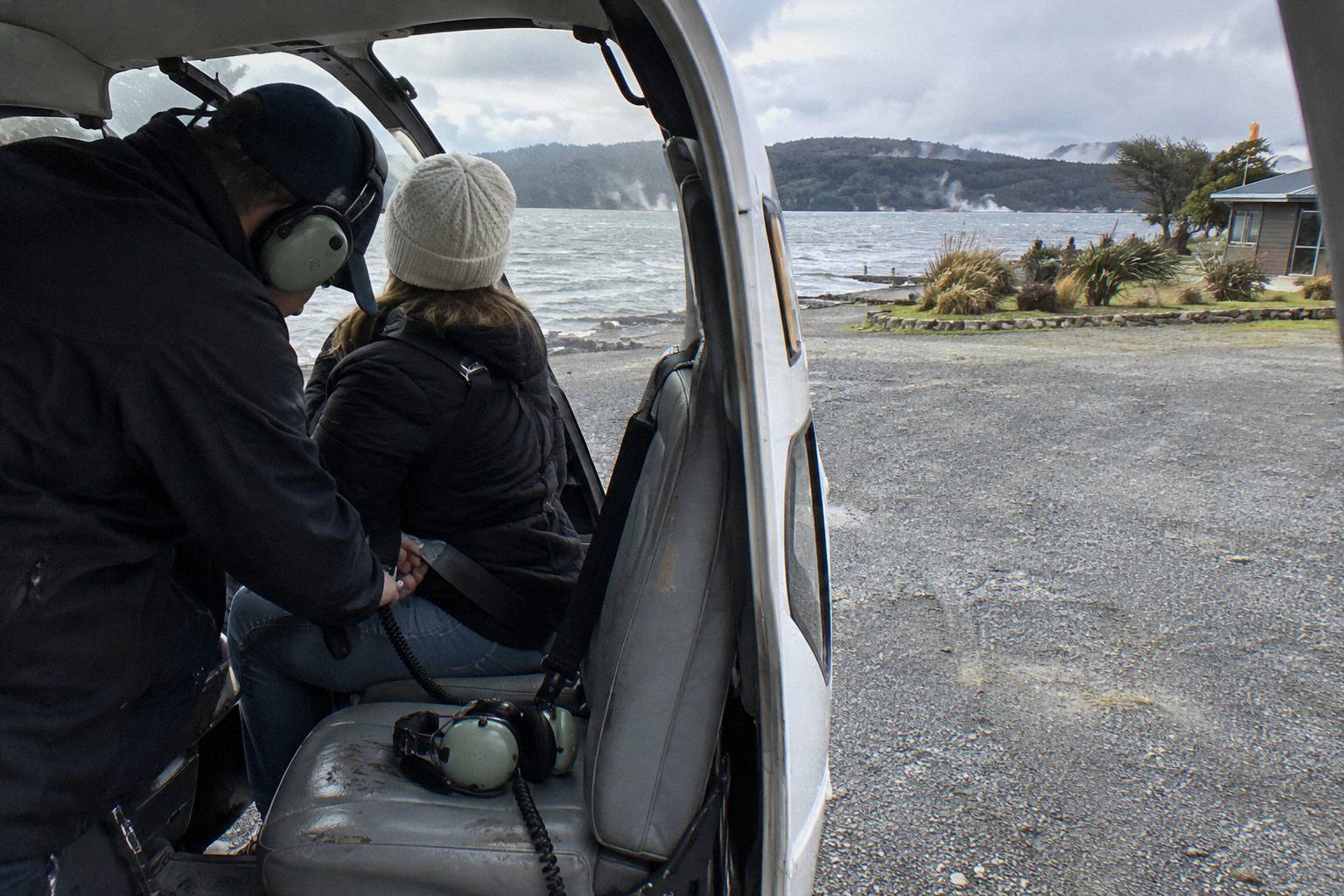
Arrive at the Lakefront office 30 minutes before a helicopter flight or 20 minutes before a floatplane for the safety briefing, follow the crew's directions on seating, and keep your eyes on the horizon rather than a phone screen once airborne. The operator suggests a jacket, sunglasses and a camera, with closed-toe footwear for flights with landings. Declaring your weight accurately at booking avoids day-of disruptions.
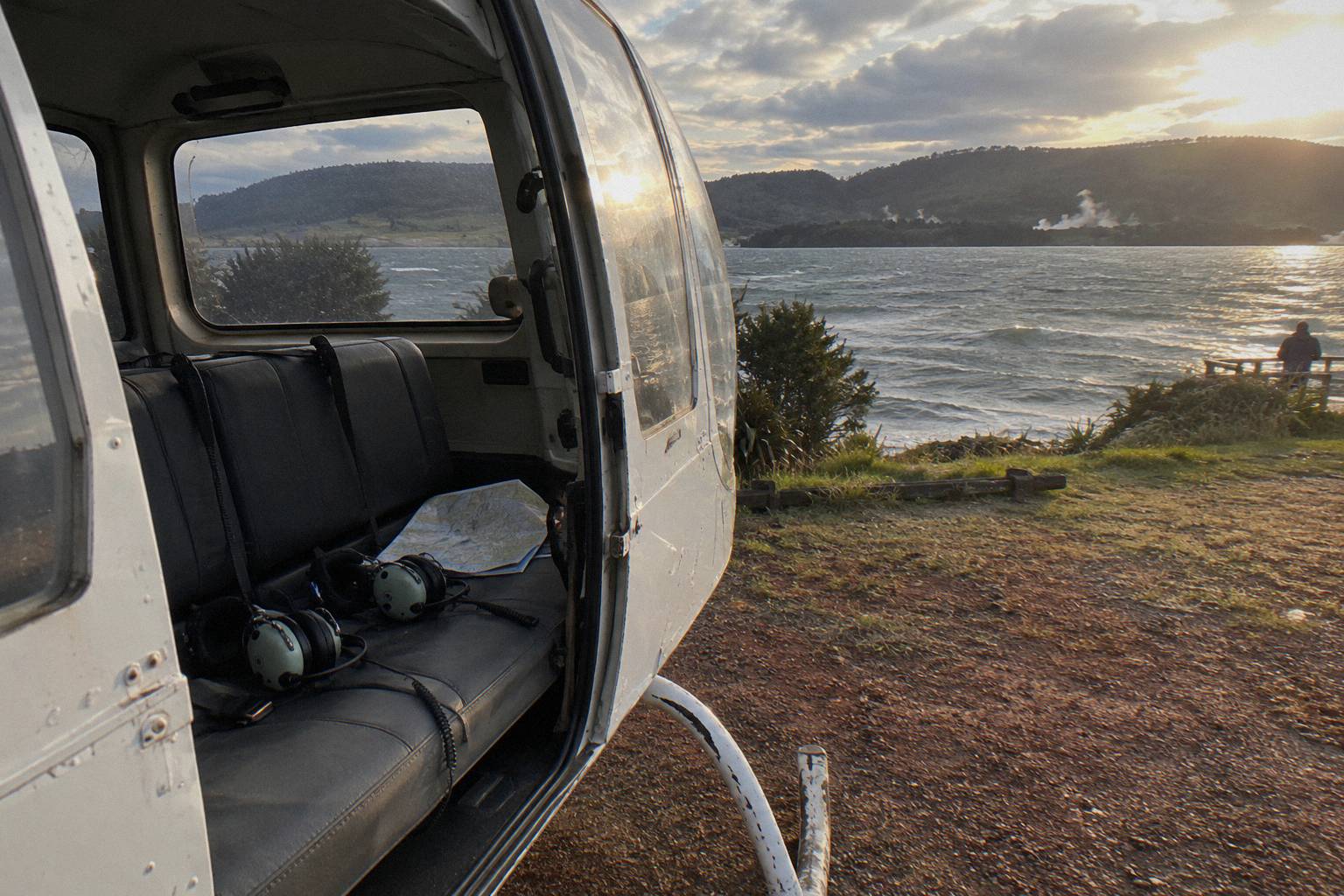
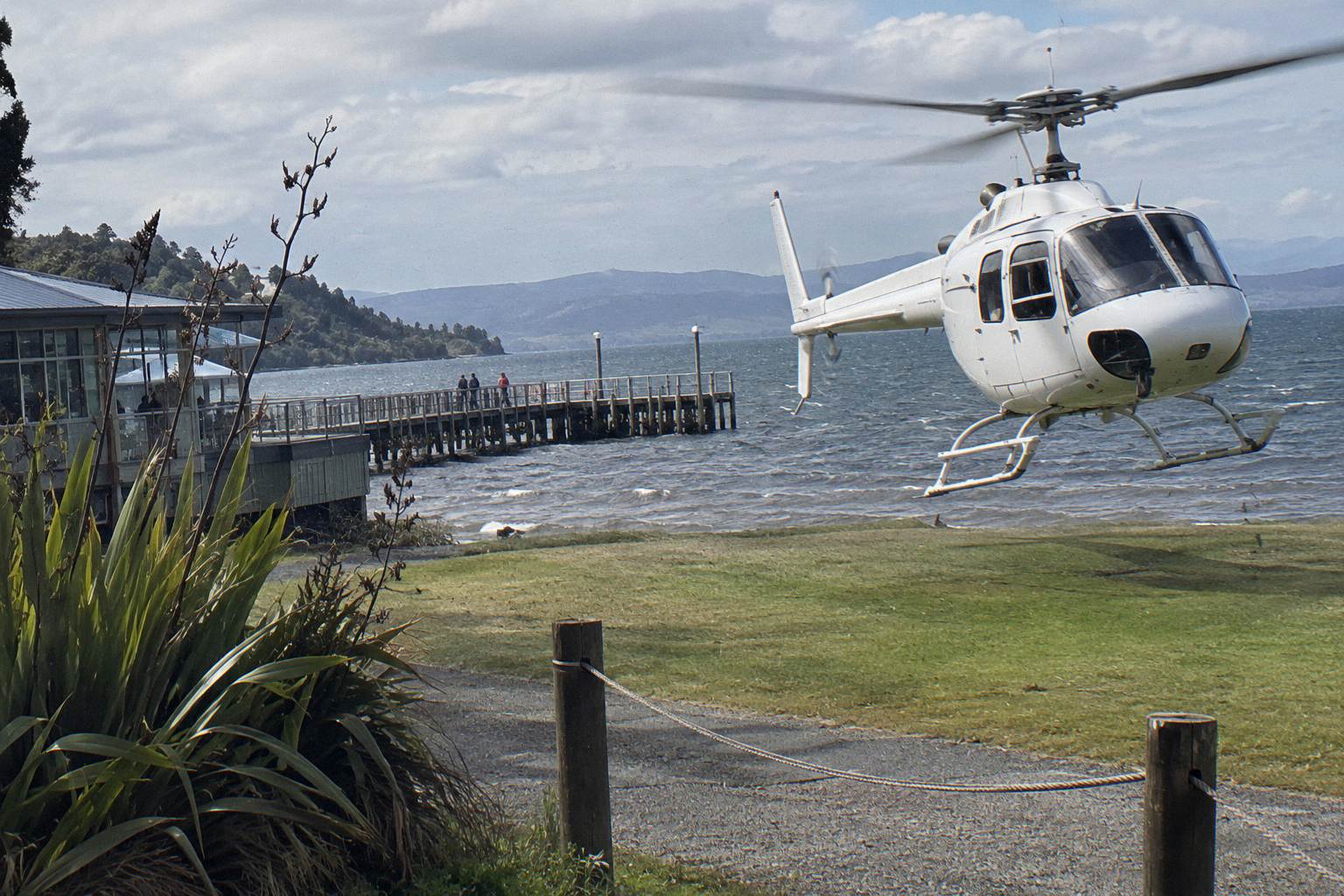
The meeting point is the Rotorua City Lakefront at 1 Lakefront Drive, Rotorua, under 1 km from the town centre, so there is no long transfer to sit through before you fly, and hotel pickup is not part of standard flights, only bespoke charters. Helicopters and floatplanes both leave from the Lakefront, with floatplanes taking off from Lake Rotorua itself at the lakefront pier. Getting there is covered in how to get to Rotorua for a helicopter flight.
A few practical habits that are simply good sense for small aircraft, not medical claims: look at the horizon and the lakes below rather than reading or scrolling; tell the crew before departure if you feel anxious, since they brief flights constantly and can talk you through the sounds and sensations; and dress so you are neither overheating nor shivering, because both make everything feel worse. The operator's FAQ also addresses pregnancy and mobility directly: neither is automatically a barrier, but both should be raised when booking, and anyone pregnant should talk to a maternity carer, especially from 28 weeks. More on that is in whether a helicopter tour is safe.
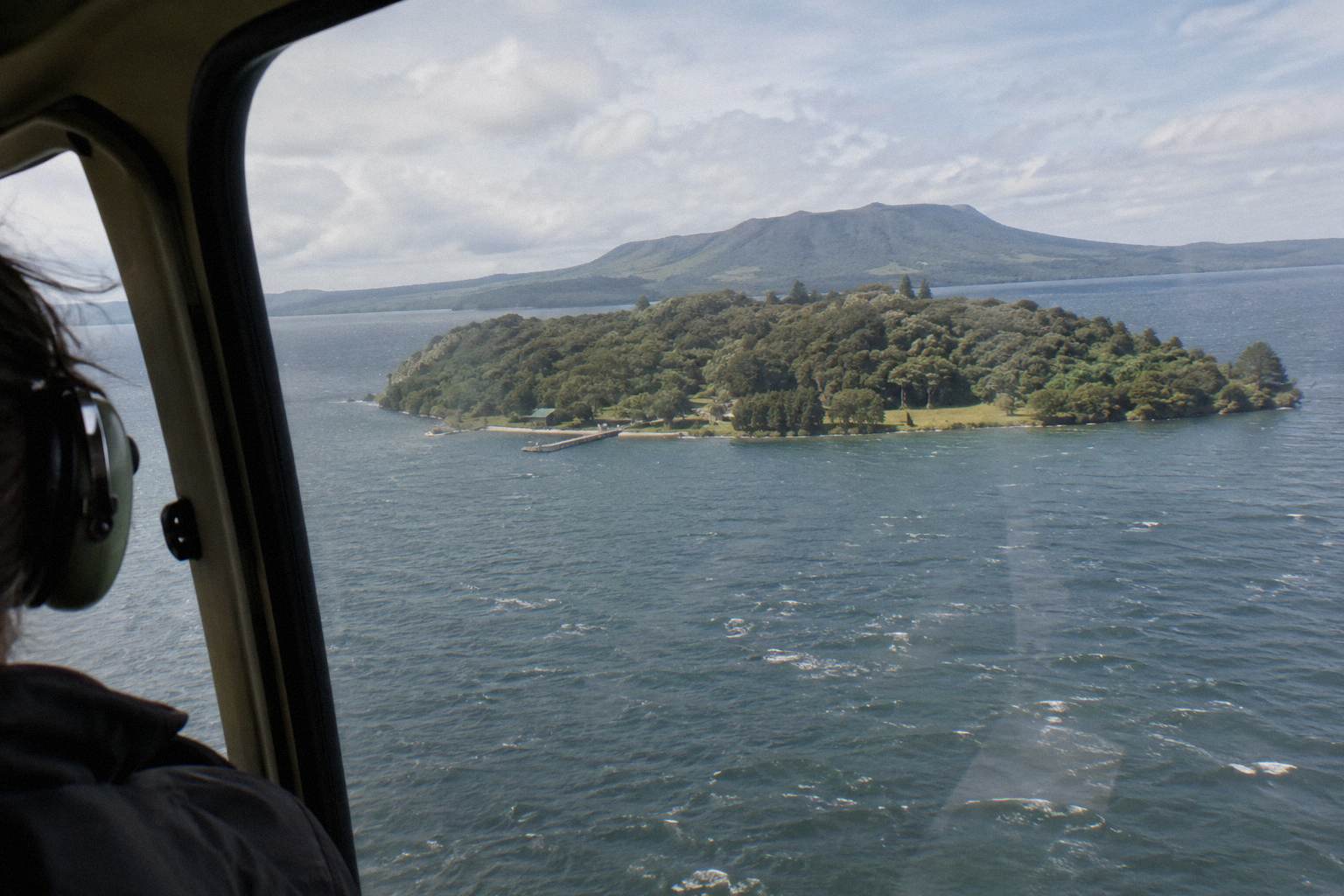
What Happens If Weather Cancels Or Delays Your Flight?
If your flight cannot go ahead because of weather, the operator will work with you to reschedule or provide a full refund, and its terms commit to a full refund when it cancels before commencement for circumstances beyond its control, including weather and volcanic activity. On listed trips, free cancellation up to 24 hours in advance applies to your own changes. The trip will not go ahead if it is not safe or if the views cannot be seen.
That last point deserves emphasis because it removes most of the risk of booking ahead. You are not gambling your fare against the weather: a weather cancellation by the operator ends in a reschedule or a full refund, and your own change of plans more than 24 hours out costs nothing on the listed trips. The full flow, including what the 24-hour window means in practice, is in what happens if a Rotorua helicopter flight is cancelled for weather, and the broader picture is in the Rotorua helicopter weather guide.
For readers deciding between aircraft types, the helicopter versus floatplane comparison walks through the differences; floatplanes take off from the water, which some find gentler and others find splashier, and there is no verified local data to declare a winner for sensitive stomachs.
If a full day appeals and the length does not worry you, the "Geothermal Park Landing, 3 Hours" trip pairs the Tarawera summit with Orakei Korako, from NZ$1,490 per person with free cancellation up to 24 hours ahead. Its length is exactly the tier a motion-wary flyer should think twice about before booking.
Helicopter Or Hike: Does Avoiding The Aircraft Mean Avoiding The Problem?
Not necessarily. The road to the Tarawera area is itself winding, and independent summit access is not permitted: access is through authorised guided tours or approved helicopter landings. So the choice is not between a flight and a free solo climb, it is between a flight and a guided ground experience, each with its own motion profile. A helicopter flight replaces roughly an hour of that ground motion with about 40 minutes of smooth, high-altitude flight.
The context that frames every Tarawera decision: the mountain erupted on the night of 10 June 1886, opening what GNS Science describes as a 17 km rift across the mountain top, through Lake Rotomahana and into the Waimangu Valley area, killing more than 100 people in nearby villages and burying the famous Pink and White Terraces. NZ History records the eruption and the fate of Te Wairoa, the village now known as the Buried Village, and GeoNet covers the Okataina volcanic centre that contains Tarawera. The summit stands 1,111 m, with Ruawahia the highest of its three domes.
Access today runs through concessionaires: Ruawahia 2B Trust governs the mountain and reinvests most tourism concession revenue in conservation, with Volcanic Air operating as a concessionaire alongside Ngati Rangitihi, who hold kaitiakitanga of the maunga. That is why the landing flights exist at all, and why the operator's Tarawera landing page describes a summit landing with a 15 minute guided walk, always at the pilot's sole discretion. The trade-off between the two ways up is compared properly in whether a helicopter flight is better than a hike up Mount Tarawera.
What Mistakes Do Nervous Flyers Make When Booking?
The common missteps are booking the longest trip first, scheduling a flight on the last day of a short stay, declaring an optimistic weight, and treating a landing as certain. Long trips give discomfort the most time to build; a last-day booking leaves no room to reschedule after weather; an inaccurate weight declaration can derail check-in; and every Tarawera landing is at the pilot's sole discretion. Flip each one and the risk largely disappears.
Start with the "Crater Lakes By Helicopter, 15 Minutes" flight if motion is your worry, then graduate. Book in the first half of your stay so the reschedule path stays open, since the operator reschedules or refunds when weather blocks a flight but a fully-booked departure the next day cannot always absorb you. Declare weight honestly, bring the jacket, sunglasses and closed-toe footwear the operator suggests, and read what to wear on a helicopter flight rather than guessing. And keep expectations straight on Whakaari: official guidance confirms landings on the island are suspended, so no listed flight offers an island touchdown regardless of what you may have read elsewhere; the current volcanic status is always on GeoNet's Whakaari page.
Common Questions About Feeling Queasy In The Air
Do You Get Motion Sick On A Helicopter Flight Over Rotorua?
You can, as on any small aircraft, but the local flights are short, 15 to 40 minutes for most scenic options, which limits the time discomfort has to build. Mornings often bring the calmest air. No verified local motion sickness figures exist, so treat any confident percentage you read elsewhere with suspicion.
Which Rotorua Flight Is The Shortest?
The 15-Minute Crater Lakes Flight by Helicopter from Rotorua, 15 minutes total with no landing, matched by a 15-minute floatplane version. Both are natural trial runs for anyone unsure how they will handle a small aircraft.
Does The Floatplane Feel Different From The Helicopter?
Floatplanes take off from and land on water, departing from the lakefront pier on Lake Rotorua, while helicopters lift from the Lakefront pad. There is no verified data saying one causes less motion sickness than the other; the choice usually comes down to route and price.
Can I Reschedule If I Feel Unwell On The Day?
Listed trips carry free cancellation up to 24 hours in advance for a full refund, so a same-day change falls outside that window. Weather-driven cancellations by the operator end in a reschedule or full refund. If you feel unwell before departure, talk to the crew at check-in.
Do Children Get Motion Sick More Easily?
There is no verified local data on children and motion sickness on these flights. Children of all ages are welcome; under 2s sit on a lap, child rates apply for 2 to 11, and on the Tarawera landing flight ages 2 to 11 pay 75% of the adult fare.
Does Pregnancy Stop Me From Flying?
The operator's FAQ says pregnancy is not automatically a barrier; it depends on weeks, whether the pregnancy is uncomplicated, and the flight. Talk to a maternity carer, especially from 28 weeks, and give the operator your due date when booking.