How Far In Advance Should I Book A Rotorua Helicopter Flight?
Practical booking timing advice for a Rotorua helicopter or floatplane flight, built on the operator's weather, cancellation and season facts.
In short: No published booking-lead figure exists for Rotorua helicopter flights, so treat that gap as the starting point rather than inventing a number. What is documented: the operator flies daily in all months of the year during daylight hours, every flight is subject to suitable weather, and the booked listings carry free cancellation up to 24 hours in advance for a full refund. Booking early buys date choice; the 24 hour window buys flexibility.
For wider trip context, see the planning coverage at Rotorua Helicopter Tours, and for what a summit landing involves, the Mt Tarawera helicopter landing guide goes deep on the access rules.
| Quick Fact | Detail |
|---|---|
| Operator | Volcanic Air, based at the Lakefront, 1 Lakefront Drive, Rotorua |
| Flying since | 1992 |
| Operation | All months of the year, daylight hours |
| Check-in | Helicopters 30 minutes prior, floatplanes 20 minutes prior |
| Booked cancellation terms | Free cancellation up to 24 hours in advance |
| Weather policy | Reschedule or full refund if the operator cancels |
There is no published booking-lead time in the operator's material or the flight listings, so no specific number of days or weeks can be confirmed. Rather than guess at an advance window with no source behind it, the honest answer is that the available information simply does not say, and this absence of a stated lead time shapes everything that follows in this section. Rather than guess a number of days or weeks, work from the facts that do exist: the operator runs flights daily in every month of the year, during daylight hours, which means departures are not confined to a narrow season. Every flight remains subject to suitable weather and safe flying conditions. Booked flights carry free cancellation up to 24 hours in advance for a full refund, which tilts the practical advice toward booking ahead with confidence rather than waiting.
Why does the honest answer start with an absence? Because booking-lead questions usually hide a different worry. Travellers ask how far ahead to book when they really want to know whether the flight will sell out, whether the date they want will exist, and what happens if the mountain is clouded over on the day. No claim about flights selling out can be made from anything published here, so nothing of the sort will be printed. What can be built is a decision framework from the documented facts: daily operation all year, a weather-dependent product, and a 24 hour free-cancellation window on booked flights.
The framework lands on three moves. First, book as early as your itinerary firms up, because the only documented cost of early booking is none, thanks to the 24 hour cancellation window. Second, leave a fallback day in Rotorua if the schedule allows, because weather, not demand, is the documented risk to any single departure. Third, if your dates are fixed and tight, the floatplane and flyover options give you more weather-tolerant alternates than a summit landing does, since a landing adds terrain and wind considerations on top of flying conditions.
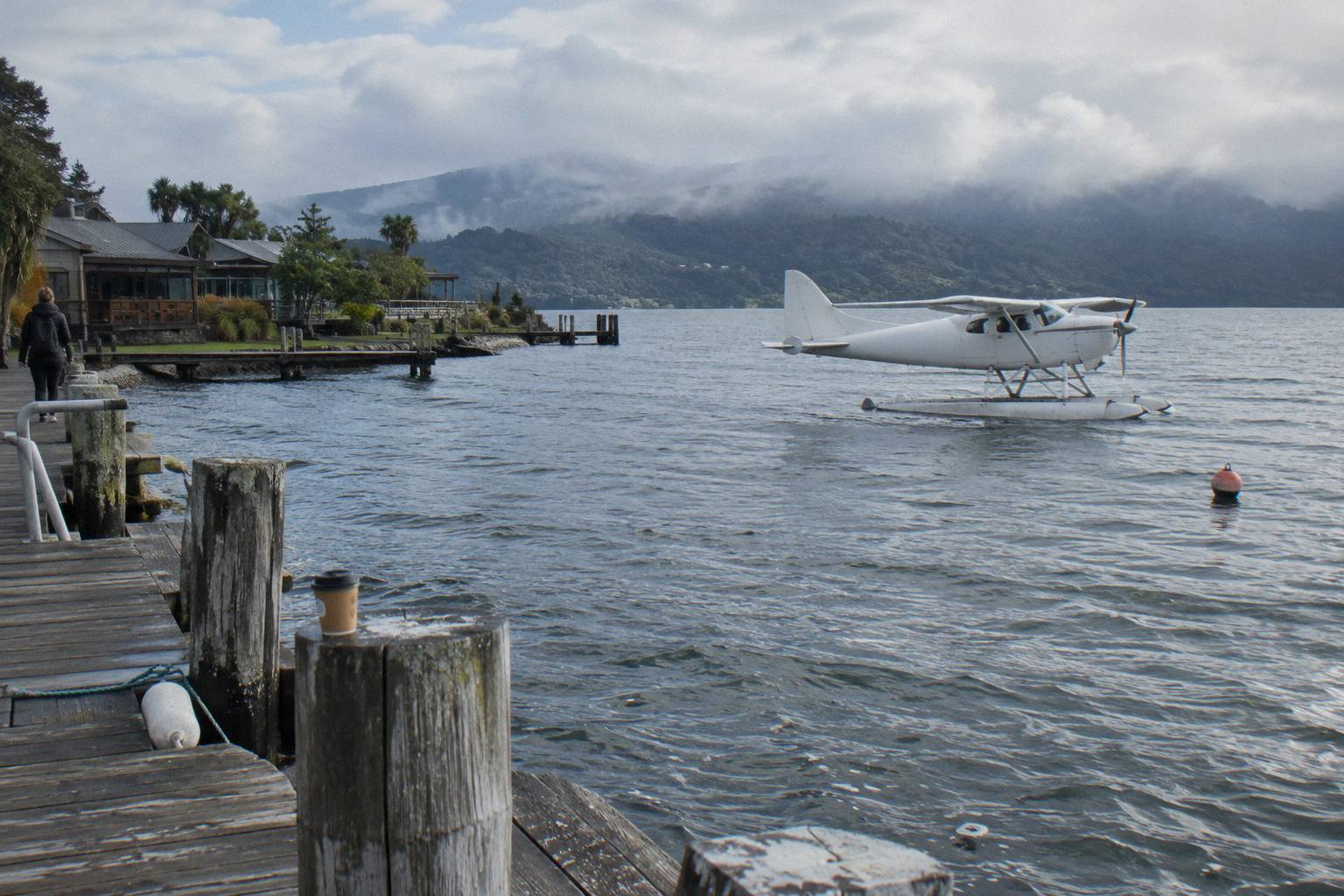
Among the flights worth considering early, the Mt Tarawera Helicopter Tour with Volcano Landing pairs a flight over the rift with a summit landing and guided walk, and the Scenic Floatplane over Mt Tarawera and Waimangu Valley offers a 30 minute flyover alternative. There is also the Helicopter Landing, Guided Summit Walk option at 40 minutes total.
Each of those three answers a different version of the same question. The Volcano Landing tour is the full summit experience and carries a 4.9 rating from 43 reviews, the largest review pool on the roster. The scenic floatplane is the shortest, lowest-commitment route to seeing Tarawera and Waimangu from above, from NZ$395 per person. The guided summit walk version compresses the whole experience into about 40 minutes total. All amounts are New Zealand dollars.
What Actually Affects How Early You Need To Book?
How early you need to book a Rotorua flight comes down to three documented factors rather than any published sell-out deadline: seasonal weather patterns that shift demand, the 24 hour free-cancellation window that shapes how flexible your plans can be, and how rigid or adaptable your own itinerary is once you commit to travel dates. Weather governs whether any departure runs at all, with the operator stating plainly that all flights operate subject to suitable weather and safe flying conditions. The cancellation window means an early booking is reversible until 24 hours before departure. Your itinerary rigidity, meaning whether you have spare days in Rotorua, determines how much a weather reschedule would cost you in practice.
Weather is the factor people underestimate. Rotorua sits inside a volcanic landscape where the operator's own terms list fast changing weather among the natural hazards of these flights. The listing for the scenic Tarawera and Waimangu flight says it directly: the tour is weather dependent and will not go ahead if it is not safe or if the views cannot be seen. That wording matters for booking timing, because it means the value of the product depends entirely on conditions on the day, and a booking made months ahead is really an option on good weather.
The operator's published weather policy is generous when conditions force a cancellation: if a flight cannot go ahead due to weather, the operator will work with you to reschedule or provide a full refund, and the terms confirm a full refund when the operator cancels before commencement for circumstances beyond its control, including volcanic activity. So the downside of booking early and losing the day to weather is a refund or a new date, not a lost payment. The operator's FAQ page states the reschedule-or-refund commitment in full.
Your own rigidity is the part only you can assess. A traveller with four nights in Rotorua can absorb a rescheduled flight easily. A traveller flying out the next morning cannot. If your schedule has no slack, book the earliest daylight departure available on your day, since the operator notes mornings often give the calmest weather and smoothest flying, and keep the rest of the day open as a fallback.
Should you lock in the summit landing now? The Mt Tarawera Helicopter Tour with Volcano Landing keeps free cancellation up to 24 hours ahead.
Another timing factor worth naming is check-in. Helicopter passengers check in 30 minutes before departure and floatplane passengers 20 minutes before, at the Lakefront office, for a full safety briefing. That is not a booking-lead issue but it affects which departure slot you choose: an early slot means an early morning at 1 Lakefront Drive, which is under 1 km from the Rotorua city centre, so walking distance for most central accommodation.
Does The Time Of Year Change Your Booking Timing?
Yes, seasonal shifts in Rotorua's rainfall and daylight can change when you should book, since wetter months raise the chance of weather-related flight delays and shorter winter days reduce the usable departure hours for sightseeing flights, so booking earlier in the day during those seasons gives you a backup window if conditions turn poor. The operator flies in all months of the year during daylight hours, so winter flights absolutely exist, but winter days compress the flying window and July carries the highest monthly rainfall on the 1991 to 2020 normals. The driest and warmest weather runs from late spring, October, into early autumn, April, per Rotorua's official visitor information.
| Month | Rainfall (mm, 1991 to 2020 normals) | Booking implication |
|---|---|---|
| November | 86.8 | Driest month on the normals; good odds, book normally |
| October | 92.9 | Late spring opens the drier half of the year |
| January | 93.8 | Peak summer; comfortable window |
| February | 100.4 | Warm, still inside the drier season |
| September | 106.6 | Transitional month |
| December | 117.1 | Busy season begins, wetter than spring |
| July | 137.4 | Wettest month; keep a fallback day |
Read that table as a risk map rather than a forecast. Any single day in July can be perfectly clear, and any November day can cloud over; these are 30 year averages, not a promise about your week. What the numbers do support is the shape of the advice: in the October to April window, a flight booked a few days out with a same-week fallback has good documented odds. In the May to August window, the fallback day matters more, and booking the earliest departure is smarter because mornings are calmer. Rotorua's official weather note confirms the late spring to early autumn pattern.
Daylight hours are the other seasonal lever. Because business hours are daylight hours, a midwinter flight day offers fewer possible departure slots than a summer one, and the earliest slot is the one the operator associates with the calmest conditions. In summer, an afternoon slot becomes a reasonable second choice, with the operator noting afternoon flights can offer warmer temperatures and late-day colour, especially in winter.
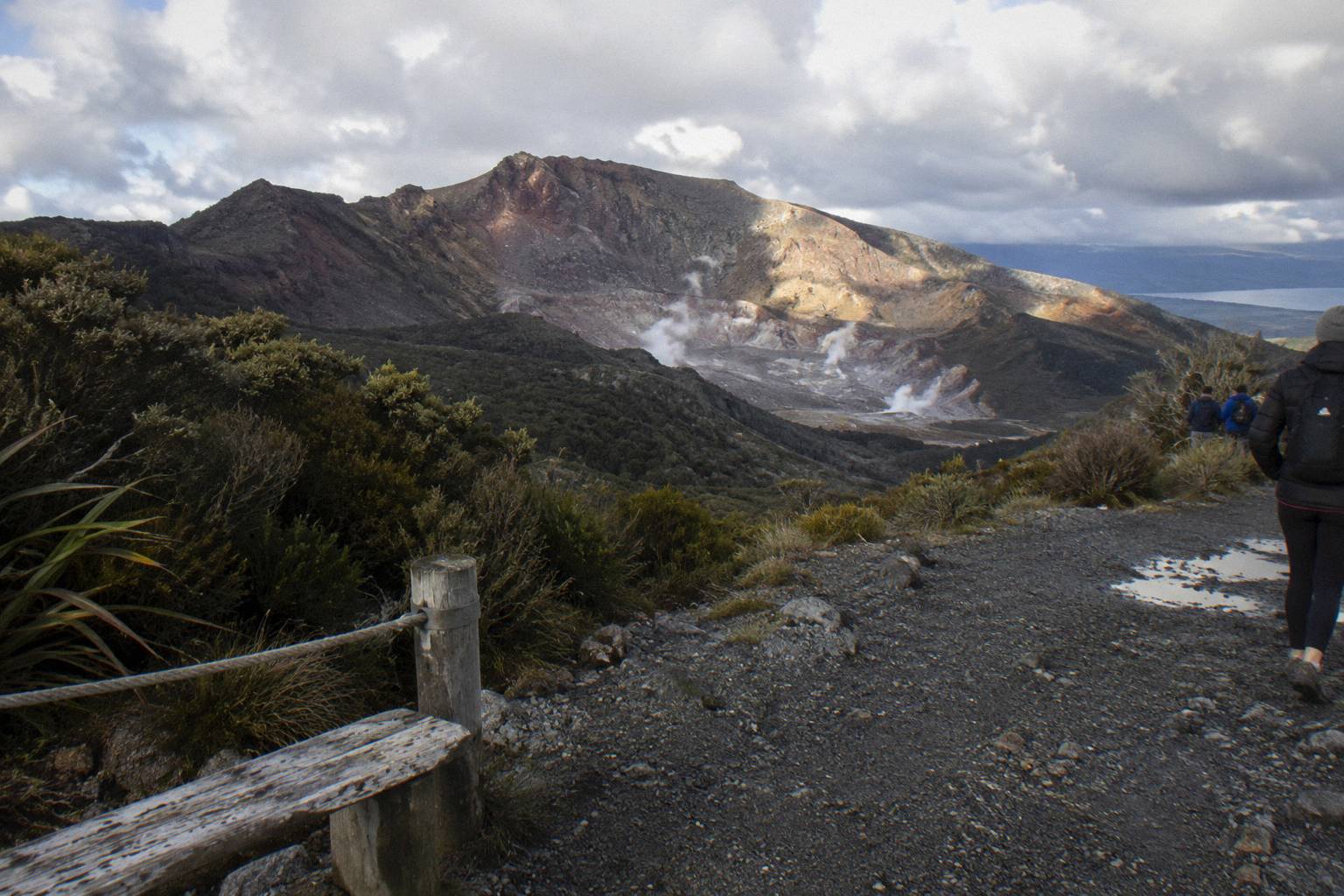
Season also changes what you are booking. The crater lakes flights, over Rotoiti, Okataina, Tarawera, Okareka, Rotomahana, Rotokakahi and Tikitapu among others, read differently under winter light than in summer haze, but no view of any lake is guaranteed on any given flight. The booking decision stays the same in every season: pick your date, take the morning slot, and hold the 24 hour cancellation window as your escape hatch.
What Happens If Weather Cancels Your Booked Flight?
If weather cancels your booked flight, the operator's policy is to reschedule you onto another flight or refund your payment in full. Because that cancellation backstop is documented in the operator's policy, booking early carries little risk, since you either fly as planned or recover your money rather than losing it to conditions outside your control. The FAQ states it plainly: all flights operate subject to suitable weather and safe flying conditions, and if a flight cannot go ahead due to weather, the operator will work with you to reschedule or provide a full refund. The terms extend the same principle to volcanic activity, refunding in full when the operator cancels before commencement for circumstances beyond its control.
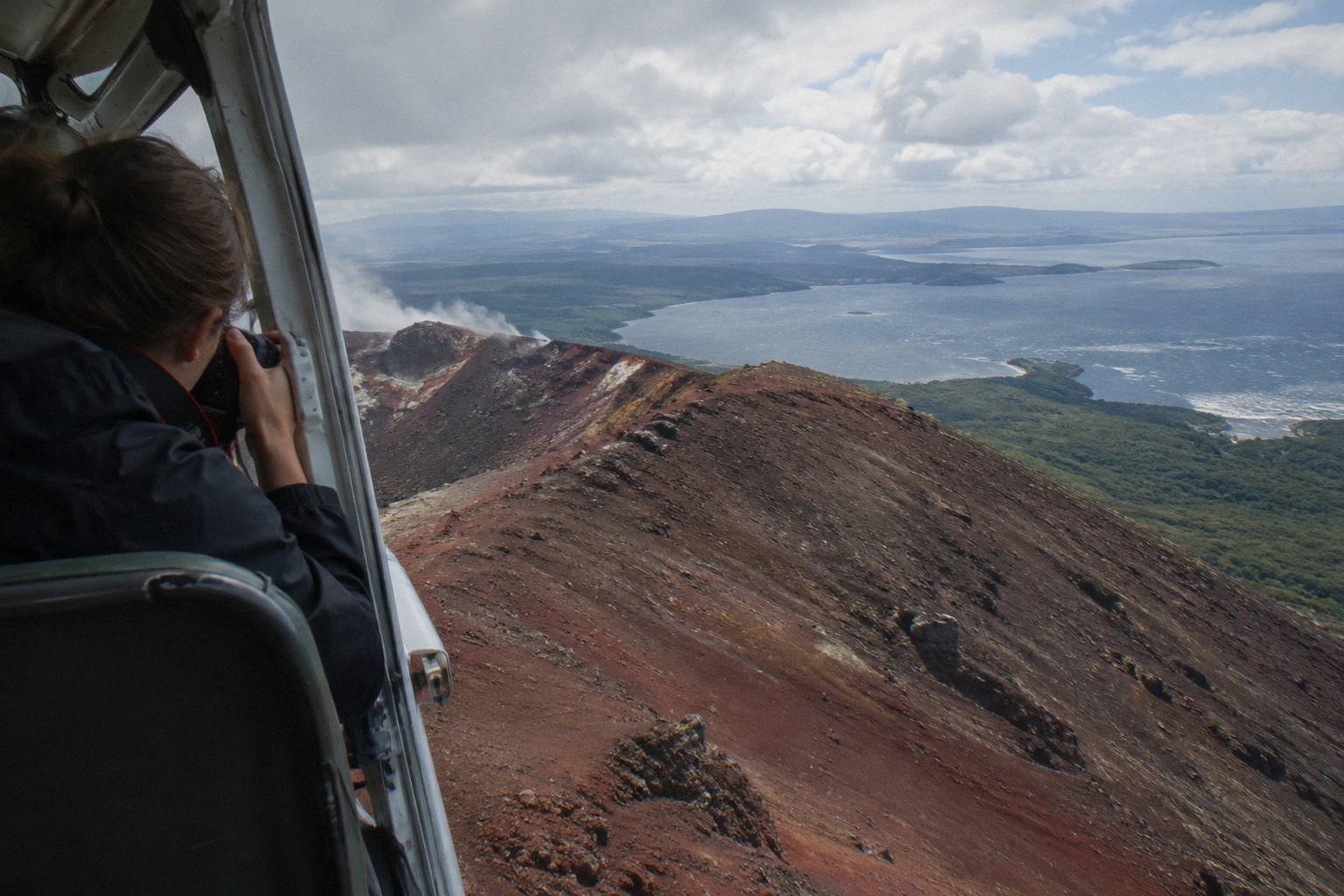
That policy converts the booking question from "what if the weather is bad" into "do I have room in my schedule for a reschedule". A refund is certain if the flight never leaves the ground. A reschedule needs a spare morning or afternoon. So the practical rule is to book as far ahead as you like, and to protect one alternate half-day in Rotorua for the flight, ideally the day after your first choice, in case the first attempt is scrubbed.
The same logic applies to landing flights with extra force. For the helicopter trips that land on Mt Tarawera, the operator's wording is explicit that tour duration, flight times and inclusions may vary due to weather conditions, volcanic activity and passenger loadings, and that excursion landings are undertaken at your own risk and at the pilot's sole discretion. A landing is never a sure thing even when the flight itself runs. That is a reason to book the landing tours with a little more schedule slack behind you, not a reason to avoid them.
Longer combos deserve the same treatment. The Volcano Landing and Geothermal Park Helicopter Tour runs about 3 hours and touches both the Tarawera summit and Orakei Korako, from NZ$1,490 per person. A three-hour weather window is harder to find than a 15-minute one, so if a long combo is the goal, an early booking plus a fallback day is the sound pattern.
For a full picture of the operator's rules on weight, children, pregnancy and mobility, all of which can affect whether a booking proceeds as planned, see the Rotorua helicopter weight limits guide.
Can You Book Last Minute Or Change Dates?
Yes, within limits. Nothing published forbids booking at the last minute, but nothing published guarantees one either, so the honest framing is this: late booking may work, yet it trades away date flexibility and certainty without offering any published benefit in return, meaning you should plan for the possibility that your preferred dates simply will not be available when you finally decide. Because no booking-lead facts exist in anything sourced here, no claim can be made that flights need X days' notice or that same-day bookings are accepted. What is documented is that free cancellation up to 24 hours in advance comes with the booked listings, which means a date change made more than 24 hours out costs nothing on those terms.
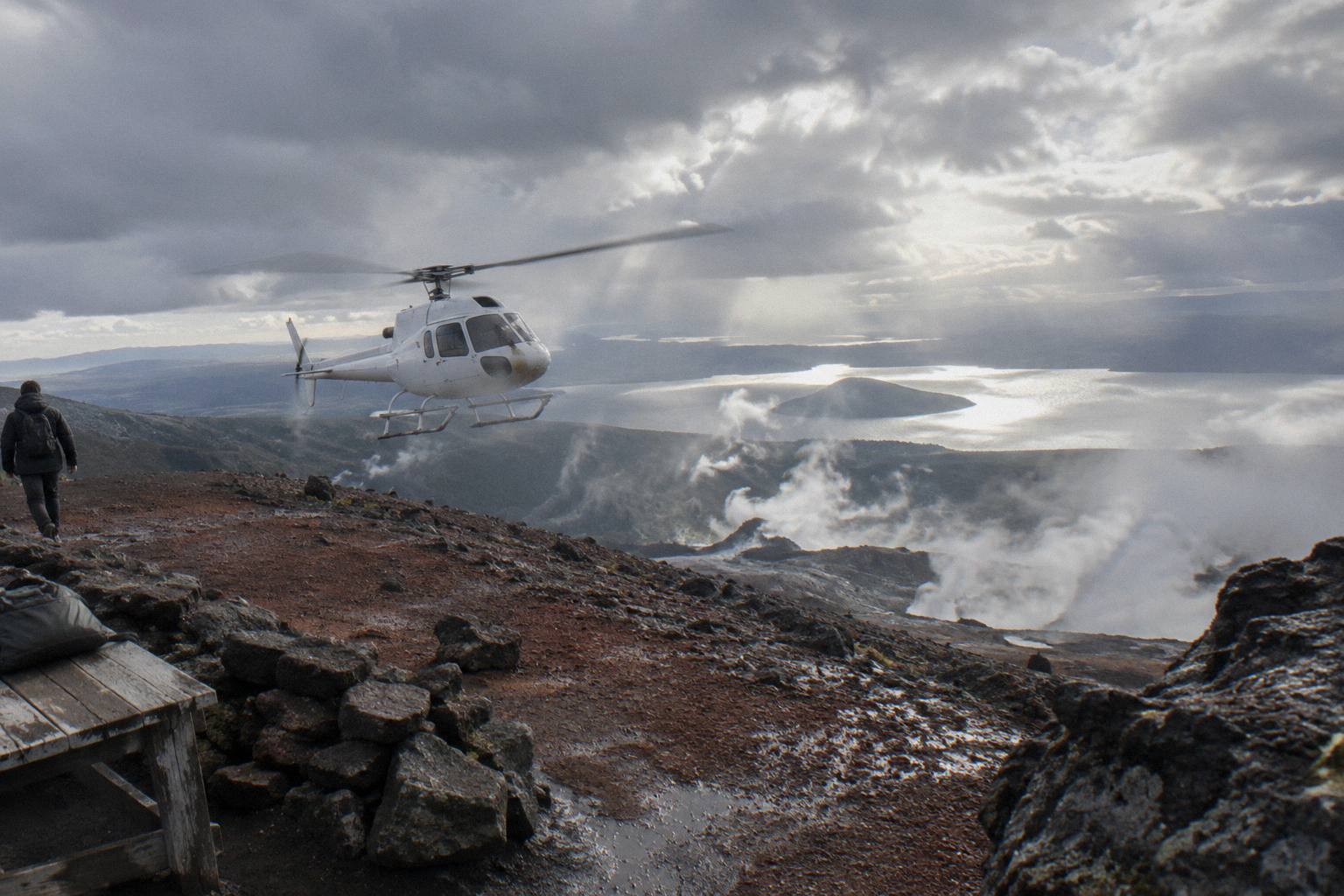
That 24 hour line is the real boundary in the whole booking question. Before it, changes are free. After it, the booking is committed under the booked terms. So the useful mental model is not "book two weeks ahead" but "decide before the 24 hour mark, and let that mark do the work of a final weather check". Weather forecasting becomes meaningful inside that final day, which is exactly when your flexibility ends. A traveller who books early and watches the forecast can still walk away free at 25 hours out.
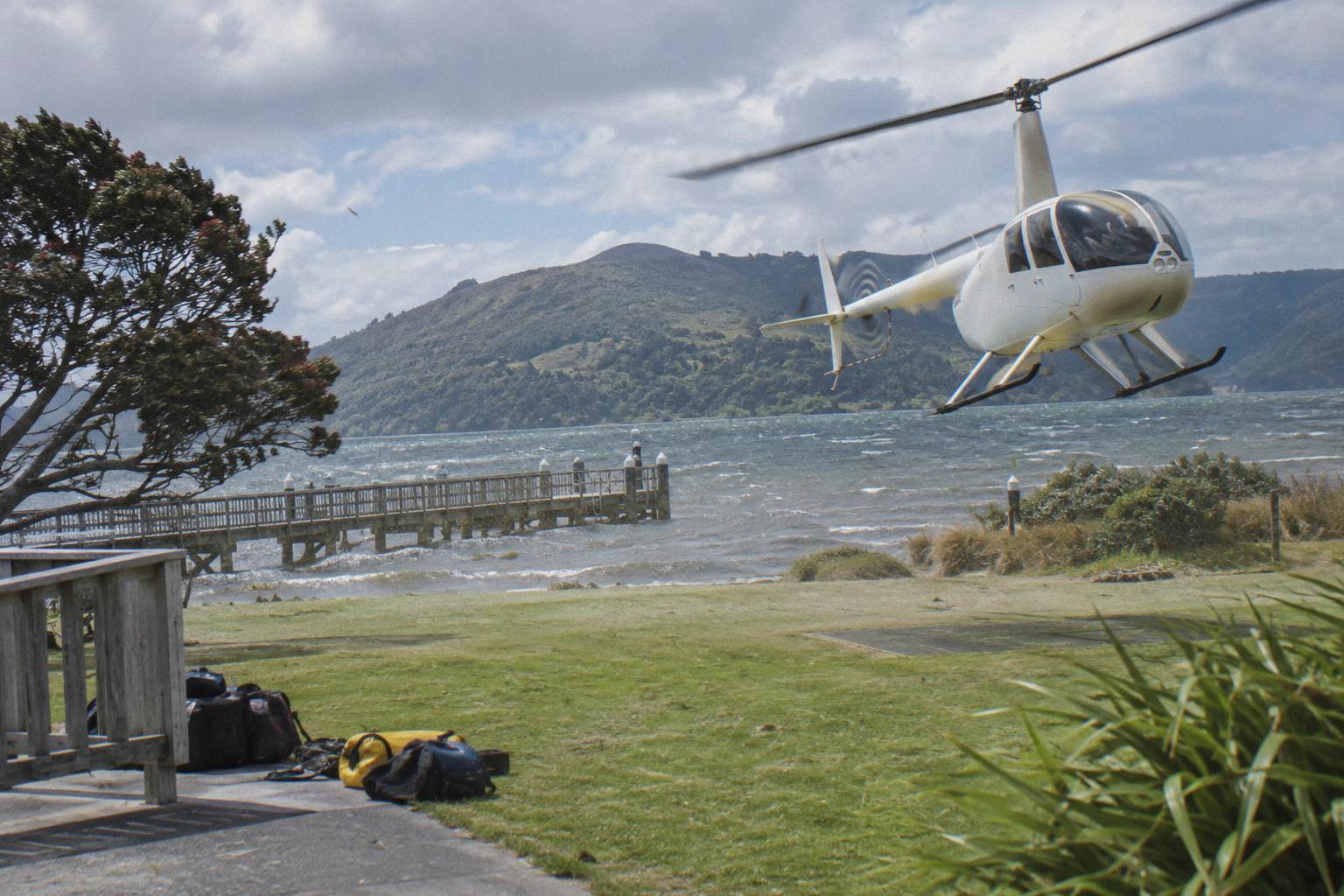
Some practical constraints shape a late booking more than any policy. Passenger weights must be declared at booking, and passengers are weighed on arrival, with the operator reserving the right to reschedule, surcharge or cancel if the declared weight deviates, per the operator's terms and conditions. Over 110 kg a surcharge may apply, and over 135 kg as weighed requires two adult fares. None of that needs extra lead time, but it does need accurate information at the moment of booking, which is easier to give unhurried than at a departure desk 30 minutes before a flight.
Short flights are the natural late-decision products. The 15-Minute Crater Lakes flights by helicopter and by floatplane need no landing window and no extended weather slot. The Floatplane with Orakei Korako Landing runs about 2 hours total and lands on the Waikato River, from NZ$845 per person, a mid-length commitment with a geothermal walk attached.
Family bookings carry one planning detail worth catching early: children of all ages are welcome, under 2s sit on a lap, and child rates apply from ages 2 to 11. On the Tarawera landing flight the operator's page sets a minimum of 2 adult fares, with ages 2 to 11 paying 75% of the adult fare. None of it is a lead-time issue, but a family group with weights, ages and seat balance to declare will move faster through booking with details ready in advance.
Do Different Flights Need Different Lead Times?
Different flights do benefit from different lead times, because a longer flight and a trickier landing demand more weather luck than a short, simple hop. That difference changes how early you should sensibly commit to any single option and how much fallback room you should hold in reserve before locking a plan in. A 15-minute flyover needs a 15-minute gap in the clouds. A 3-hour dual-landing expedition needs a long stable window across two locations, a mountain summit and a river landing. Same booking mechanics, very different risk profiles on the day.
| Flight | Type | Length | Landing | Booking posture |
|---|---|---|---|---|
| Crater Lakes By Helicopter, 15 Minutes | Helicopter | 15 minutes | None | Short window; late booking is workable |
| Scenic Floatplane, Tarawera And Waimangu | Floatplane | 40 minutes total | None | From NZ$395; short weather window |
| Helicopter Landing, Guided Summit Walk | Helicopter | 40 minutes total | Mt Tarawera summit | From NZ$675; hold a fallback morning |
| Helicopter Volcano Landing | Helicopter | Landing tour | Mt Tarawera summit | 4.9 from 43 reviews; fallback day advised |
| Geothermal Park Landing, 3 Hours | Helicopter | 3 hours | Tarawera and Orakei Korako | From NZ$1,490; longest weather window needed |
| Floatplane, Waimangu Included | Floatplane | 2 hours | None | From NZ$1,230; no landing dependency |
The pattern in that table is the core of the answer. Shorter flights with no landing are forgiving: a small weather window suffices and the free-cancellation window covers a change of heart. Longer flights with one or two landings are the ones to book earlier in your planning and to shield with an alternate day, because the operator's own terms put landing decisions at the pilot's sole discretion, and conditions over a mountain summit are less often right than conditions over a lake.
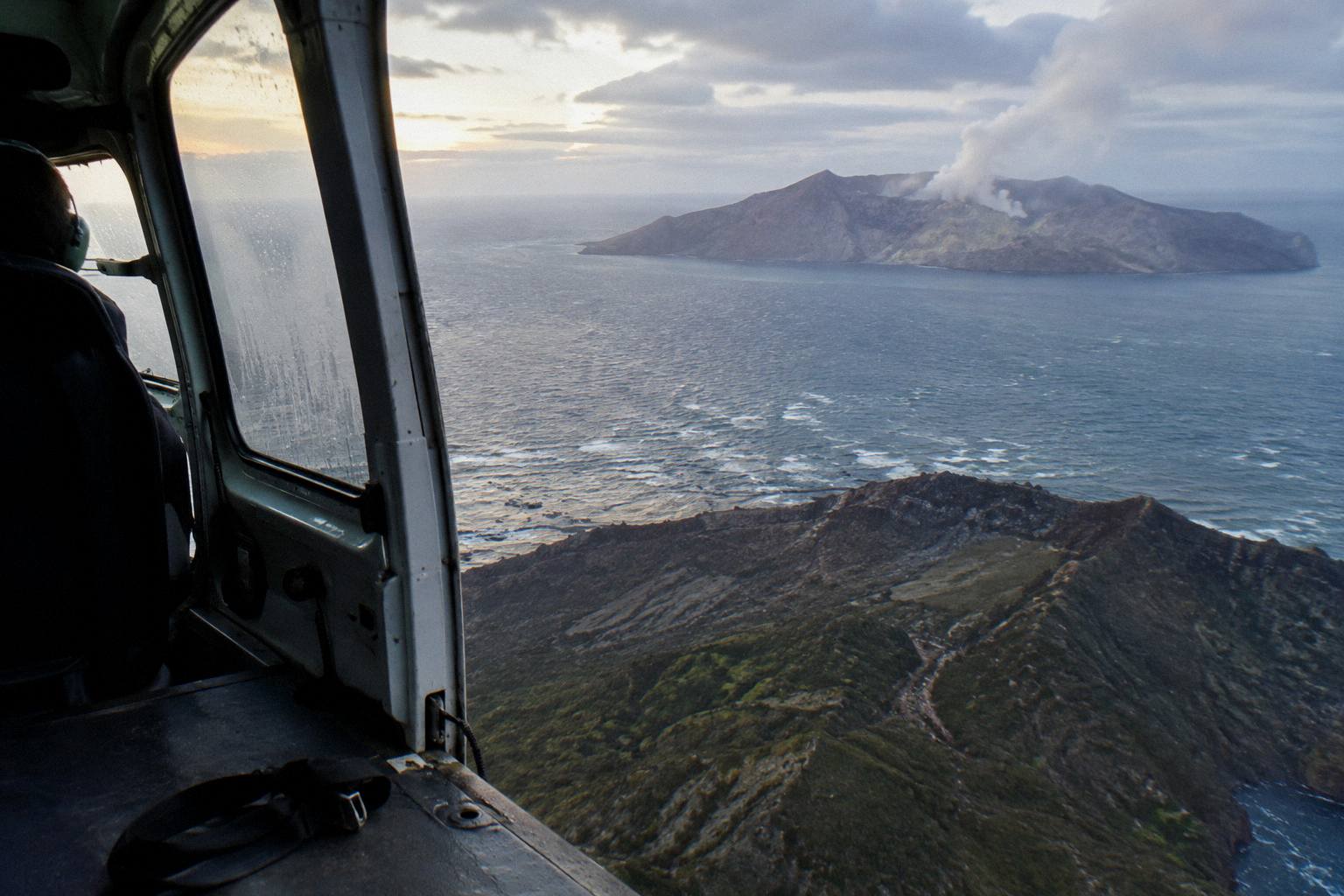
The flyover options to Whakaari deserve a special note on timing. Landings on Whakaari / White Island are suspended, with official New Zealand visitor information stating there are currently no boat tours to, or helicopter flights that land on, the island, so all Whakaari products on the roster are flyovers. Flying 48 km off the Whakatane coast and back is a bigger commitment to a stable weather window than any local flight, so if a Whakaari flyover is on your list, treat it like the long combos: book early, hold a fallback, and check the live volcanic status at GeoNet's Whakaari page before you go.
Common Mistakes When Booking A Rotorua Helicopter Flight
The recurring mistakes are booking a single-day itinerary with no fallback, ignoring the 24 hour cancellation boundary until it has passed, choosing afternoon slots in winter, and booking a landing tour without understanding that landings sit at the pilot's sole discretion. Each mistake costs something different: a scrubbed flight with no room to reschedule, a refund instead of the experience wanted, a bumpier flight than needed, or an expectation the operator never promised. All four are avoidable with one scheduling habit.
First, the single-day trap. A traveller who books a flight for their departure day has no fallback if weather intervenes, and the documented outcome is a refund, not a flight. Put the flight on the first or second full day of the stay, not the last.
Second, misreading the cancellation window. Free cancellation up to 24 hours in advance is the booked terms; inside that line the booking is committed. Treat the final 25th hour as your decision deadline, and pair it with a forecast check.
Third, slot choice. Mornings often give the calmest weather and smoothest flying per the operator's FAQ, and that matters most in winter when afternoon light fades and the daylight-hours operation narrows. Booking the earliest slot costs nothing extra and improves odds.
Fourth, assuming the landing is part of the ticket. For Tarawera flights the operator states that excursion landings are at your own risk and at the pilot's sole discretion, and that durations and inclusions may vary with weather, volcanic activity and loadings. Book the flight knowing the landing is intended, not owed. For the fuller safety picture, see whether a helicopter tour is safe.
Whichever of the three you lean toward, the booking logic above holds unchanged: pick a date with a fallback behind it, take a morning slot, and let the 24 hour free-cancellation window be your safety net while you watch the forecast.
Common Questions About Booking Timing
How Far In Advance Should I Book A Rotorua Helicopter Flight?
No sourced booking-lead time exists, so no number of days or weeks can be printed. The documented framework: flights run daily all year in daylight hours, all flights are subject to suitable weather, and the booked listings carry free cancellation up to 24 hours in advance for a full refund. Book when your dates firm up and hold a fallback day.
Do Rotorua Helicopter Flights Sell Out?
Nothing published here supports any claim about flights selling out, so no such claim is made. What is documented is that the operator flies in all months of the year during daylight hours, with multiple aircraft types, and that check-in is 30 minutes before helicopter departures and 20 minutes before floatplane departures at the Lakefront office.
Can I Cancel Or Change My Rotorua Flight Booking?
Yes, within the booked terms: free cancellation up to 24 hours in advance for a full refund. Inside that window the booking is committed under those terms. If the operator cancels for weather or volcanic activity before the flight commences, the terms provide a full refund, and the FAQ commits to working with you to reschedule or refund when weather stops a flight.
What Time Of Day Is Best To Book For?
Mornings, most of the time. The operator's FAQ says mornings often give the calmest weather and smoothest flying with soft photo light, while afternoons can offer warmer temperatures and late-day colour, especially in winter. There is no hard and fast answer; it depends on the weather that day.
Does The Season Change How Early I Should Book?
It changes the risk, not the mechanics. Rotorua's driest and warmest weather runs from October into April, with November the driest month on the 1991 to 2020 normals at 86.8 mm of rain and July the wettest at 137.4 mm. In the wetter months, a fallback day and an early morning slot matter more.
Is A Summit Landing Guaranteed Once I Have Booked?
No. The operator's Tarawera landing wording states that excursion landings are undertaken at your own risk and are at the pilot's sole discretion, and that tour duration, flight times and inclusions may vary due to weather conditions, volcanic activity and passenger loadings. The flight is booked; the landing is flown if conditions allow.