Proposing On A Helicopter Flight In Rotorua
No dedicated proposal package exists on the Rotorua flight line-up, so a proposal here means choosing the right scheduled flight, timing it around weather, and knowing which rules apply on the day.
Short answer
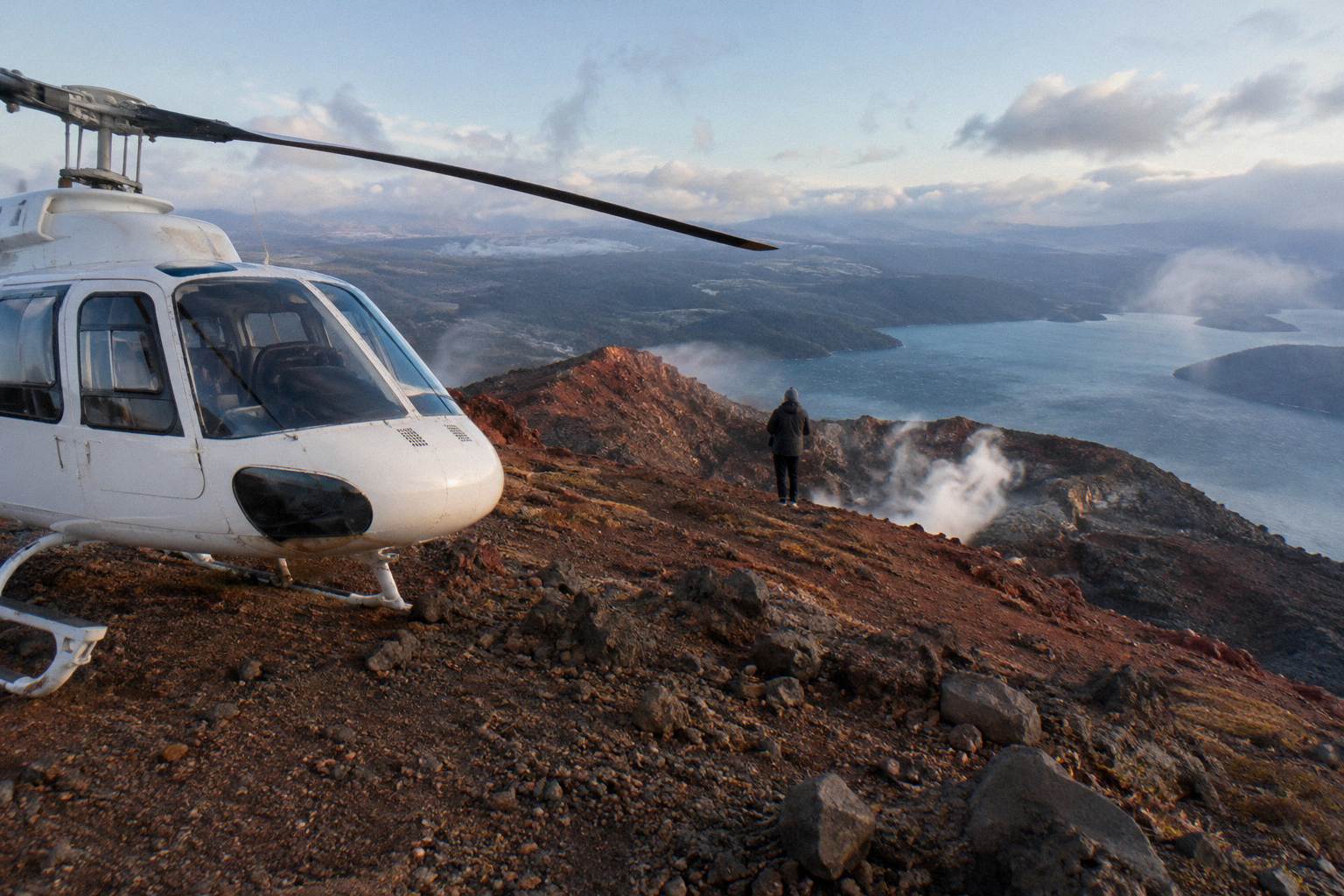
There is no dedicated proposal flight sold in Rotorua. The practical route is to book a scheduled Volcanic Air trip, most often the Helicopter Landing, Guided Summit Walk at from NZ$675 per person, and propose on the mountain or in the air. Landings sit with the pilot's sole discretion, and weather can move a date, so build in a buffer day.
Start with the parent hub on choosing a helicopter ride in Rotorua if the whole decision is new, then come back for the proposal-specific angles.
| Quick fact | Detail |
|---|---|
| Dedicated proposal product | No dedicated product on the Rotorua line-up |
| Best-fit flight type | Tarawera summit landing flights |
| Landing guaranteed | No, pilot's sole discretion |
| Weather policy | Reschedule or full refund if operator cancels |
| Check-in | Lakefront office, helicopters 30 minutes prior |
| Cheapest published fare shown | From NZ$395 per person (scenic floatplane) |
How Does A Helicopter Proposal In Rotorua Actually Work?
A proposal on a Rotorua flight works by borrowing a scheduled trip rather than buying a purpose-built one: you pick a flight whose route or landing suits the moment, book it like any traveller, and time the question to a point in the trip where you have space and a view. Nothing in the line-up is sold as a proposal, and the craft is entirely in the choice of flight and the timing inside it.
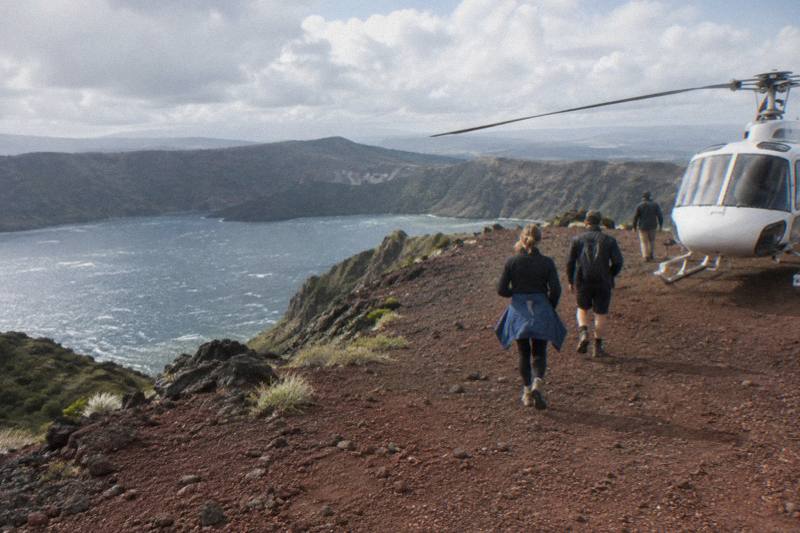
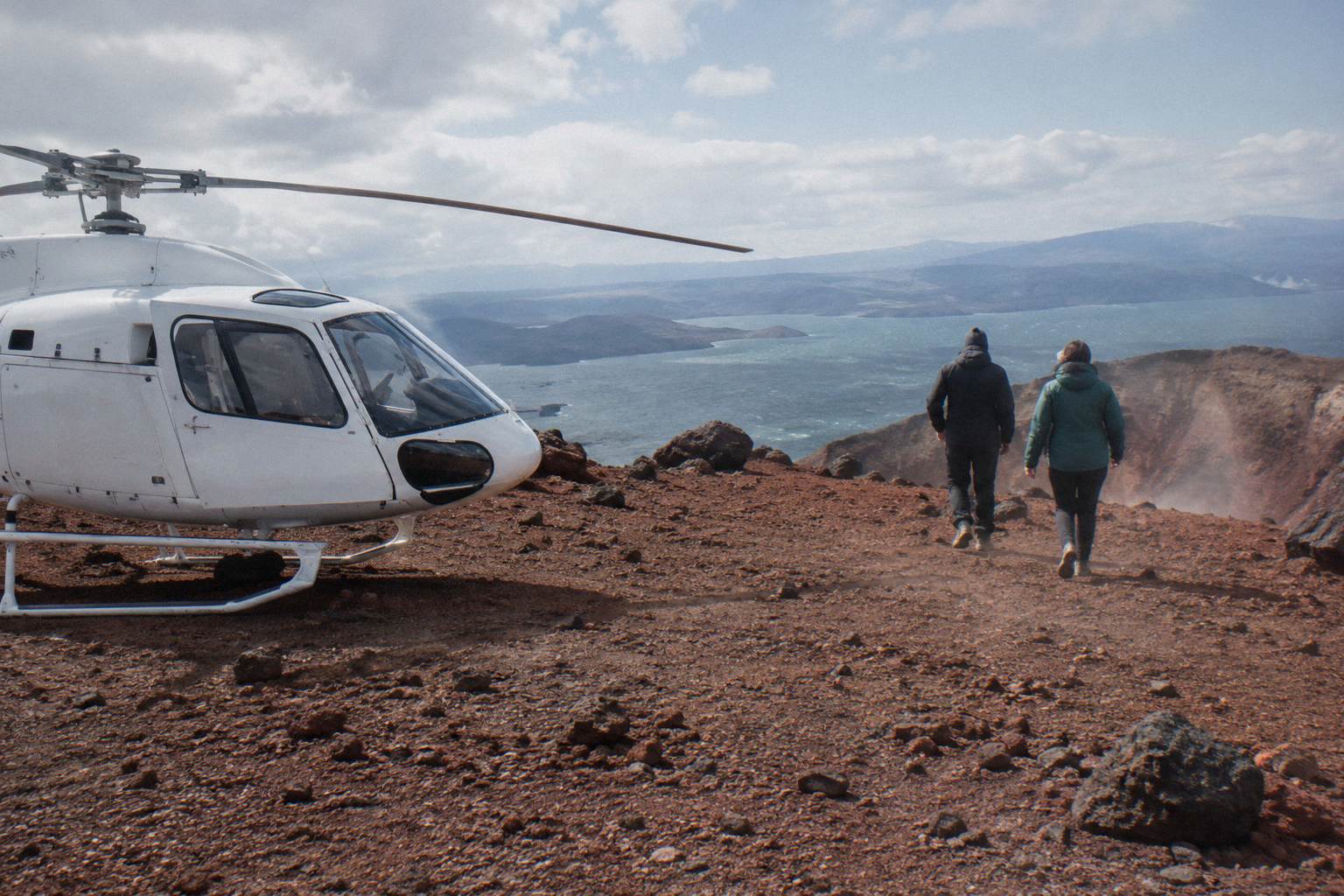
The mechanism differs by flight type. On a summit landing flight, the natural moment is on the ground: the helicopter sets down on the Mt Tarawera summit, the guided walk begins, and at some point along the crater rim there may be enough separation from the rest of the group to ask. On a flyover-only trip, the moment is in the air, which removes any staging but also removes the solid ground under the question, and puts the two of you seated beside a pilot and possibly strangers.
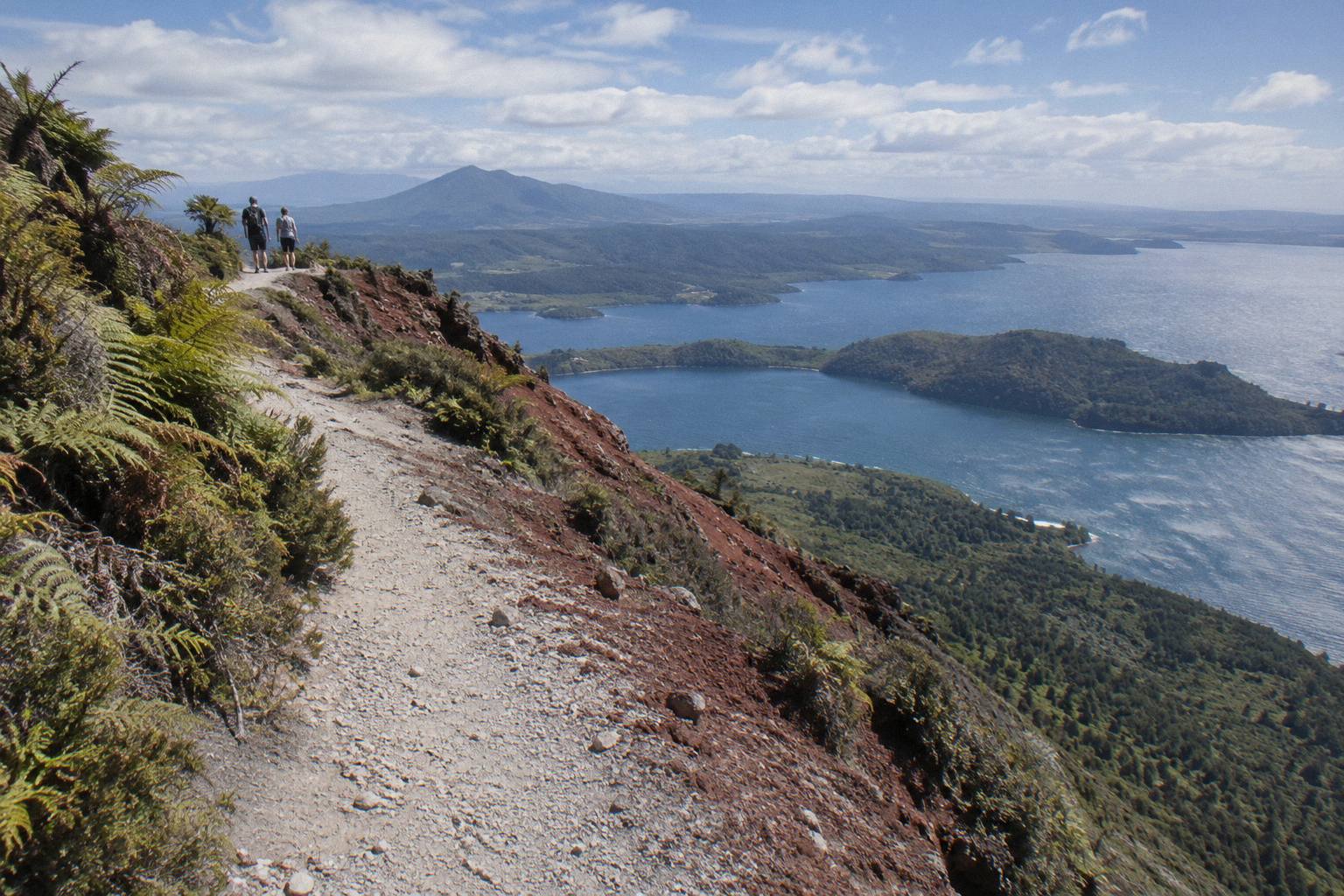
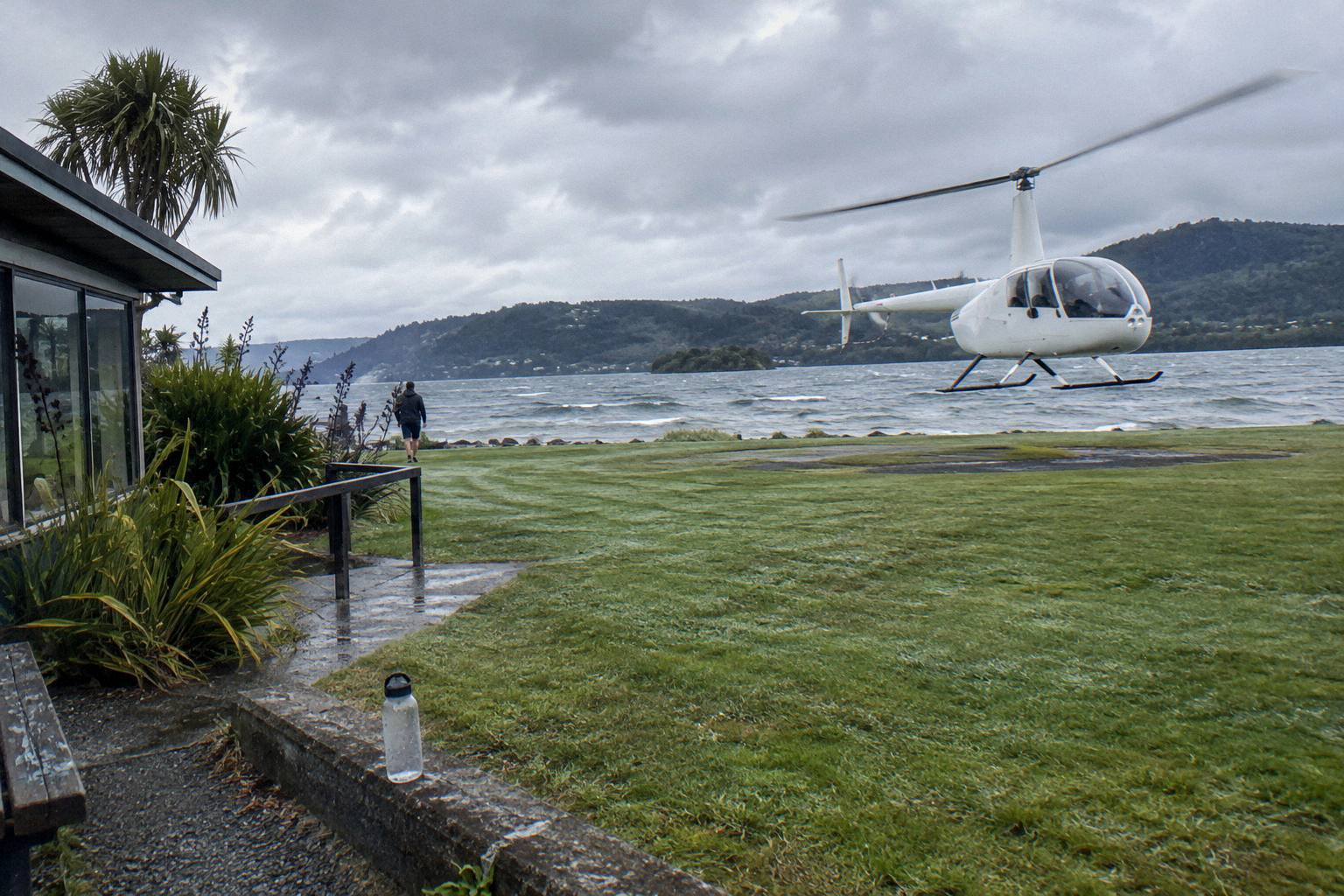
The operator behind every flight on this line-up is Volcanic Air, which has been flying in the region since 1992 and describes itself as a CAA-certified air operator with Qualmark Gold assurance. All flights leave from the Lakefront base at 1 Lakefront Drive, under 1 km from the Rotorua town centre, so the logistics of the morning are simple: a short walk or drive to the pier, a safety briefing, and departure.
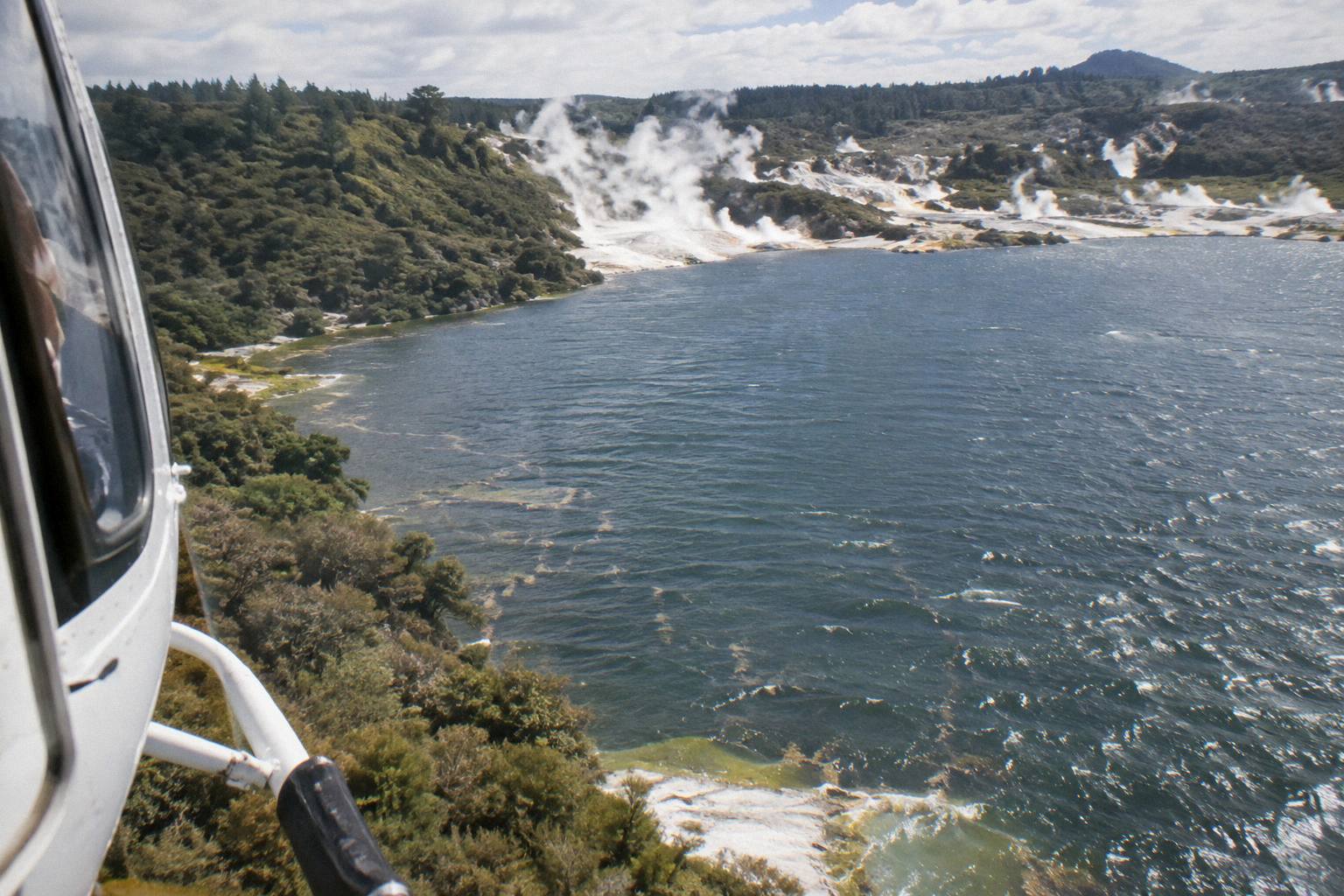
One structural point shapes everything: landings on Tarawera are concessionaire access, not open ground. The Ruawahia 2B Trust governs the mountain, Ngati Rangitihi hold kaitiakitanga of the maunga, and independent summit access is not permitted. Access comes through authorised guided tours or approved helicopter landings, which is exactly what the landing flights are. The mountain itself carries the story of the night of 10 June 1886, when an eruption tore a 17 km rift, in GNS Science's description, across the mountain top, through Lake Rotomahana and into the Waimangu area, killing more than 100 people in nearby villages and burying the Pink and White Terraces. Proposing on that ridge means proposing on one of the country's most consequential volcanic landscapes, which is a large part of why people choose it. The NZ History account of the 1886 eruption is worth five minutes the night before.
Which Flights Best Suit A Helicopter Proposal In Rotorua?
The three best fits are the Tarawera helicopter trips that land on the summit: the Helicopter Landing, Guided Summit Walk, the Helicopter Volcano Landing, and the One-Hour Volcanic Adventure. Each pairs an overflight of the rift with a landing and time out of the aircraft, which is the raw material a proposal needs. Flyover-only trips and floatplanes can carry a proposal in the air, but with no landing there is no ground moment.
Here is how the three compare on what matters for a proposal, using only what each trip's own booking page carries.
| Flight | Type | Landing | From-price or rating |
|---|---|---|---|
| Helicopter Landing, Guided Summit Walk | Helicopter | Mt Tarawera summit | From NZ$675 per person |
| Helicopter Volcano Landing | Helicopter | Mt Tarawera summit | 4.9 from 43 reviews |
| One-Hour Volcanic Adventure | Helicopter | Mt Tarawera summit | Fare on the booking page |
The Helicopter Volcano Landing link sits beside the fuller write-up in the Tarawera volcano landing guide.
The featured flight on this page, the Helicopter Landing, Guided Summit Walk, is the one most proposal plans converge on. Its total runs about 40 minutes with the landing and a 15 minute guided walk on the summit, per the operator's tour wording, and it prints from NZ$675 per person. The walk is the window: 15 minutes of standing on a crater rim at 1,111 m, with the operator's route crossing lakes Okareka, Okataina and Tarawera on the way in. The moment inside that window is yours to find.
The Helicopter Volcano Landing follows the same mountain-access logic with a shorter ground component, and carries the line-up's clearest review signal, 4.9 from 43 reviews. The One-Hour Volcanic Adventure stretches the flying time to roughly an hour, which spends more of the trip in the air over the volcanic zone. Whichever of the three you take, the same operator wording governs the landing: duration, flight times and inclusions may vary with weather, volcanic activity and passenger loadings, and excursion landings are undertaken at your own risk and at the pilot's sole discretion, per the Tarawera landing flight page.
If a helicopter is not fixed in your head, one floatplane trip deserves a look for a proposal built around a quieter, water-borne arc. The Floatplane, Orakei Korako Landing touches down on the Waikato River at the Orakei Korako geothermal field, where access to the park itself is by a short ferry ride that leaves on request rather than a timetable. That landing-plus-boat structure gives a proposal two natural private moments instead of one.
Can You Get Privacy On A Shared Rotorua Flight?
Only in patches, never the whole flight. Shared flights carry other passengers and a pilot, so privacy exists in the gaps, such as a stretch of the guided walk where the group spreads out, not in the cabin. A proposal at the back of a shared helicopter happens metres from strangers with headsets on. If whole-trip privacy is the requirement, the realistic mechanism is a private charter, not any scheduled product.
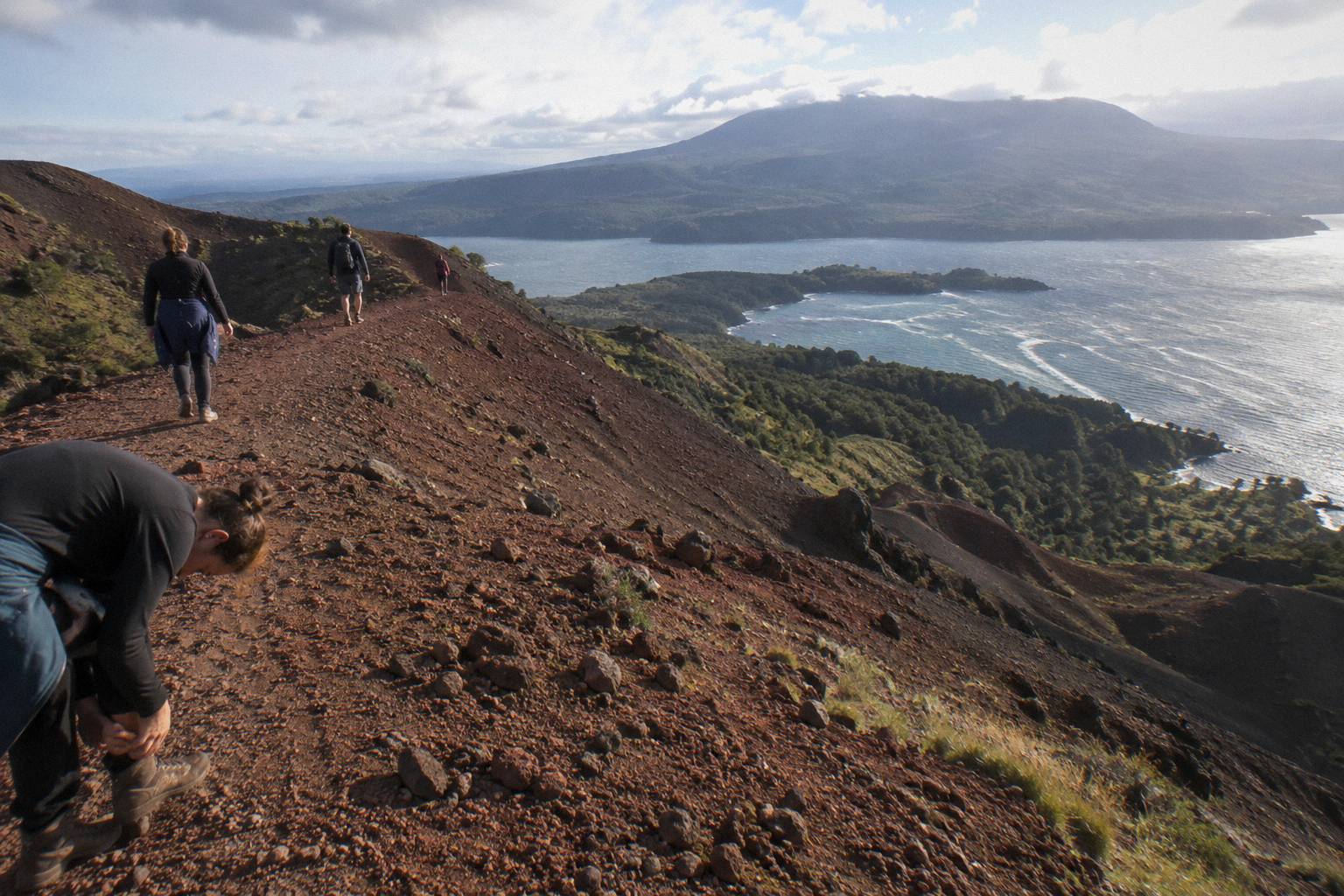
On the Tarawera landing flights, the practical privacy question is what the 15 minute guided walk looks like. The group is small by aircraft necessity, the One-Hour Volcanic Adventure flight for example caps travellers at six, and a crater rim walk naturally strings people out. That spacing, plus the fact that every other person on the walk is watching their own footing and the view, is what most proposers work with. It is a semi-private moment, not a sealed one.
The cabin itself is a different matter. Seating is assigned for weight and balance, per the operator's FAQ, which asks guests for individual weights at booking so the aircraft stays within balance limits, and passengers are weighed on arrival. A deviation from declared weight can mean a reschedule, a surcharge or a cancelled booking at the operator's sole discretion. In proposal terms: you cannot count on the two of you being seated together, or in the front, on a shared flight. The mechanics of the seat plan are covered in the weight limits and seating guide.
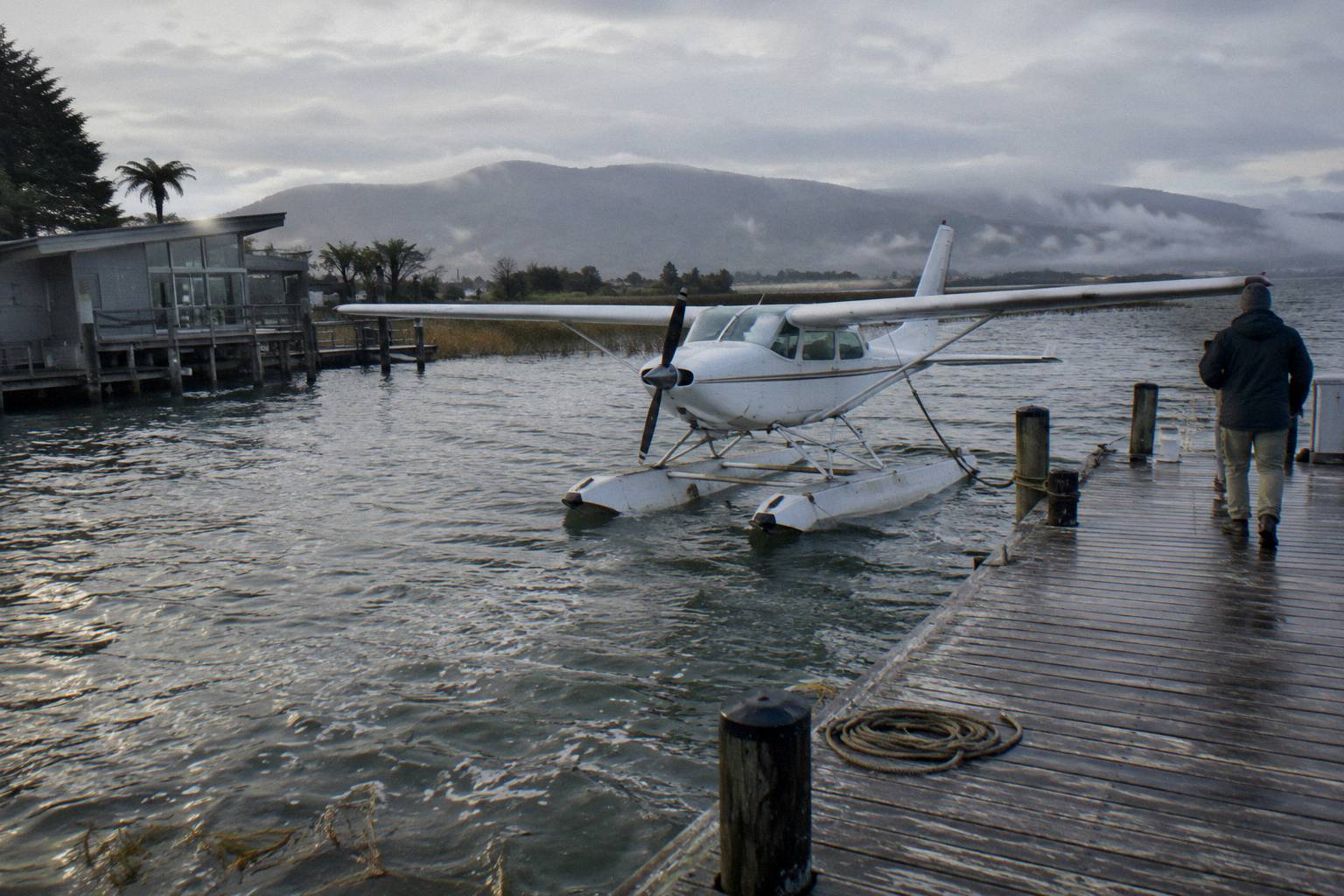
If the question simply cannot happen within earshot of others, the options are narrow. A private charter is the structural fix, and the private charter planning guide walks through that decision. Within scheduled flights, the fallback is to propose before boarding or after landing, at the Lakefront pier where floatplanes take off from Lake Rotorua, and let the flight be the celebration rather than the stage. That inversion costs nothing and removes every dependency except weather.
What Does The Tarawera Landing Add To A Proposal?
The Tarawera Landing gives a proposal something no flight alone can: standing rather than sitting, together on Ruawahia's summit at 1,111 m, the highest of the mountain's three domes, inside the 1886 eruption scar. You fly the 8 km of rift across the craters, then land for a guided walk. No other scheduled tour offers this stage, and none can guarantee it, since the landing rests with the pilot.
Ground changes the physics of the moment. Kneeling is possible, the ring can come out of a pocket without a seatbelt in the way, and the words do not compete with rotor noise or an intercom. The walk also gives the moment an afterlife: the summit photo, the ridge line behind you, the story of getting engaged on an active-volcanic-zone summit reached only through authorised access.
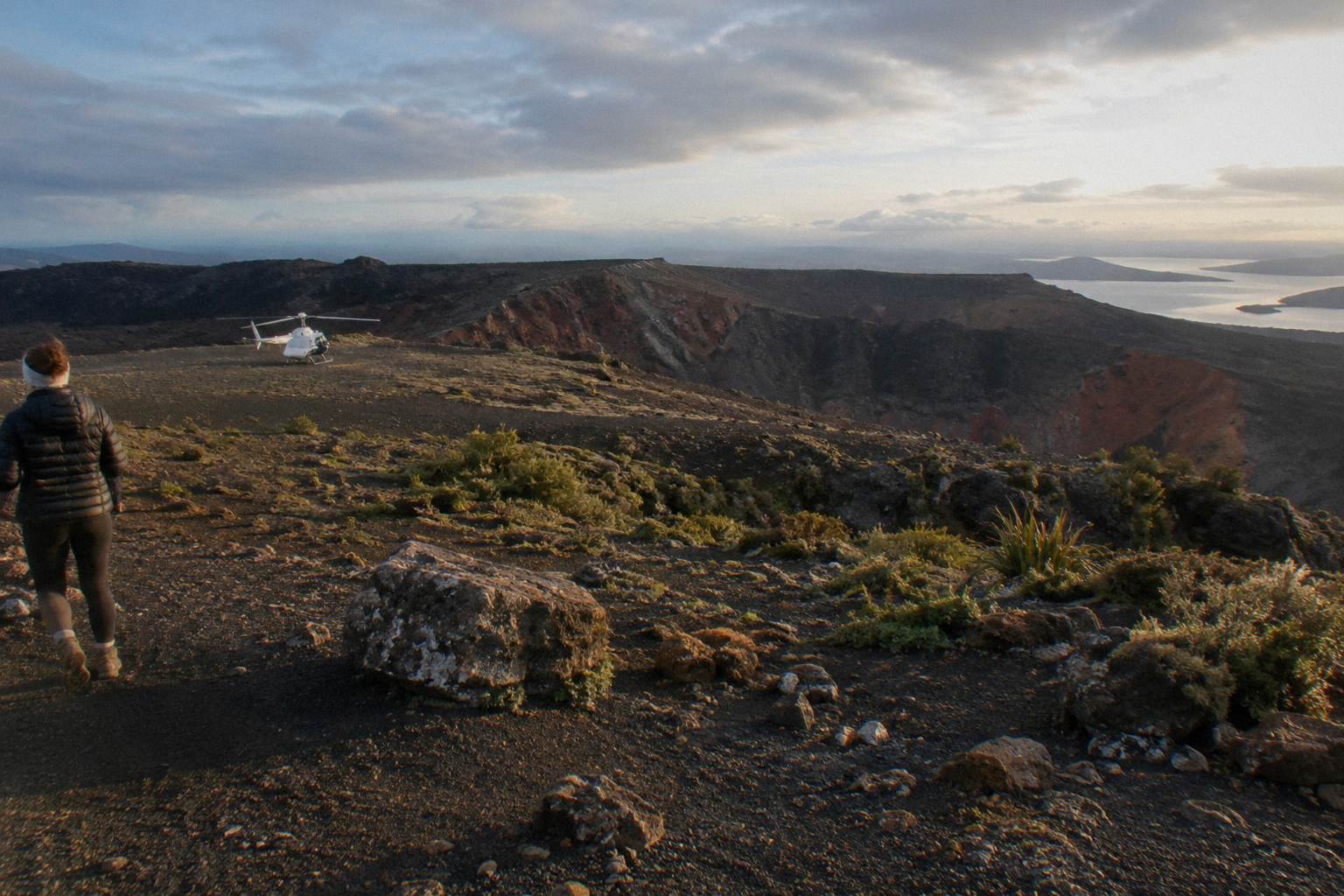
What the landing cannot promise, the operator says plainly: tour duration, flight times and inclusions may vary due to weather conditions, volcanic activity and passenger loadings. Plan the words for the walk, and hold a fallback line for the cabin. If the landing is waved off on the day, the flight still crosses the lakes and the rift, and the moment can shift to the pier after landing. Proposals that survive planning are the ones with a plan B that is not a downgrade, just a different room.
The volcano context is worth having straight, because it will come up in the story you tell afterwards. The summit is part of the Okataina volcanic centre, and the 1886 eruption is the event that shaped everything visible from the ridge: the rift, the grown Lake Rotomahana below, and the geothermal valley that formed along the rift line. The GeoNet page on the Okataina volcanic centre covers the science in plain language. Tarawera is not Whakaari: flights over White Island are flyover-only because landings there are suspended, a distinction the Whakaari flyover or landing guide explains in full.
When Should You Book And Fly For The Best Odds?
Book early, fly in the morning, and keep a buffer day behind the plan. The operator flies daylight hours year-round, and its own FAQ points to mornings for the calmest weather, smoothest flying, and soft photo light. Rotoruga's driest, warmest stretch runs from late spring in October to early autumn in April, but no day is guaranteed, so a spare day is the booking decision that saves the trip if weather forces a reschedule.
Rainfall tells the seasonal story in numbers. Rotorua's 1991 to 2020 monthly normals put November at 86.8 mm and October at 92.9 mm against July's 137.4 mm peak, a moderate spread that says there is no dry season here, only drier and wetter months.
| Month | Average rainfall (mm) |
|---|---|
| January | 93.8 |
| February | 100.4 |
| March | 100.3 |
| April | 133.0 |
| May | 130.2 |
| June | 131.9 |
| July | 137.4 |
| August | 125.2 |
| September | 106.6 |
| October | 92.9 |
| November | 86.8 |
| December | 117.1 |
The timing detail that matters most is flexibility of the date. If the flight cannot go ahead due to weather, the operator works with you to reschedule or provide a full refund, and if the operator cancels before commencement for circumstances beyond its control, weather or volcanic activity among them, the refund is full. So the risk to a proposal is not money, it is the date. A ring hidden for a Saturday can wait to Sunday; a ring hidden for the last day of a trip cannot. The deeper mechanics are in the weather and cancellation guide.
Booking far enough ahead matters for a second reason: the landing flights carry small aircraft, the One-Hour Volcanic Adventure caps at six travellers, and small aircraft fill on good-weather weeks in summer. The how far ahead to book a flight post covers the lead-time logic. For a proposal, book as soon as the date is real, and hold the 24 hour free-cancellation terms, which the booking pages carry, as your adjustment window.
What Rules Affect A Proposal Day?
Three rule sets shape a proposal day: passenger weights, companion policies, and cancellation terms. Individual weights are declared at booking and verified on arrival, with surcharges applying above 110 kg and two adult fares required above 135 kg as weighed. Children of all ages are welcome, with under 2s riding on a lap, which matters if a child joins the moment. Cancellation terms allow a full refund up to 24 hours before, keeping the plan flexible until the day before.
| Rule | What applies |
|---|---|
| Weight declaration | Individual weights at booking, weighed on arrival |
| Over 110 kg | Surcharge possible at operator's sole discretion |
| Over 135 kg as weighed | Two adult fares |
| Children | All ages, under 2 on a lap, child rates ages 2 to 11 |
| Tarawera minimum | Two adult fares on the landing flight |
| Booking-page cancellation | Free cancellation up to 24 hours before |
The weight rules deserve a plain sentence, because proposers hide things and the weighing room is where hiding stops. Weights exist for balance, not judgement, and a declared weight that turns out wrong can reschedule or cancel the flight entirely, at the operator's sole discretion, per its terms and conditions. Declare truthfully, and carry the ring somewhere that survives a jacket change rather than a pocket that gets emptied for weighing.
Companions change the arithmetic in ways worth counting before booking. A photographer friend adds a fare and a seat, and on a six-seat aircraft that may be the difference between a private-enough walk and a crowd. Children are genuinely welcome, and the Tarawera landing flight's own page sets a minimum of two adult fares with ages 2 to 11 paying 75% of the adult fare, so a family proposal is possible, just no longer quiet.
What to bring comes straight from the operator's FAQ: camera, sunglasses, a jacket, and closed-toe comfortable footwear for flights with landings. Closed-toe shoes on a volcanic summit are a rule, not a style note, and a jacket belongs to whoever holds the ring, because a shivering proposer with numb fingers makes a poor first attempt at opening a small box. The what to wear guide takes the clothing logic further.
What Does Each Option Cost?
Published fares on the line-up run from NZ$395 per person for the 30 minute scenic floatplane over Tarawera and Waimangu up to NZ$1,490 per person for the three-hour Geothermal Park Landing, with the proposal-favourite Helicopter Landing, Guided Summit Walk at from NZ$675 per person. All amounts are New Zealand dollars. Every flight carries free cancellation up to 24 hours before, so money is rarely the thing a proposal plan loses; the date is.
| Flight | Fare per person | Landing |
|---|---|---|
| Scenic Floatplane, Tarawera And Waimangu | From NZ$395 | No |
| Helicopter Landing, Guided Summit Walk | From NZ$675 | Mt Tarawera summit |
| Floatplane, Orakei Korako Landing | From NZ$845 | Orakei Korako |
| Geothermal Park Landing, 3 Hours | From NZ$1,490 | Tarawera and Orakei Korako |
Price does not map neatly onto proposal value. The cheapest published fare buys a flyover, which stages the question in a cabin; the mid fares buy landings, which stage it on summits and riverbanks; the top fare buys two geothermal landings and three hours, which is a full-day gesture rather than a moment. Most plans land on the NZ$675 to NZ$845 band, where the ground moment exists and the trip still fits inside a morning.
The 3-hour Geothermal Park Landing is the outlier worth naming. It pairs the Tarawera summit with Orakei Korako, the park reachable only by boat across Lake Ohakuri, per its own visitor page, which makes it the one scheduled product with two distinct ground moments in a single booking. For a proposer who wants the question on the summit and the answer celebrated somewhere steaming and strange an hour later, it is the structural match.
Which Mistakes Derail A Helicopter Proposal Plan?
The biggest failures are betting everything on the landing rather than the flight, booking the final day of a trip with no buffer, assuming privacy on a shared aircraft, guessing weights at booking, and choosing a winter afternoon slot with no backup. Each is avoidable with one early decision: prepare words for both the cabin and the walk, reserve a spare day, declare weights exactly, and treat the landing as the best-case room rather than the only one.
The buffer-day mistake does the most damage because it converts a routine weather call into a lost proposal. Flights here run in daylight hours, every month, and a morning that looks fine in town can be unflyable over a 1,111 m summit; when that happens, the operator reschedules or refunds in full, and a plan with a spare day simply moves. A ring hidden in a bag that flies home the same afternoon has no such option.
The privacy assumption is quieter and more common. A shared flight is shared, seating follows the balance sheet, and the guided walk spreads but does not empty. The proposers who succeed on shared flights are the ones who pick their spot inside the walk and keep the words short, and who have already decided that a pilot and four strangers briefly overhearing a yes is not a failure. Anyone who cannot make peace with that should be reading the charter route, not the shared line-up. For everything beyond the proposal itself, Rotorua Helicopter Tours carries the fuller comparisons across the whole line-up.
The weight declaration catches proposers specifically, because the days before a proposal are days of distraction. The rule is mechanical: weights declared at booking, checked on arrival, deviations able to reschedule or cancel the flight. A quick step on a scale the week before, for both people, closes the gap. And if the plan involves a photographer, book them onto the flight rather than hoping for a summit rendezvous, because independent summit access is not permitted and no one meets you up there.
Before the final push, one more look at the three flights that carry most proposal plans:
And if the whole line-up is still open, the 30 minute Scenic Floatplane, Tarawera And Waimangu at from NZ$395 per person, rating 4.9 from 28 reviews, is the low-commitment way to see the landscape from the air before committing a bigger fare, and a bigger question, to it.
Common Questions About Proposing By Helicopter
Is There A Dedicated Helicopter Proposal Tour In Rotorua?
No. The Rotorua line-up carries no proposal product. The working method is to book a scheduled flight, most often a Tarawera summit landing trip such as the Helicopter Landing, Guided Summit Walk at from NZ$675 per person, and plan the moment inside it.
Can We Be Alone On The Helicopter For A Proposal?
Not on a scheduled flight. Shared trips carry other passengers and a pilot, and seating follows weight and balance. Whole-flight privacy needs a bespoke private charter, which the operator offers separately from the standard line-up.
Is The Mt Tarawera Landing Guaranteed?
No. The operator's wording is explicit: excursion landings are undertaken at your own risk and at the pilot's sole discretion, and duration and inclusions may vary with weather, volcanic activity and passenger loadings.
What Happens To The Proposal If Weather Cancels The Flight?
The operator works with you to reschedule or provides a full refund, and operator cancellations for weather or volcanic activity before commencement are refunded in full. The protection for the plan itself is booking with a buffer day so the flight can move.
How Much Does A Proposal Flight Cost?
Fares in New Zealand dollars. From NZ$395 per person for the scenic floatplane flyover, from NZ$675 per person for the Helicopter Landing, Guided Summit Walk, from NZ$845 per person for the floatplane Orakei Korako landing, and from NZ$1,490 per person for the three-hour dual-landing geothermal tour. All carry free cancellation up to 24 hours before.
Can A Child Or Family Member Join The Proposal Flight?
Yes. All ages are welcome, children under 2 sit on a lap, and ages 2 to 11 pay child rates, with the Tarawera landing flight setting 75% of the adult fare and a two adult fare minimum. Each added person takes a seat on a small aircraft, which trims the privacy.