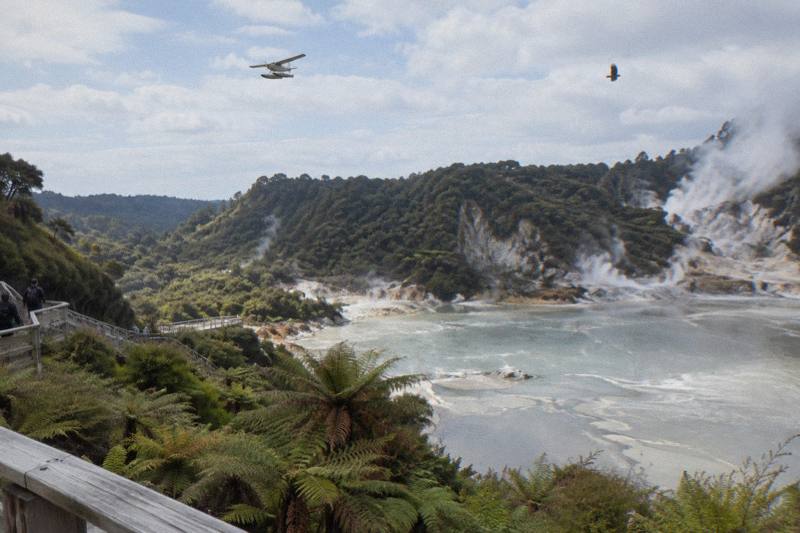
Whakaari Helicopter Flight Reviews: What Visitors Say
Review counts for Whakaari / White Island flights are small, landings are suspended, and no review text has been read here. What follows is the rating data that exists, the trips you can actually book, and what a review checker should verify before paying.
Short answer
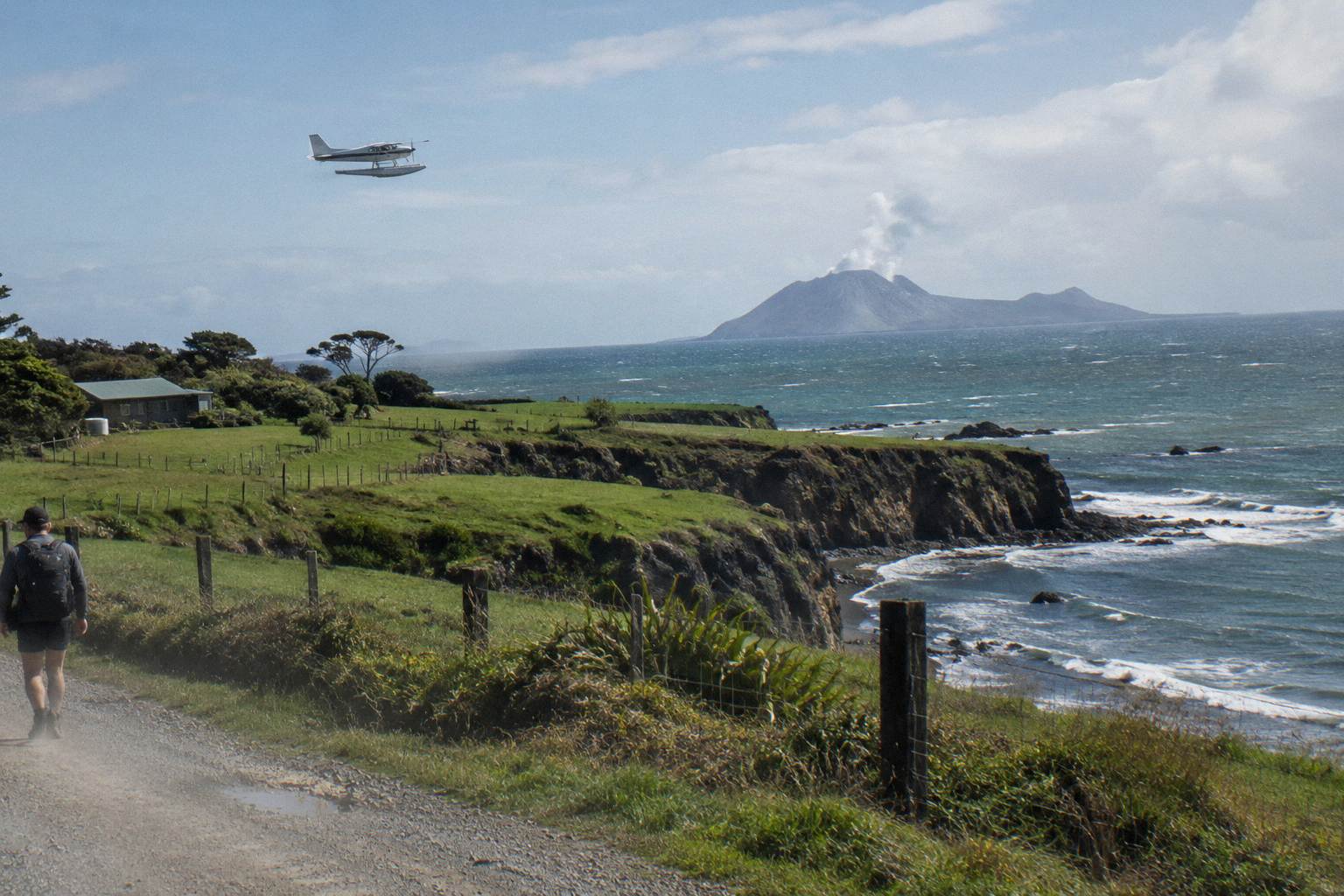
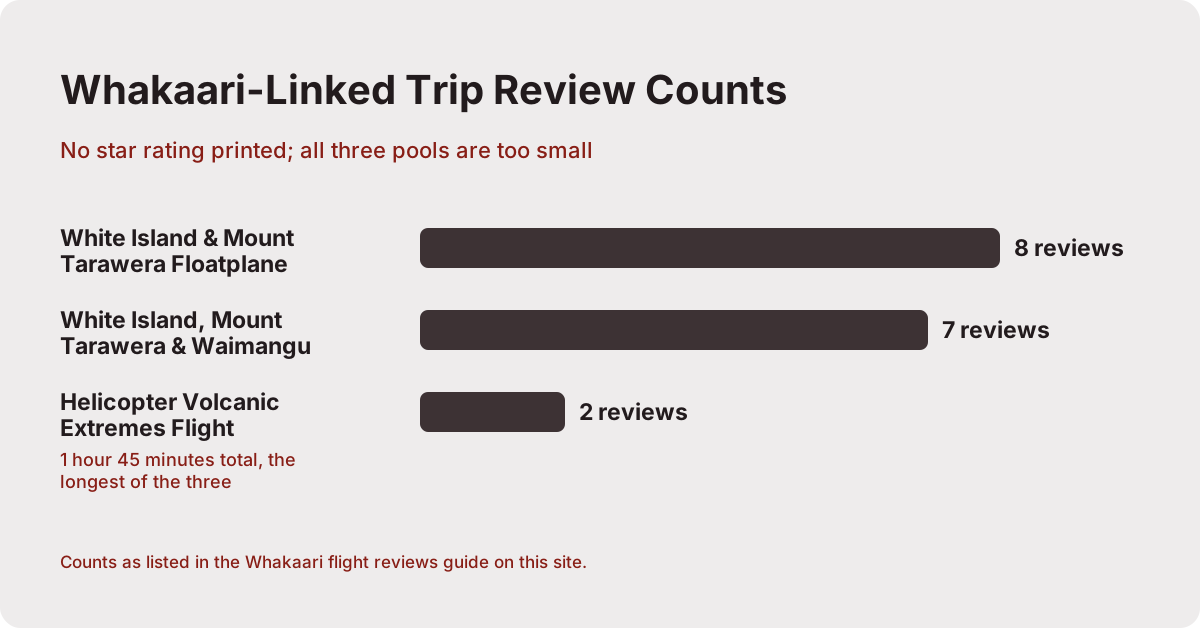
Whakaari flyover reviews are thin: the three Whakaari-linked trips on this line-up carry 2, 8 and 7 reviews, too few for star ratings to mean much. Landings on the island are suspended, so every current product is a flyover. Prices where shown run from NZ$1,230 per person for the floatplane that adds Waimangu.
For the wider picture on flights over the island, see the guide to White Island helicopter flights and the comparison of a Whakaari flyover versus a landing.
| Quick Fact | Detail |
|---|---|
| Island | Whakaari / White Island, about 48 km off the coast of Whakatane |
| Landings | Suspended, no helicopter flights land on the island |
| Bookable format | Flyover only, from Rotorua |
| trips linked to Whakaari | 3 (two floatplanes, one helicopter) |
| Review counts | 8, 7 and 2 reviews |
| From-prices | From NZ$1,230 per person on the floatplane with Waimangu |
| Meeting point | Volcanic Air, Lakefront, 1 Lakefront Drive, Rotorua |
| Check-in | 30 minutes prior for helicopters, 20 for floatplanes |
What Reviews Can And Cannot Tell You
Reviews can only tell you how many people booked and rated a Whakaari-linked trip, with tiny pools of 8, 7 and 2 reviews across the three trips on this line-up. No review text was read here, so no sentiment is claimed on anyone's behalf, and star ratings are left out entirely because numbers that small cannot show whether a flight is actually good.
That constraint is worth stating plainly because review culture pushes the other way. Shoppers arriving at a Whakaari page are usually close to booking, and a bare number next to five stars feels like evidence. With eight reviews it is a snapshot, not a pattern. A 4.9 from 43 reviews on a different Rotorua flight carries some weight; a comparable figure drawn from eight people does not, and a pool of two tells you almost nothing beyond the fact that the product sells occasionally.
There is a second limit that matters more than the ratings. The product people most want to review no longer exists. Landings on Whakaari are suspended, so everything a reader can book today is a flyover, and any review written before 9 December 2019 describes an experience that cannot currently be repeated. Old landing reviews still circulate in search results and can make a modern flyover look like a downgraded version of something better. It is a different product over the same volcano, priced and timed differently, flown by crews operating under different rules.
What reviews can still do, even thin ones, is confirm that a trip runs, that people complete it, and that the operator turns up at the Lakefront. Beyond that, the decision has to be made on the verifiable details: duration, route, price, aircraft type and the cancellation terms, all of which are stated on the operator's own pages and on Rotorua Helicopter Tours trip pages. Those facts do more work than a handful of stars.
There is also a timing bias hiding inside every scenic-flight rating. People who book long, expensive flights tend to do so once, on a carefully chosen day, often with better-than-average weather patience; they reschedule rather than fly in poor conditions. That means even a genuinely positive pool of reviews skews toward the best mornings of the year and says little about what a mid-winter departure in changeable air feels like. A reader comparing ratings across products is partly comparing the weather tolerance of each product's customer base, which is not a quality signal at all.
The Whakaari Flights You Can Actually Book
Three trips on this line-up connect Rotorua with Whakaari: the White Island & Mount Tarawera Floatplane Adventure, the White Island, Mount Tarawera & Waimangu Volcanic Valley Floatplane Flight, and the Helicopter White Island / Mount Tarawera 'Volcanic Extremes' flight. All three are flyovers of the island, none lands there, and all meet at the Volcanic Air Lakefront base at 1 Lakefront Drive. The helicopter option also lands on Mount Tarawera, on the mainland.
The suspension of landings is the single fact that reshapes this category. Tourism's official page states it directly: "there are currently no boat tours to, or helicopter flights that land on the island" (newzealand.com Whakaari page). So the choice in front of a buyer is between formats and bundles, not between landing and not landing. For more on that boundary, the blog post whether you can fly over Whakaari in a helicopter works through it in detail.
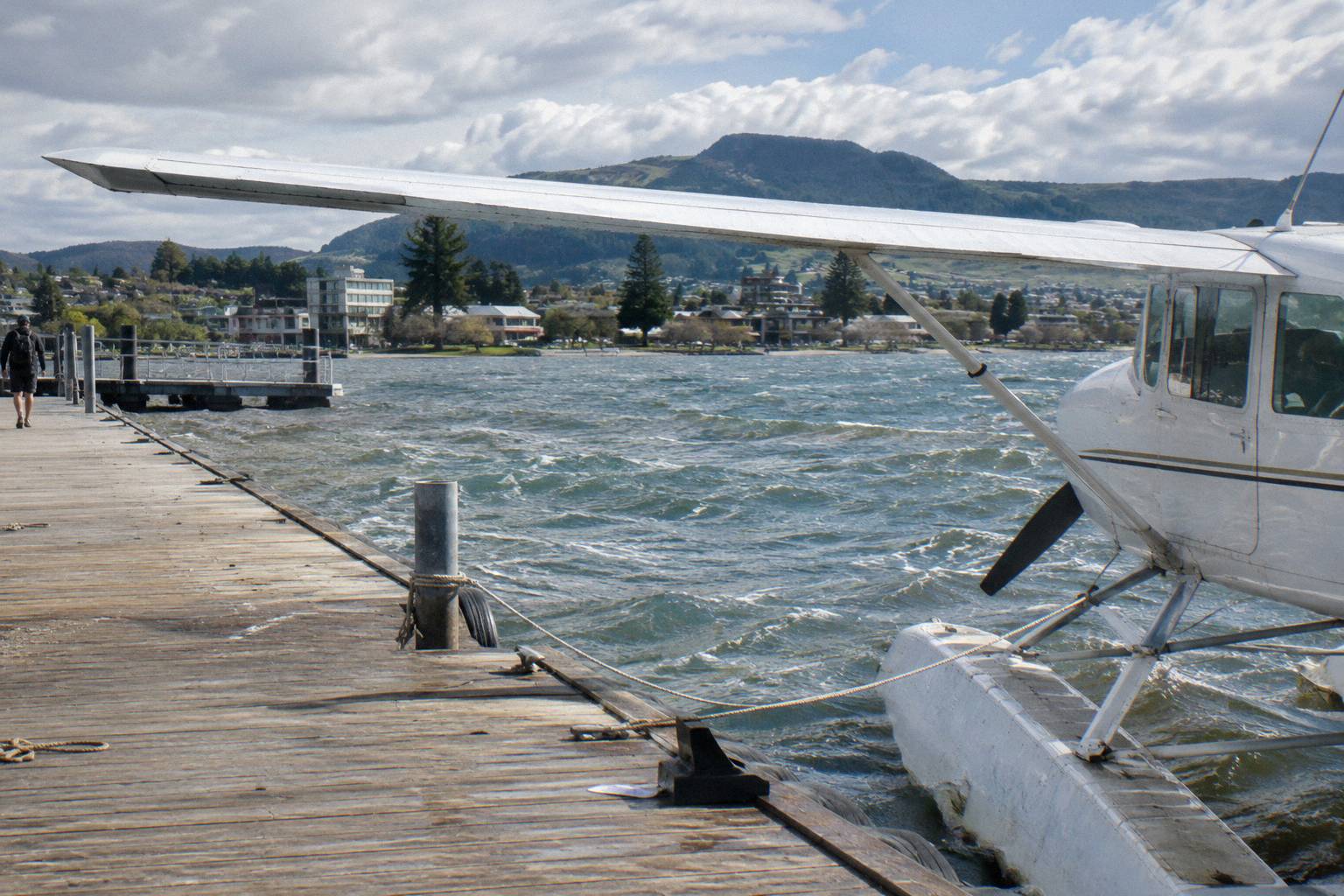
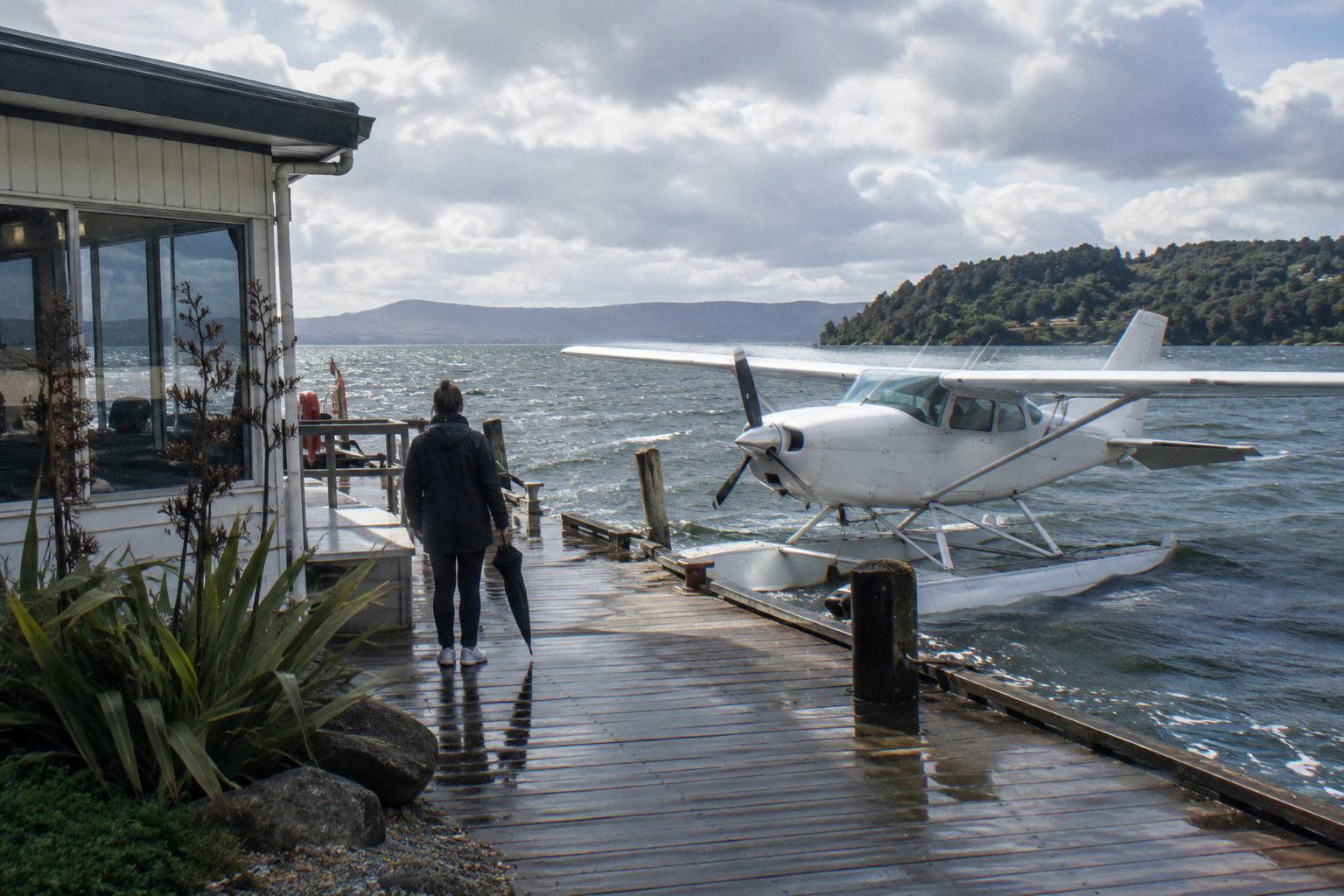
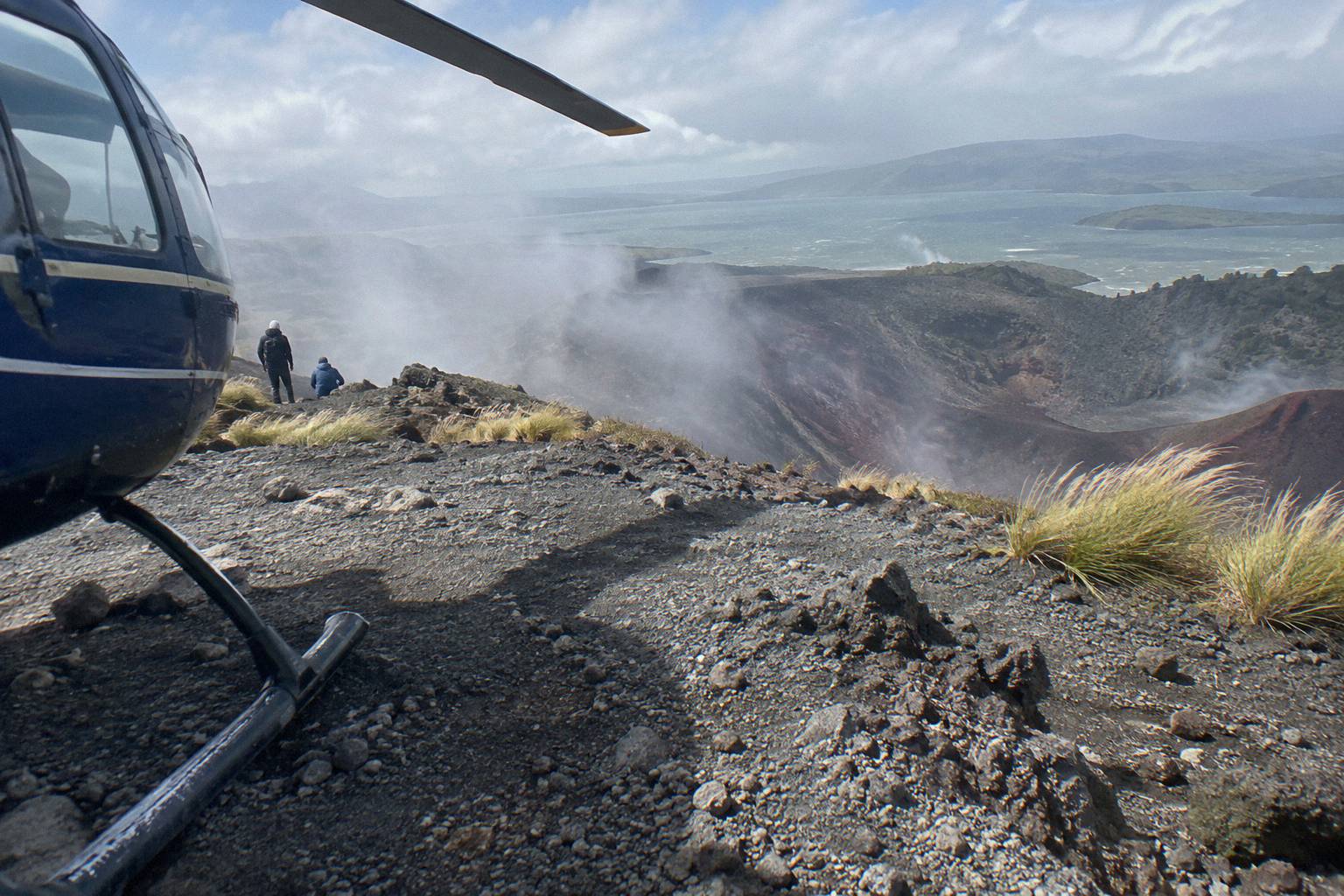
The two floatplanes take off from Lake Rotorua itself, from the lakefront pier, which is part of their appeal: the departure is a water take-off rather than a runway run. The Volcanic Extremes helicopter trip is the longest of the three at 1 hour 45 minutes total, and it is the only one that touches down anywhere, landing on the summit of Mount Tarawera where the pilot judges conditions suitable. A landing is at the pilot's sole discretion and is never a sure thing, a point the operator's own terms make explicit.
Bundling is where these trips differ most. Each one pairs Whakaari with Mount Tarawera, and the Waimangu floatplane adds the volcanic valley that the 1886 eruption created. A buyer choosing among them is really choosing how much of the Okataina volcanic story to see in one morning, and whether the aircraft is a floatplane off the lake or a helicopter with a mainland landing. Price tracks that ladder, from NZ$1,230 per person on the Waimangu floatplane upward, with the other two trips carrying no from-price here.
It helps to picture the geography before choosing a bundle. Whakaari sits offshore to the north, Tarawera rises south of Rotorua, and Waimangu lies about 14 km south of the city along SH5. A single trip that strings all three together is not circling one landmark; it is crossing a large slice of the volcanic zone between the coast and the lakes, which is why the total times run to two hours and beyond. The bundles exist because the flying between the landmarks is itself scenic, over farmland, forest and lake country rather than empty transit.
The Rating Data That Exists
The Whakaari-linked review counts on this line-up are 8 for the White Island & Mount Tarawera Floatplane Adventure, 7 for the Waimangu floatplane flight, and 2 for the Volcanic Extremes helicopter trip. No star figure is shown for any of them, because none of the three pools is large enough to support one, and attaching a proof claim to eight or two reviews would misrepresent thin data as a verdict.
That is the whole of the review evidence. There is nothing else to summarise, no pattern of praise and no pattern of complaint, because no review text was read and the counts themselves are the only data point. Buyers used to picking a tour by sorting on rating will find that method fails here, and that is not a flaw in the trips, it is a function of a small market: Whakaari flyovers are long, costly flights compared with a 15-minute crater lakes loop, so far fewer people fly them and fewer still leave ratings.
For context, the same operator's shorter local flights do carry meaningful pools: the scenic floatplane over Tarawera and Waimangu holds 4.9 across 28 reviews, and the Tarawera volcano landing helicopter holds 4.9 across 43. Those figures describe different, cheaper trips, and they are shown only as context for what a healthy pool looks like on this line-up. They cannot be transferred to the Whakaari flights, and they are not tabulated against them.
| Trip | Aircraft | Island landing | From-price | Review pool |
|---|---|---|---|---|
| Floatplane, White Island And Tarawera | Floatplane | No, flyover | No from-price | 8 reviews |
| Floatplane, Waimangu Included | Floatplane | No, flyover | From NZ$1,230 per person | 7 reviews |
| Volcanic Extremes, 1h45m Helicopter | Helicopter | No, flyover | No from-price | 2 reviews |
A reader who wants reassurance the operator delivers should look at operating history instead of star ratings. Volcanic Air has been flying in the region since 1992 and describes itself as a CAA-certified air operator with Qualmark Gold assurance. Those are checkable standing facts, unlike sentiment inferred from a handful of reviews. The aviation framework behind the wording is also public: Civil Aviation Rule Part 135 governs air operations using helicopters and small aeroplanes, and the rules apply to the holder of an air operator certificate, which is the certification family the operator describes itself within.
What A Review Checker Should Verify Before Booking
Five checks matter more than any rating: confirm the trip is a flyover and not a landing, confirm the total duration and the flight time within it, confirm the meeting point and check-in window, read the weather and cancellation terms, and declare accurate passenger weights at booking. Each of these appears in the operator's own FAQ and terms, and each one changes the day more than a stranger's rating ever will.
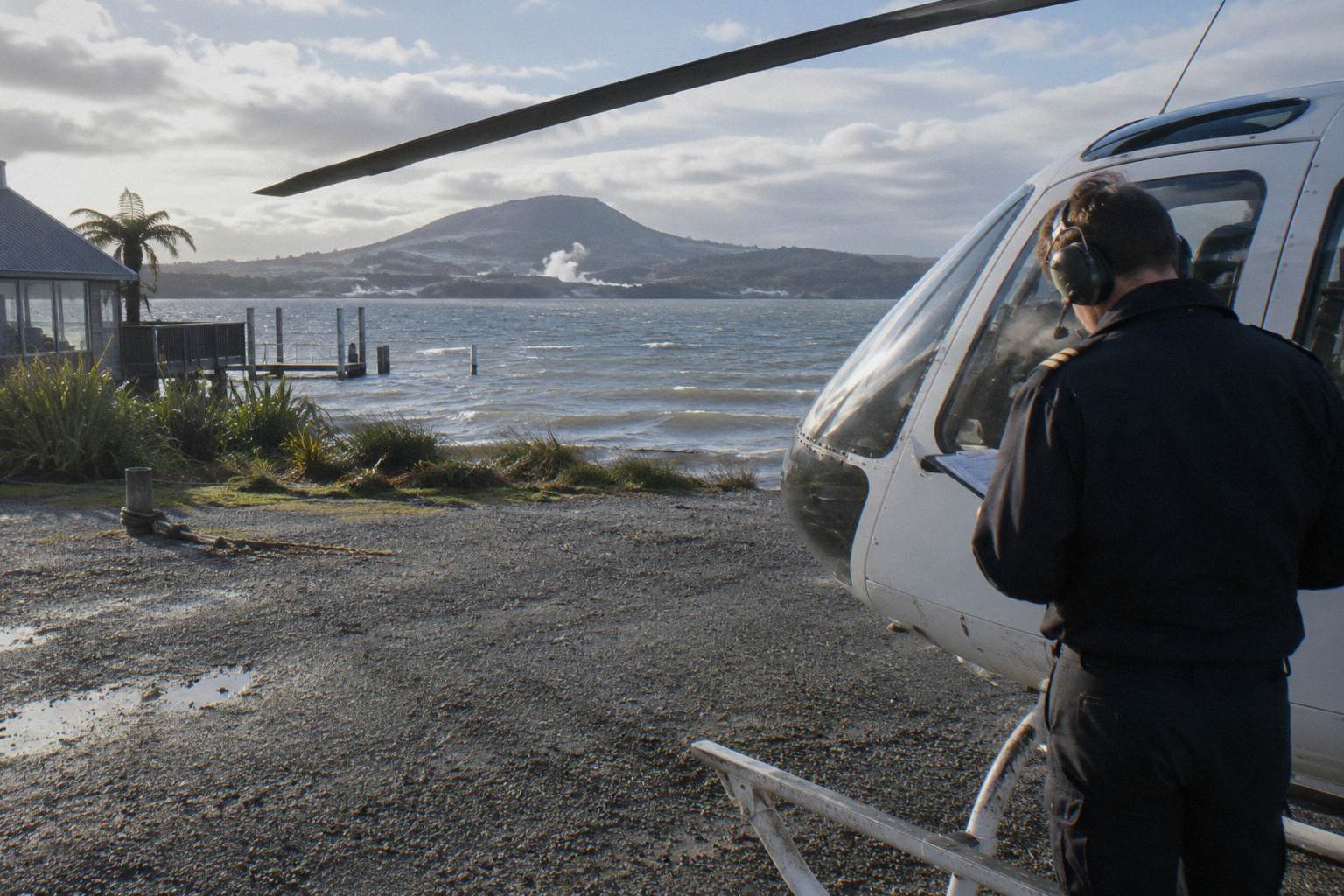
The weather check deserves the most attention. All flights operate subject to suitable conditions, and the operator's FAQ states that if a flight cannot go ahead due to weather, they will work with you to reschedule or provide a full refund. One flight in this family goes further and says plainly that a trip will not go ahead if it is not safe or if the views cannot be seen, which for a Whakaari flyover is the whole product: the island is the view. The full check-in, weight, children and pregnancy guidance sits on the operator's FAQ page.
Weight is the detail that quietly voids bookings. Passengers declare individual weights when booking and are weighed on arrival, and the operator's terms state that a deviation from the declared weight may result in the flight being rescheduled, a surcharge applied, or the booking cancelled. On the Volcanic Extremes helicopter trip the cap is 110 kg per passenger with a maximum of six travellers. None of this appears in a review, and all of it can change a holiday morning.
| Check | Where to verify | What good looks like |
|---|---|---|
| Flyover, not landing | Trip page and island status | Flyover wording, no landing promise |
| Duration | Trip page | Flight time and total time both shown |
| Check-in | Operator FAQ | 30 min helicopters, 20 min floatplanes |
| Cancellation | Booking terms | Free cancellation up to 24 hours |
| Weights | Booking form and terms | Accurate per-passenger declaration |
Cancellation is the reassuring half of this picture. Every Whakaari-linked trip on this line-up carries free cancellation up to 24 hours in advance on its booking terms, and if the operator cancels for weather or volcanic activity before departure, the refund is full. A reviewer with an axe to grind rarely mentions that structure; it is stated in the terms and it holds whether the reviews are good or not.
The Volcanic Extremes helicopter is the trip a review checker most needs to read carefully, since its two-review pool gives no signal at all. The operator's description is the reliable substitute: a 1 hour 45 minute helicopter flight over Whakaari and Mount Tarawera with a summit landing where the pilot allows it.
Flight Duration And What The Time Buys
The Whakaari trips are long by Rotorua scenic-flight standards: the Volcanic Extremes helicopter runs 1 hour 45 minutes total, the Waimangu floatplane 2 hours, and the floatplane adventure sits in the same family of half-day commitments. By contrast the 15-minute crater lakes flights barely leave the district. The premium buys distance: Whakaari lies about 48 km off the Whakatane coast, far beyond the lakes a short hop covers.
That distance is the reason the price gap exists and the reason the flights are harder to review casually. A buyer spending the better part of NZ$1,230 per person on the Waimangu floatplane is making one considered purchase on a trip of a lifetime, not a repeat purchase that builds a review base. Small pools are structural in this segment, everywhere, not a weakness of one operator.
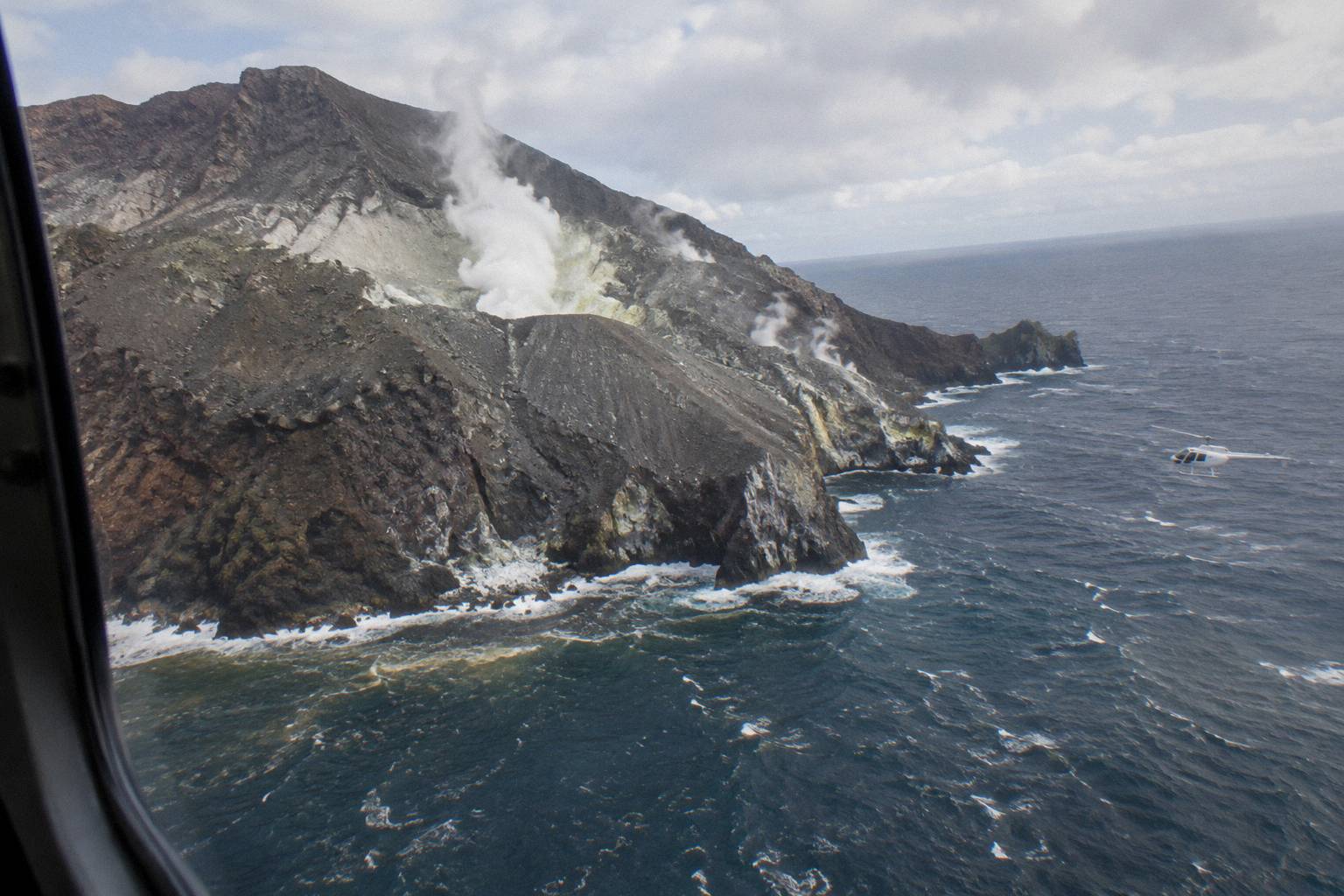
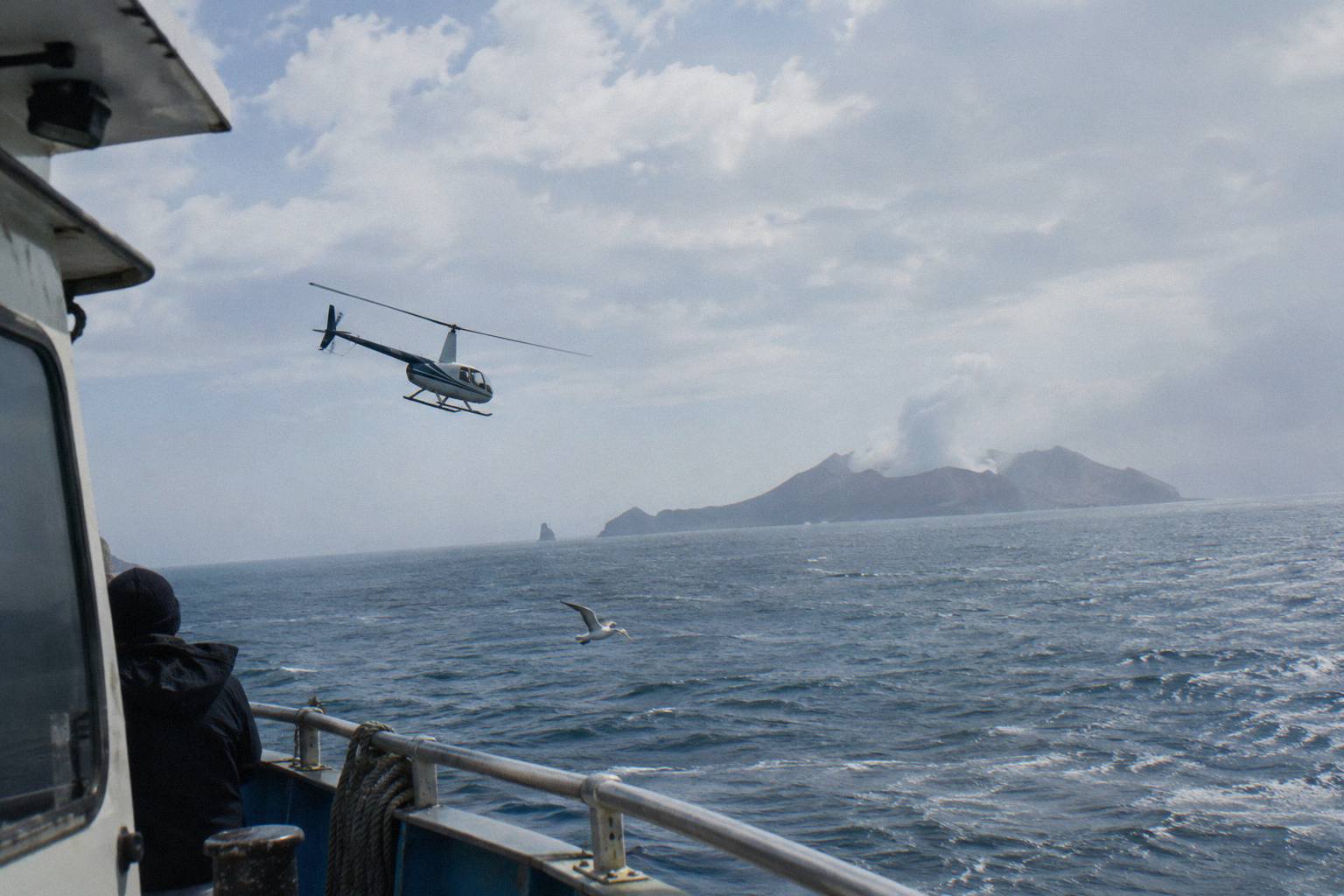
What the time in the air actually contains, on the operator's descriptions: the volcano itself, described by the operator as New Zealand's only permanently active offshore volcano, flown as a circuit rather than a landing; then the return leg over Mount Tarawera and its rift, and on the Waimangu trip the volcanic valley the 1886 eruption formed. The geothermal story connecting all three is real geology, documented by GNS and GeoNet, and the Okataina volcanic centre that contains Tarawera has its own monitoring page (GeoNet Okataina).
The featured trip here is the White Island, Mount Tarawera & Waimangu Volcanic Valley Floatplane Flight, the bundle that packs all three landmarks into one 2-hour floatplane departure from the lakefront pier. It is the only Whakaari-linked trip with a published from-price, NZ$1,230 per person, which makes it the natural anchor for a review checker comparing value across the family. Its 7 reviews, again, are a count rather than a verdict.
Timing within the day matters too, and the operator's own guidance is refreshingly unhedged: mornings often give the calmest weather and smoothest flying with soft photo light, while afternoons can offer warmer temperatures and late-day colour. There is no schedule sunrise flight, and none is promised here. For a long over-water leg to an offshore volcano, the calmer-air argument tends to weigh heavier than the photography argument.
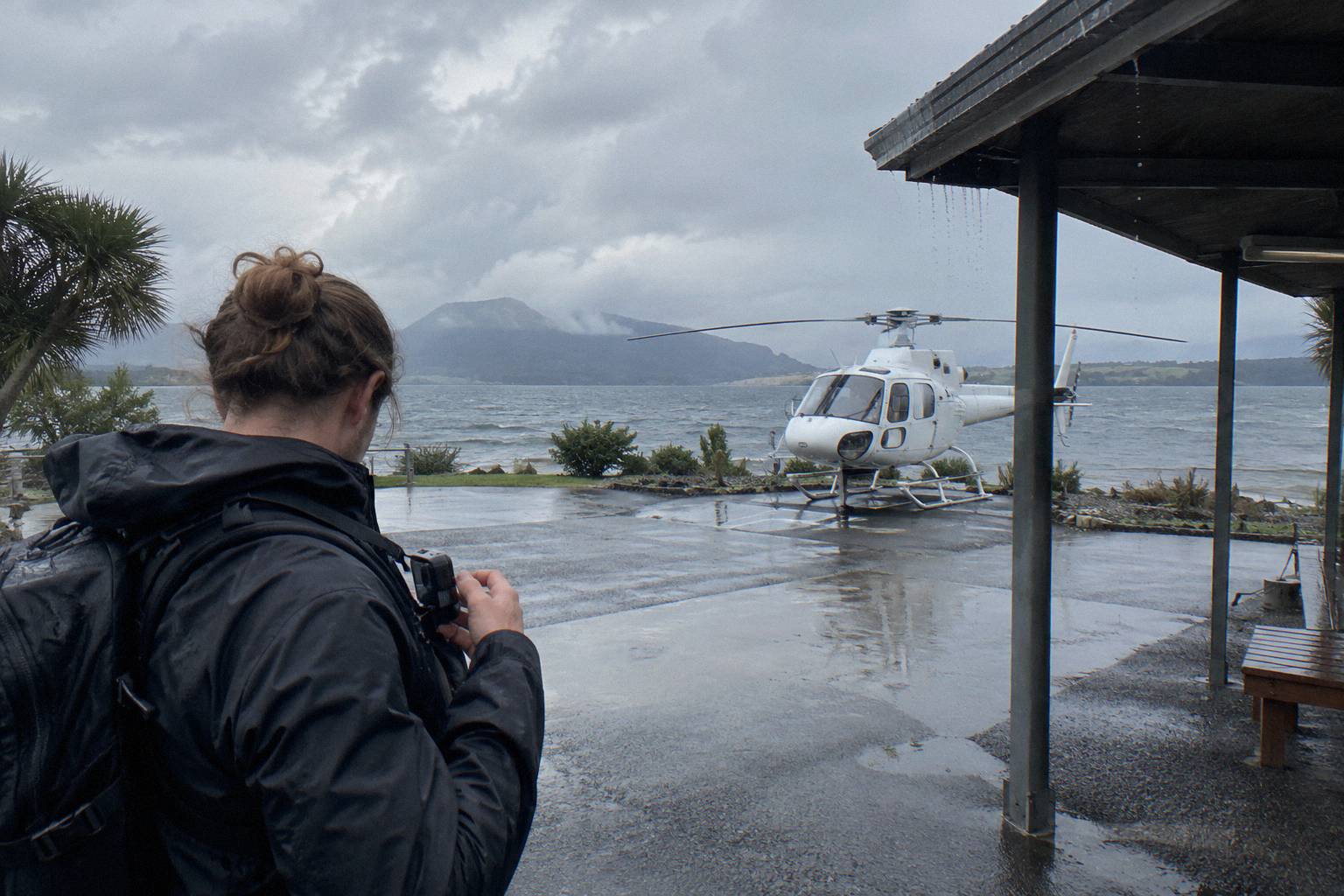
Seasonality folds into the same decision. The operator flies all year in daylight hours, and the region's driest, warmest window runs from late spring in October through to early autumn in April. Rotorua's wettest months on the 1991 to 2020 normals are mid-winter, with July averaging 137.4 mm of rain, against November's 86.8 mm at the dry end. None of that stops a flight, and winter flights can reward with late-day colour, but a review checker planning far ahead should know which months give the weather the best chance of cooperating.
Weather, Cancellation And Review Context
Every review of a Whakaari flight was written inside a weather lottery, and that context rarely makes it into the rating. A five-star morning in flat calm and a two-star grinding afternoon over the same island describe the same product flown in different air. The operator's terms acknowledge this directly: flights are subject to suitable weather, volcanic activity and safe conditions, with rescheduling or a full refund when the operator cancels.
This is why review counts this small deserve extra caution rather than extra weight. Eight flyers may have all gone on calm mornings, or all bumped through the same front. The rating aggregates nothing, because there is nothing to aggregate. The booking terms, by contrast, are constant: free cancellation up to 24 hours in advance, a full refund when the operator stands the flight down, and an offer to reschedule when the day turns.
Volcanic status is the other moving part. Whakaari's condition is monitored continuously and its alert level changes without notice, so no standing status belongs on a travel page; the live reading sits with GeoNet's Whakaari page, which is the reference a nervous flyer should bookmark alongside a booking. The airspace above the island was reopened to overflights in 2020, which is why flyover products exist at all while landings remain suspended.
The practical playbook is short. Book with the 24-hour free-cancellation terms in place, keep an alternative morning open if the forecast is marginal, declare weights accurately, check in early, and treat the rating as what it is: a headcount. The White Island & Mount Tarawera Floatplane Adventure, the most-reviewed of the three at 8 reviews and carrying no price here, rewards exactly the same pre-flight diligence as its siblings.
Mistakes Review Checkers Make
The common errors are: assuming a star rating from eight reviews is evidence of quality; reading pre-2019 landing reviews as if the product still exists; expecting a Whakaari landing because old photos show one; booking a morning with no fallback slot; and under-declaring weight to avoid a surcharge. Every one of these is avoidable with ten minutes of reading before payment, and none is fixed by sorting trips by rating.
The pre-2019 review trap is the sneakiest, because those reviews describe real experiences people genuinely had. But they reviewed a walking tour on an active crater floor, and that product is gone. Weighing a modern flyover against those memories guarantees disappointment, since the flyover is a different experience at a different price point flown for a different purpose: to see the volcano whole, steam and all, from the air.
Under-declaring weight deserves a second mention because it feels harmless and is not. Weighing happens on arrival, in front of the same crew flying the aircraft, and a material deviation can reschedule or cancel the booking at the operator's discretion. The surcharge thresholds are real: over 110 kg a surcharge may apply, and over 135 kg as weighed, two adult fares are required. Reviews almost never surface this, because the people it happens to are busy rebooking.
| Mistake | Why it backfires | The fix |
|---|---|---|
| Trusting a rating from 8 reviews | Pool too small to mean anything | Decide on duration, route and terms |
| Reading pre-2019 landing reviews | Landing product is suspended | Compare flyovers only |
| Expecting a Tarawera landing | Pilot's sole discretion | Treat it as a bonus, not a promise |
| Booking one tight morning | Weather can stand a flight down | Keep a fallback slot |
| Under-declaring weight | Reschedule, surcharge or cancellation | Declare accurately at booking |
Finally, do not skip the meeting-point detail. The base is the Lakefront at 1 Lakefront Drive, under a kilometre from the town centre, with helicopter check-in 30 minutes before departure and floatplane check-in 20 minutes. There is no hotel pickup on standard flights; direct pickups exist only for bespoke charters. Arriving late to a six-passenger helicopter is the kind of story that ends up as a one-star review of a perfectly good flight.
One last habit worth breaking: searching for a Whakaari rating and then, finding little, widening the search to every Volcanic Air flight and borrowing the strongest number. A healthy rating on a 15-minute lakes loop tells a buyer nothing about a two-hour offshore leg in a different aircraft. Keep the comparison inside the family of trips actually being booked, accept the thin data for what it is, and let the terms, the duration and the route carry the decision instead.
When the checks are done and the choice is between the three, the trio below covers the whole family: the Waimangu bundle, the two-landmark floatplane, and the long helicopter with the Tarawera summit landing in play.
Common Questions About Whakaari Flyover Bookings
Are There Whakaari White Island Helicopter Flight Reviews With High Ratings?
The three Whakaari-linked trips carry 8, 7 and 2 reviews. Those pools are too small for star ratings to be shown as evidence of quality, so no rating appears for any of them.
Can A Helicopter Land On Whakaari?
No. Landings are suspended, with no helicopter flights or boat tours landing on the island. Every bookable Whakaari trip from Rotorua is a flyover.
Which Whakaari Flight Has The Most Reviews?
The White Island & Mount Tarawera Floatplane Adventure, with 8 reviews. It carries no from-price on this line-up.
What Does A Whakaari Flyover Cost?
The only published price in the family is from NZ$1,230 per person for the White Island, Mount Tarawera & Waimangu floatplane flight. All amounts are New Zealand dollars.
What Happens If Weather Cancels A Whakaari Flight?
The operator works with you to reschedule or provides a full refund. Bookings also carry free cancellation up to 24 hours in advance on their booking terms.
Is The Volcanic Extremes Helicopter Worth Considering With Only 2 Reviews?
Its review pool gives no signal either way. Decide it on its facts: 1 hour 45 minutes, flyover of Whakaari, and a Mount Tarawera summit landing at the pilot's sole discretion.