How Long Is A Rotorua Helicopter Flight? Flight Time Versus Total Time
Rotorua flights run from a 15 minute scenic loop to a three hour geothermal expedition, and the time in the air is only part of the schedule.
Short answer
Rotorua helicopter and floatplane trips range from a 15 minute crater lakes flight to a three hour geothermal park expedition, with total durations of 40 minutes, one hour 45 minutes and two hours in between. Check-in adds 30 minutes for helicopters and 20 for floatplanes, so even the shortest trip needs about an hour set aside.
For the wider picture of what each flight covers, see the Rotorua scenic flights overview.
| Quick Fact | Detail |
|---|---|
| Shortest flight | 15 minutes in the air (Crater Lakes By Helicopter, 15 Minutes; Crater Lakes By Floatplane, 15 Minutes) |
| Longest single booking | 3 hours total (Geothermal Park Landing, 3 Hours) |
| Check-in | 30 minutes before helicopters, 20 before floatplanes |
| Meeting point | Volcanic Air, Lakefront, 1 Lakefront Drive, Rotorua 3010 |
| Landing flights | Mount Tarawera summit, Orakei Korako, or both |
| Operation | All months of the year, daylight hours |
| Cancellation | Free cancellation up to 24 hours in advance on the listed trips |
How Long Is A Rotorua Helicopter Flight In The Air?
A Rotorua helicopter flight in the air lasts anywhere from 15 minutes to one hour 45 minutes, depending entirely on which trip you book, because every flight on the local line-up is a separate product with its own route and landing plan rather than a variable-duration ride. The 15 minute crater lakes loop is the shortest, scenic Tarawera flights run around 30 minutes, and the Volcanic Extremes helicopter trip totals one hour 45 minutes from start to finish.
The key distinction is flight time versus total duration. Some trips quote only total time, some quote both. The "Helicopter Landing, Guided Summit Walk" trip, formally the Rotorua: Helicopter Flight and Guided Walk on Mt Tarawera, is listed as 40 minutes total, and that total includes the summit landing and the guided walk segment, not just the flying. The "Scenic Floatplane, Tarawera And Waimangu" trip is listed as a 30 minute flight inside a 40 minute total. The difference between the two figures is the time spent on the ground at a landing. There is no hourly rate or extension option on the standard trips; the duration is fixed by the itinerary.
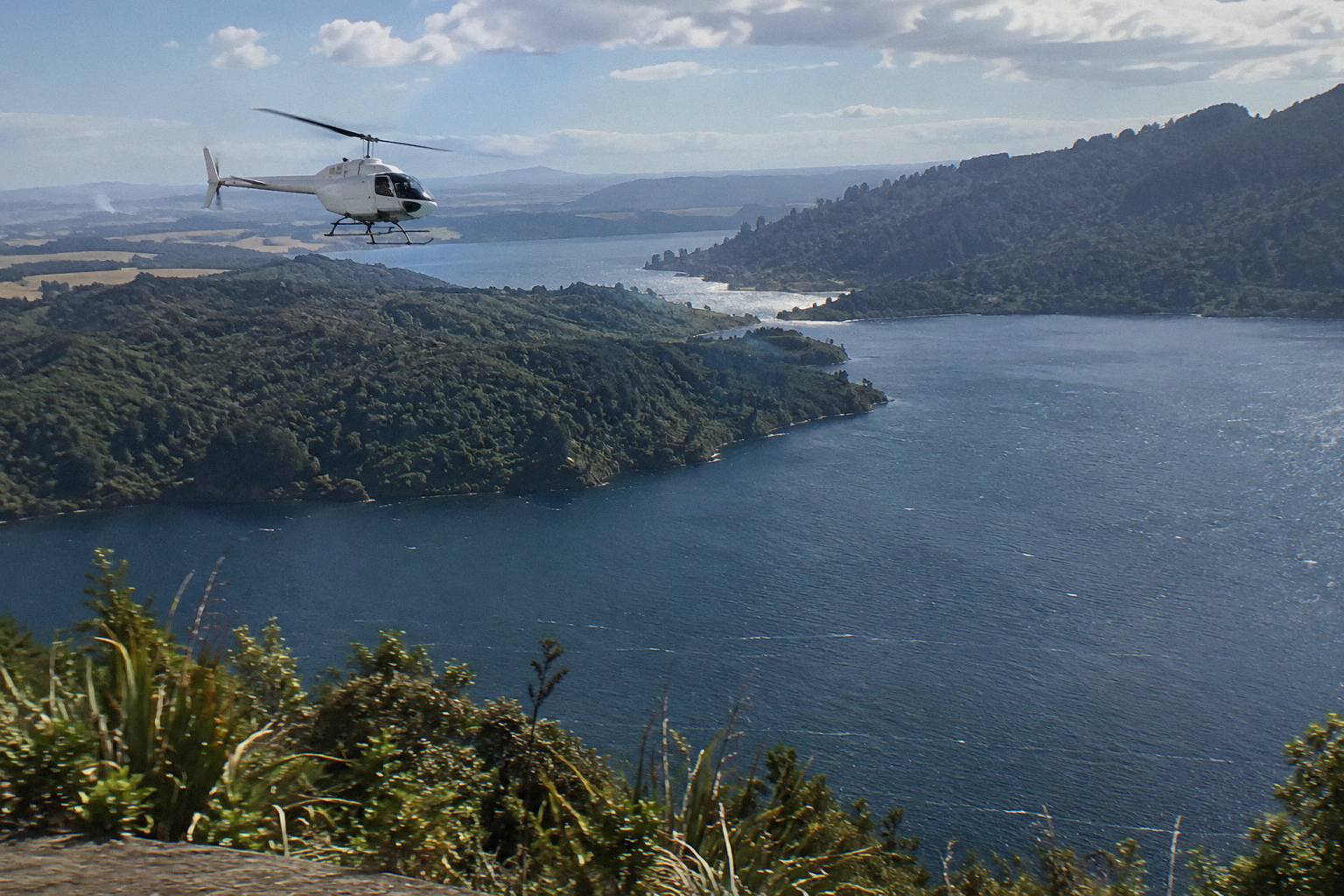
Duration also scales with distance rather than with scenery density. The crater lakes flights stay close to Rotorua, crossing lakes Okareka, Okataina and Tarawera territory within a quarter of an hour. The Whakaari flights, by contrast, cover the roughly 48 km of open water between the mainland and the island before returning, which is why the shortest Whakaari option on the line-up, the "Volcanic Extremes, 1h45m Helicopter" trip, runs close to two hours door to door. Two trips can therefore feel like entirely different products even though both are sold as "a helicopter flight in Rotorua".
A practical way to think about it: anything 15 to 40 minutes is a sightseeing loop, roughly an hour to an hour 45 is a two-volcano expedition, and the two to three hour range buys you a landing plus a walk through a geothermal park. The table in the next section lays out every trip with its duration type so the comparison is side by side.
How Much Time Does The Whole Experience Take?
Plan on the flight duration plus 30 minutes of check-in before helicopters, or 20 minutes before floatplanes, plus travel to the Lakefront base and some buffer afterwards, so a 15 minute flight realistically occupies about an hour of your day and a three hour expedition close to four. The check-in window is not optional: it covers the full safety briefing. The base is under 1 km from the Rotorua town centre.
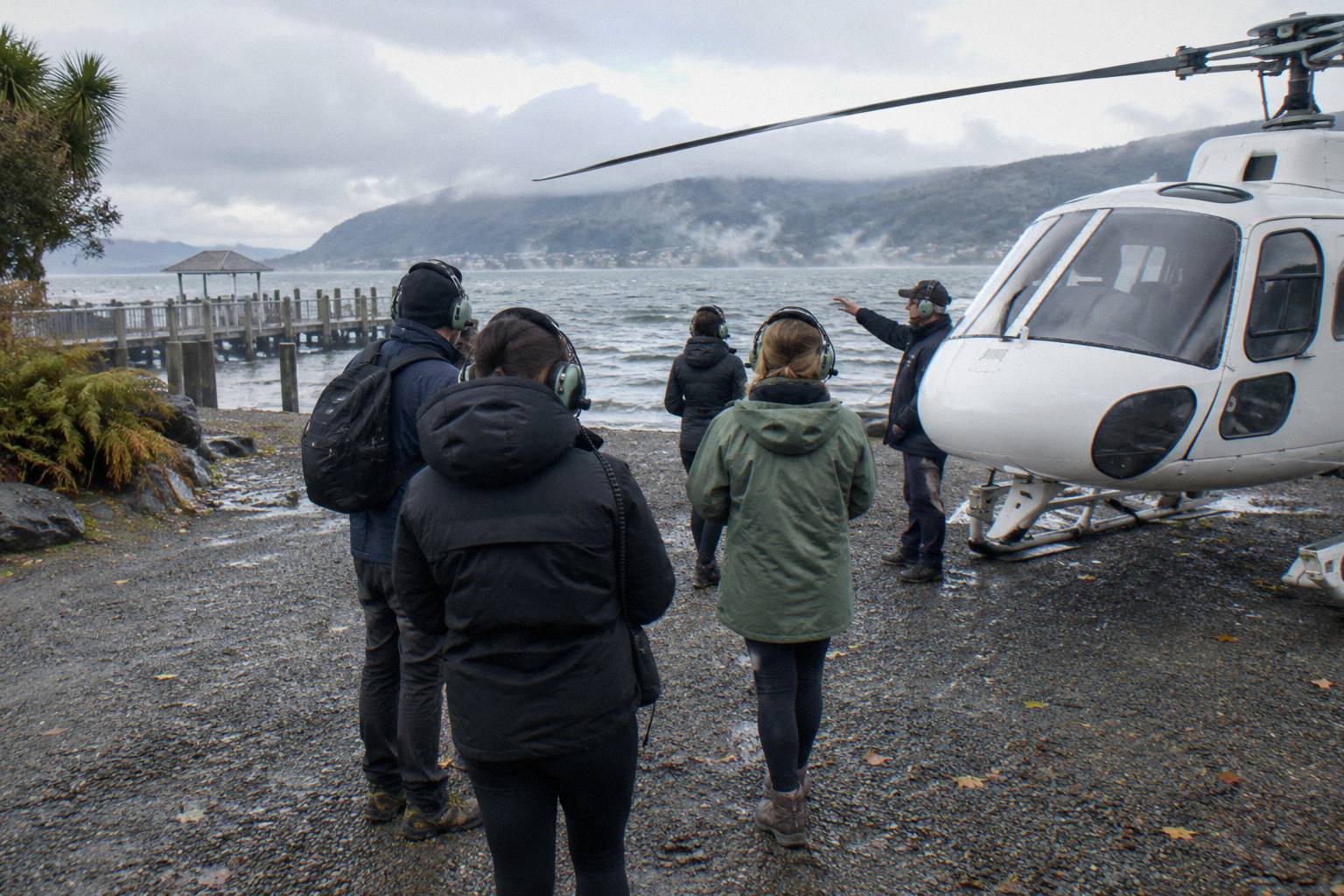
The operator requires every passenger to check in at the Lakefront office before the flight for a full safety briefing, and the timing differs by aircraft type: 30 minutes prior for helicopters and 20 minutes prior for floatplanes. This is stated plainly in the operator's frequently asked questions page, and it is the figure to build your schedule around rather than the headline flight time. Weight checks also happen at check-in, since passengers are weighed on arrival so the aircraft stays within balance limits, which is another reason the window exists.
Here is every trip on the line-up with its duration and landing:
| Trip | Aircraft | Duration | Landing |
|---|---|---|---|
| Crater Lakes By Helicopter, 15 Minutes | Helicopter | 15 minutes | No landing (flyover) |
| Crater Lakes By Floatplane, 15 Minutes | Floatplane | 15 minutes | No landing (flyover) |
| Scenic Floatplane, Tarawera And Waimangu | Floatplane | 30 minute flight, 40 minutes total | No landing (flyover) |
| Tarawera Volcano Floatplane | Floatplane | 30 minute flight | No landing (flyover) |
| Helicopter Landing, Guided Summit Walk | Helicopter | 40 minutes total | Mount Tarawera summit |
| One-Hour Volcanic Adventure | Helicopter | About 1 hour | Mount Tarawera summit |
| Floatplane, Orakei Korako Landing | Floatplane | 2 hours total | Orakei Korako |
| Floatplane, Waimangu Included | Floatplane | 2 hours total | No landing (flyover) |
| Volcanic Extremes, 1h45m Helicopter | Helicopter | 1 hour 45 minutes total | Mount Tarawera summit |
| Geothermal Park Landing, 3 Hours | Helicopter | 3 hours total | Mount Tarawera summit and Orakei Korako |
Note that a few trips quote their duration only on the booking page at the moment of booking, which is also where the current from-price sits. Where a figure is shown above it comes from the trip's own published duration. For the deeper question of what a Tarawera landing actually involves minute by minute, the Mount Tarawera helicopter landing guide works through it.
One more scheduling layer: hotel pickup is not part of standard flights. Direct pick-ups are offered only for bespoke charters, so the default plan is making your own way to 1 Lakefront Drive. Because the base sits at the lake edge of the town centre, that is a short walk from most central accommodation, but it is a real drive from accommodation out toward Ngongotaha or Hamurana and worth factoring in.
Which Rotorua Flights Take Under An Hour?
Four trips fit inside an hour total: the two 15 minute crater lakes flights, one by helicopter and one by floatplane, and the two roughly 40 minute Tarawera options, the scenic floatplane over Tarawera and Waimangu and the 40 minute helicopter landing with guided summit walk. All four depart from the same Lakefront base, and the helicopter landing trip is the one that puts you on the mountain itself.
The 15 minute tier is the purest time-efficient option. The "Crater Lakes By Helicopter, 15 Minutes" trip crosses the lake country immediately south and east of Rotorua, and its floatplane twin covers similar territory from the waterborne pier. With 30 minutes of helicopter check-in or 20 minutes of floatplane check-in, either one slots into a morning without restructuring your day, which is exactly why they appeal to visitors passing through on a tight itinerary or families testing how younger children handle a first flight. Children of all ages are welcome, with under 2s on a lap and child rates for ages 2 to 11.
The 40 minute tier adds Mount Tarawera. The "Scenic Floatplane, Tarawera And Waimangu" trip, from NZ$395 per person and rated 4.9 from 28 reviews, overflies the mountain and the Waimangu Valley in a 30 minute flight inside a 40 minute total, with no landing. The "Helicopter Landing, Guided Summit Walk" trip, from NZ$675 per person, uses its 40 minutes to land on the Tarawera summit for a 15 minute guided walk, per the operator's Tarawera landing flight page. All amounts are New Zealand dollars. Both are weather dependent, and the landing is at the pilot's sole discretion.
Between the two, the deciding factor is usually whether standing on the volcano matters more than the lower price. The flyover gives you the rift and the lakes from above; the landing gives you the crater floor underfoot. Both finish within an hour of wheels-up, which leaves the rest of the day for Waimangu, Te Puia or the lakefront itself.
How Long Do Landing Flights On Mount Tarawera Take?
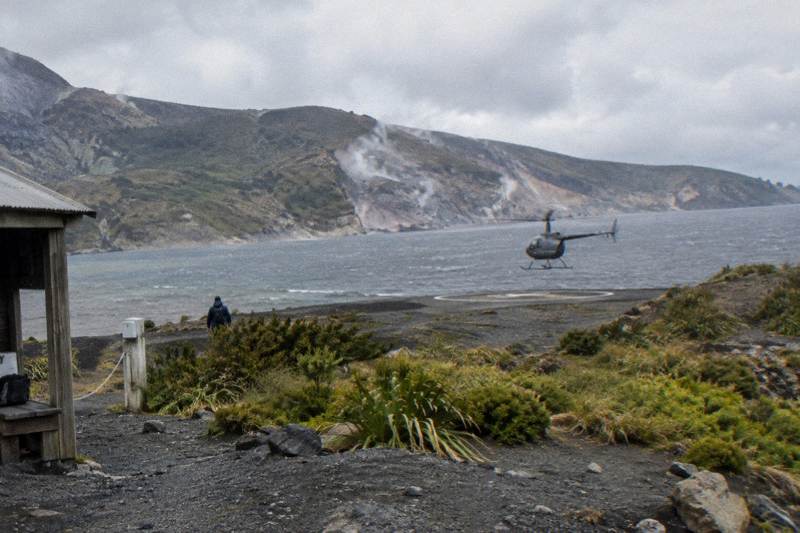
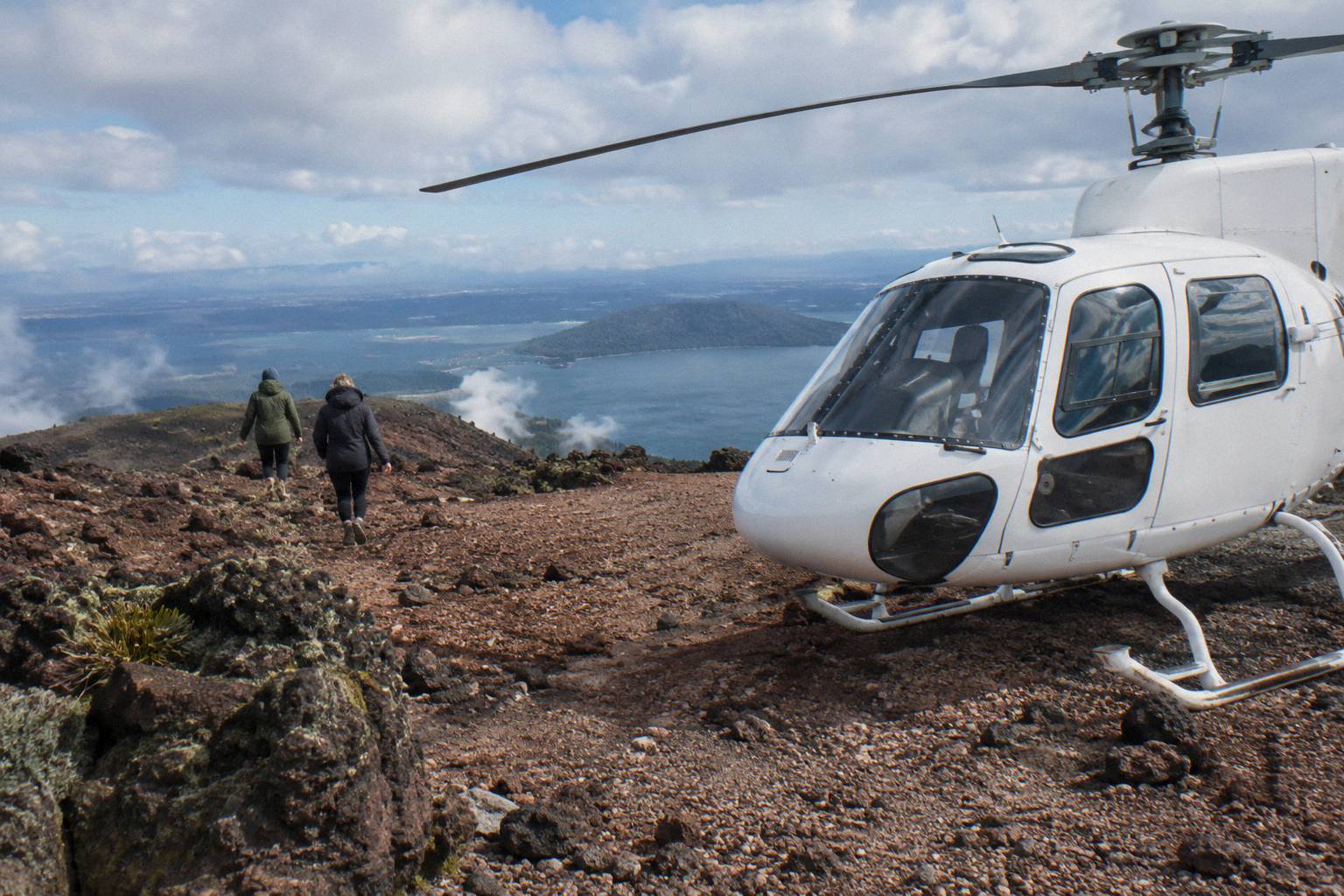
Landing flights on Mount Tarawera range from 40 minutes for the shortest guided summit walk option up to three hours for the geothermal park expedition with two landings. Standard volcano landing trips and the one hour volcanic adventure take around an hour, while the Volcanic Extremes trip pairing Tarawera with a Whakaari flyover runs about one hour 45 minutes. Every summit landing includes a 15 minute guided walk, made at the pilot's sole discretion on the day.
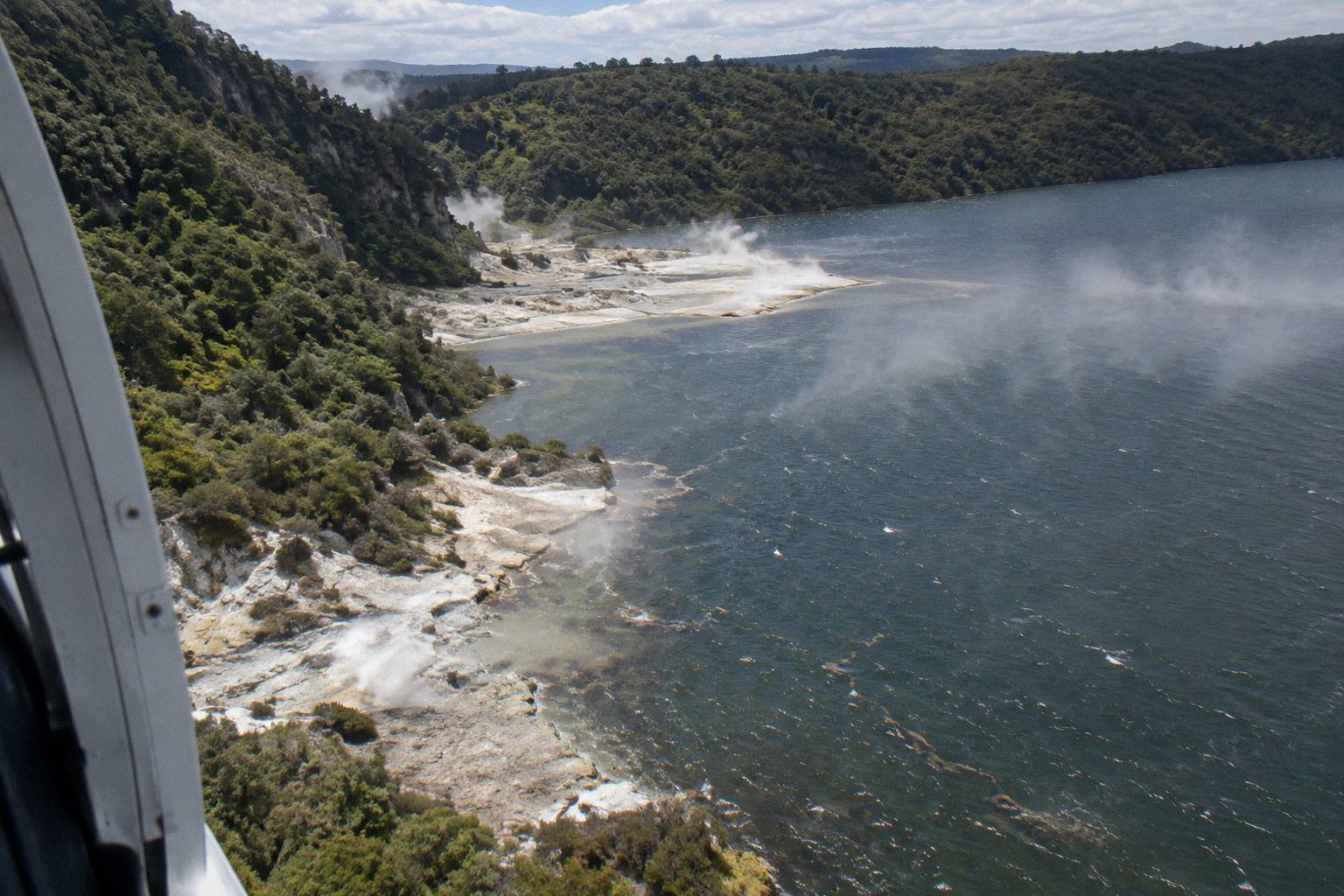
The 15 minute walk is the fixed unit inside all of these. The operator's flight wording describes landing on the summit of Mount Tarawera for a 15 minute guided walk after flying over what the operator calls 8 km of rift and craters across the mountain top. That 8 km figure is the operator's flight wording for the span over the mountain; the scientific record from GNS Science describes the full 1886 rift as 17 km long, running across the mountain, through Lake Rotomahana and into the Waimangu Valley area. Two different spans, two different sources, both correct at their own scale.
Why the landing exists at all: independent summit access to Mount Tarawera is not permitted. Access is through authorised guided tours or approved helicopter landings, with the operator working as a concessionaire alongside Ngati Rangitihi, the iwi who hold kaitiakitanga of the maunga, and the Ruawahia 2B Trust that governs the mountain reinvesting most tourism concession revenue in conservation. The flight is not a shortcut around a hiking fee; it is one of the only doors in.
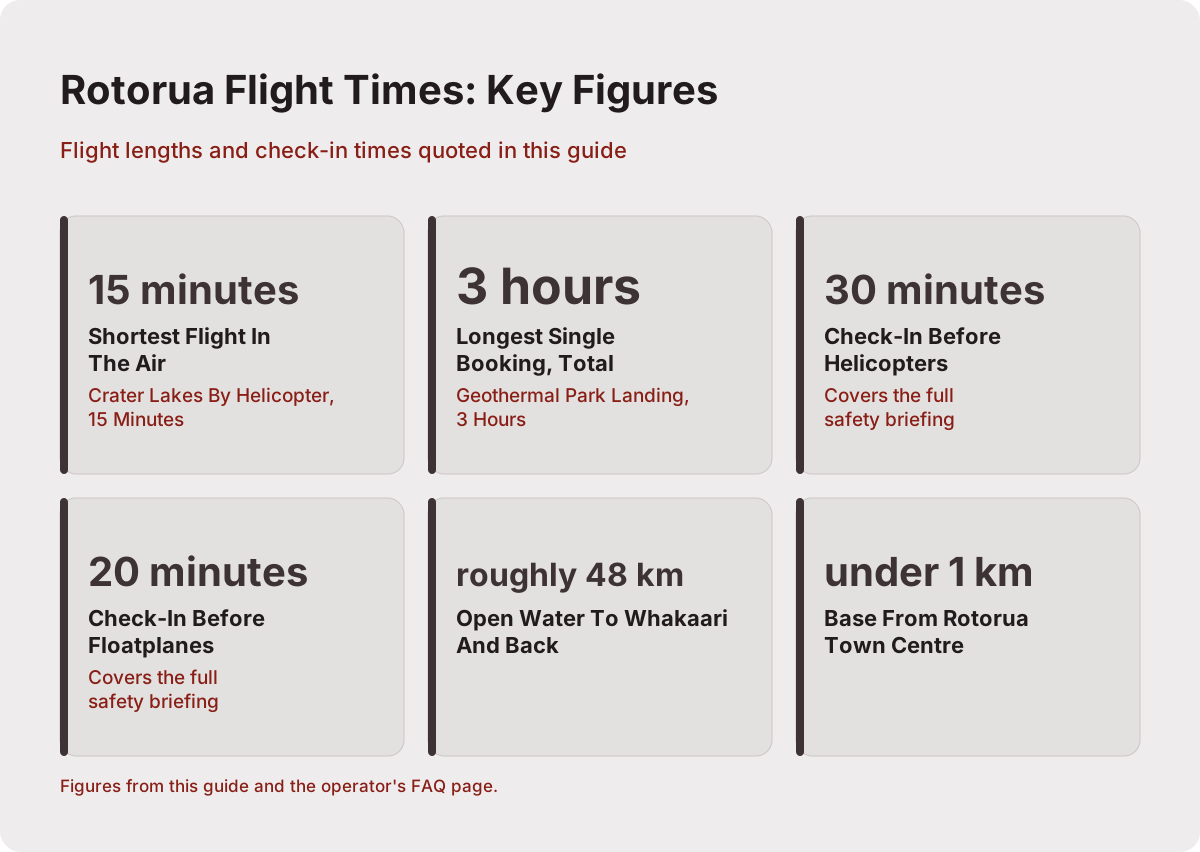
The longer Tarawera options extend the day rather than the walk. The "Geothermal Park Landing, 3 Hours" trip, from NZ$1,490 per person, lands on the Tarawera summit and again at Orakei Korako, where the geothermal field is reached by a short ferry ride across Lake Ohakuri from the visitor centre. The "Volcanic Extremes, 1h45m Helicopter" trip spends its extra time flying out over Whakaari, roughly 48 km off the Whakatane coast, before returning to land on Tarawera. Whakaari landings are suspended, so that trip is a flyover of the island paired with the Tarawera landing.
For anyone weighing the money side of these tiers rather than the minutes, the Mount Tarawera helicopter price guide breaks the from-prices down trip by trip.
How Long Are The Floatplane Options?
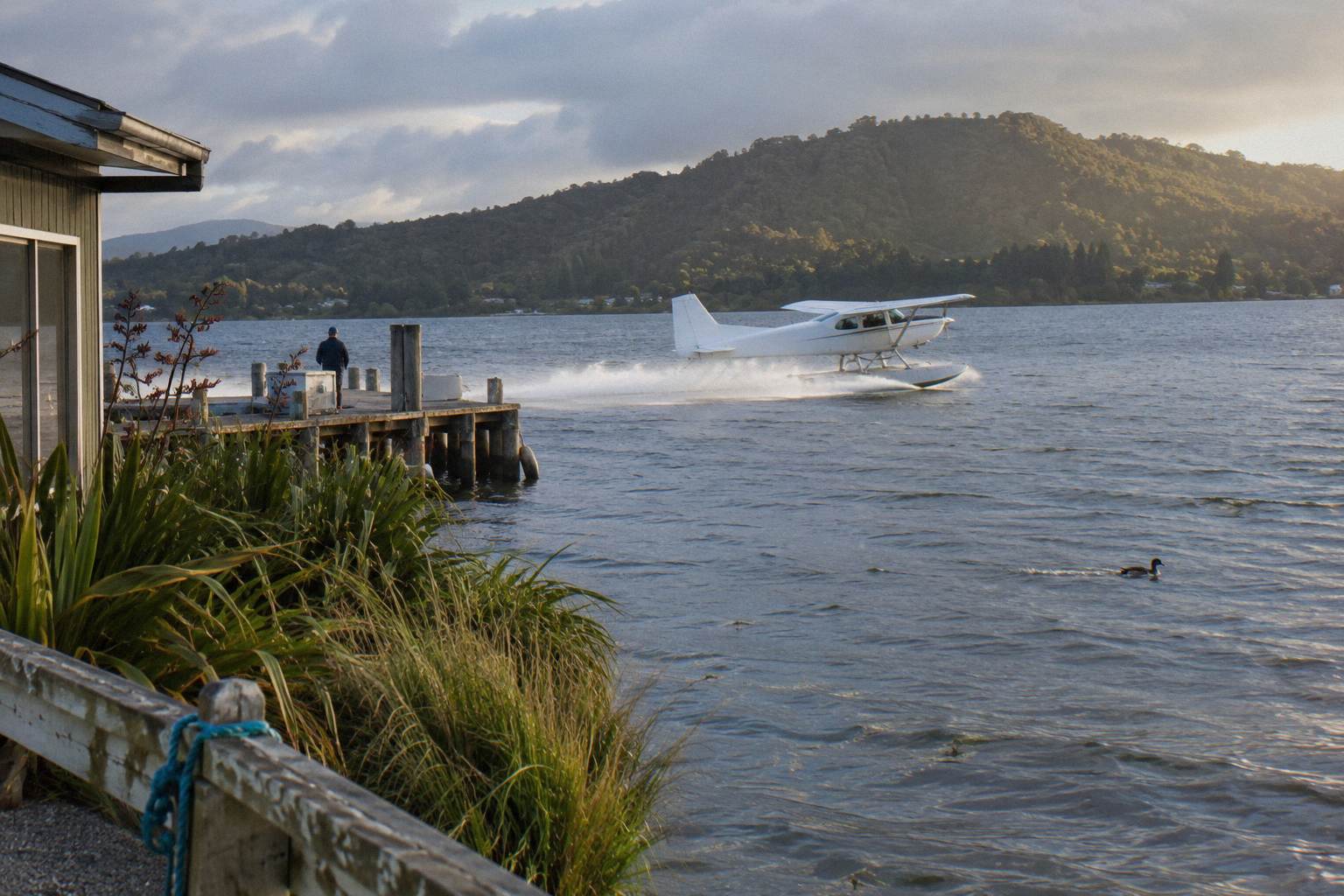
Floatplane options run from 15 minutes for the crater lakes loop, through a 30 minute flight in a 40 minute total for the Tarawera and Waimangu scenic trip, to two hours total for the Orakei Korako landing and the White Island, Tarawera and Waimangu expedition. Floatplanes take off from Lake Rotorua at the lakefront pier and check-in is 20 minutes rather than 30, so the experience runs about ten minutes leaner end to end.
The floatplane fleet shares the Lakefront base with the helicopters, but the departure itself is different: the aircraft takes off from the water. On the crater lakes flight the operator describes departing from the city-centre lakefront pier and climbing around Mokoia Island, which the operator calls a native bird sanctuary, with views over Sulphur Bay and the city before heading for the lakes. For passengers who have never flown from water, the takeoff run across Lake Rotorua is a genuine part of the attraction rather than dead time.
The two hour tier is where floatplanes earn their keep. The "Floatplane, Orakei Korako Landing" trip, from NZ$845 per person, flies south, and the operator describes the pilot touching down on the winding Waikato River at the Hidden Valley, the access point for Orakei Korako's geothermal field, with the return crossing farmland and the Paeroa Range. Ground time at the park fills most of the difference between a 30 minute flyover and a two hour landing trip, and the park itself claims up to 23 active geysers and Ruatapu Cave at over 36 m deep, in the park's own wording.
The "Floatplane, Waimangu Included" trip, from NZ$1,230 per person, uses its two hours differently: it overflies Whakaari and Mount Tarawera and folds in Waimangu Volcanic Valley, the geothermal system that formed along the 1886 rift, about 25 minutes drive from the city centre per Waimangu's own getting here page. Whether a floatplane or a helicopter suits you better is its own question with its own answer, and the Rotorua helicopter versus floatplane comparison works through it in full.
Does The Season Or Time Of Day Change Flight Length?
No, the season does not change the booked duration, but it can change whether a flight runs at all and at what hour, because the operator flies in all months of the year during daylight hours only, subject to suitable weather and safe flying conditions. Mornings often give the calmest weather and smoothest flying, while afternoons can offer warmer temperatures and late-day colour, especially in winter. A weather-cancelled flight is rescheduled or refunded in full.
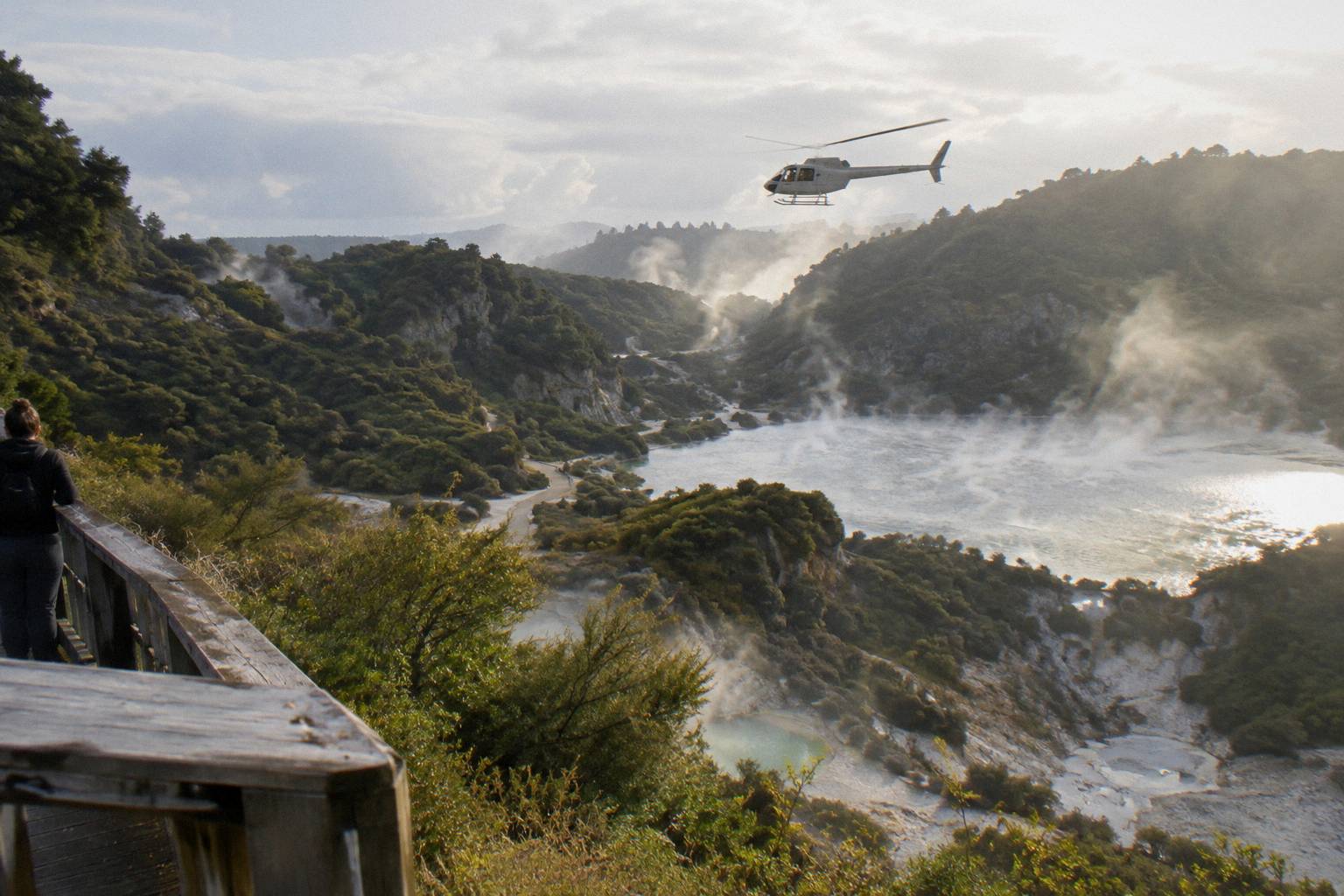
Daylight hours is the quiet constraint. Because there is no night flying, the bookable window shifts across the year: summer stretches the available span of departure slots, winter compresses it toward the middle of the day. That matters most for the long trips. A three hour expedition simply needs more daylight ahead of it than a 15 minute loop, so in midwinter the long trips concentrate into late morning and early afternoon departures. Per-product start times are confirmed at booking rather than published in advance.
Rainfall is fairly even across the Rotorua year, which is worth knowing before assuming one month is safe and another is risky:
| Month | Average rainfall, mm |
|---|---|
| January | 93.8 |
| February | 100.4 |
| March | 100.3 |
| April | 133.0 |
| May | 130.2 |
| June | 131.9 |
| July | 137.4 |
| August | 125.2 |
| September | 106.6 |
| October | 92.9 |
| November | 86.8 |
| December | 117.1 |
Those are 1991 to 2020 averages. The practical reading is that no month is dramatically drier than another: the spread runs from 86.8 mm in November to 137.4 mm in July, a difference that any given week can erase. Rotorua's tourism body notes that the driest and warmest weather runs from late spring in October to early autumn in April, which matches the lower half of the table, but a booking in February can still meet a low cloud day and a July booking can still meet a still, clear one. The Rotorua weather note on the regional tourism site makes the same point.
If weather does stop a flight, the operator's terms are that flights operate subject to suitable weather and safe flying conditions, and if a flight cannot go ahead due to weather the operator works with you to reschedule or provide a full refund. That is why scheduling buffer matters: building a flight into the last available slot of your last day in town leaves no room to take up a reschedule. The Rotorua helicopter weather guide covers the forecasting side of this in depth.
How Much Time Should You Allow Around The Flight?
Allow the trip's total duration, plus 30 minutes of check-in for helicopters or 20 for floatplanes, plus your travel to and from the Lakefront, plus at least one spare slot later in your stay as a reschedule buffer. In practice that means blocking half a day for any flight over an hour, and treating even a 15 minute loop as a one hour commitment. Weather and volcanic activity can shift or cancel departures.
The reschedule buffer deserves emphasis because it is the part of the plan nobody books for. The scenic Tarawera and Waimangu floatplane trip's own description says plainly that the tour is weather dependent and will not go ahead if it is not safe or if the views cannot be seen. When that happens the outcome is good, a reschedule or a full refund, but only if there is a later slot for you to move into. Fly on day two of a four day visit and a scrubbed departure becomes an inconvenience; fly on the way to the airport and it becomes a loss.
Here is how the realistic block of time adds up per tier, using a 15 minute walk from central accommodation each way:
| Trip tier | Check-in | Trip duration | Walk both ways | Realistic block |
|---|---|---|---|---|
| 15 minute crater lakes loop | 30 min (helicopter) | 15 min | 30 min | About 1 hour 15 minutes |
| 40 minute Tarawera landing | 30 min | 40 min | 30 min | About 1 hour 40 minutes |
| Two hour floatplane landing | 20 min | 2 hours | 30 min | About 2 hours 50 minutes |
| Three hour geothermal expedition | 30 min | 3 hours | 30 min | About 4 hours |
Around the flight itself, the Lakefront location makes the logistics easy. The base is under 1 km from the Rotorua town centre, so the walk from most central hotels is shorter than the check-in window. What to bring is a short list: camera, sunglasses and a jacket, and closed-toe comfortable footwear if your flight includes a landing, per the operator's FAQ. Nothing about the experience needs a half-day preparation, which is exactly why the check-in windows feel generous rather than tight.
For travellers stacking a flight into a bigger day, the one day Rotorua itinerary with a helicopter flight sequences a flight against the geothermal parks and the lakefront so the durations actually fit. The short trips pair naturally with a morning at Waimangu or an afternoon at the Buried Village, both of which sit on the same southbound corridor the flights overfly.
Common Mistakes When Scheduling A Rotorua Helicopter Flight
The five mistakes that cost people most: booking a flight for the last afternoon of a trip with no reschedule buffer, confusing flight time with total duration, arriving without the check-in window and risking the briefing cut-off, assuming hotel pickup is included when standard flights require you at the Lakefront, and leaving weight and child declarations to the arrival desk rather than the booking. Each one is avoidable by scheduling around total time plus buffer.
The flight-time trap deserves a restatement because it catches even careful planners. A "15 minute" crater lakes flight is 15 minutes of flying, but 30 minutes of check-in before it and a walk either side. A "three hour" geothermal expedition is three hours from the base, plus check-in, plus the fact that you will want food afterwards. When a trip says 40 minutes total, the word total is doing real work: that figure already contains the landing and the guided walk. Booking a restaurant 45 minutes after a 40 minute total trip, counting backwards from wheels-up rather than from arrival at the base, is the classic version of the error.
The weight declaration is the other quiet one. Weight must be declared at booking and passengers are weighed on arrival; the operator's terms state that any deviation from the declared weight may result in a flight being rescheduled, a surcharge being applied, or a booking being cancelled, at the operator's sole discretion. Over 110 kg a surcharge may apply, and over 135 kg as weighed requires two adult fares. Declaring accurately at booking removes a whole category of day-of surprises, and the dedicated Rotorua helicopter flight weight limits guide works through the detail.
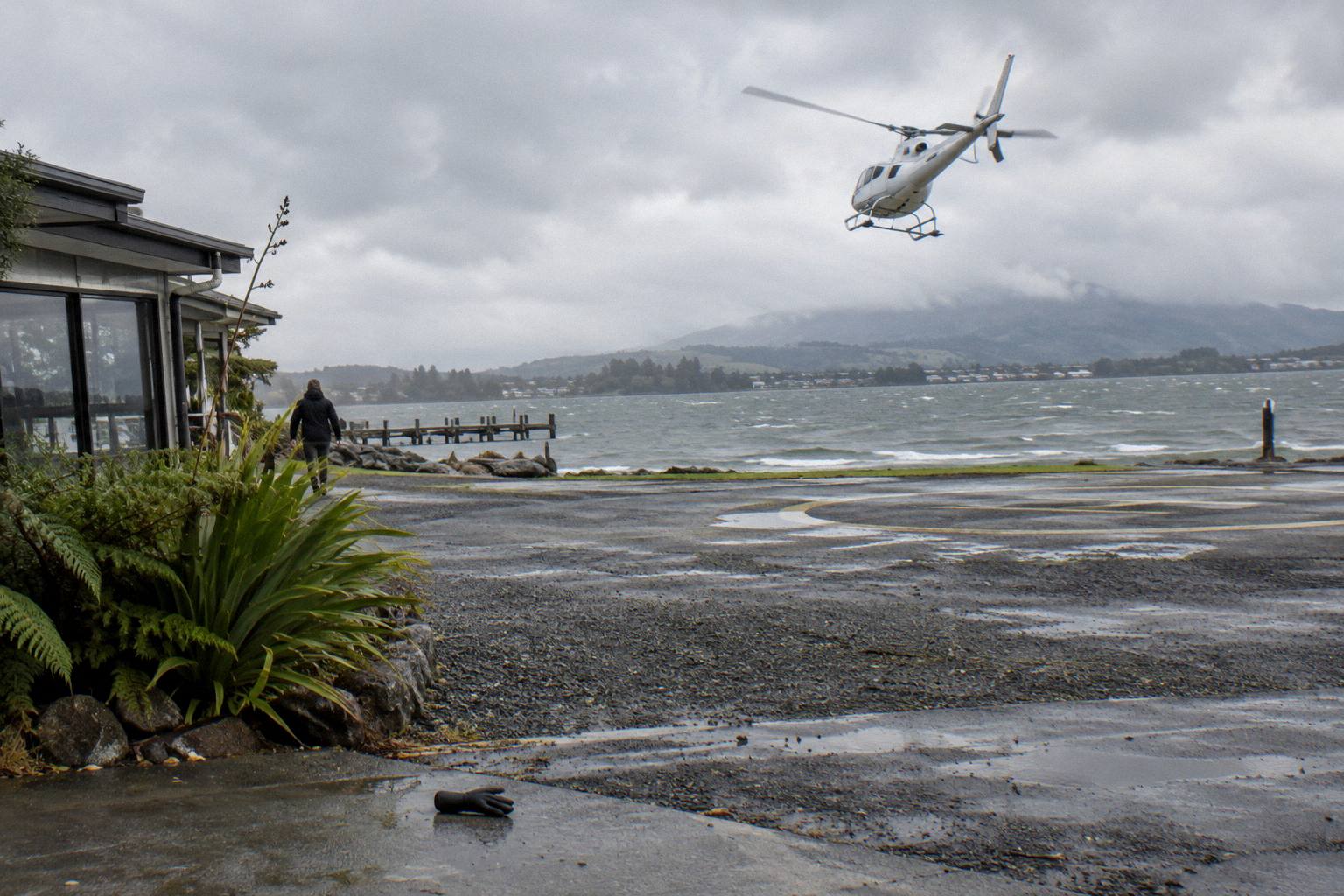
Finally, build the buffer into the front of the trip, not the back. The operator has been flying in the region since 1992, describes itself as a CAA-certified NZ air operator, and runs daily all year in daylight hours, so availability is rarely the constraint. What is constrained is your own calendar. Two candidate slots beats one perfect slot every time, and the 24 hour free-cancellation terms on the listed trips mean a provisional early booking costs nothing to move.
For the broader question of whether the minutes are worth the money at each tier, the are helicopter tours worth it guide makes the case both ways. And for everything on where these flights depart from, what the base looks like and how the day runs, Rotorua Helicopter Tours keeps the full picture in one place.
Common Questions About Flight Durations And Scheduling
How Long Is A Rotorua Helicopter Flight?
Flight time ranges from 15 minutes for the crater lakes loops to one hour 45 minutes for the Volcanic Extremes trip, with total durations running up to three hours for the dual-landing geothermal expedition. The number quoted for each trip is either flight time or total time depending on the trip, so check which one applies before planning around it.
How Early Do I Need To Check In For A Rotorua Flight?
Check in 30 minutes before a helicopter flight and 20 minutes before a floatplane flight, at the Volcanic Air office on the Lakefront at 1 Lakefront Drive. The window covers the full safety briefing and the weighing of passengers, so it cannot be skipped.
Does The 15 Minute Flight Really Only Take 15 Minutes?
The flying takes 15 minutes, but the full experience takes about an hour: 30 minutes of check-in and briefing for the helicopter version, 20 for the floatplane, plus travel to the Lakefront base and boarding. It still fits comfortably into a morning, just not into a quarter of an hour.
How Long Is The Mount Tarawera Landing?
The guided walk on the summit lasts 15 minutes, inside a 40 minute total for the shortest landing trip. The landing itself is at the pilot's sole discretion and is not guaranteed; it depends on weather, volcanic activity and passenger loadings on the day.
What Happens If My Flight Is Cancelled For Weather?
The operator reschedules the flight or provides a full refund if it cannot go ahead due to weather. That is why a spare slot later in your stay matters: a reschedule only helps if there is room in your itinerary to take it.
Is There A Flight That Fits Into One Hour Total?
Yes. The two 15 minute crater lakes flights and the roughly 40 minute Tarawera options all finish within an hour of check-in, making them the practical choice for a tight schedule or a first flight with children.