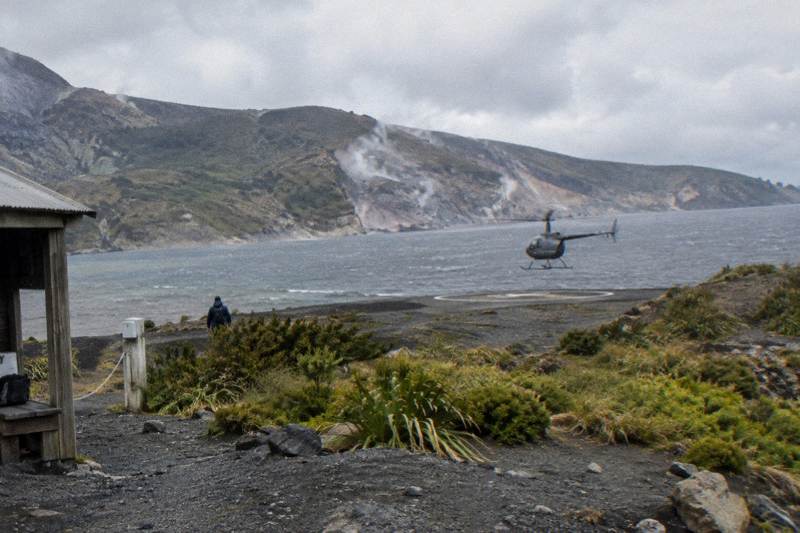
Best Time Of Day And Year For A Rotorua Helicopter Flight
Timing changes what a flight over Rotorua gives you: the light, the cloud base, the turbulence and whether the flight leaves at all. Here is how to pick the hour and the month.
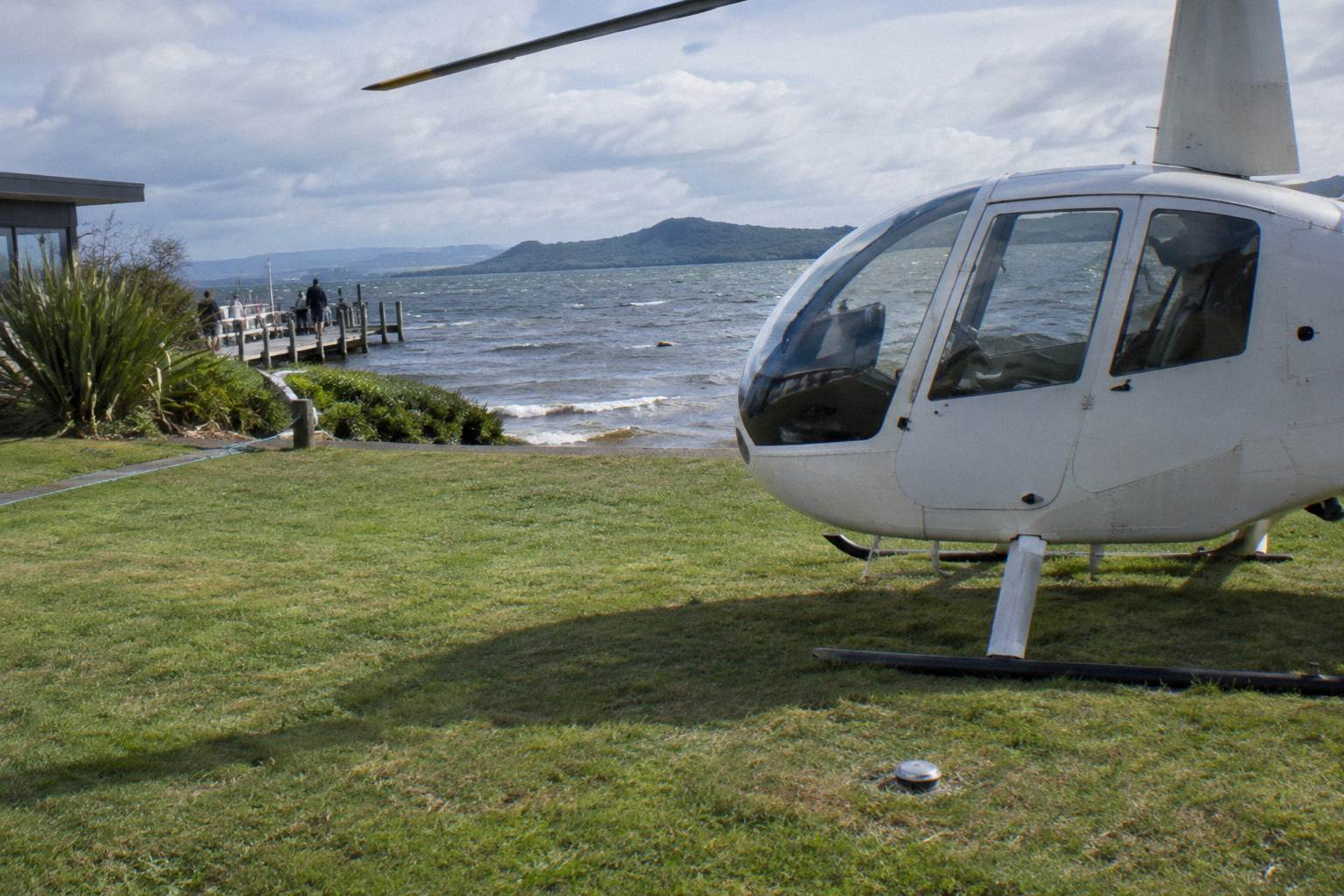
Short answer
Mornings often give the calmest air and the softest light, and afternoons can give warmer temperatures and late-day colour, per the operator's own FAQ. Flights run in every month during daylight hours. The driest, warmest window in Rotorua runs from October to April, though July rainfall of 137.4 mm still leaves workable flying days.
For the wider picture on how weather cancels or moves flights, see the rotorua helicopter weather guide.
| Quick Fact | Detail |
|---|---|
| Operator | Volcanic Air, flying in the region since 1992 |
| Meeting point | Rotorua City Lakefront, 1 Lakefront Drive |
| Check-in | 30 minutes prior for helicopters, 20 for floatplanes |
| Months of operation | All months of the year |
| Business hours | Daylight hours |
| Driest, warmest window | October to April |
| Wettest month (1991 to 2020 normal) | July, 137.4 mm |
| Driest month (1991 to 2020 normal) | November, 86.8 mm |
Is Morning Or Afternoon Better For A Rotorua Helicopter Flight?
There is no single winner, and the operator's own FAQ says so plainly: mornings often give the calmest weather and smoothest flying with soft photographic light, while afternoons can offer warmer temperatures and late-day colour, especially in winter. The answer depends on which matters more to you, still air or warm colour, and on the weather front sitting over the Bay of Plenty on that particular day. Build your day around both and keep one flexible.
The reasoning behind morning calm is physical. Rotorua's air is usually most stable early, before the sun heats the ground and starts thermal churn over the forest and the lakes. For a passenger that difference shows up as a smoother cabin and a steadier platform for photographs, which matters most on the short flights where every minute of air time counts. The 15-minute Crater Lakes flights, helicopter or floatplane, spend their whole duration over water and crater country, so smooth morning air does more for them than for a longer run down to Tarawera.
Afternoon has its own case. The FAQ notes warmer temperatures, which in winter is not a small thing on an open cabin with doors on, and late-day light can give the steam plumes of Sulphur Bay and the rift walls of Tarawera a colour morning flights miss. The trade-off is a higher chance of bumpier air and of cumulus cloud building over the ranges toward the coast. Neither slot is promised to be clear; both sit entirely at the mercy of the day's conditions.
The practical move is to book the earliest slot that suits your energy and treat the afternoon as backup. Because flights run in daylight hours only, the first departures are not pre-dawn: there is no scheduled sunrise or sunset flight in the line-up, and one should not be assumed. If morning weather turns unsuitable, the operator works with passengers to reschedule, which usually means a later slot the same day or the next.
How Does Weather Decide Whether Your Flight Goes Ahead?
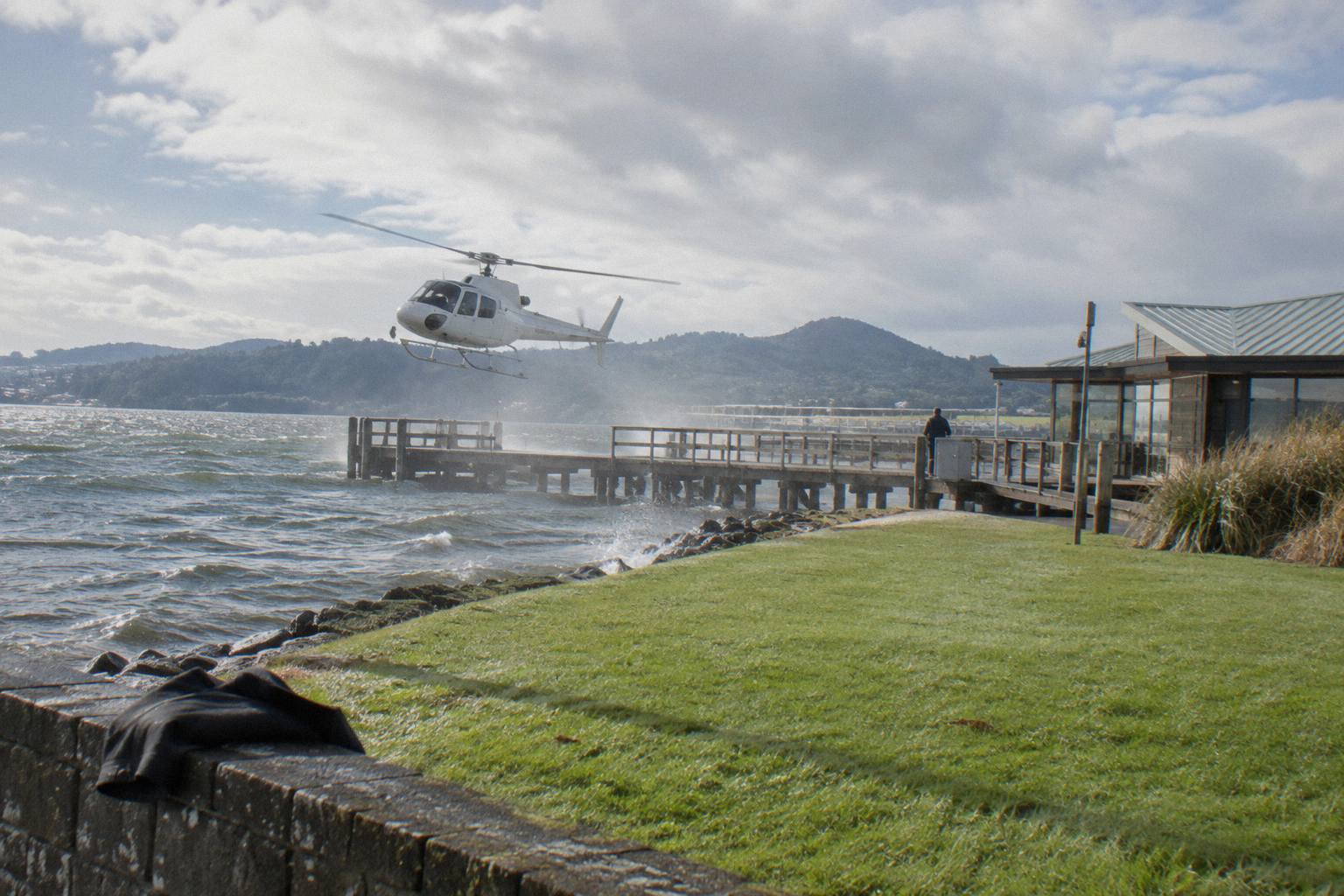
Every flight operates subject to suitable weather and safe flying conditions, and the operator states it directly: if a flight cannot go ahead due to weather, they work with passengers to reschedule or provide a full refund. Weather is not an edge case in Rotorua, it is the central variable. Wind, cloud base and visibility over volcanic terrain decide both the departure and, on landing flights, whether the pilot sets down at all.
The cancellation terms cut in the passenger's favour when nature intervenes. Where the operator cancels before commencement for circumstances beyond its control, weather or volcanic activity among them, a full refund applies. That is separate from the guest-side terms on the booking pages, which across the line-up read free cancellation up to 24 hours in advance for a full refund. Between those two rules, a weather-driven change costs a careful planner nothing.
On the landing flights, weather reaches further than the take-off. The operator's Tarawera landing page carries explicit wording that tour duration, flight times and inclusions may vary due to weather conditions, volcanic activity and passenger loadings, and that excursion landings are undertaken at the passenger's own risk and at the pilot's sole discretion. So a morning booking raises the odds of the flight running, but no time of day buys a guaranteed summit touchdown. The full detail is in the mt tarawera helicopter landing guide.
The line-up's flight descriptions repeat the same logic. The scenic floatplane over Tarawera and Waimangu carries wording that the tour will not go ahead if it is not safe to do so, or if the views cannot be seen. That second clause matters for timing: a flight in murky weather that technically flies but sees nothing is treated as a no-go. For what happens after a cancellation call, the blog post on what happens when a Rotorua flight is cancelled for weather walks through refunds and rebooking.
With that framing, three flights cover the timing spectrum well: the Tarawera volcano landing helicopter trip, the 30-minute scenic floatplane over Tarawera and Waimangu, and the helicopter flight with a guided summit walk. All amounts in this article are New Zealand dollars.
Which Months Have The Best Flying Weather In Rotorua?
The driest and warmest weather in Rotorua runs from late spring, October, until early autumn, April, per the regional tourism body's own guidance. November is the driest month on the 1991 to 2020 normals at 86.8 mm of rain, and October is close behind at 92.9 mm. Winter is wetter, peaking in July at 137.4 mm, but flights still operate every month of the year during daylight hours.
The monthly picture below comes from NIWA's 1991 to 2020 climate normals for Rotorua. Read it as a planning range, not a forecast: a wet-month booking is not a doomed one, it is simply a booking where the reschedule clause is more likely to earn its keep.
| Month | Average rainfall (mm) |
|---|---|
| January | 93.8 |
| February | 100.4 |
| March | 100.3 |
| April | 133.0 |
| May | 130.2 |
| June | 131.9 |
| July | 137.4 |
| August | 125.2 |
| September | 106.6 |
| October | 92.9 |
| November | 86.8 |
| December | 117.1 |
Two patterns stand out. First, the summer shoulder months, October and November, pair the year's lowest rainfall with spring light that stays workable across a long day. Second, the wettest stretch, April through August, holds remarkably steady from month to month with no spike and no trough, so there is no single month to avoid outright, only a season where morning slots and flexible schedules do more work. The regional tourism FAQ's note on the October to April window is Rotorua NZ's own weather guidance.
Season also changes what the landscape gives the camera. Summer gives long grass and blue lake surfaces; winter's shorter days mean every departure sits closer to low-angle light, which the operator's FAQ flags as a genuine plus for afternoon colour. The trade is colder air on the ground at the Lakefront and a narrower daylight window for rescheduling the same day.
One timing bonus of the shoulder season is quieter diaries. Morning slots in peak summer fill fast; the same slot in May or September is easier to hold, and the free-cancellation terms up to 24 hours before mean holding an early slot costs nothing if plans shift.
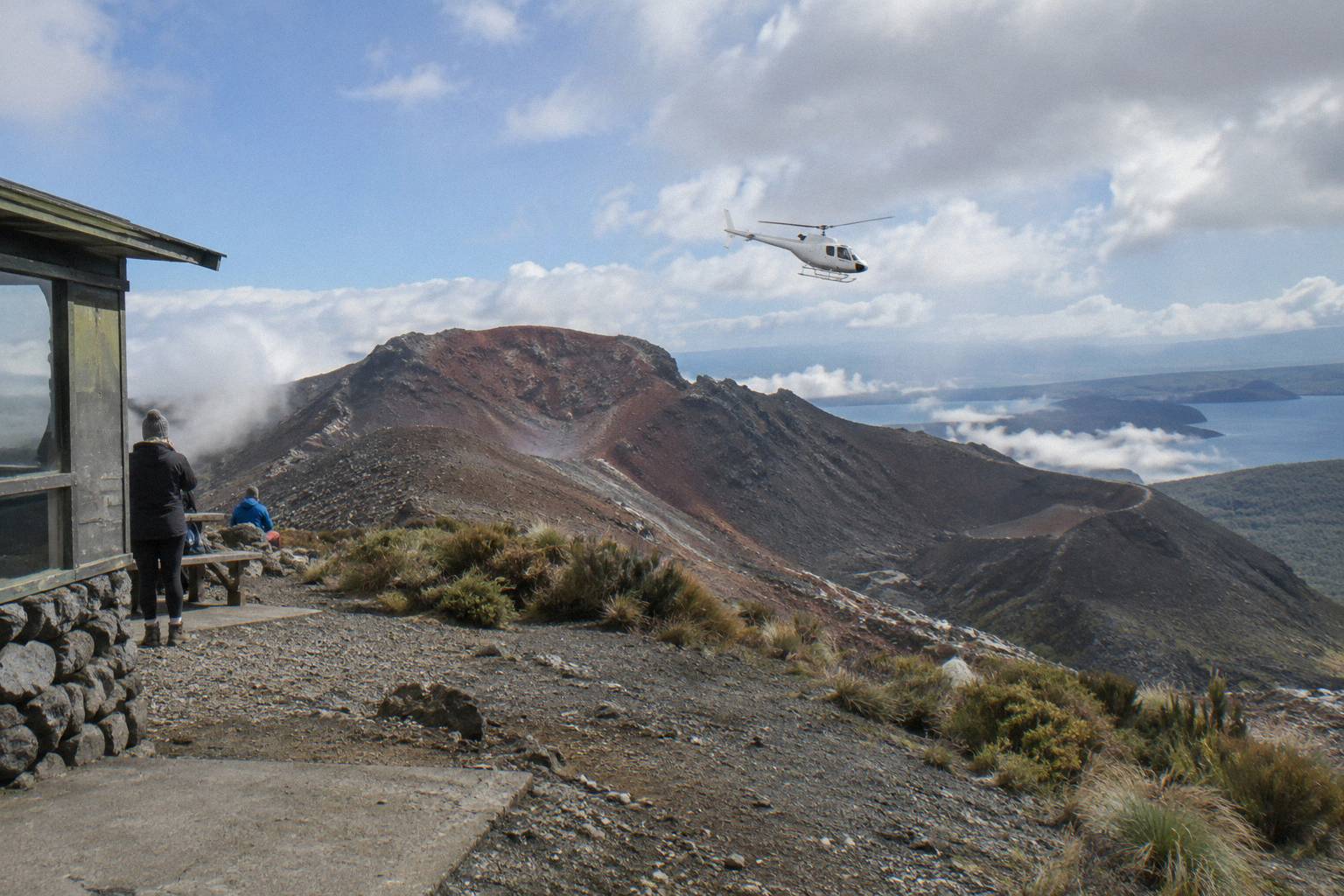
Planning a full day around a flight? The one day Rotorua itinerary with a helicopter flight places a morning departure ahead of the geothermal parks.
How Does Flight Length Change The Best Time To Fly?
Short flights gain the most from morning calm because every minute of air time is a large share of the experience, while longer flights and dual-landing trips benefit from the middle of the day, when cloud has often lifted off the ranges and the sun has warmed the valleys. The 15-minute crater lake flights reward still air; the 3-hour geothermal landing tour rewards a wide weather window and an early start to protect it.
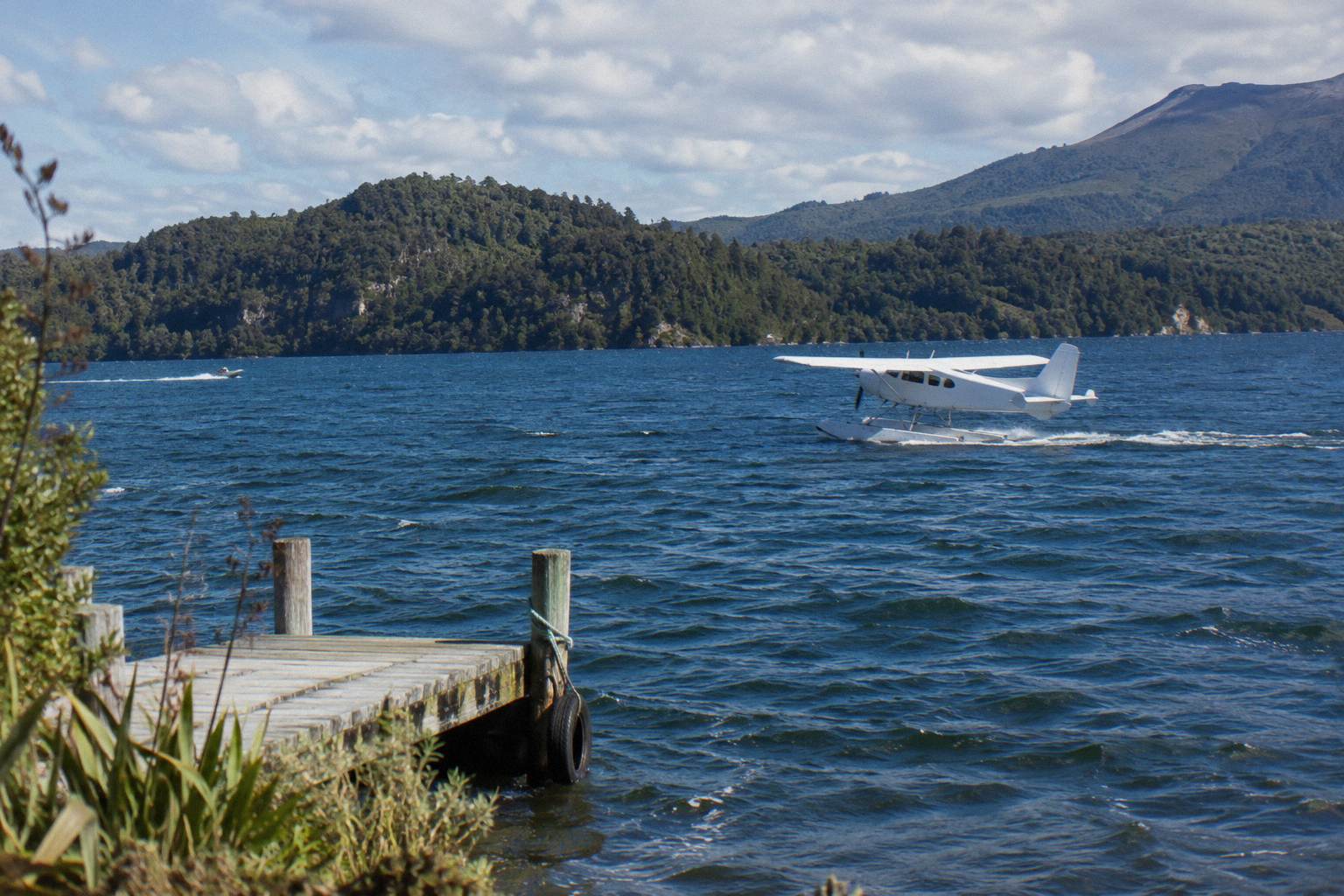
The 15-minute Crater Lakes Flight by Helicopter and its floatplane twin are pure sightseeing dashes: 15 minutes total, no landing, priced from the booking page when a fare is shown for that departure. Over water and crater rims, morning smoothness translates almost directly into what you take home. The Crater Lakes By Helicopter, 15 Minutes trip is the type case, and its floatplane sibling lifts off from Lake Rotorua itself at the lakefront pier.
At the other end sits the Rotorua: Volcano Landing and Geothermal Park Helicopter Tour, a 3-hour itinerary from NZ$1,490 per person that lands on the Mt Tarawera summit and again at Orakei Korako. A trip this long consumes a big slice of the daylight window, so a morning start is less about light and more about giving the pilot room to work around a passing shower and still complete both landings. It carries free cancellation up to 24 hours in advance.
In between sit the Tarawera specialists. The Mt Tarawera Helicopter Tour with Volcano Landing runs a summit landing and holds a 4.9 rating across 43 reviews, while the Helicopter Landing, Guided Summit Walk gives about 40 minutes total with a guided walk from NZ$675 per person, and the One-Hour Volcanic Adventure stretches the same mountain over a fuller hour. For comparing the two formats in detail, the rotorua helicopter versus floatplane guide breaks down windows, views and motion. Because morning slots go first on all three, an early hold with free cancellation up to 24 hours before is the lowest-friction way to secure the calmest air on the mountain.
What Time Do Flights Leave And When Should You Arrive?
Check-in happens at the Lakefront office at 1 Lakefront Drive, 30 minutes before helicopter departures and 20 minutes before floatplane departures, for a full safety briefing. There is no hotel pickup on standard flights; the operator reserves direct pick-ups for bespoke charters. The base sits under 1 km from Rotorua's centre, so town stays are a short walk or two-minute drive from the briefing.
Those buffer times are part of the flight, not overhead to trim. The briefing covers seating, harnesses and the landing protocols for trips that touch down, and passengers are weighed on arrival so the aircraft stays within balance limits, per the operator's FAQ page on check-in and guest requirements. Arriving late on a shared departure risks the slot for everyone, so treat the time as the walk-in time, not the wheels-up time.
Per-product departure times and day-by-day schedules are not published in a fixed grid; departures run across daylight hours and are set with the operator once booked. The practical implication for timing is simple: when booking, name your preferred window, morning for calm, afternoon for warmth, and the line-up's free-cancellation terms up to 24 hours before let you adjust if the forecast firms up unfavourably. Everything else covered here is indexed on Rotorua Helicopter Tours.
For the booking-lead question, including peak-season pressure on morning slots, the how far ahead to book a Rotorua helicopter flight post lays out the seasonal pattern.
When Is The Best Time For Each Kind Of Rotorua Flight?
Match the slot to the flight's purpose: summit-landing trips favour the calmest morning air because the touchdown itself is weather-sensitive, scenic crater-lake dashes favour early light over water, Orakei Korako landings work well late morning once valley cloud has cleared, and Waimangu overflights gain from afternoon light catching steam. No slot guarantees any landing or view; every touchdown remains at the pilot's sole discretion.
| Flight type | Representative trip | Slot that suits it | Why |
|---|---|---|---|
| Tarawera summit landing | Helicopter Volcano Landing | Early morning | Calmest air for the discretionary touchdown |
| Guided summit walk | Helicopter Landing, Guided Summit Walk, from NZ$675 | Morning | Walk time on the summit benefits from cool air |
| Crater lakes dash | Crater Lakes By Floatplane, 15 Minutes | Early morning | Still water, soft light |
| Orakei Korako landing | Floatplane, Orakei Korako Landing, from NZ$845 | Late morning | Valley cloud clearance over Lake Ohakuri |
| Waimangu overflight | Scenic Floatplane, Tarawera And Waimangu, from NZ$395 | Afternoon option | Low light across steam vents |
| Dual landing | Dual Landing Thermal Explorer | Earliest practical slot | Two landings need the widest window |
| White Island flyover | Floatplane, Waimangu Included, from NZ$1,230 | Morning | Long coastal leg, stability helps |
The Orakei Korako row deserves its note. The park sits between Taupo and Rotorua on the Waikato River, and its geothermal field is reached by a short ferry ride that leaves on request rather than a timetable, per the park's own visit page. A floatplane landing there, touching down on the river itself as the operator describes, fits a late-morning rhythm: the flight arrives after any morning mist has burned off the valley and the ferry crossings run steadily through the middle of the day.
For the Waimangu angle specifically, steam over the valley reads best when low sun strikes it, which is why the 30-minute Scenic Floatplane over Tarawera and Waimangu, from NZ$395 per person with a 4.9 rating across 28 reviews, earns its afternoon mention. The deeper comparison lives in the helicopter and Waimangu guide.
What About Winter And Shoulder-Season Flights?
Winter flights are fully available and quietly rewarding: the operator runs every month of the year, the FAQ names winter afternoons as a source of late-day colour, and there is no closed season or reduced schedule to plan around. The cost is statistical, not operational. July averages 137.4 mm of rain against November's 86.8 mm, so the reschedule clause works harder between April and August.
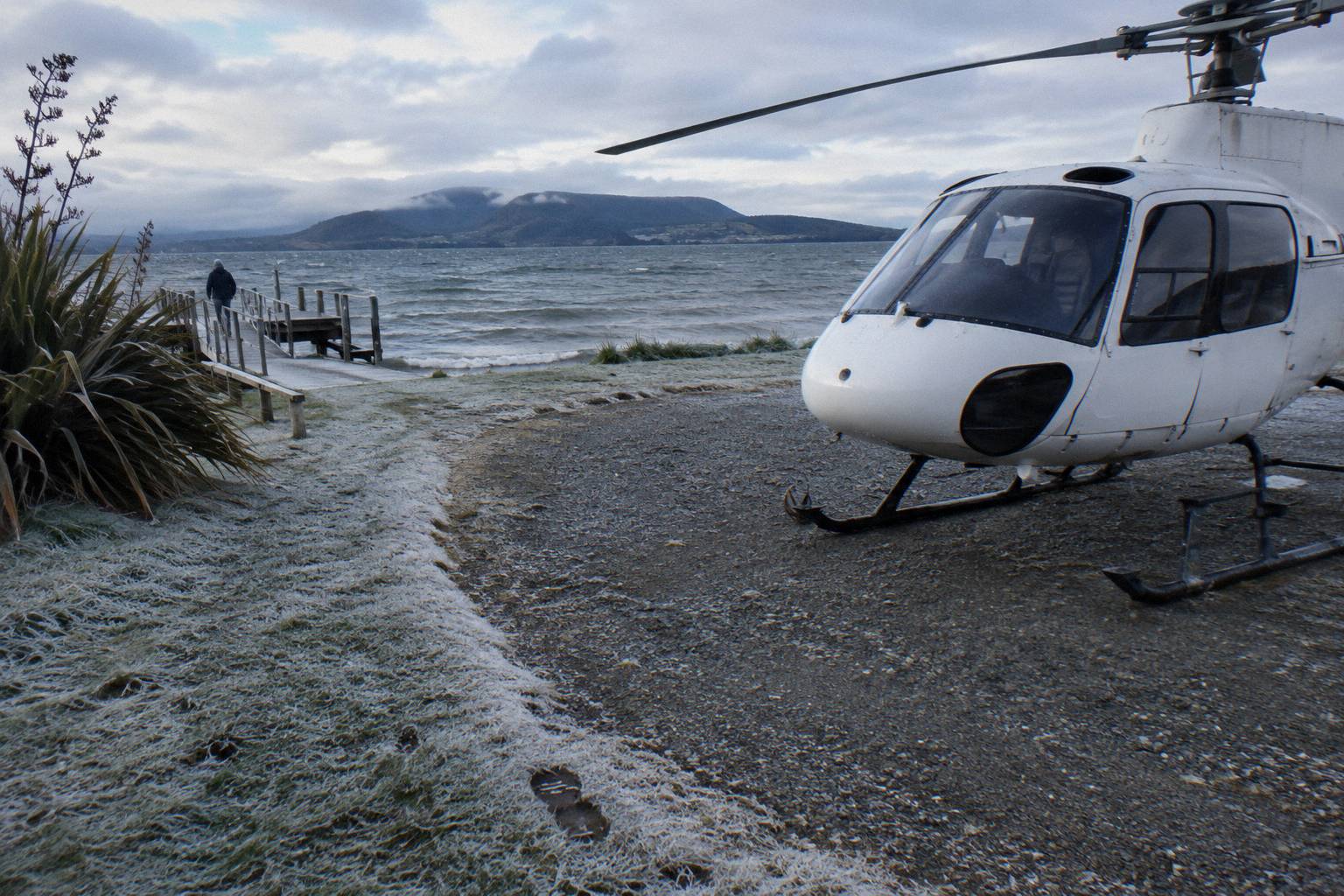
Winter's geometry helps. With daylight hours as the only operating limit, a July departure sits low in the sky all day, giving golden light at hours that in January would be flat noon glare. Cold, stable winter mornings are frequently the smoothest air of the year, and the lakes' winter stillness suits floatplane take-offs from Lake Rotorua. Snow on the Tarawera domes is not a promise, but cold clears of the kind that put frost on the summit in the morning are a real winter pattern.
The practical winter plan is a two-morning stay. Book the first available slot, hold the second morning as insurance, and lean on the 24-hour free cancellation if plans change outright. The same logic applies to the April shoulder, which at 133.0 mm is statistically as wet as midwinter despite the autumn colour; treat autumn's reputation for clear, still days as a bonus, not a schedule.
Does Timing Change What You Pay?
No trip prices differently by hour, and no fare moves with the season in the published from-prices: the Scenic Floatplane runs from NZ$395 per person, the guided summit walk trip from NZ$675, the Orakei Korako floatplane from NZ$845, the Waimangu-included floatplane from NZ$1,230 and the 3-hour geothermal landing tour from NZ$1,490, whatever slot you take. Timing changes availability and odds of flying, not the number on the booking page.
Where timing touches money is in cancellation economics and in scarcity. Every trip carries free cancellation up to 24 hours before, per the booking-page terms, so an early hold on a peak-summer morning slot is effectively free to keep or drop. What tightens in high season is slot supply, not price: the popular morning windows and the small-aircraft capacity, capped at six travellers on at least one trip, mean the best slots go first rather than cost more.
| Timing decision | What it costs | What it protects |
|---|---|---|
| Book morning, peak summer | Same from-price | Best air; needs early booking |
| Book afternoon, winter | Same from-price | Warmer ground temperature, colour |
| Shoulder month, October or November | Same from-price | Lowest rainfall odds, quiet slots |
| Hold slot, cancel 24 hours out | Full refund | Forecast flexibility |
| Weather cancels on the day | Full refund or reschedule | The operator's stated terms |
The wider money picture, including what a helicopter ride costs elsewhere in New Zealand, is covered in the how much a helicopter ride costs in NZ guide.
Mistakes To Avoid When Choosing Your Flight Time
The main mistakes to avoid are booking a single morning slot on a short stay with no backup, assuming a sunrise or sunset flight exists when none is scheduled, and arriving at wheels-up time instead of check-in time. Others include trusting the afternoon as the calm option when thermal air is bumpier, and expecting perfect July weather without a spare morning in reserve.
The single-booking, single-morning error is the costliest. A visitor flying out at noon who booked the 9am departure has no room to reschedule if the Lakefront calls about cloud over the ranges, and the flight is lost rather than moved. A one-night-stay buffer converts a cancellation into an inconvenience.
Assuming a sunset flight is a quieter trap. The line-up contains no scheduled sunrise or sunset departure, and the operator's own materials show summit passengers at sunrise only in a photo caption, not a bookable product. Plan around the published daylight-hours operation and nothing else.
The check-in error is pure arithmetic: helicopters need passengers at the Lakefront office 30 minutes before departure and floatplanes 20, because the safety briefing and the weigh-in are part of the operation, per the operator's terms on booking and departure conditions. A taxi booked for the flight time, not the check-in time, is a missed briefing.
Finally, weight declarations belong at booking, not on arrival. Declared weights that drift from the scale can mean a rescheduled flight, a surcharge or a cancelled booking at the operator's discretion, which turns a timing article into a money one very quickly. More detail sits in the rotorua helicopter flight weight limits guide.
Common Questions About Flight Timing In Rotorua
Is Morning Or Afternoon Better For A Rotorua Helicopter Flight?
Mornings often give the calmest weather, the smoothest flying and soft light; afternoons can give warmer temperatures and late-day colour, especially in winter. The operator's FAQ gives both sides and says the best time depends on the weather on the day, so book the earliest slot that suits and stay flexible.
What Is The Best Month For A Helicopter Flight In Rotorua?
The driest, warmest window runs from October to April. November is the driest month on the 1991 to 2020 normals at 86.8 mm and October is close behind at 92.9 mm, while July is wettest at 137.4 mm. Flights operate every month of the year during daylight hours, so there is no closed season.
Do Rotorua Helicopter Flights Run In Winter?
Yes. The operator's listed months of operation are all months of the year, within daylight hours. Winter afternoons are noted in the operator's FAQ for late-day colour, and cold, stable winter mornings are often smooth. Book a spare morning in case of the season's higher rainfall.
Can I Book A Sunrise Or Sunset Helicopter Flight In Rotorua?
No scheduled sunrise or sunset flight appears in the line-up. A home-page photo caption shows Tarawera summit passengers at sunrise, but that is not a bookable departure time. Flights run across daylight hours, with departure windows arranged at booking.
What Happens If The Weather Cancels My Chosen Time Slot?
The operator works with passengers to reschedule or provide a full refund when weather stops a flight, and a full refund applies where the operator cancels before commencement for circumstances beyond its control. Guest-side, the booking-page terms allow free cancellation up to 24 hours in advance.
How Early Should I Arrive At The Lakefront For My Flight?
Check in at the Lakefront office at 1 Lakefront Drive 30 minutes before a helicopter departure and 20 minutes before a floatplane departure, for the full safety briefing. There is no hotel pickup on standard flights, so allow travel time to the lakefront pier area.