What Happens If My Rotorua Helicopter Flight Is Cancelled For Weather?
Weather cancellations on Rotorua helicopter flights: what the operator owes you, how refunds and rescheduling work, and how to plan around changeable flying conditions.
In short: Every Rotorua scenic flight runs subject to suitable weather, and the operator makes the call on the day. If weather stops your flight, Volcanic Air works with you to reschedule or gives a full refund, and a cancellation before the flight for circumstances beyond the operator's control, including weather or volcanic activity, also carries a full refund. Free cancellation up to 24 hours in advance applies to the flights described below, so a booking made ahead is protected on both ends. The practical fix is simple: build one flexible morning into the itinerary and book the earliest slot that suits.
Rotorua sits inside a volcanic landscape that generates its own cloud, drizzle and wind, and that is part of what makes the flying here worth doing. The same conditions that steam the lakes and stripe the hills with bush can also scrub a departure. Travellers who understand the cancellation rules before they book lose nothing when the weather turns, because the terms on these flights are genuinely traveller-friendly. For a wider look at how the local climate shapes flight conditions, see the rotorua helicopter weather guide.
| Quick Facts | |
|---|---|
| Who decides if a flight goes | The operator and pilot, on the day, on safety and visibility |
| If weather cancels your flight | Reschedule, or a full refund, as the operator's FAQ states |
| Operator cancellation before the flight | Full refund for circumstances beyond its control, including weather |
| Guest free cancellation | Up to 24 hours in advance on the trips noted below |
| Check-in for helicopters | 30 minutes before the flight, at the Lakefront office |
| Check-in for floatplanes | 20 minutes before the flight, at the Lakefront office |
| Meeting point | Volcanic Air, 1 Lakefront Drive, Rotorua |
If your Rotorua helicopter flight is cancelled for weather, the operator will either reschedule you to another suitable time or refund you in full, and you get a say in which option you take rather than having one imposed on you. Volcanic Air's FAQ confirms this directly: when a flight cannot go ahead due to weather, they work with you to reschedule or issue a full refund, with no cancellation fee when the operator calls the flight off.
The reason the answer is this clean is structural. A weather cancellation is not a guest cancelling, it is the operator declining to fly, and the operator's terms refund in full when a flight is cancelled before commencement for circumstances beyond its control. Weather and volcanic activity are named in that clause. The money side of a weather scrub is therefore the least worrying part of the day; the real question is what you do with the time, which is where planning comes in.
The booking terms most travellers actually use are the platform-side ones, and they are stronger than many people expect. The flights in the roster below carry free cancellation up to 24 hours in advance for a full refund, which covers you if you decide the forecast looks poor the day before. Combine that with the operator's own weather refund and a booking is protected on both ends: you can pull out free up to 24 hours out, and if weather kills the flight on the day, the refund or reschedule still applies.
Among the roster, the trips worth having on the shortlist when weather is the worry are the ones that pair a strong payoff with flexibility:
The Mt Tarawera Helicopter Tour with Volcano Landing is the natural anchor here: it is the roster's most-reviewed helicopter landing trip, rated 4.9 from 43 reviews, and because a Tarawera summit landing sits at the pilot's sole discretion, the operator's whole operation is already built around flexibility. The 15-Minute Crater Lakes Flight by Helicopter is the low-commitment contrast, a quarter of an hour over the lakes with no landing dependency. The Mount Tarawera Volcanic Adventure by Helicopter fills the middle ground with a longer airborne loop. All three carry free cancellation up to 24 hours in advance.
How The Weather Decision Gets Made On The Day
The weather call is made on the day, by the operator and the pilot, against real conditions rather than a forecast made days earlier. All flights operate subject to suitable weather and safe flying conditions, and if those are not met, the operator's FAQ describes rescheduling or refunding. There is no waiver to sign and no argument to be had: if the pilot judges the conditions unsafe, the flight does not go, and the refund mechanics take over.
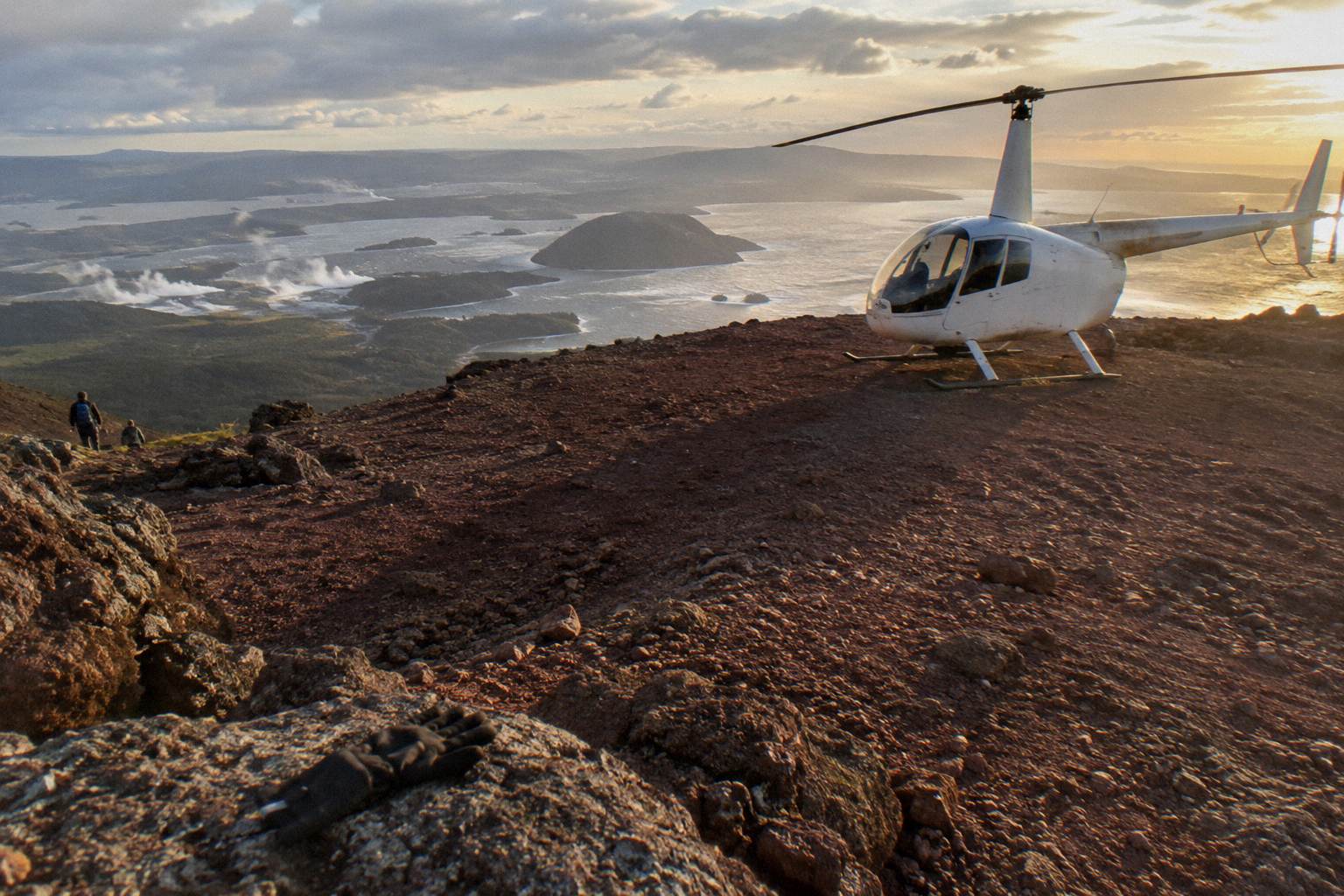
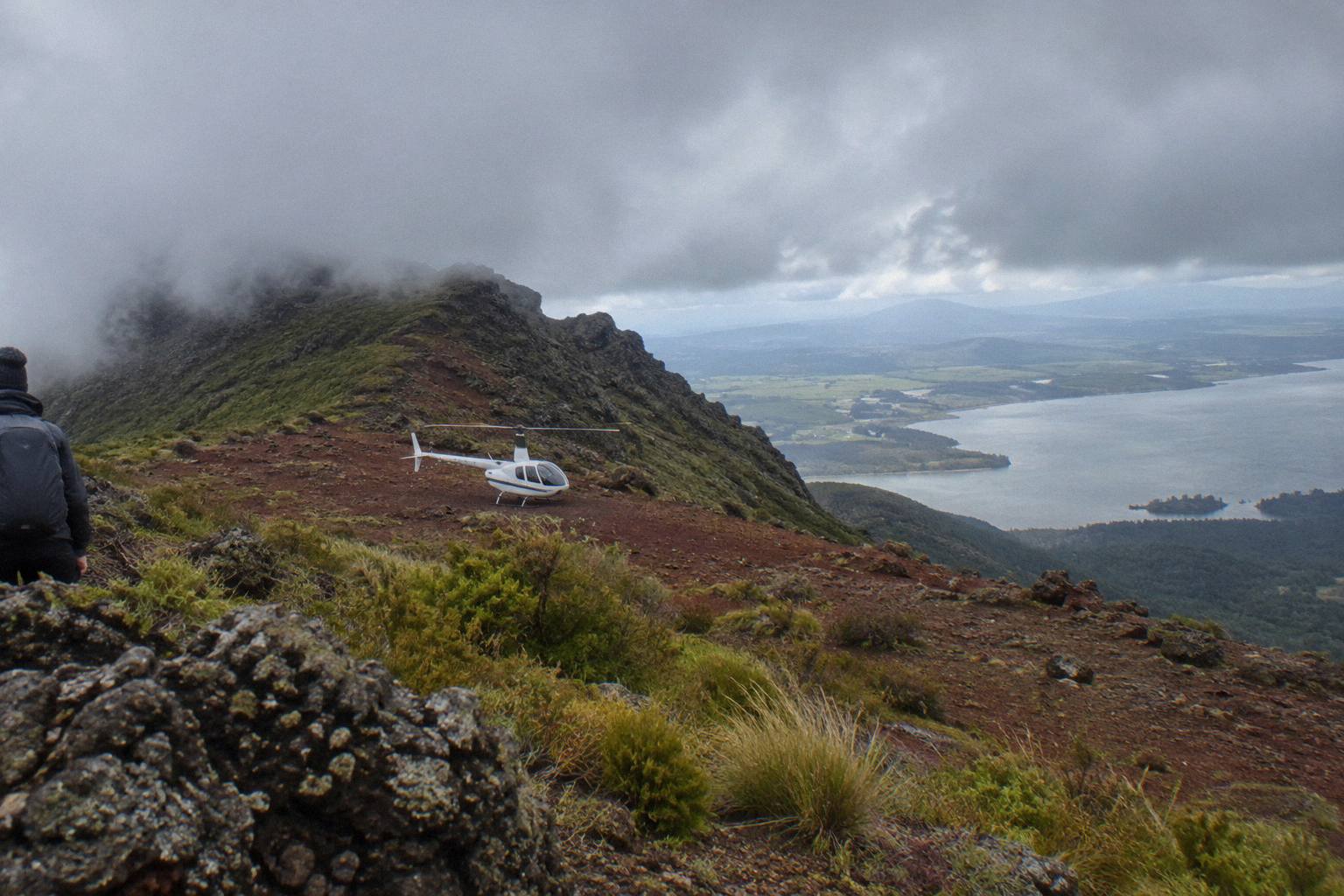
Rotorua's flying decisions usually hinge on three things: cloud base over Tarawera, wind, and visibility across the lakes. A flight can be perfectly fine over the city and still be scrubbed because the summit is capped in cloud, since a Tarawera flight with no view of Tarawera delivers little. One listing in the roster states the principle outright, saying the tour will not go ahead if it is not safe to do so, or if the views cannot be seen. That wording matters because it tells you the operator treats visibility as a deliverable, not just a bonus.
Timing shapes the odds too. The operator's FAQ notes mornings often give the calmest weather and smoothest flying with soft photo light, while afternoons can bring warmer temperatures and late-day colour, especially in winter, and it says plainly there is no hard and fast answer, because it depends on the weather that day. The regional tourism body agrees on the seasonal picture, noting that the driest and warmest weather in Rotorua runs from late spring in October until early autumn in April. None of that guarantees anything, but it does tell you when the dice are loaded in your favour.
The day-of sequence for a threatened flight looks like this: check in as normal, 30 minutes ahead for helicopters and 20 for floatplanes at the Lakefront office, and let the operator make the call with the real conditions in front of it. If the answer is no, the reschedule conversation happens on the spot, and if no alternative slot fits your stay, the refund follows. That is also the moment to be proactive about the rest of your day, and the one day Rotorua itinerary with a flight is built for exactly this kind of reshuffle.
If the question on your mind is whether the summit trip survives contact with a fickle forecast, the answer is that it is designed to: the Mt Tarawera landing guide covers how the landing works and why the pilot's discretion is the whole safety model. Booking it with at least one fallback morning behind it is the single best hedge.
Refunds, Reschedules And Cancellation Terms In Plain Terms
A weather cancellation by the operator leads to a reschedule or a full refund, and a guest-side cancellation more than 24 hours before the flight is also refunded in full. Those are the two terms that matter to a traveller, and both apply to the flights in this operator's roster. The operator's heavier internal fee schedule, which applies to late guest cancellations made directly, is not the terms you face when the platform's 24 hour free-cancellation window applies.
It is worth separating the two directions of cancellation, because travellers routinely mix them up. When the operator cancels, money is not in play: the terms refund in full for cancellations before commencement caused by circumstances beyond the operator's control, weather and volcanic activity among them, and the FAQ promises rescheduling or a full refund on weather specifically. When the guest cancels, the platform terms govern, and on these trips that means free cancellation up to 24 hours in advance. Inside that 24 hour window the situation differs, and the operator's direct-booking fee ladder, up to 100 percent within 48 hours of travel, is the part travellers should avoid triggering by deciding early.
| Scenario | Who acts | Outcome for your money |
|---|---|---|
| Weather cancels the flight on the day | Operator | Reschedule or full refund |
| Operator cancels before commencement for weather or volcanic activity | Operator | Full refund |
| You cancel more than 24 hours ahead | Guest | Full refund under the free-cancellation terms |
| You cancel inside 24 hours | Guest | Terms tighten; decide before the window closes |
| No reschedule slot fits your stay | Either | Full refund of the cancelled flight |
The refund pathway matters less than the calendar around it. A weather scrub on your last morning in Rotorua is a refund and no flight; the same scrub on day one of a three day stay is usually just a shifted departure. That asymmetry is why the standard advice from anyone who flies these routes regularly is to book early in the stay and early in the day, doubling the reschedule options if the first attempt gets knocked back by cloud or wind.
One more protection sits in the operator's stated practice: if conditions are unsuitable, they try to reschedule. That is a customer-service posture, not a legal guarantee, but it reflects the commercial reality that a rescheduled flight is a happy customer and a refunded one is not. For the deeper dive on timing, the best time for a Rotorua helicopter flight sets out the morning and afternoon trade-offs.
How To Protect A Booking Before Weather Becomes A Problem
The three protections that actually work are booking early in your stay, choosing a morning slot, and keeping the free-cancellation window intact until the forecast firms up. None of them changes the weather, and all of them change what the weather costs you. A booking made for day one of a multi-day visit with a spare morning behind it converts most cancellations from a loss into a delay.
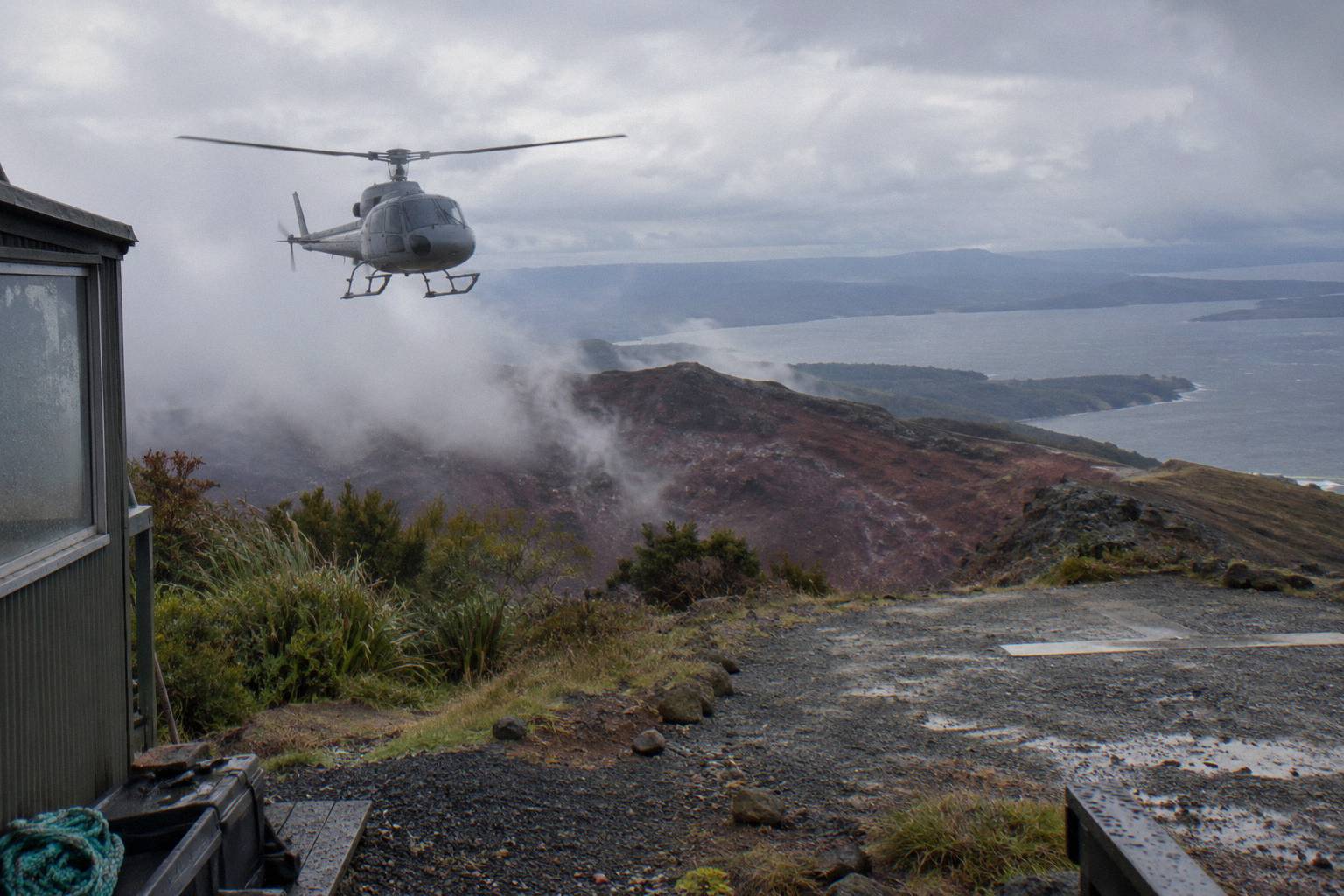
Book the first full day of your trip, not the last. If the flight scrubs, every remaining morning is a reschedule candidate, and the operator's stated approach of working with you on a new time only pays off if there is time left to work with. Book the final morning and a cancellation is final in the wrong way, whatever the refund does for your card balance. This is the cheapest insurance in aviation and it costs nothing but calendar discipline. Everything else covered here is indexed on Rotorua Helicopter Tours.
Choose the earliest departure that suits your group. Mornings skew calmer and smoother in the operator's own FAQ, and an early scrub still leaves the whole day, plus every following day, available for a retry. A late-afternoon flight that gets cancelled has nowhere to go. Pair that with the flexibility of a short flight, and the math improves again: the 15-Minute Crater Lakes Flight by Helicopter is a brief commitment with no landing dependency, so a marginal-weather day can sometimes still be flown on the short route even when a summit landing is off.
Keep the 24 hour free-cancellation window clean until the forecast resolves. The temptation is to book a flight months out for a fixed date, then watch the forecast with dread. The better pattern on these trips is to book once the long-range picture starts to firm, hold the slot inside the free-cancellation period, and either fly it or release it free. You give up a little certainty about selling-out risk and gain the ability to walk away at no cost, which is a trade most weather-worried travellers should take. For how far ahead is sensible in normal conditions, see how far in advance to book a Rotorua helicopter flight.
Which Flights Weather Affects Most, And Why
Longer flights with mountain landings carry the most weather exposure, short lake circuits the least, and floatplanes add a water-surface consideration helicopters do not have. The Tarawera summit landing is the most weather-sensitive product in the roster, since the operator's own terms say excursion landings happen at the pilot's sole discretion, and a flight can run as a flyover even when the summit itself is unusable. Booking by weather sensitivity, not just price, is how experienced visitors choose.
The exposure ranking follows the mission. A summit landing needs a workable cloud base, acceptable summit wind and a safe touchdown site, three conditions stacked on top of the basics every flight needs. A pure flyover needs only safe air and something to see. The dual-landing trips stack two landing decisions, and the Whakaari flyovers stretch far down the coast, roughly 48 km offshore, adding transit weather on top of target weather. None of this says avoid the ambitious trips; it says give them the most schedule slack.
| Trip type | Example from the roster | Weather sensitivity |
|---|---|---|
| Summit landing flight | Helicopter Volcano Landing | Highest: landing at pilot's sole discretion |
| Extended volcanic loop | One-Hour Volcanic Adventure | High: long route, Tarawera landing |
| Dual landing | Dual Landing Thermal Explorer | High: two landing decisions |
| Geothermal park landing | Geothermal Park Landing, 3 Hours | High: from NZ$1,490 per person, long day at risk |
| Lake circuit, no landing | Crater Lakes By Helicopter, 15 Minutes | Lower: short route, no landing dependency |
| Scenic flyover | Scenic Floatplane, Tarawera And Waimangu | Moderate: visibility-dependent, from NZ$395 per person |
The price column in that table is the argument for matching slack to spend. The Scenic Floatplane over Mt Tarawera and Waimangu Valley, from NZ$395 per person and rated 4.9 from 28 reviews, is a 30 minute flight that tolerates marginal conditions better than a landing mission, and a reschedule costs less emotional capital when the ticket price is modest. The three hour Geothermal Park Landing trip, from NZ$1,490 per person, deserves at least two candidate mornings in your itinerary, because a cancellation of a big-ticket, big-time-block day hurts twice.
Floatplanes add one wrinkle worth knowing: they take off from and land on the water, from the lakefront pier on Lake Rotorua, so surface conditions on the lake are part of the go or no-go picture. That is a routine operational consideration rather than a red flag, and the aircraft type is simply a different set of trade-offs; the helicopter versus floatplane comparison sets them out side by side.
Rotorua Weather Patterns Through The Year
Rotorua flies year round, with the operator listing all months of operation and daylight-hours business, and the driest, warmest window running from October to April. Winter brings the highest monthly rainfall of the year in the 1991 to 2020 normals, with July the wettest month at 137.4 mm, while November is the driest at 86.8 mm. None of that predicts any given day, but it frames which season needs the most slack built into an itinerary.
The monthly normals from NIWA data, charted by figure.nz, show a clear shape: a dry shoulder in late spring, a modest summer, and a winter plateau of rain from May through August. For flight planning the useful reading is not the totals but the spread: even the wettest month averages well under twice the driest, so Rotorua is a year-round flying town with a winter tax, not a place with a closed season. The operator's year-round schedule reflects that.
| Season | Months | Rainfall signal from the 1991 to 2020 normals | Flight planning read |
|---|---|---|---|
| Late spring | October to November | Driest stretch: 92.9 mm and 86.8 mm | Good odds, thinner crowds |
| Summer | December to February | Moderate: 117.1, 93.8, 100.4 mm | Prime flying, book ahead |
| Early autumn | March to April | 100.3 mm then 133.0 mm | Still strong, days shortening |
| Winter | May to August | Peak: 130.2 to 137.4 mm | Build reschedule room, aim for mornings |
Within any season, the day's pattern matters more than the month. Rotorua's volcanic terrain generates morning mist on the lakes and afternoon buildups, and the operator's FAQ treats mornings as the statistically calmer end without promising anything. The honest framing is that every flight is a same-day decision made against real air, which is exactly why the refund and reschedule terms exist and why they are as clean as they are.
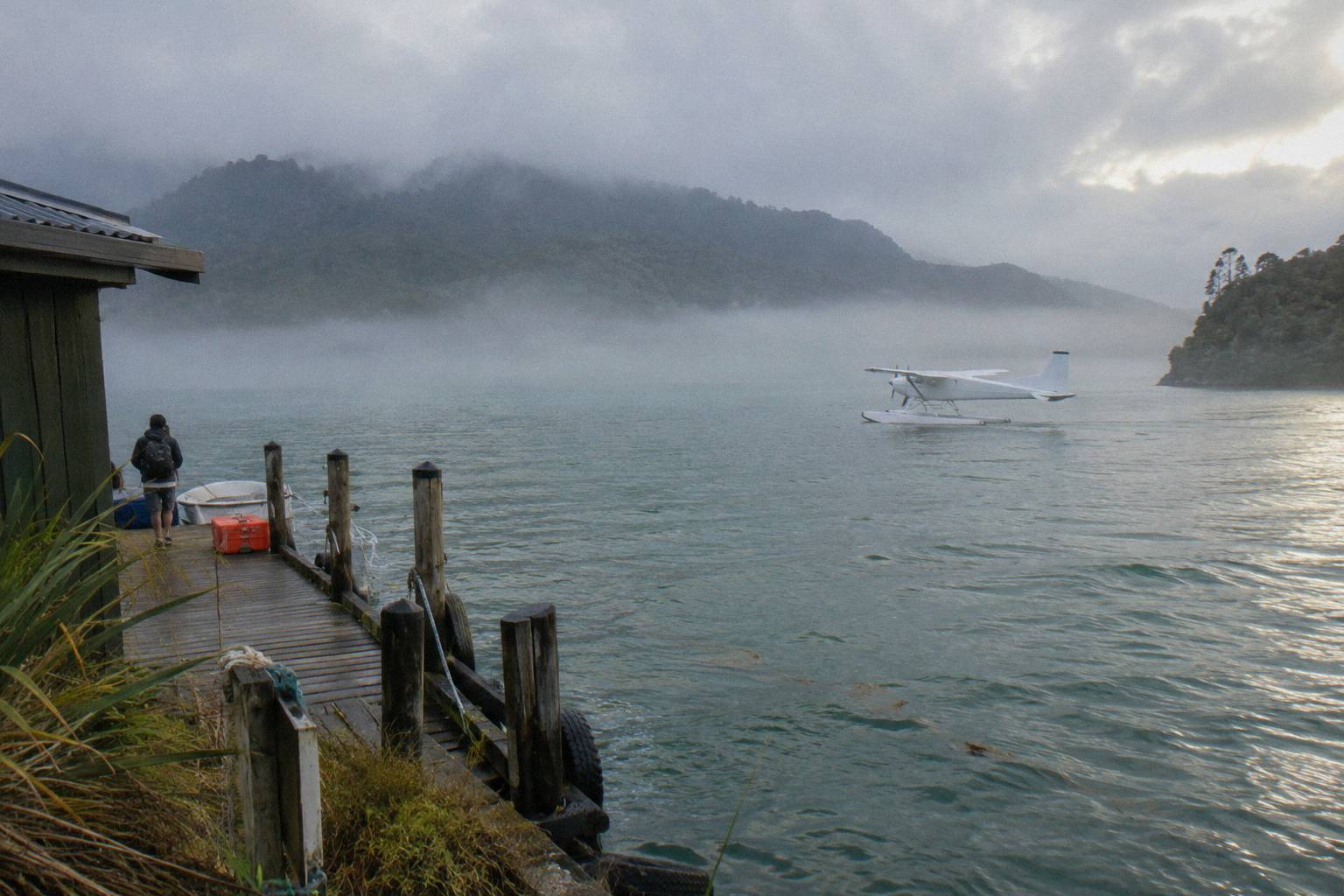
For anyone whose real worry is not rain but the wrong kind of rain, there is a separate answer: light rain alone does not ground helicopters, low cloud and poor visibility do. The can helicopters fly in the rain post works through that distinction, and it is the difference between cancelling a trip over a drizzle forecast and flying happily under a high overcast.
Mistakes To Avoid When A Flight Gets Scrubbed
The four costly mistakes are booking the last morning of a stay, assuming the forecast three days out will decide anything, cancelling inside the 24 hour window out of pessimism, and treating a scrubbed flight as a dead day instead of rerouting it. Each one converts a free, refundable situation into a loss, and each is avoidable with a decision made before the weather arrives. The terms protect a flexible traveller completely, and punish only the rigid one.
The last-morning booking is the most common and most expensive error, because it removes every reschedule option in exchange for nothing. The second is trusting a distant forecast: Rotorua conditions firm up on the day, and pilots decide against real cloud, not model output, so a promising Wednesday forecast for Saturday is a weak basis for either panic or confidence. The third, self-cancelling inside the free-cancellation window because the outlook looks poor, trades a protected booking for a worse position; if the operator then flies anyway, you have paid the weather tax for nothing.
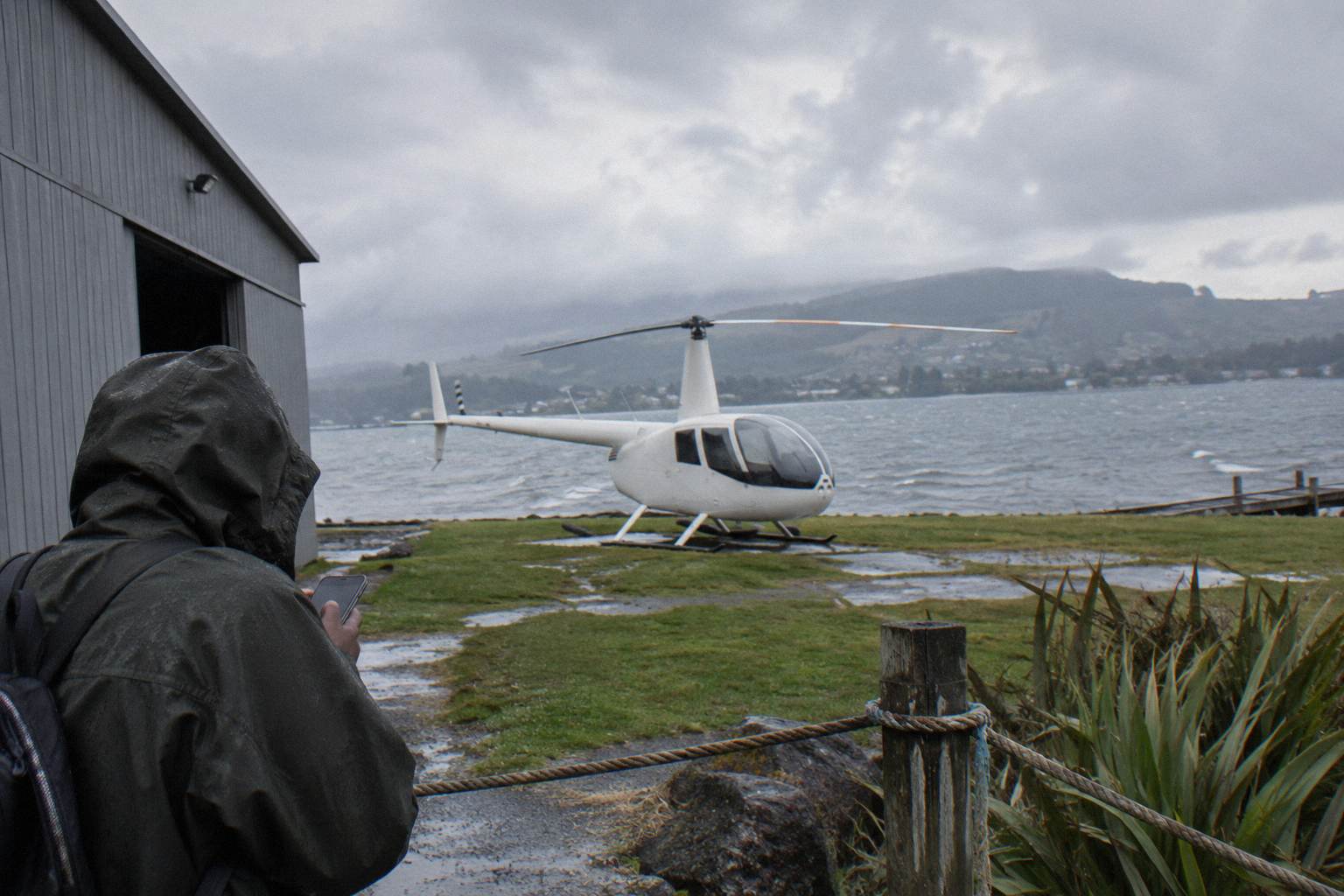
The fourth mistake is purely about the day itself. A cancelled morning flight frees three to four hours in a town built around geothermal parks, lake walks and the geothermal pairing options covered in the Waimangu guide, several of which sit within half an hour of the Lakefront base. Waimangu Volcanic Valley itself is about 25 minutes from the city centre, which makes it the classic weather-day substitute, and a rescheduled flight the following morning often completes the original plan anyway.
There is also a fifth, quieter mistake: assuming the booking is fragile and therefore not booking at all. The terms on these trips, free cancellation up to 24 hours ahead on the guest side and full refund or reschedule on the operator side, mean a Rotorua flight is close to riskless financially. The travellers who miss out are usually the ones who waited for a perfect forecast that never fully arrives in a town whose weather makes the views. More on weighing the whole purchase sits in the are helicopter tours worth it discussion.
Ready to lock in a flight with room to move? The three below all carry free cancellation up to 24 hours in advance:
Common Questions About Cancelled Flights
What Happens If My Rotorua Helicopter Flight Is Cancelled For Weather?
The operator works with you to reschedule the flight or provides a full refund. A cancellation before commencement for circumstances beyond the operator's control, including weather and volcanic activity, carries a full refund under the operator's terms. No guest-side fee applies when the operator is the one calling the flight off.
Do I Get My Money Back If The Pilot Cancels On The Day?
Yes. The operator's FAQ states that if a flight cannot go ahead due to weather, they will work with you to reschedule or provide a full refund, and the terms separately refund in full for pre-commencement cancellations caused by circumstances beyond the operator's control.
Can I Cancel My Own Booking If The Forecast Looks Bad?
Yes, free of charge up to 24 hours in advance on the flights in the roster, which carry free-cancellation terms. Inside that window the position tightens, so the smart move is to make the call before the window closes rather than after.
Which Flights Are Most Likely To Be Cancelled For Weather?
Flights with a Mt Tarawera summit landing are the most weather-sensitive, because excursion landings are at the pilot's sole discretion per the operator's own wording. Long coastal flights toward Whakaari add transit weather. Short lake circuits without landings are the least exposed.
Is It Better To Book A Morning Or Afternoon Flight?
Mornings more often give the calmest weather and smoothest flying with soft light, while afternoons can offer warmer temperatures and late colour, especially in winter. The operator says plainly there is no hard and fast answer, because it depends on the weather that day.
What Should I Do With My Day If The Flight Is Scrubbed?
Reschedule first, then reroute the freed hours. Waimangu Volcanic Valley is about 25 minutes from the city centre, the Lakefront base is under 1 km from the town centre, and a morning cancellation on a multi-day stay usually just shifts the flight a day. Book early in the stay so that option exists.