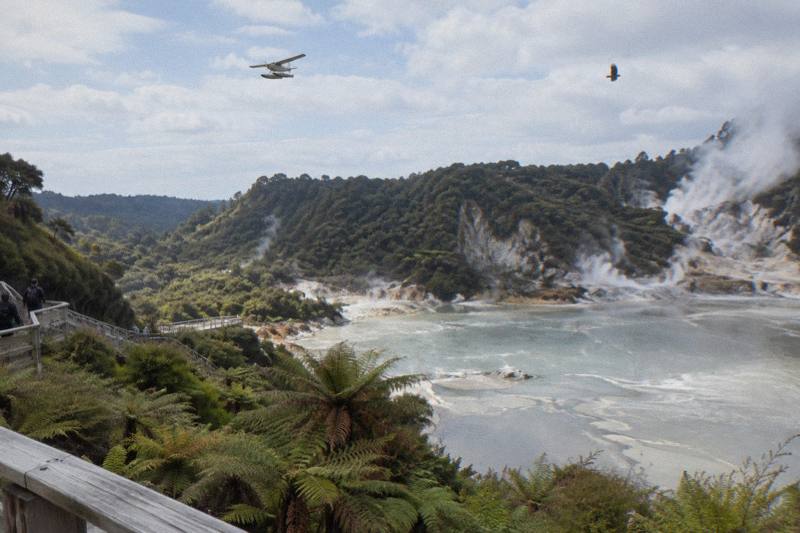
Is There A Helicopter Tour To White Island?
Yes, flights to White Island operate from Rotorua as flyovers, with landings suspended. Here is what runs, what it costs and how to choose.
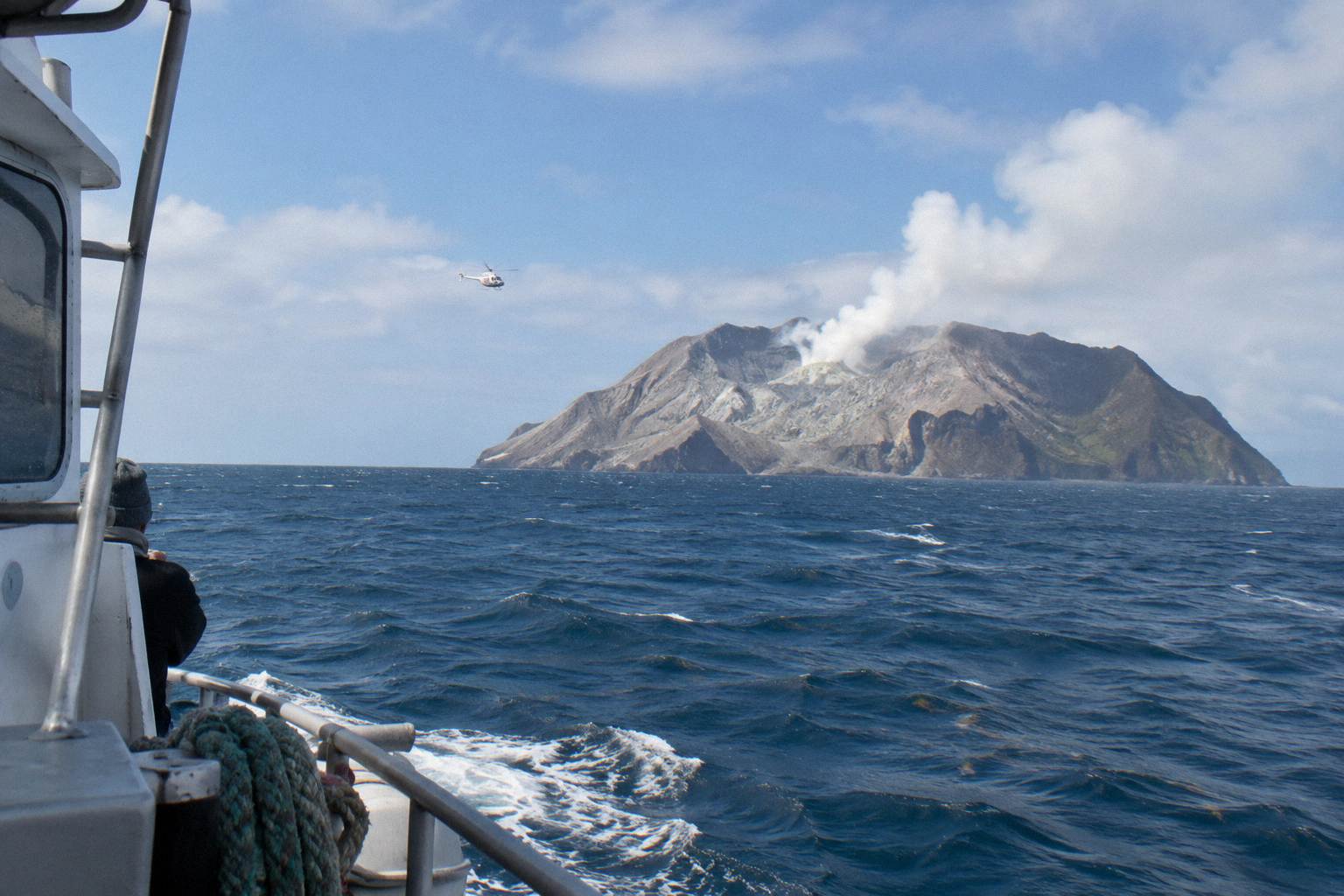
In short: Yes, but only as a flyover. Volcanic Air operates flights from the Rotorua Lakefront that cross to Whakaari / White Island and circle above it. Landings on the island are suspended, so no helicopter touches down there, and the flights that combine White Island with a Mount Tarawera summit landing split the two: Tarawera landing, White Island flyover. The island lies about 48 km off the coast of Whakatane, so these are long flights by Rotorua scenic-flying standards, and every departure depends on the weather that day.
That distinction, flyover versus landing, is the single thing most searchers get wrong, so it is worth settling before anything else. For a wider view of how these trips sit among the volcano flights on offer, see the Rotorua Helicopter Tours home page, and for the island-specific options in detail, the White Island helicopter flights guide.
No helicopter tour lands on White Island, and none has since the eruption of 9 December 2019. What runs instead are scenic flights from Rotorua that overfly the island, in both floatplanes and helicopters, operated by Volcanic Air from the Lakefront at 1 Lakefront Drive. The answer is yes with a condition: you can fly to White Island, look down into its crater from above, and be back in Rotorua the same afternoon, but you cannot step onto it.
The suspension comes from official guidance rather than any operator choice. Tourism New Zealand's page on Whakaari states plainly that for the safety of locals and visitors "there are currently no boat tours to, or helicopter flights that land on the island." That wording covers everything: boats, helicopters, all operators, all seasons. There is no queue you can join, no premium product that gets around it, and no indication in the official material of when it might change.
What the suspension does not cover is the airspace above the island. The Civil Aviation Authority lifted its airspace restrictions over Whakaari in 2020, and scenic overflights from Rotorua have operated since. Volcanic Air describes the island as "New Zealand's only permanently active offshore volcano" in its own material, which is exactly the draw: an active submarine volcano, steam rising from its crater, in the middle of the open Bay of Plenty. You see it from a window seat, not from the ground.
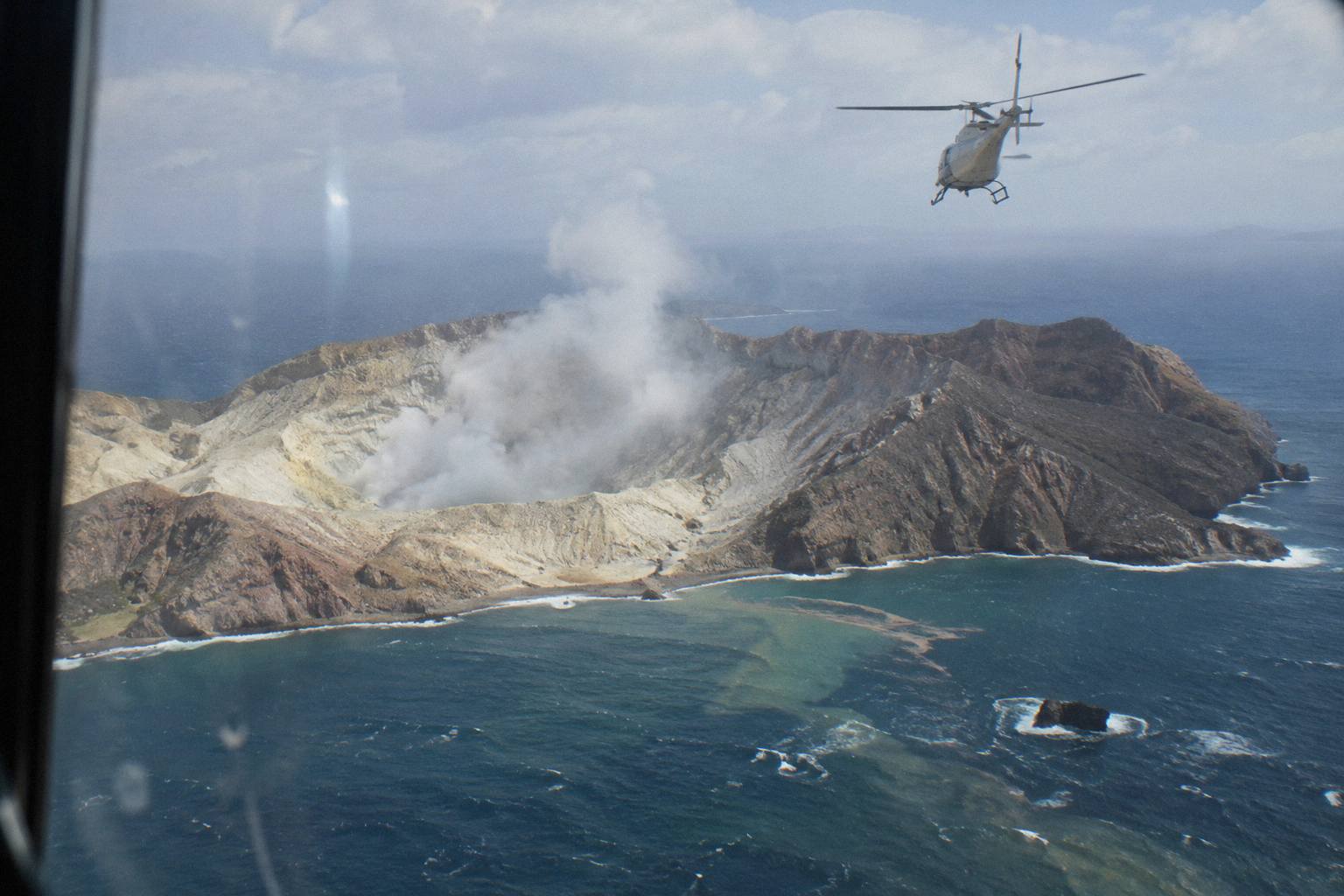
The practical consequence for planning is that the White Island trips in the Rotorua roster pair the flyover with something else. Some add a Mount Tarawera summit landing, where landings are permitted and routine. Others add the Waimangu Volcanic Valley, the geothermal valley that the 1886 Tarawera eruption created. Nobody sells White Island on its own from Rotorua, because the flight time out and back, roughly 48 km off the Whakatane coast each way, only makes sense bundled with a second volcanic feature.
Quick Facts: White Island Flights From Rotorua
| Question | Answer |
|---|---|
| Can a helicopter land on White Island? | No. Landings are suspended; flyovers only |
| Where do the flights depart from? | Volcanic Air, Lakefront, 1 Lakefront Drive, Rotorua |
| How far is the island? | About 48 km off the coast of Whakatane |
| Which aircraft fly there? | Floatplanes and helicopters, both from the Lakefront |
| Check-in time | 30 minutes prior for helicopters, 20 for floatplanes |
| Does the flight depend on weather? | Yes, every departure; the operator reschedules or refunds if it cannot fly |
Why Can't You Land On White Island Any More?
Landings stopped after the island's eruption on 9 December 2019, which killed 22 people and injured 25 others according to the coronial inquiry into the disaster. The eruption happened while visitors were on the island, and the official response was to end tourist access to the crater floor entirely. Tourism New Zealand's current guidance confirms there are no boat tours and no helicopter flights landing on the island, and that position has held ever since.
The coronial record matters here because it is the primary source for what happened: the eruption "resulting in the deaths of 22 people and injury to 25 others," with the bodies of two victims never recovered. Those figures are documented on the coronial inquiry's own pages, and they explain the depth of the official caution. The island was, before 2019, a place where walking tours moved through an active crater. It is not that any more, and no Rotorua operator pretends otherwise.
What continues is the volcano itself. GeoNet, the official geological hazard monitor, maintains a live status page for Whakaari, and that page is where any change in the island's condition is published first. The island remains an active volcanic system, which is precisely why the flyovers have appeal: the steam you see from the aircraft is real, current, and not staged for tourists. Anyone wanting to check conditions close to their travel date can read the GeoNet Whakaari volcano page directly.
It helps to frame the choice honestly. If the dream was standing inside a live crater, that experience is gone, and no booking from any operator will recreate it. If the dream was seeing an active offshore volcano at close range, photographing a crater that is steaming today, and doing it without setting foot on unstable ground, the flyover delivers that completely. Reading whether you can fly over Whakaari in a helicopter covers the aircraft side in more detail.
Which Rotorua Flights Actually Overfly White Island?
The differences between them are in what else each trip does, because White Island alone does not fill the flight. The floatplane trips pair the island with Mount Tarawera: one adds the Waimangu Volcanic Valley to the route, the other keeps the pairing tighter. The helicopter trip, the Volcanic Extremes flight, is the longest at roughly 1 hour 45 minutes total and adds a Mount Tarawera summit landing, which is permitted where White Island landings are not. That makes it the closest thing to the pre-2019 experience, because at least one part of the day still puts boots on a volcano.
| Trip | Aircraft | Island stop | Extra features | Duration |
|---|---|---|---|---|
| Floatplane, Waimangu Included | Floatplane | Flyover only | Tarawera flight, Waimangu Valley | About 2 hours total |
| Floatplane, White Island And Tarawera | Floatplane | Flyover only | Mount Tarawera flight | Floatplane adventure |
| Volcanic Extremes | Helicopter | Flyover only | Mount Tarawera summit landing | About 1 hour 45 minutes |
Choosing between them comes down to two questions. First, aircraft: a floatplane takes off from Lake Rotorua itself, from the lakefront pier, which many travellers find the more atmospheric start; a helicopter gives the maneuvering and the option to land on Tarawera. Second, time and budget: the floatplane trips and the helicopter trip sit at different price points and different total durations, and only the helicopter one includes a landing anywhere.
The featured trip on the floatplane side is the White Island, Mount Tarawera & Waimangu Volcanic Valley flight, which runs about 2 hours total from NZ$1,230 per person with free cancellation up to 24 hours in advance. All amounts in New Zealand dollars throughout. Its route strings three volcanic stories into one flight: the active offshore island, the mountain that erupted in 1886, and the geothermal valley that eruption created. Check availability beside the full tour page if that combination fits.
The tighter pairing is the White Island & Mount Tarawera Floatplane Adventure, which keeps the two headline volcanoes and skips the Waimangu leg. It suits a traveller who wants the island and the rift valley of Tarawera in one window session without the longest day out. Reviews are thin on it, eight at last count, too few to treat as a signal either way, so the choice rests on the itinerary rather than on crowd opinion.
What Is The Helicopter Option Like?
The Volcanic Extremes flight is the one true helicopter trip to White Island on the roster: about 1 hour 45 minutes total, out over the Bay of Plenty to circle the island, then back inland to Mount Tarawera, where it lands on the summit for a guided walk. It is the only roster trip that pairs a White Island flyover with a volcano landing in a single booking, and that landing remains at the pilot's discretion on the day.
The operator's own description of the Tarawera leg says landings "are undertaken at your own risk and such landings are at your pilot's sole discretion," and that durations "may vary due to weather conditions, volcanic activity and passenger loadings." That wording is standard for the mountain and should be read as part of the deal rather than as a warning sign. Tarawera landings happen routinely; they are simply never promised in advance.
For someone set on a helicopter rather than a floatplane, this trip answers the original question most directly. You fly to White Island in a helicopter, you see the crater from above, and then you get the thing White Island cannot currently offer anyone: standing on a volcano. The price is on the booking page rather than in a from-figure worth printing here, and with just two reviews so far there is no rating worth leaning on either. Treat it as an itinerary decision, not a popularity one.
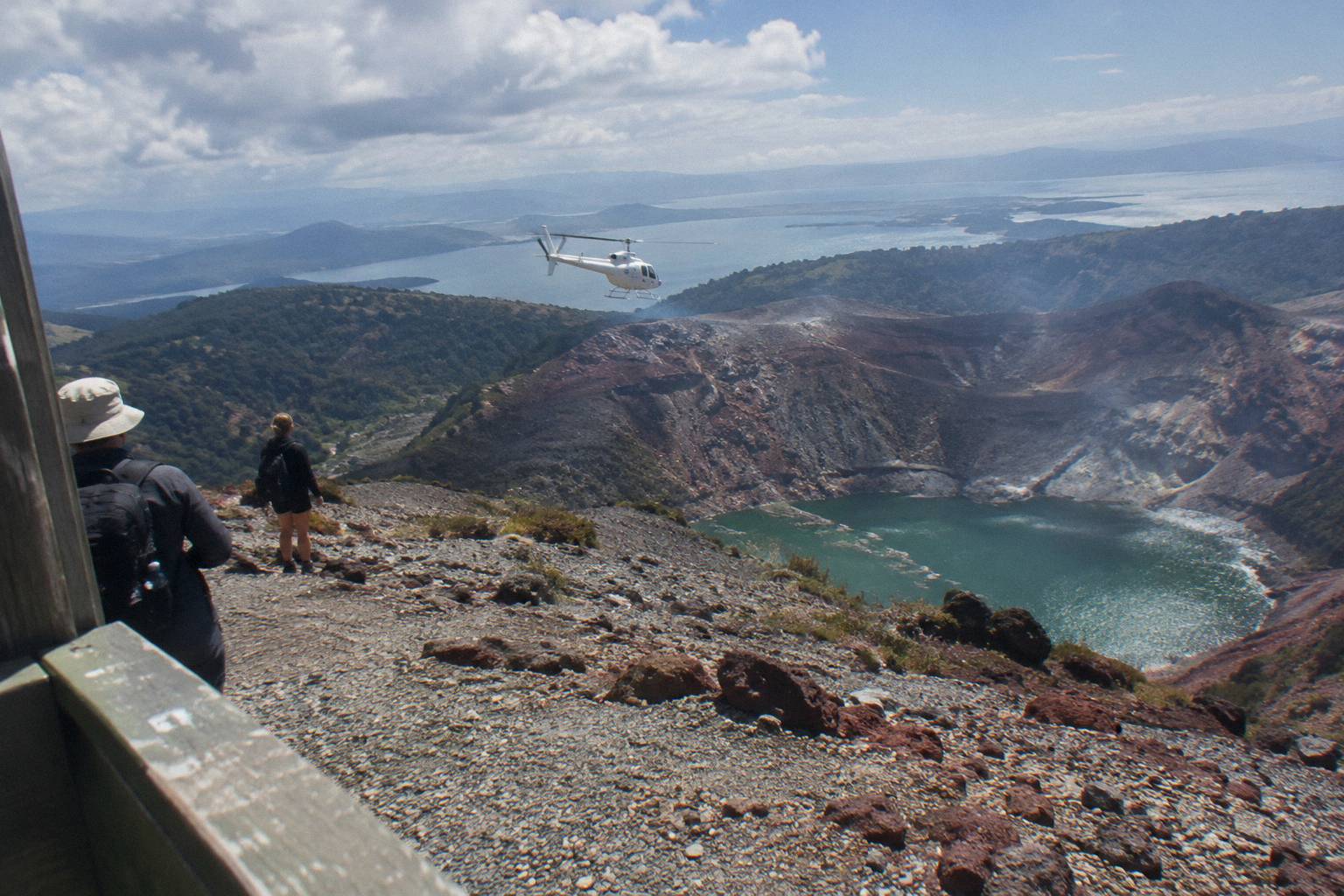
The pairing also tells the fuller geological story. Whakaari is an offshore cone still actively steaming; Tarawera is a mountain that blew its top in one violent night in 1886 and now carries an 8 km rift across its summit in the operator's flight wording, part of a 17 km rift documented by GNS Science that runs on through Lake Rotomahana into the Waimangu area. Seeing both in one flight compresses two completely different kinds of volcano into a single morning. The Mount Tarawera eruption from above guide unpacks the 1886 story for the flight home.
How Do You Get To White Island And Back In One Day?
Every White Island flight departs from the Volcanic Air base at the Rotorua Lakefront, 1 Lakefront Drive, under 1 km from the town centre, so the day starts and ends on foot for anyone staying in town. Helicopter passengers check in 30 minutes before departure and floatplane passengers 20 minutes, both for a safety briefing. The full trip fits inside roughly two to three hours door to door from the Lakefront.
There is no hotel pickup on standard flights; the operator offers direct pick-ups only for bespoke charters. In practice that is rarely an inconvenience, because the base sits on the lakefront itself, a short walk from most central accommodation, and the floatplanes literally take off from Lake Rotorua beside the office. Arrive early enough for the briefing and the paperwork, including the weight declaration the operator requires of every passenger at booking.
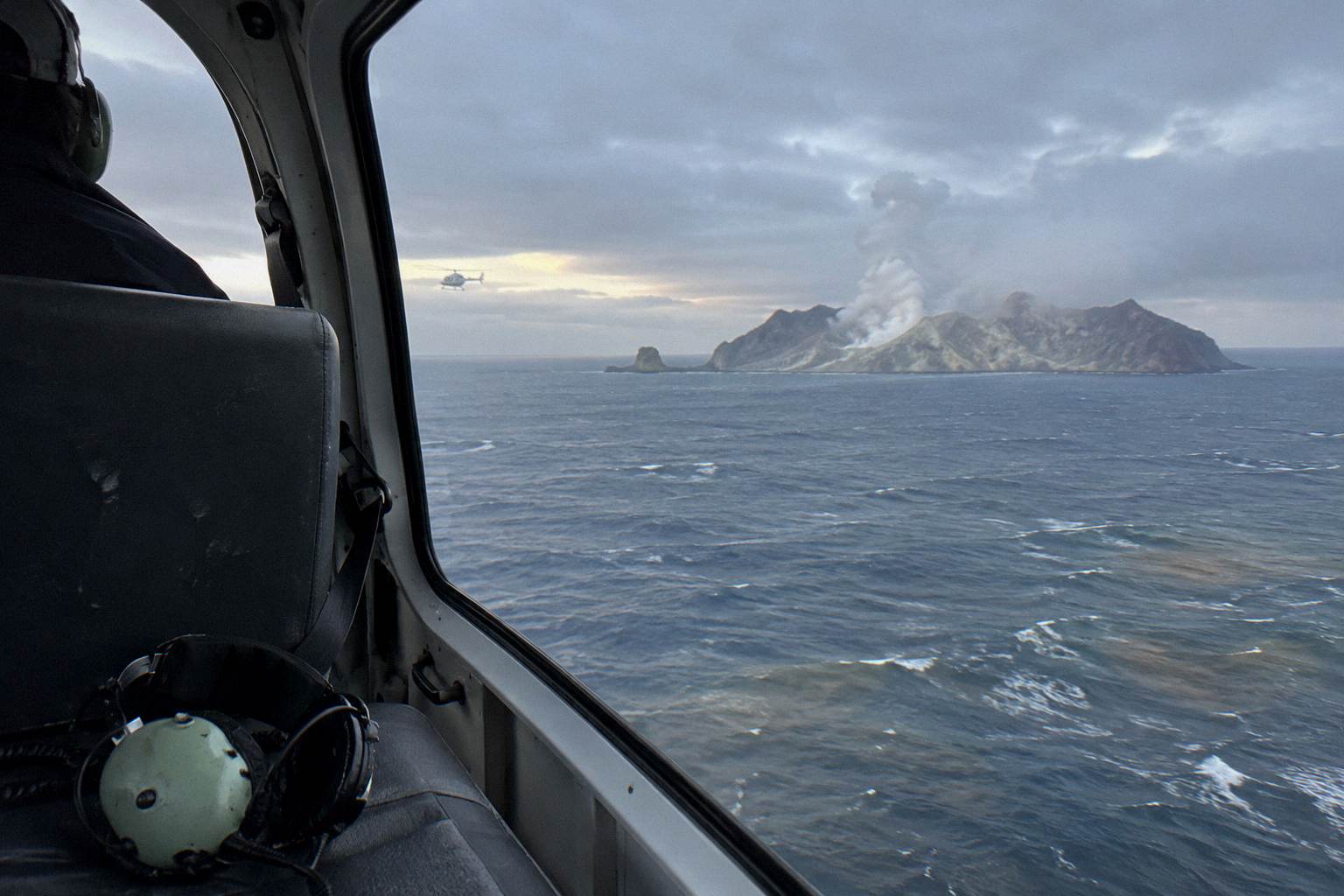
The distance is the reason these trips cost more than the 15-minute crater lakes flights over the town. Whakaari sits about 48 km off the Whakatane coast, which means each White Island itinerary spends most of its flight time over open water before the island appears. That transit is not empty time: the Bay of Plenty coastline, White Island's plume first visible as a smudge on the horizon, and then the return over the volcanic interior give the flight a shape that shorter local flights cannot match.
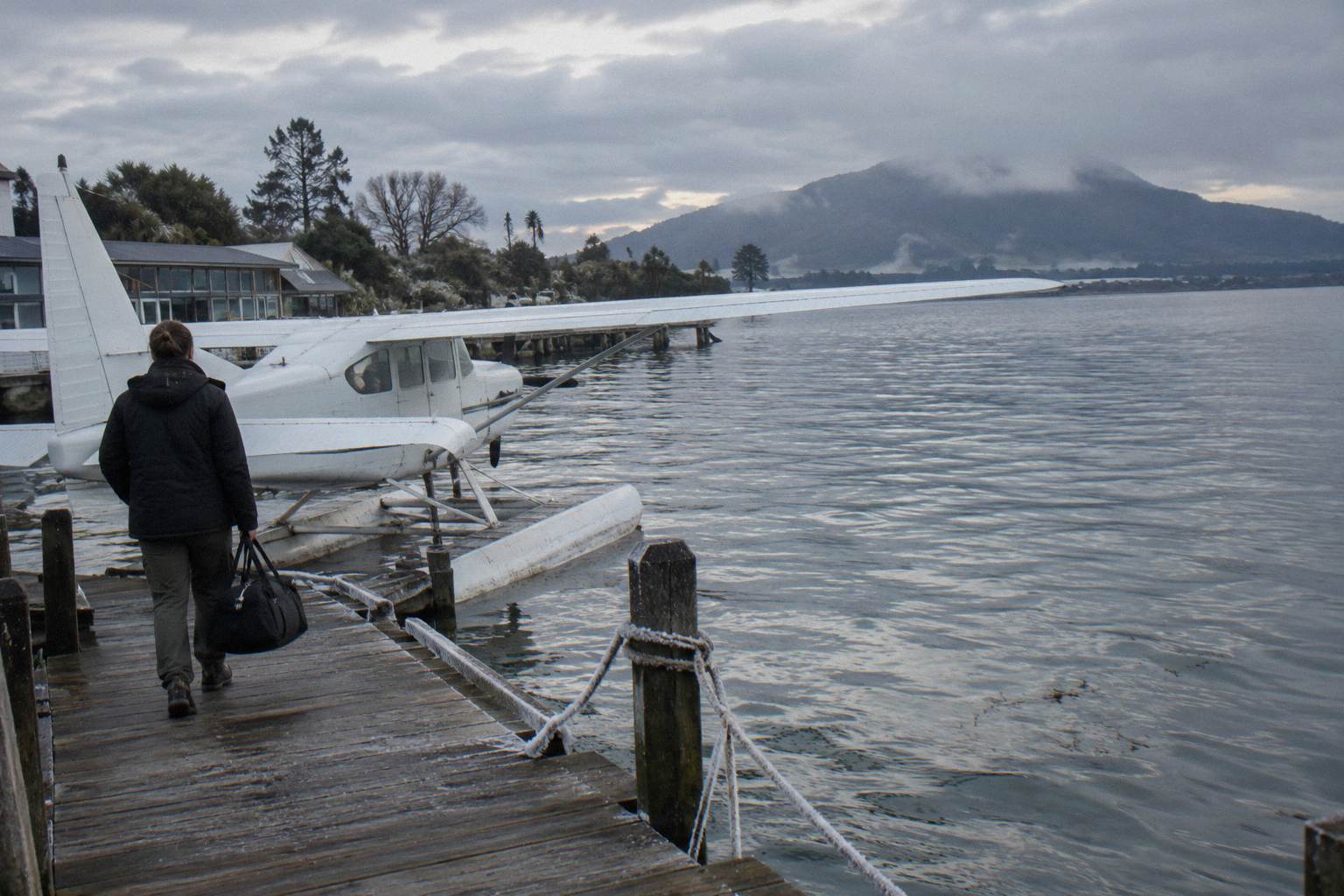
Two practical notes shape the day. First, weather gates everything: the operator's terms state that flights operate subject to suitable conditions and that if a flight cannot proceed for weather the operator will reschedule or provide a full refund, and bookings carry free cancellation up to 24 hours in advance. Second, the Bay of Plenty sea breeze can build later in the day, so morning departures often give the calmest ride out to the island; the operator's own FAQ says mornings often give the calmest weather and smoothest flying. For the fuller picture, what happens if a flight is cancelled for weather explains the process end to end.
Is Flying Over An Active Volcano Safe?
Overflights of Whakaari run like any other scenic flight over an active volcanic area: the aircraft stays at altitude, does not enter the crater, and follows guidance published by GeoNet and the aviation authorities. The Civil Aviation Authority lifted its Whakaari airspace restrictions in 2020, and flyover tourism from Rotorua has operated under normal scenic-flight rules since. Volcanic Air describes itself as a CAA-certified air operator, and every flight begins with a safety briefing.
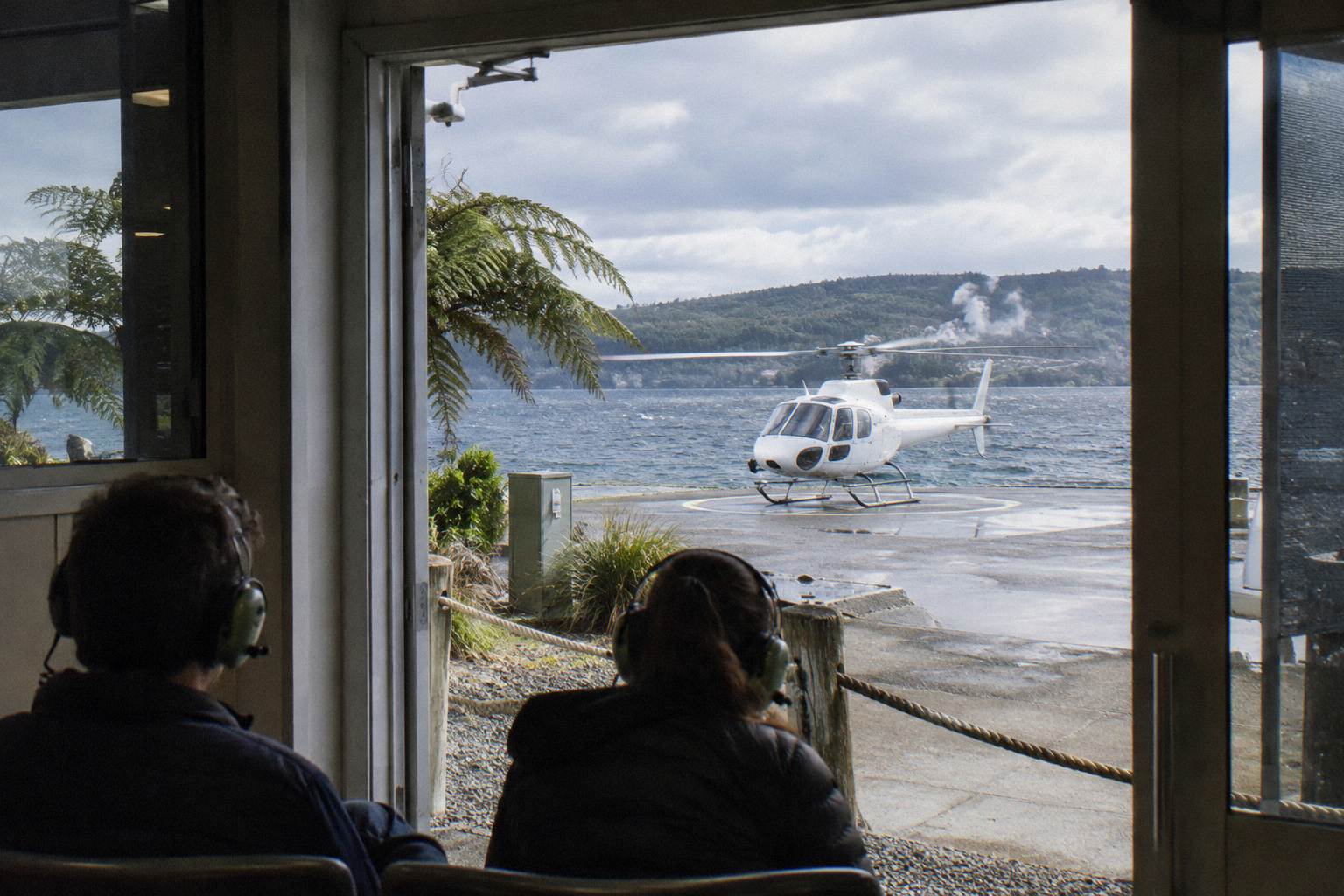
The distinction that matters is between being on a volcano and being above one. The 2019 tragedy involved people on the crater floor, exposed directly to an eruption. A flyover exposes nobody to the ground hazards at all; the risks that remain are the ordinary risks of any light-aircraft flight over water, which the operator's terms acknowledge in a section covering landings and take-offs on hard terrain or water and natural hazards including geothermal activity and fast changing weather. That is standard operator language across New Zealand scenic aviation, not a White Island specific alarm.
Monitoring is continuous and public. GeoNet watches the island around the clock, publishes alert level changes as bulletins, and its Whakaari page is the live record. Because an alert level can change on any given day, a responsible article does not print one as a standing fact; the operator adjusts operations to current conditions, and GeoNet is the place to read them. If you want the deeper treatment, is White Island still active before a flight works through exactly that question.
What Mistakes Do People Make Booking A White Island Flight?
The commonest mistake is buying a White Island trip expecting to land, and discovering only at check-in that the landing ended in 2019. The second is assuming the helicopter option lands on the island because it lands on Tarawera; the Volcanic Extremes flight lands only on the mainland volcano. The third is underestimating the weather dependency of a long overwater flight and booking the single morning of a two-night stay with no slack to rebook if conditions turn.
Each of those is avoidable with a little planning. Read the itinerary before paying: if the words "White Island landing" appear anywhere in a current Rotorua listing, something is wrong, because no such product exists. Anchor the day on what the trip actually delivers, the flyover plus a Tarawera landing or a Waimangu overflight, and judge it on that. The Whakaari flyover or landing guide compares the two experiences side by side for anyone still weighing them.
| Mistake | What goes wrong | The fix |
|---|---|---|
| Expecting an island landing | Disappointment at briefing | Accept flyover-only before booking |
| Reading "Tarawera landing" as "White Island landing" | Wrong trip chosen for the wrong reason | Check which volcano the landing is on |
| Booking the last morning of a short stay | Weather cancels, no slot to rebook | Leave a spare morning after the flight |
| Declaring weight inaccurately | Reschedule, surcharge or cancellation | Give the true weight at booking |
| Forgetting the 48 km transit | Surprise at price and duration | Compare with short local flights on flight time |
Weather deserves the last word because it decides more White Island days than anything else. The operator's FAQ says mornings often give calmest conditions, and the driest, warmest stretch in Rotorua runs from late spring in October through to early autumn in April, per Rotorua's official visitor information. None of that guarantees a departure, but booking a morning slot inside that window, with a fallback day behind it, is the highest-probability way to see the island.
Common Questions About White Island Flights
Is There A Helicopter Tour To White Island?
Yes, as a flyover. Volcanic Air flies from the Rotorua Lakefront to Whakaari / White Island and circles above it, in both floatplanes and a helicopter option, but no aircraft lands on the island because landings are suspended.
Can You Land On White Island By Helicopter?
No. Tourism New Zealand states there are currently no boat tours to the island and no helicopter flights that land on it. Only overflights operate.
How Long Is The Flight To White Island From Rotorua?
The island lies about 48 km off the Whakatane coast, so the full trips run long: the floatplane flight with Waimangu takes about 2 hours total, and the Volcanic Extremes helicopter about 1 hour 45 minutes including a Mount Tarawera landing.
How Much Does A White Island Flight Cost?
The White Island, Mount Tarawera & Waimangu Volcanic Valley floatplane flight starts from NZ$1,230 per person. The other two White Island trips carry their from-prices on the booking page, and every listing includes free cancellation up to 24 hours in advance.
Is White Island Still Erupting?
GeoNet's most recent bulletin records that eruption has ceased at the island and the alert level has been lowered, though the volcano remains an active system whose status can change any day. GeoNet's Whakaari page is the live source.
Which Trip Should You Pick?
Pick the Volcanic Extremes helicopter if a volcano landing matters most, since it lands on Mount Tarawera after the island flyover. Pick a floatplane trip if you prefer a lake take-off or want the Waimangu Valley included in the route.