Is Mount Tarawera Dormant? What Helicopter Passengers Should Know
Mount Tarawera last erupted in 1886, and scientists describe it as dormant rather than extinct. What that means for a helicopter flight or summit landing over the Rotorua region.
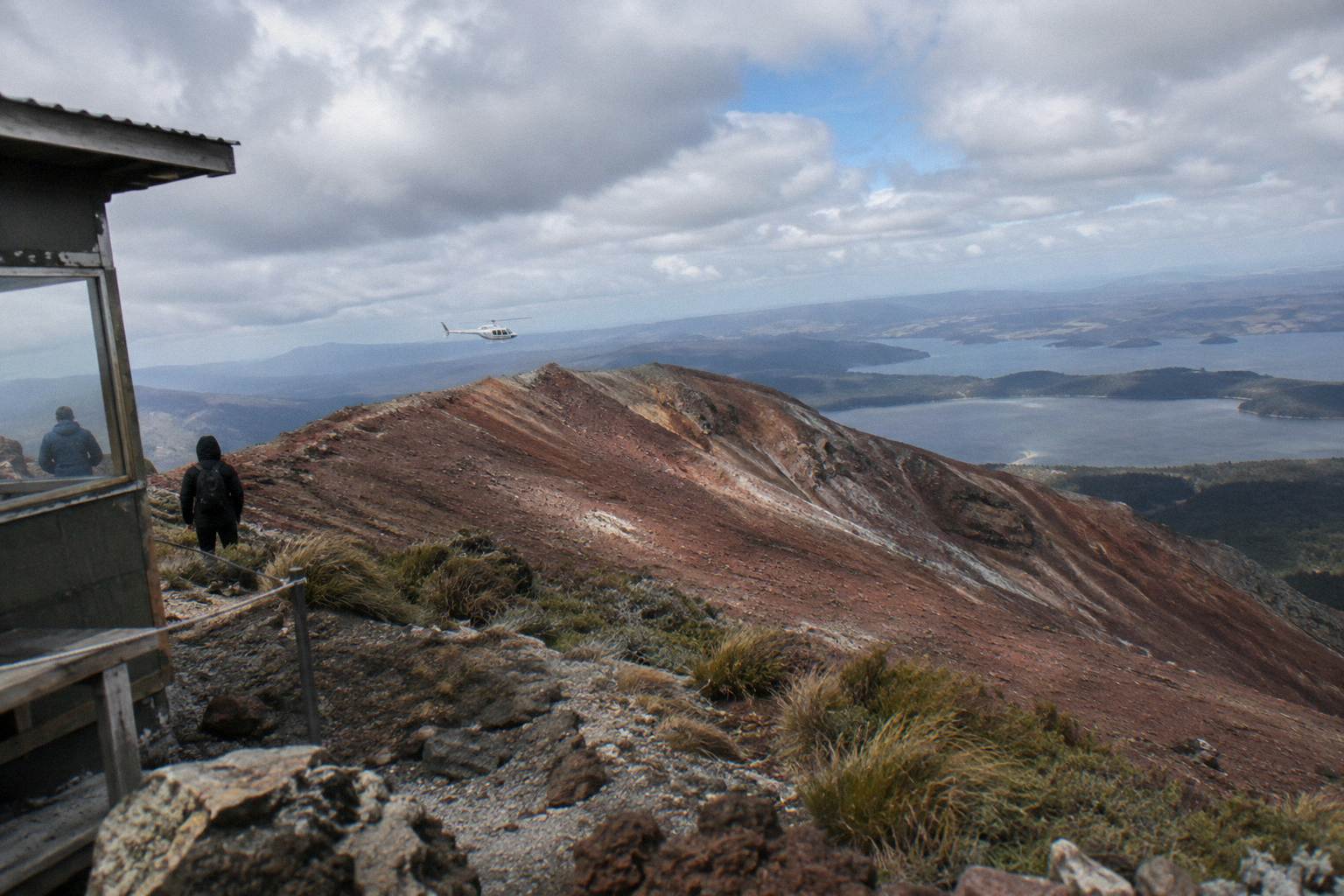
In short: Mount Tarawera is dormant, which is not the same as extinct. Its last eruption was the night of 10 June 1886, an event that opened a rift GNS Science describes as 17 km long and killed more than 100 people in nearby villages. The mountain sits inside the monitored Okataina volcanic centre, and GeoNet watches it continuously. For helicopter passengers this changes nothing about the flying itself: overflights and summit landings operate, with the operator noting that volcanic activity is one of the factors that can vary a tour's duration and landings.
That single word, dormant, does a lot of quiet work in Rotorua tourism. It is the reason a helicopter can legally and routinely set down on a volcano that destroyed a village within living memory of the region's oldest families. It is also the reason the fine print on every booking carries a line about volcanic activity alongside the usual weather clauses. Anyone weighing a Tarawera flight is weighing a volcano, and this article lays out exactly what that means, from the 1886 eruption to the landing rules today. The wider context on how a Tarawera helicopter landing works is covered in a separate guide.
| Quick Fact | Detail |
|---|---|
| Mountain | Mount Tarawera, summit 1,111 m |
| Last eruption | Night of 10 June 1886 |
| Rift | 17 km long, per GNS Science |
| Deaths in 1886 | More than 100 people |
| Volcanic centre | Okataina, monitored by GeoNet |
| Helicopter landings | Operate, at the pilot's sole discretion |
| Operator base | Lakefront, 1 Lakefront Drive, Rotorua |
| Flight operator | Volcanic Air, flying in the region since 1992 |
Dormant is the accurate word, and it carries a precise meaning: Mount Tarawera has not erupted since the night of 10 June 1886, but it is not extinct and is not treated as inert by any agency that studies it. GNS Science, the country's crown research institute for geoscience, documents the 1886 eruption and the mountain's place in the Okataina volcanic centre, a monitored zone rather than a closed one. Dormant means sleeping, and in practical aviation terms it means flights over and onto the mountain continue, subject to monitoring, weather and the pilot's judgement on any given day.
The distinction matters because casual usage blurs it. Some travel copy leans toward "extinct", which no geological source supports, and some anxious readers hear "active" and picture an imminent eruption, which nothing in the record suggests either. The honest middle position is the one the science agencies hold: Tarawera erupted in recorded history, it sits in a volcanic centre that GeoNet monitors, and its current state is one of quiet. That quiet is why a tourism industry exists on its flanks at all.
For a passenger, the practical translation is straightforward. Helicopters fly the mountain daily, landings happen, and the volcanic question is not a looming risk you need to personally assess. It is a standing condition the operator, the regulator and the monitoring agencies manage, and it appears in the tour terms precisely because it is taken seriously rather than ignored. GeoNet's Okataina volcanic centre page is the live reference if you want the monitoring picture first-hand.
Three Tarawera flights dominate the decision, and dormant or not, they differ more in shape than in risk. Compare them before anything else.
What Happened On The Night Of 10 June 1886
The eruption began on the night of 10 June 1886 and tore a rift GNS Science measures at 17 km, running across the mountain top, through Lake Rotomahana and into the Waimangu Valley area, killing more than 100 people in the villages nearby. Te Wairoa village was razed and all but covered with ash and mud, and the famous silica hot springs known as the Pink and White Terraces were buried. The exact hour and the exact death toll differ between official sources, so the careful record keeps to the night itself and to the phrase more than 100.
The sources agree on the essentials and diverge on the details, which is itself worth knowing. GNS puts the start at 1.30am with roughly five hours of activity; Te Ara's account runs from around 2am to about 6am; NZ History allows six hours. Rather than three versions of a clock, treat it as one long, violent night. NZ History's account of the Tarawera eruption and Te Ara's record both hold the full narrative for readers who want it.
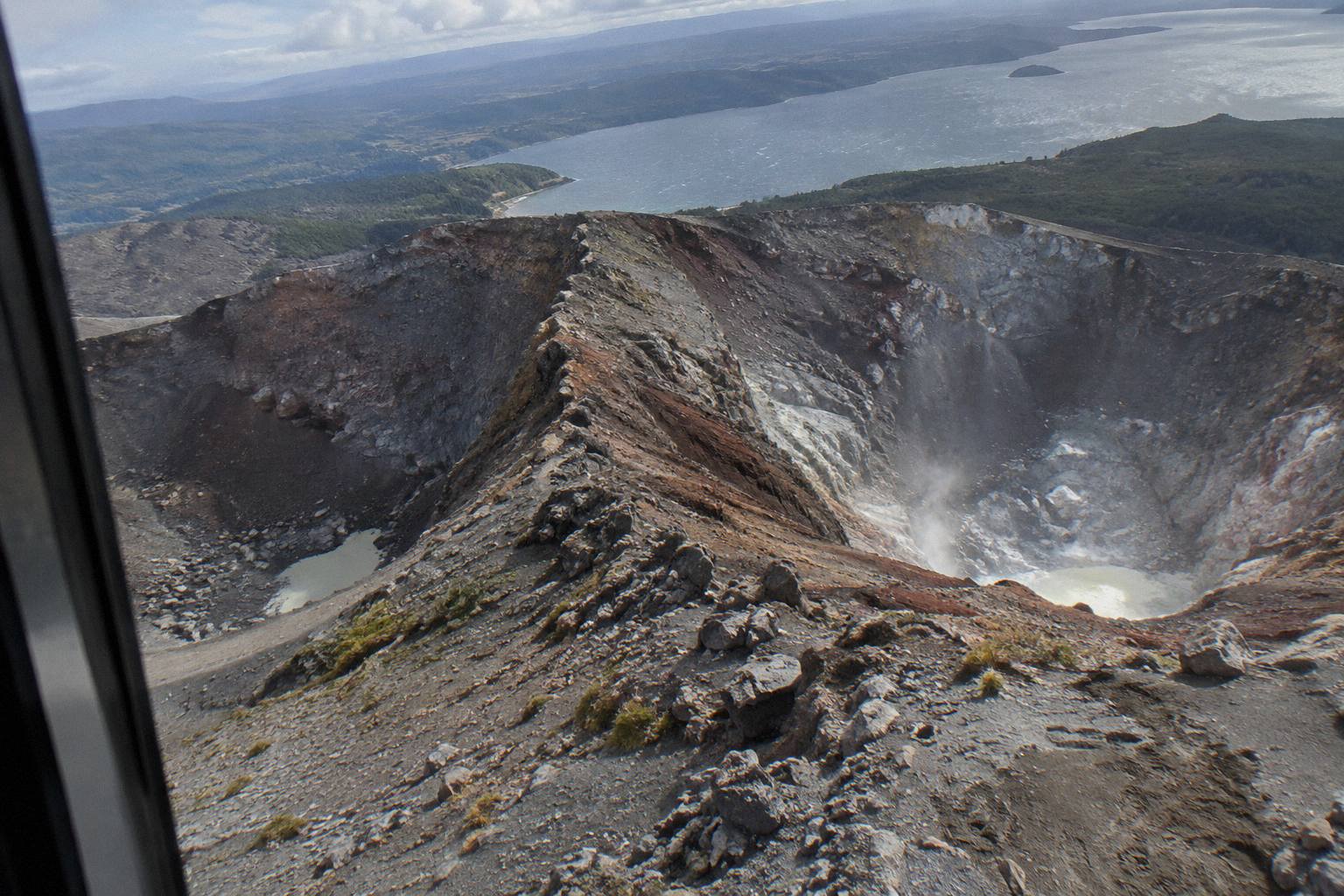
What a passenger sees from the air is the direct residue of that night. The summit domes, Ruawahia, Tarawera and Wahanga, carry the eruption's scars, and Ruawahia is the highest at 1,111 m. Lake Rotomahana, which the eruption reshaped, lies in the flight path of several tours, and Waimangu Volcanic Valley, whose geothermal system the valley's own pages attribute to the 1886 eruption, sits at the rift's southern end. The GNS Tarawera fact sheet is the single best technical summary of all of it.
| 1886 Fact | What The Record Holds |
|---|---|
| Date | Night of 10 June 1886 |
| Rift length | 17 km, GNS Science attribution |
| Summit domes | Ruawahia, Tarawera, Wahanga |
| Highest dome | Ruawahia, 1,111 m |
| Deaths | More than 100 people |
| Te Wairoa | Razed and largely buried, now The Buried Village |
| Pink and White Terraces | Buried; remnants of the Pink may lie beneath Lake Rotomahana |
One nuance that trips up a lot of flight-day conversations: the operator's own tour wording describes flying over Tarawera's 8 km of rift over the mountain, while GNS describes the full 17 km rift line extending through Lake Rotomahana into the Waimangu area. Both are honest numbers describing different spans, the mountain-top portion versus the whole fracture. Neither is a contradiction, and the deeper story of the 1886 eruption seen from above is worth a separate read.
Can You Still Land A Helicopter On A Dormant Volcano
Yes, landings on Mount Tarawera's summit operate as a routine part of the roster, and the terms are explicit about how they work: excursion landings are undertaken at your own risk and are always at the pilot's sole discretion. That means the volcano remains a permitted landing site, though final approval depends on conditions and the pilot's judgment on the day. The operator's Tarawera landing page states that tour duration, flight times and inclusions may vary due to weather conditions, volcanic activity and passenger loadings. In practice the flight is sold with a summit landing and a 15 minute guided walk as its centrepiece, with the pilot holding final authority over whether conditions allow it on the day.
That discretion is not a loophole, it is the safety system. Access to the summit is managed rather than open: independent summit access is not permitted, and the mountain is reached through authorised guided tours or approved helicopter landings. The Ruawahia 2B Trust governs the maunga and reinvests most tourism concession revenue in conservation, with Volcanic Air operating as a concessionaire alongside Ngati Rangitihi, who hold kaitiakitanga, guardianship, of the mountain. The landing concession exists because the iwi and the trust allow it, under conditions they help set.
What The Landing Terms Actually Say
The operator's Tarawera landing flight page carries the operative wording: land on the summit for a 15 minute guided walk, with duration and inclusions variable, landings at your own risk, at the pilot's sole discretion. The operator's terms add the surrounding frame: flights land and take off on hard terrain or water, and natural hazards in the region include earthquakes, geothermal activity, landslides and fast changing weather. None of this singles Tarawera out as dangerous; it describes the operating environment of the whole volcanic plateau.
If a landing cannot happen, the operator's FAQ wording on weather gives the pattern: flights operate subject to suitable conditions, and if a flight cannot go ahead the operator works to reschedule or provide a full refund. The Mt Tarawera Helicopter Tour with Volcano Landing is the roster's core summit-landing flight, rated 4.9 from 43 reviews, with free cancellation up to 24 hours in advance through the booking terms. More detail on whether the Tarawera crater landing is worth it is in its own post.
Thinking about the summit walk version instead? Check availability on the operator's live listing.
Is There A Difference Between Dormant And Extinct
Yes, dormant and extinct mean very different things when describing volcanoes. An extinct volcano is one that is not expected to ever erupt again, while a dormant volcano is not currently erupting but has erupted within recorded history and could erupt again in the future. Mount Tarawera's single historical eruption, in 1886, places it firmly in the dormant category alongside a long list of sleeping volcanoes worldwide. No agency describes it as extinct, and no credible source describes an eruption as imminent. The word dormant carries both halves of that meaning: quiet today, alive in the geological record, and monitored precisely because the past is recent in geological terms.
For passengers the distinction is more than vocabulary. It explains why the mountain is monitored within the Okataina volcanic centre rather than written off, why tour terms mention volcanic activity as a variable, and why the region around it, Waimangu's geothermal valley, the steaming ground at Orakei Korako, remains thermally alive. The same volcanic system that erupted in 1886 still heats the landscape the flights cross. A dormant volcano is a sleeping system, and its heat is visible from the window. The full index of guides sits on Rotorua Helicopter Tours.
It also explains the tone of the tourism. Nothing about Tarawera's dormant status is hidden in fine print; the 1886 story is the product. Passengers book the flight precisely because the mountain has a history, and the guided walk on the summit tells it. The framing is honest because the underlying science is settled: quiet, monitored, and carrying a well-documented past that the region has built an industry on interpreting.
What Volcanic Status Means For Your Flight Day
For most travelers, volcanic status changes almost nothing on flight day: scenic flights over Tarawera operate daily year-round during daylight hours, and the volcano's monitoring level is a background condition tracked by the operator and regulators rather than a decision passengers need to make or worry about before boarding. The variables that actually shape a flight day are weather, cloud cover over the summit, and aircraft loading, the ordinary physics of small-ship aviation. Volcanic activity appears in the terms because it belongs there, not because it routinely disrupts schedules or closes the mountain to aviation.
The operator describes itself as a CAA-certified NZ air operator, and helicopter scenic operations in New Zealand sit under Civil Aviation Rule Part 135, titled "Air operations: helicopters and small aeroplanes". That framework covers how such flights are certified and crewed. Nothing in it, and nothing in the monitoring of Tarawera, imposes a standing restriction on summit landings; the discretion lives with the pilot and the operator's own conditions on the day.
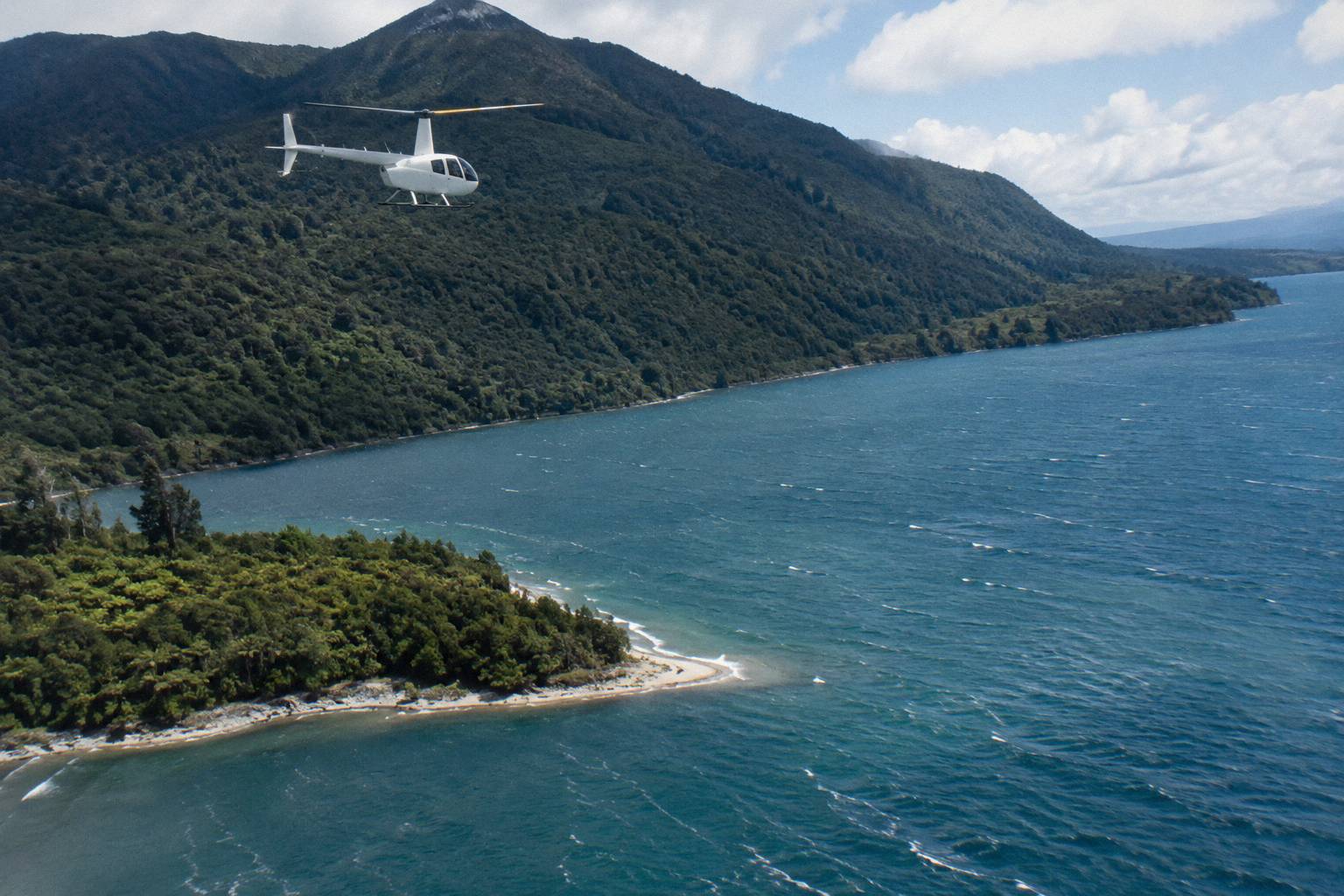
Practical planning points that follow from all of this: check in at the Lakefront office 30 minutes before a helicopter flight for the safety briefing; mornings often give the calmest weather and smoothest flying; and every Tarawera trip on the roster carries free cancellation up to 24 hours in advance under the booking terms. If weather or activity stops a flight, the operator's stated approach is reschedule or full refund. For the wider picture, the guide to Rotorua helicopter weather works through the seasonal detail.
Prefer a flyover that skips the landing question entirely? The scenic floatplane option covers Tarawera and Waimangu from above.
Which Tarawera Flights Suit A First-Time Visitor
The roster splits into three shapes, and the dormant question plays out differently in each: summit-landing helicopters that put you on the volcano itself, a combined landing-and-walk flight with a guided summit component, and flyover-only floatplanes that treat the mountain as the centrepiece of an aerial circuit with no touchdown. The Helicopter Landing, Guided Summit Walk runs about 40 minutes total from NZ$675 per person. The choice is mostly about time, budget and appetite for standing on the rock rather than about volcanic status.
| Flight (short name) | Type | Landing | Printable Price |
|---|---|---|---|
| Helicopter Volcano Landing | Helicopter | Mt Tarawera summit | Rating 4.9 from 43 reviews |
| Helicopter Landing, Guided Summit Walk | Helicopter | Mt Tarawera summit | From NZ$675 per person |
| Scenic Floatplane, Tarawera And Waimangu | Floatplane | No landing | From NZ$395 per person |
| Volcanic Extremes, 1h45m Helicopter | Helicopter | Mt Tarawera summit | Price on the live listing |
| Tarawera Volcano Floatplane | Floatplane | No landing | Price on the live listing |
All amounts are New Zealand dollars. Prices are per-person from-prices tied to each trip as shown.
A 15 minute summit walk after a helicopter touchdown is the most direct engagement with the dormant volcano, and the guided element means the 1886 story arrives standing on the rock it happened to. The floatplane flyover, 30 minutes of flight within a 40 minute total, suits a shorter budget or a tighter schedule, and it adds Waimangu Valley to the view. The One-Hour Volcanic Adventure and the longer Volcanic Extremes flight, 1 hour 45 minutes with a Tarawera summit landing, round out the helicopter side for travellers with more time. The full comparison of helicopter versus floatplane in Rotorua treats the trade-offs at length.
What Mistakes Do Tarawera Passengers Make
The recurring mistakes Tarawera passengers make are assuming the landing is guaranteed, confusing a dormant volcano with an extinct one, and misreading the weight and check-in rules. Any one of these can cost you the flight, the fare, or the summit walk you booked, so read the conditions and requirements carefully before you go. The landing is at the pilot's sole discretion and stated as at your own risk; volcanic status does not make the mountain tame, and the weight rules are enforced by weighing on arrival, with deviations from a declared weight able to trigger rescheduling, a surcharge or cancellation at the operator's sole discretion.
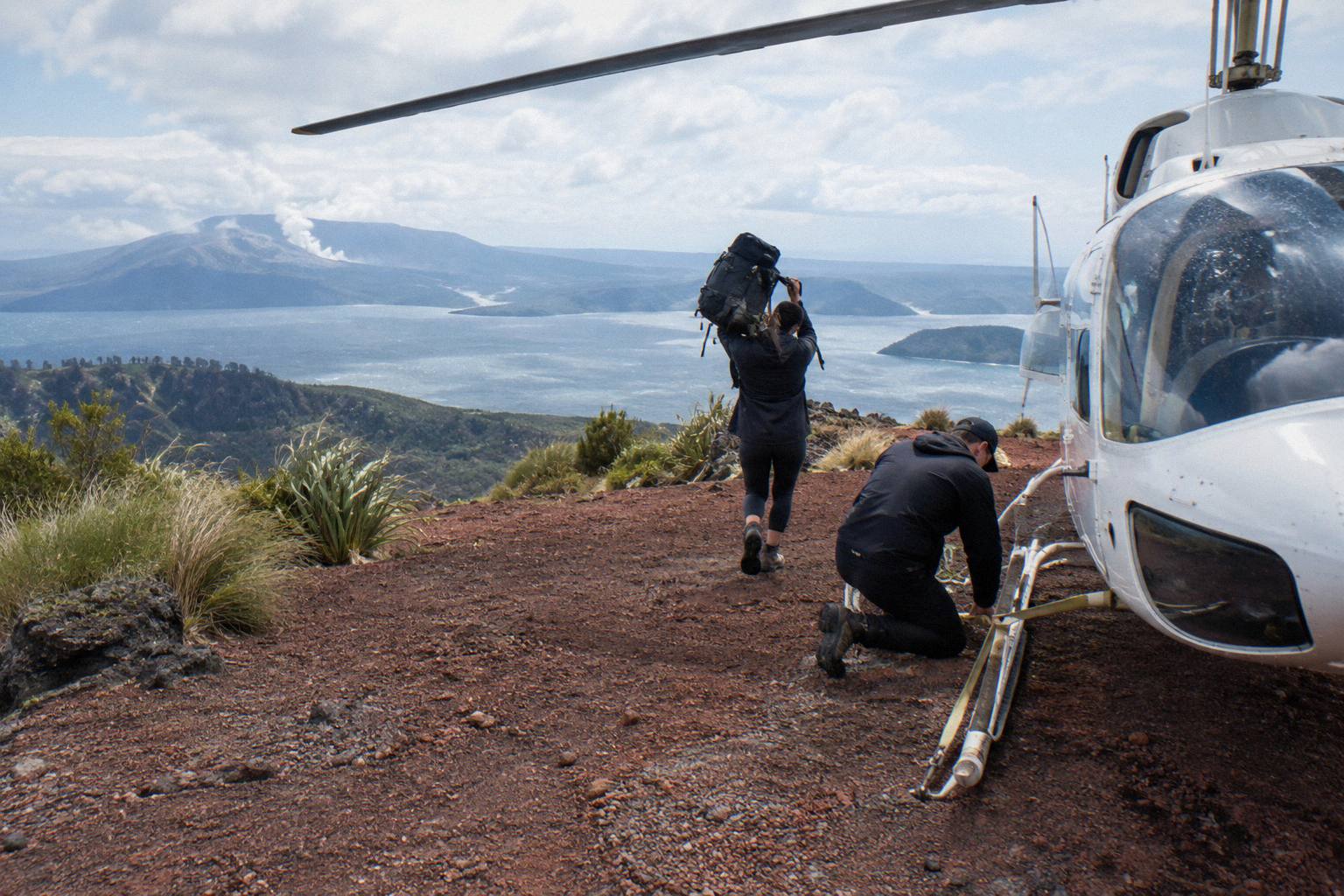
The weight point deserves emphasis because it catches people unprepared. Individual weights are declared at booking so seating stays within balance limits, and passengers are weighed on arrival. Over 110 kg a surcharge may apply; over 135 kg as weighed requires two adult fares. On the One-Hour Volcanic Adventure, the booking terms also cap total weight per passenger at 110 kg with a maximum of six travellers. None of this is punitive; a helicopter's balance is math, not judgement, and the crew cannot bend it to be polite.
The check-in point is simpler but just as final: 30 minutes before a helicopter flight, at the Lakefront office, for a full safety briefing. Hotel pickup is not part of standard flights. Bring closed-toe comfortable footwear for any landing flight, plus camera, sunglasses and a jacket. Children of all ages are welcome, with under 2s on a lap and child rates for ages 2 to 11. The deeper run-through of Rotorua helicopter weight limits covers the surcharge mechanics, and what happens if a flight is cancelled for weather handles the refund side.
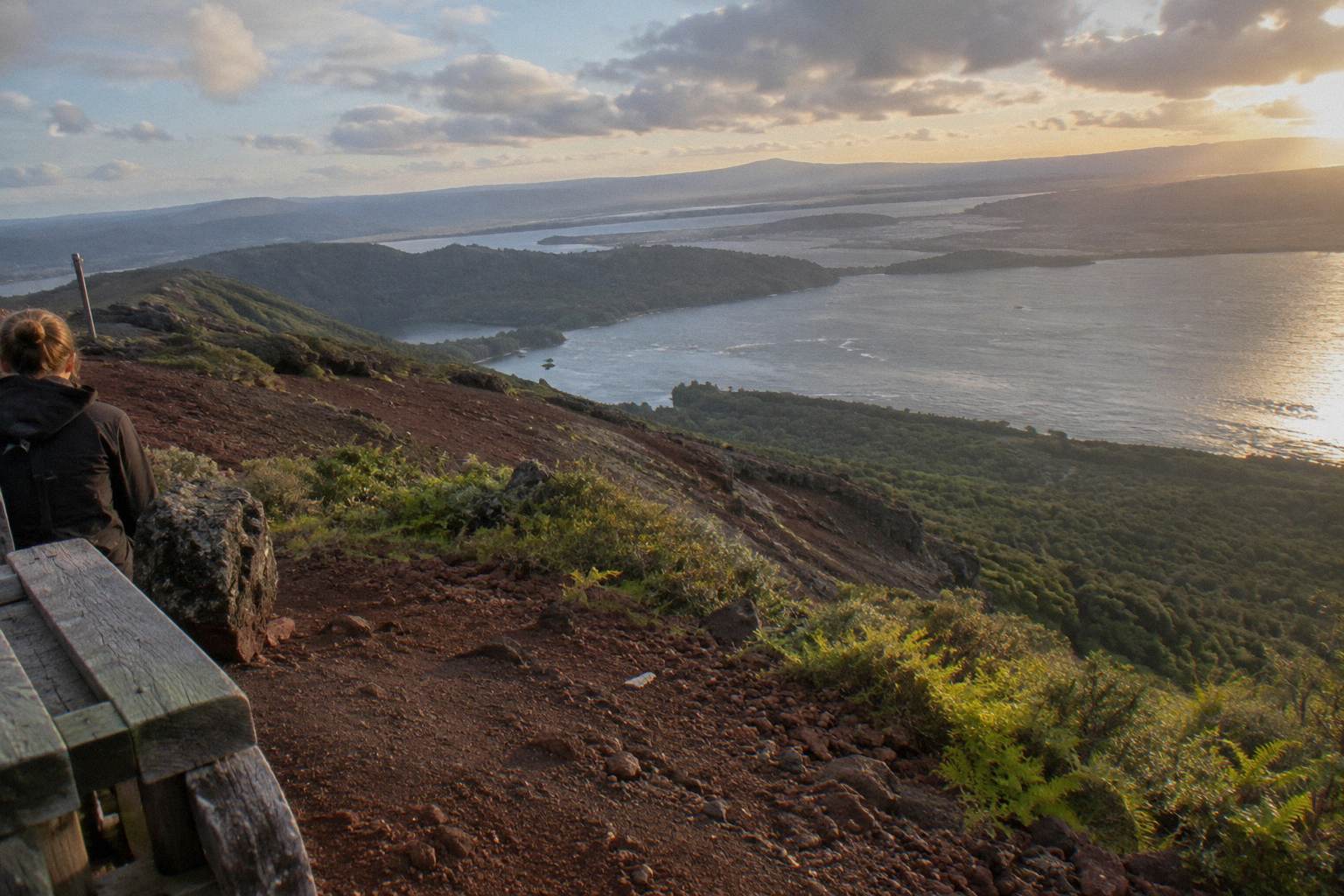
Before the final questions, here are the three Tarawera flights again side by side, since most readers booking off this page choose among exactly these.
Common Questions About Tarawera Volcanic Status
Is Mount Tarawera Dormant? What Helicopter Passengers Should Know
Yes, dormant is the accurate description. The mountain last erupted on the night of 10 June 1886 and has been quiet since, but it is not extinct and sits within GeoNet's monitored Okataina volcanic centre. Helicopter flights and summit landings operate, with landings at the pilot's sole discretion and volcanic activity listed among the factors that can vary a tour.
When Did Mount Tarawera Last Erupt?
On the night of 10 June 1886. The eruption opened a rift GNS Science measures at 17 km, razed Te Wairoa village and buried the Pink and White Terraces. More than 100 people were killed in villages near the mountain.
Does Dormant Mean The Volcano Is Safe To Land On?
Landings operate under a concession and the operator's conditions, which state that excursion landings are undertaken at your own risk and at the pilot's sole discretion, and that duration and inclusions may vary due to weather, volcanic activity and passenger loadings. Dormant status is why flights run; pilot discretion is how safety is managed on the day.
Can A Tarawera Flight Be Cancelled Because Of Volcanic Activity?
Yes, it is one of the stated variables. The operator's terms cover cancellation before commencement for circumstances beyond its control, including weather and volcanic activity, with a full refund in those cases. Weather is the far more common reason a flight shifts.
Is Mount Tarawera Extinct?
No. No scientific source describes it as extinct. GNS Science and GeoNet treat it as part of the Okataina volcanic centre, dormant since 1886 and monitored accordingly.
Which Flights Actually Land On The Summit?
Several helicopter trips on the roster land on the Mt Tarawera summit, including the Helicopter Volcano Landing, the Helicopter Landing, Guided Summit Walk and the Volcanic Extremes flight. The floatplane Tarawera trips are flyovers without a mountain landing.