Do I Need To Be Weighed Before A Helicopter Flight?
Yes, you declare your weight at booking and are weighed on arrival for a Rotorua helicopter flight. Here is why, how it works, and what the 110 kg and 135 kg marks mean.
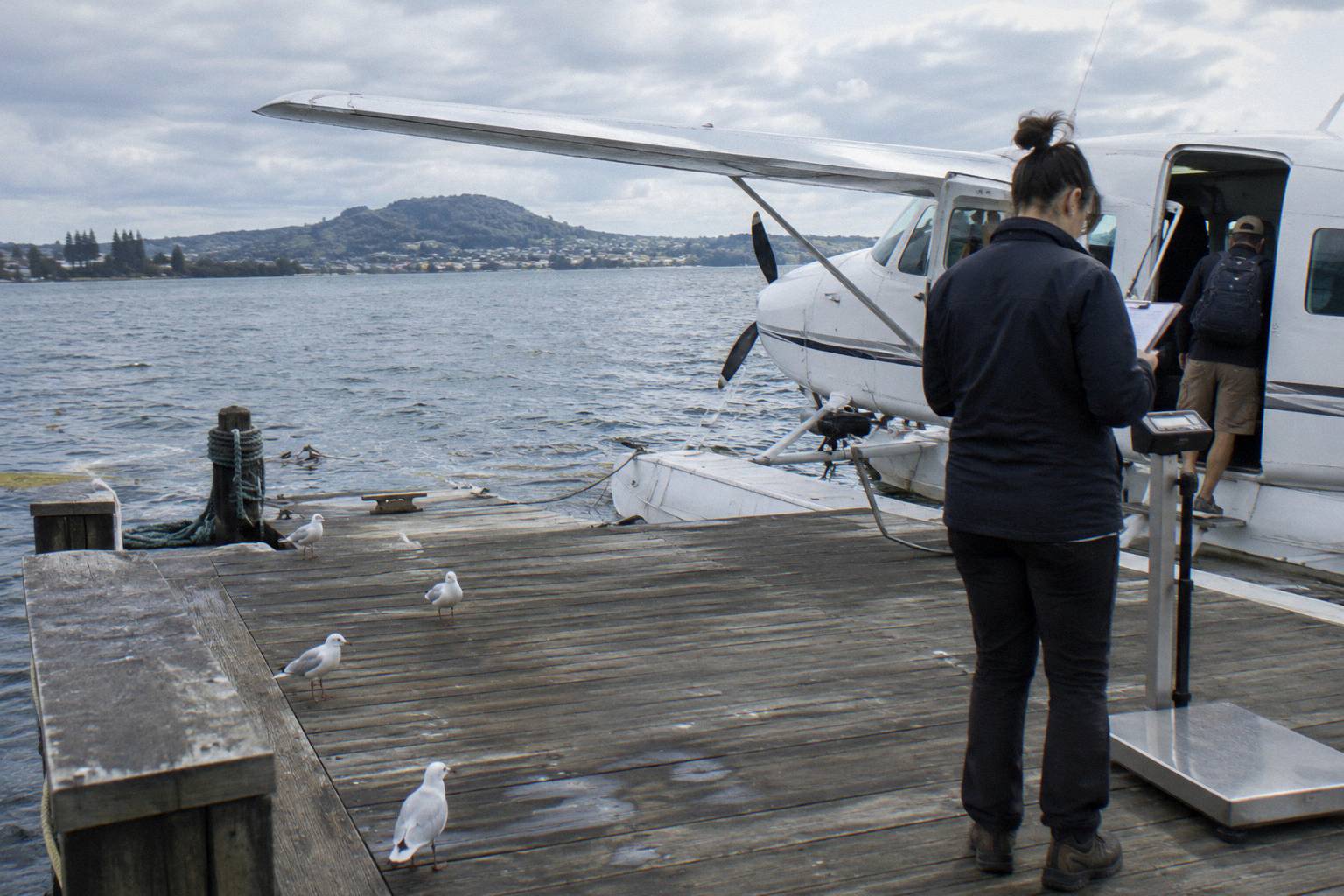
Yes. On every Rotorua helicopter flight you are asked to declare your individual weight when you book, and you are weighed again on arrival at the operator's Lakefront office before the safety briefing. The two numbers are compared so the aircraft stays inside its weight and balance limits, and a significant mismatch can mean a reschedule, a surcharge or a cancelled booking.
In short: You declare your weight at booking and step on the scales at 1 Lakefront Drive before flying. The weigh-in exists because a helicopter's centre of gravity shifts with every passenger, and loading it wrongly is a genuine flight safety issue, not a seat-size question. Over 110 kg a surcharge may apply; over 135 kg as weighed means two adult fares. Declare honestly, wear what you will fly in, and the process takes moments.
For the wider picture on passenger weights across every flight in the region, the rotorua helicopter weight limits guide covers the same rules in more depth; the short version for families is on the page about whether children can fly.
| Quick Fact | Detail |
|---|---|
| Do you get weighed? | Yes, on arrival at the Lakefront office |
| When do you declare weight? | At booking, per passenger |
| Scales location | Volcanic Air, 1 Lakefront Drive, Rotorua |
| Check-in time | 30 minutes before helicopter flights |
| Surcharge threshold | Over 110 kg, at the operator's discretion |
| Two-fare threshold | Over 135 kg as weighed |
| Refund if weather cancels | Full refund or reschedule, operator terms |
Yes, on every flight, and the answer is the same whether you are booked on a 15-minute lakes circuit or a Tarawera summit landing: you declare your weight per person at the time of booking, and you are weighed on arrival before the safety briefing. The operator's FAQ puts it plainly, that individual weights help keep seating in the aircraft safe and balanced. Nobody is singled out; every passenger does it.
The reason is physics rather than policy. A helicopter is balanced around a centre of gravity, and unlike a large airliner, where one extra passenger barely moves the needle, a small helicopter carries only a handful of people. A single passenger seated in the wrong position, or a declared weight well under the scales reading, can push the aircraft outside the envelope the pilot planned for. That is why the operator's terms treat a weight deviation as a operational matter rather than a paperwork nuisance.
The practical sequence at the Rotorua base, per the operator's FAQ, runs: check in at the Lakefront office, declare nothing new unless asked, step on the scales, receive the full safety briefing, then board. Helicopter passengers are asked to arrive 30 minutes before departure, and the weigh-in is one of the things that time buffer covers. Floatplane passengers get 20 minutes, and they are weighed too, because a floatplane lifted off Lake Rotorua obeys the same balance maths.
If you are still choosing a flight, the weighing question applies to all of them equally, so it should not shape which one you pick. The trio below spans the range: a Tarawera volcano landing, a short crater lakes circuit, and a one-hour volcanic adventure.
Why A Helicopter Cannot Skip The Scales
An aircraft this small is balanced, not merely loaded, and balance depends on real numbers for each seat. The operator's FAQ explains that passengers are weighed so the aircraft stays within balance limits, and its terms state that any deviation from your declared weight may result in a flight being rescheduled, a surcharge being applied, or a booking being cancelled at the operator's sole discretion. Those are the stakes.
Think of a see-saw with the pivot point fixed by the manufacturer. Two adults of very different weights seated fore and aft produce a different tipping moment than the same two adults swapped, even though the total load is identical. The pilot works out fuel, seats and passengers together before every departure, and the declared weights you supplied at booking are the inputs to that calculation. When the scales at the Lakefront contradict those inputs, the calculation has to be redone on the spot, which is exactly when flights get delayed.
The operator's own terms and FAQ, published at volcanicair.co.nz, are the primary source for all of this, and they also answer the follow-up questions travellers tend to worry about: pregnancy is not automatically a barrier, mobility needs are not automatically a barrier, and children of all ages are welcome, with under 2s on a lap. None of those categories exempts a passenger from the scales, because the scales are not about fitness. They are about mass and where it sits.
How The Weigh-In Actually Works On The Day
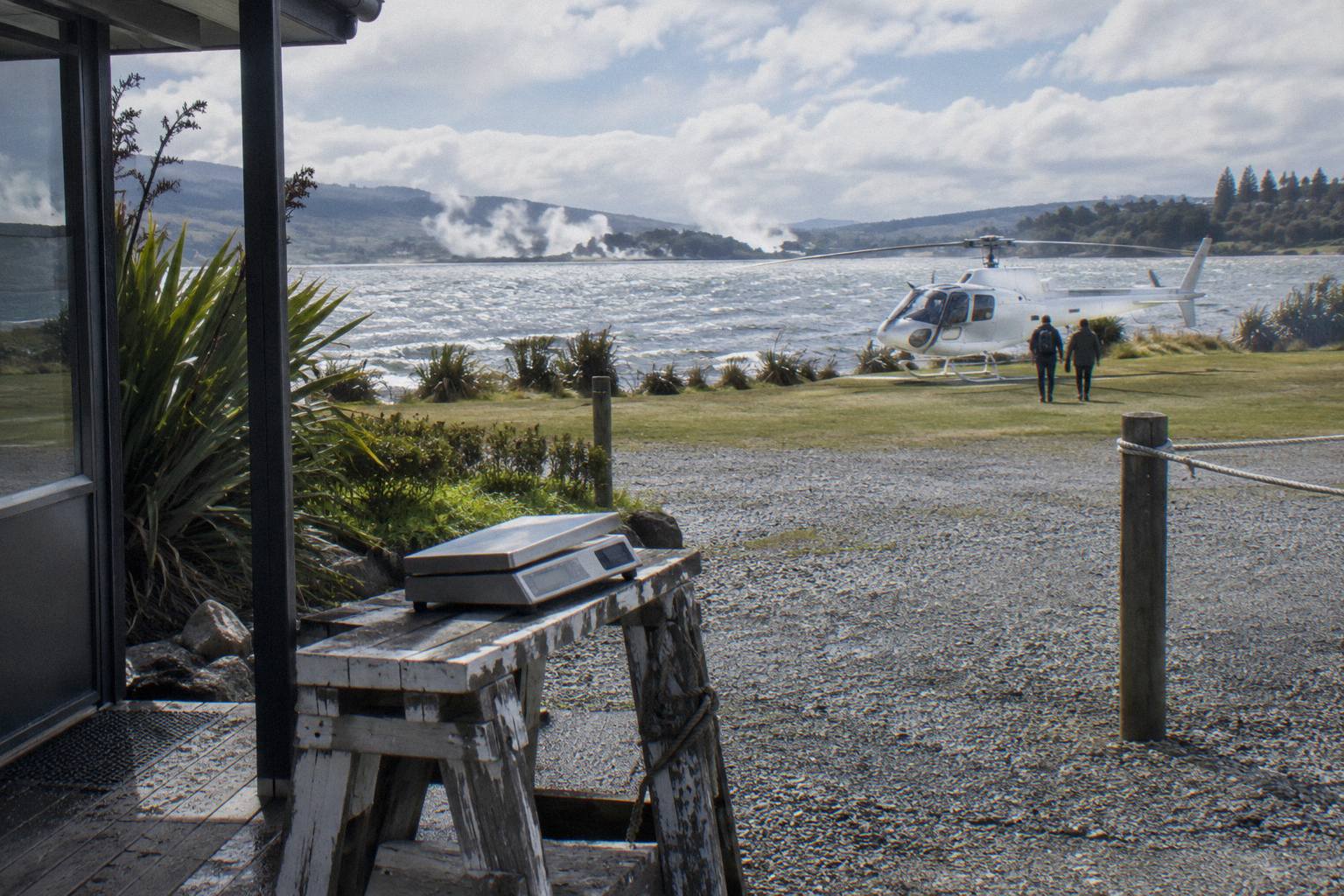
You arrive at the Lakefront office at 1 Lakefront Drive, under a kilometre from the centre of Rotorua, 30 minutes before a helicopter departure. Staff check you in, each passenger steps on a set of scales, and the numbers are matched against what was declared at booking. If they line up, you move straight to the safety briefing and boarding. Nothing about the process is public; weights are read and noted discreetly.
The check-in window exists for exactly this. Thirty minutes covers the weigh-in, the briefing, and the walk to the aircraft, so a passenger who arrives late is not just rushing themselves, they are compressing the sequence that confirms the load plan. Hotel pickup is not part of standard flights; the operator offers direct pick-ups only for bespoke charters, so for a regular booking you make your own way to the lakefront, where both the helicopters and the floatplanes depart.
What should you wear for the weigh-in? Whatever you will fly in, including shoes and any jacket, is the sensible answer, because that is the mass going into the aircraft. The operator's FAQ suggests bringing a jacket, sunglasses and a camera, and closed-toe comfortable footwear for flights with landings. The packing angle is covered in more detail in the what to wear on a helicopter flight guide, including why heavy camera bags belong in the weight you declare rather than a surprise at check-in.
A note on the aircraft themselves: the operator describes itself on its home page as a CAA-certified NZ air operator, and Civil Aviation Rule Part 135, titled "Air operations: helicopters and small aeroplanes", is the rule part that governs this class of flying, referring throughout to the holder of an air operator certificate. The weighing routine is part of operating under that framework, which is why it is non-negotiable at the counter.
The 110 Kg And 135 Kg Marks, Explained
Two thresholds appear in the operator's terms, both at the operator's sole discretion. Over 110 kg, a surcharge may apply, because a heavier passenger can reduce how many others can be carried on the same departure. Over 135 kg as weighed, a booking requires two adult fares, because the seat occupied effectively removes a seat from the load plan. Neither is a refusal to fly; both are pricing consequences of the maths.
The full weight clauses, alongside the cancellation and risk wording, are published in the operator's terms and conditions, and they are worth reading before you book rather than at the counter. One roster flight, the Mount Tarawera Volcanic Adventure by Helicopter, also carries a booking-page note of a 110 kg total weight per passenger and a maximum of six travellers, which is a concrete example of the same limits appearing on an actual product page.
| Weight Clause | What It Means For You |
|---|---|
| Declare at booking | Give an honest per-person weight, including gear |
| Weighed on arrival | Scales at the Lakefront office before briefing |
| Over 110 kg | A surcharge may apply, operator's discretion |
| Over 135 kg as weighed | Two adult fares required |
| Big mismatch with declared | Possible reschedule, surcharge, or cancellation |
If your weight sits near one of those marks, the honest declaration is the cheaper route in every scenario. Declare accurately and any surcharge is settled calmly before departure day; declare light and the scales expose the gap in front of the queue, with the operator free under its own terms to reschedule or cancel. The Mount Tarawera Volcanic Adventure, one of the three flights compared earlier, is a good example of a trip where the weight note is printed up front; Check availability if the one-hour format suits, or read more about that one-hour volcanic adventure flight first.
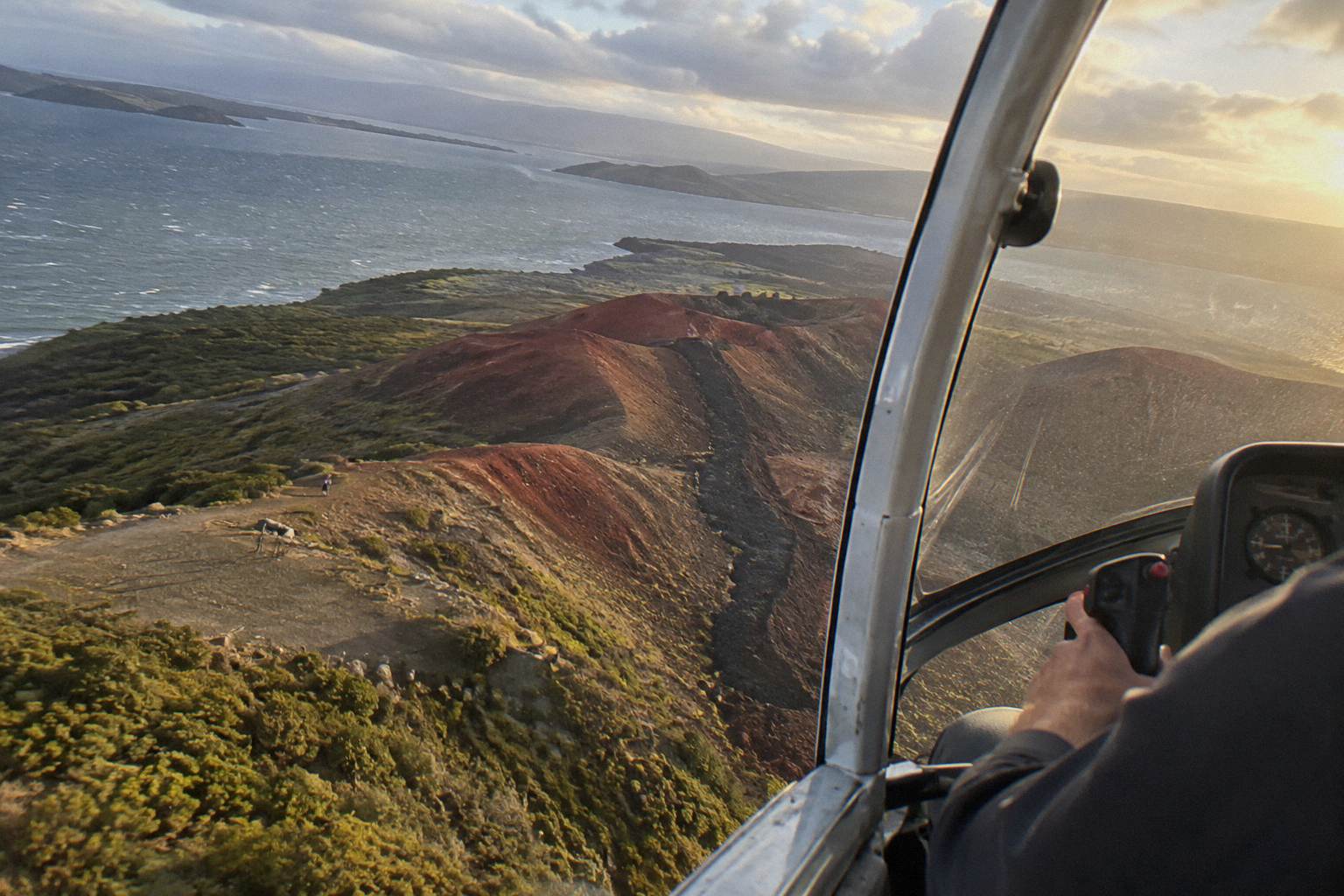
A practical point worth knowing: the scales are not there to judge anyone, they are there because a helicopter's centre of gravity has to sit within a narrow band for the aircraft to fly safely. Unlike a large airliner, where one heavy bag among hundreds barely shifts the maths, a small helicopter can have its balance meaningfully changed by a single passenger weighing more than declared. That is why the operator weighs every passenger at check-in, and why the declared figure at booking matters: it is used to plan the load before anyone arrives at the Lakefront office.
If you are travelling as a group, it helps to have each person's approximate weight ready when you book rather than guessing an average. Individual weights per passenger are what the operator asks for, and a group that declares honestly gives the pilot the best chance of seating and loading the departure exactly as planned. If someone in your party sits near the 110 kg mark, factoring a possible surcharge into the budget in advance avoids any surprise at the counter, and if anyone is close to 135 kg, it is far better to know the two-fare rule before booking than on departure day.
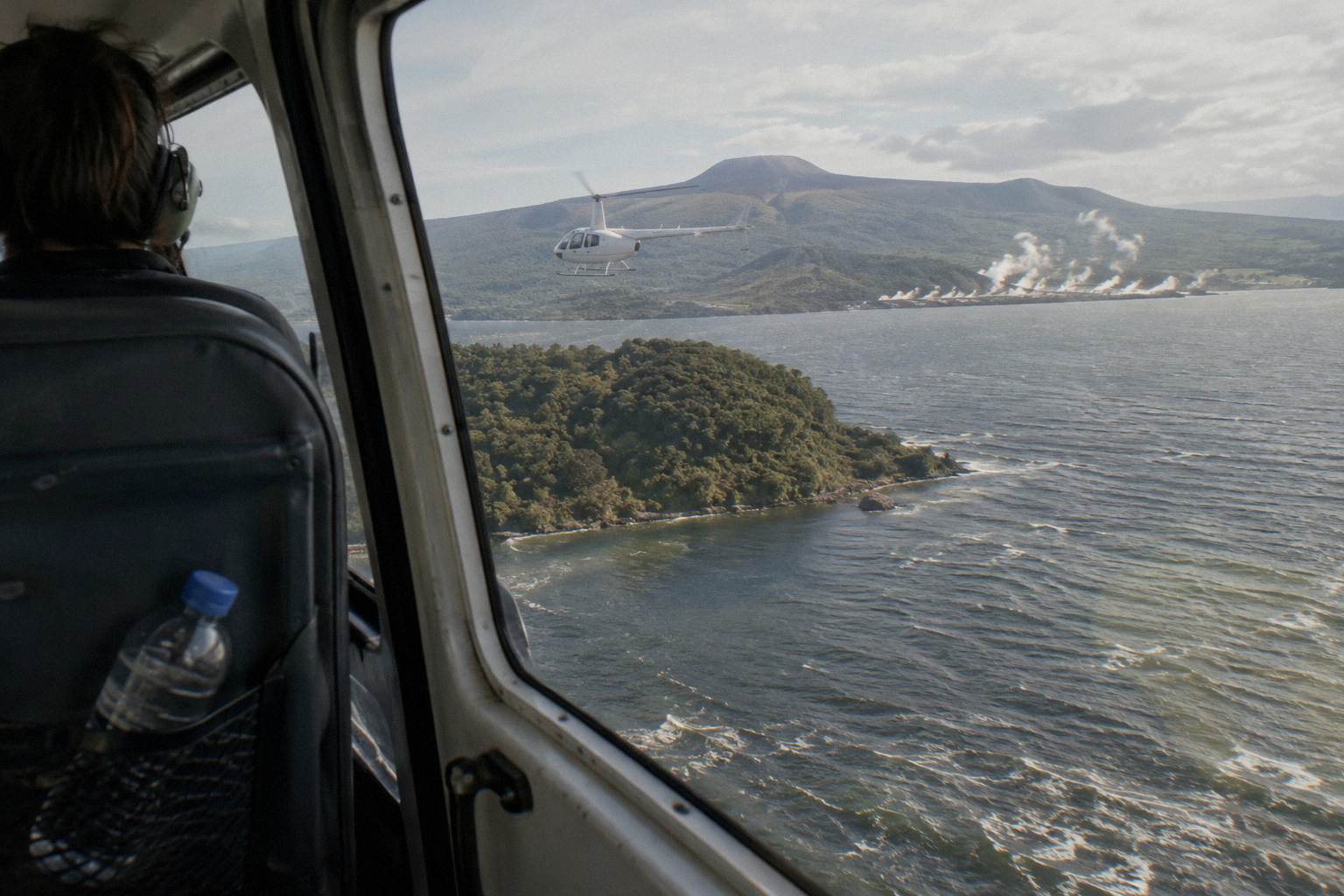
What Happens If Your Declared Weight Is Wrong
The operator's terms set out three possible outcomes when the scales disagree with the booking: the flight is rescheduled, a surcharge is applied, or the booking is cancelled, each at the operator's sole discretion. There is no tolerance band published, so the reliable move is to treat the declared number as a figure you expect the scales to confirm, not an estimate.
Why does the operator care enough to write a clause about it? Because the declared weights drive decisions made before you ever arrive: how much fuel goes in, which seats are assigned, and whether a party of four can travel together on one departure. A passenger who declares one figure and weighs in meaningfully heavier can flip a seat plan that was settled that morning. The mismatch is not treated as dishonesty by default; it is treated as a load-planning error that has to be fixed before the rotor turns.
Travellers sometimes ask whether shoes, jackets or camera gear count. The safest assumption is yes to all of it, because the aircraft carries the total of you plus everything you bring. If you are carrying a substantial camera bag or a winter coat in July, fold that into the number you declare rather than hoping the scales round down. Small margins matter less than large ones, but the goal is a declared figure that survives contact with the weigh-in.
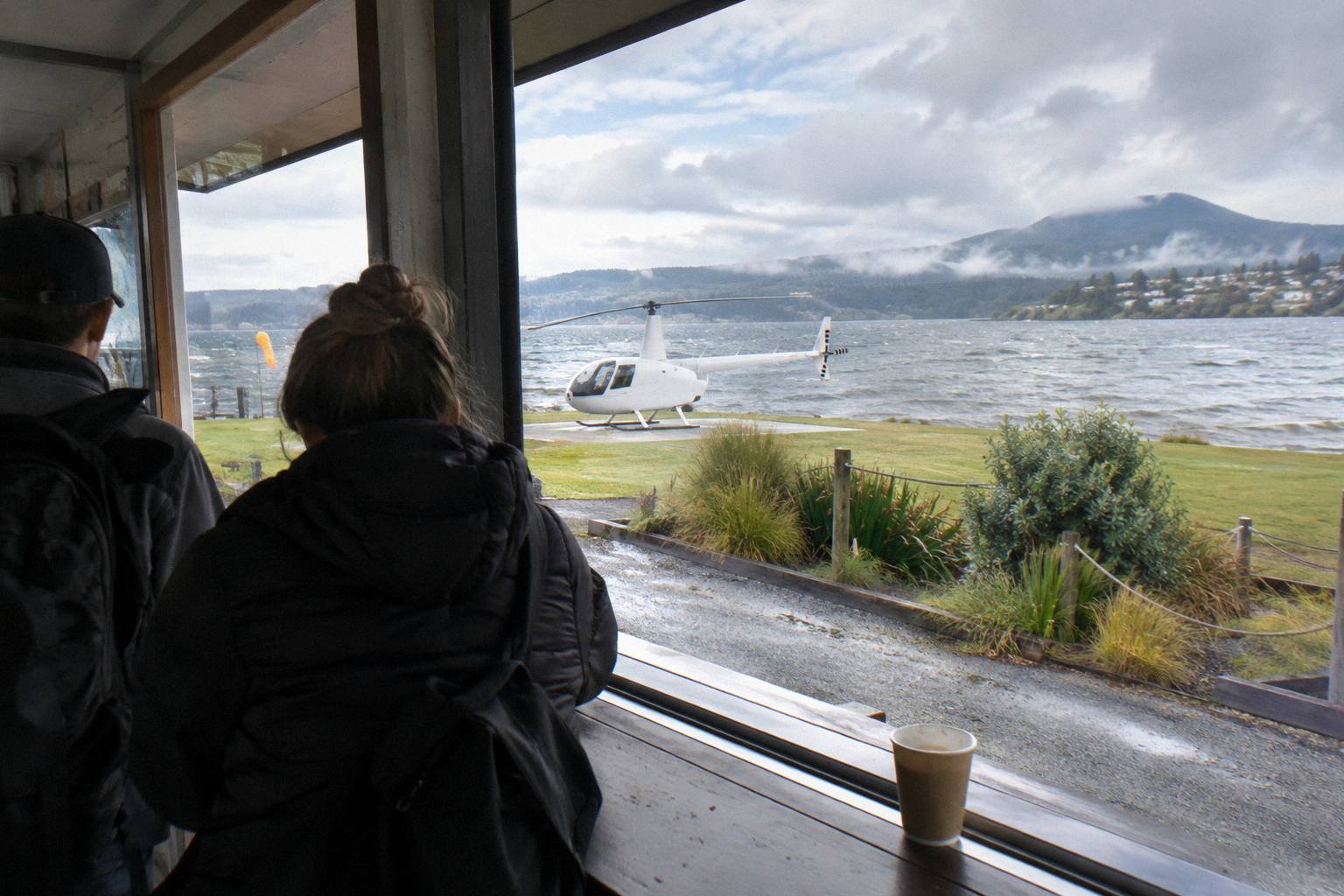
Cancellation from your side is a separate topic with its own rules: booked through the listing, flights carry free cancellation up to 24 hours in advance for a full refund. If the operator cancels for weather or volcanic activity before the flight commences, its terms provide a full refund. Neither of those is a weight matter, but it helps to know the boundaries before you fly.
Children, Pregnancy, Mobility And The Scales
Children are weighed like everyone else: all ages are welcome, under 2s fly on a parent's or guardian's lap, and child rates apply for ages 2 to 11. Pregnancy is not automatically a barrier, though the operator asks expectant mothers to speak with a maternity carer, especially from 28 weeks, and to make contact with the due date. Mobility needs are likewise not automatically a barrier, provided the operator is told at booking.
The common thread is disclosure. Every one of these categories changes something about how the aircraft is loaded or boarded, and the operator can only plan around what it knows. A child on a lap contributes mass to an adult's seat position; a passenger who needs assistance boarding changes the ground sequence; a late pregnancy changes what comfort advice applies. None of it stops a flight on its own, and the FAQ treats all of it as routine.
What everyone on board must do, regardless of category, is follow the safety briefing, stay seated and secured, and board and leave the aircraft with any assistance that was agreed in advance. The operator's risks section is candid that flights land and take off on hard terrain or water, and that natural hazards in the region include earthquakes, geothermal activity, landslides and fast changing weather. The weigh-in belongs to the same safety system as the briefing and the harnesses.
How To Make The Weigh-In A Non-Event
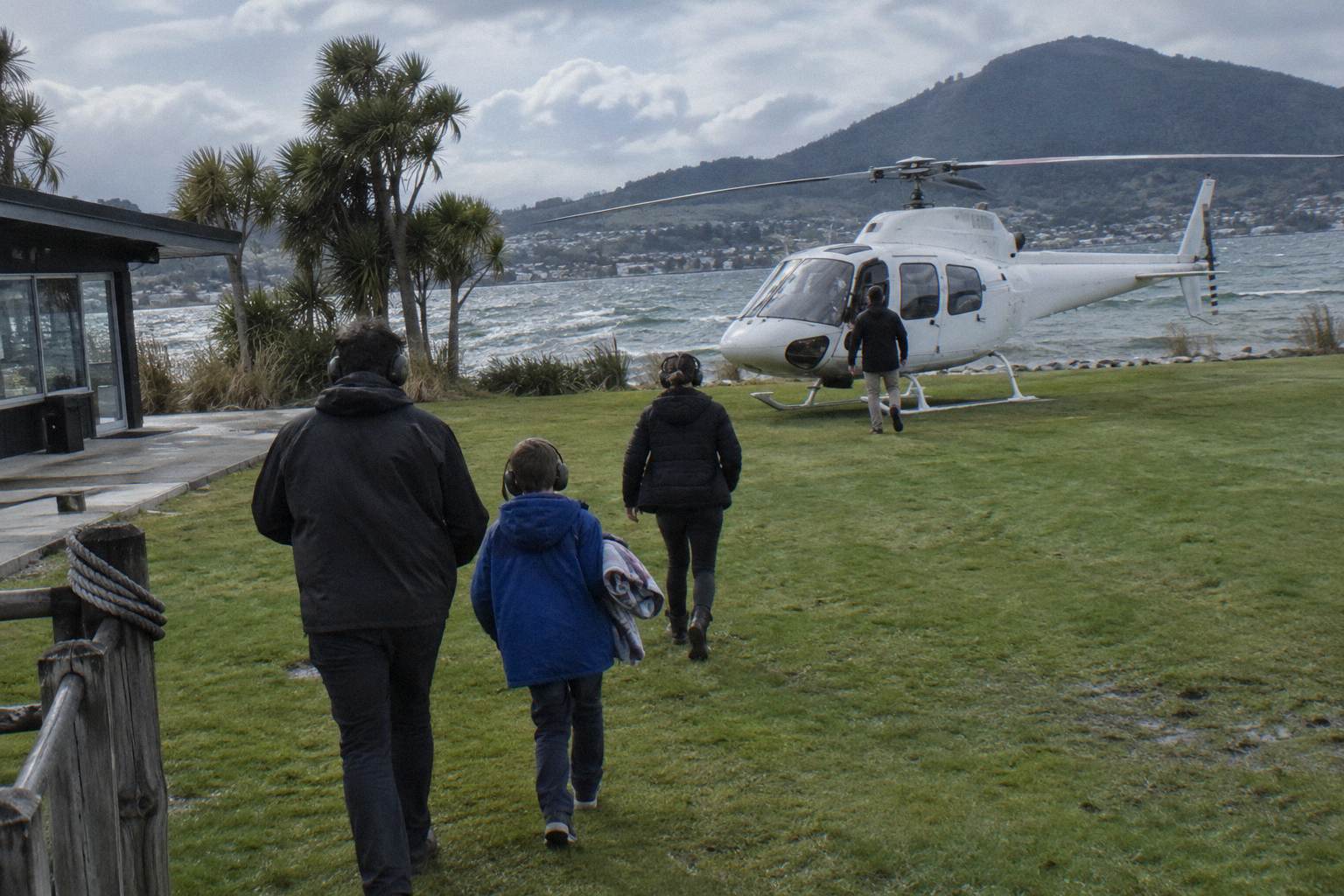
Arrive inside your check-in window, wearing roughly what you will fly in, with your declared weight already honest and current. That is the whole routine. Declare per person at booking, include the gear, step on the scales at the Lakefront, listen to the briefing, and go. Done this way the weigh-in costs you about a minute of a 30-minute check-in and never comes up again.
A few habits help. Weigh yourself at home in flying clothes if you are unsure, and add a couple of kilograms for shoes and a jacket rather than subtracting them. If your weight has shifted since you booked, a quick call to the operator before departure day is cheaper than a counter-side conversation in front of other passengers. And if you are booking for a group, collect everyone's numbers yourself rather than letting one person estimate for all, because the load plan is only as good as its inputs.
If your only hesitation about flying is the scales, a short flight is a fine way to test the whole routine: the 15-Minute Crater Lakes Flight by Helicopter from Rotorua runs the identical check-in, weigh-in and briefing process before a quarter-hour loop over the lakes, so nothing about the weighing differs from a longer trip. Check availability, or compare it against the other short Rotorua scenic flights first.
| Situation | What To Do |
|---|---|
| Unsure of current weight | Weigh at home in flying clothes, add shoes and jacket |
| Weight changed since booking | Contact the operator before departure day |
| Booking for a group | Collect each person's weight individually |
| Near 110 kg | Expect a possible surcharge, declare accurately |
| Flying with children | Declare each child, under 2s on a lap |
| Need boarding assistance | Tell the operator at booking |
Common Mistakes Travellers Make About Being Weighed
The recurring mistakes are estimating instead of weighing, declaring a weight from months ago, hiding heavy gear from the number, and assuming children or lap infants do not count. All four produce the same result: a mismatch at the Lakefront scales, and the operator's three options of reschedule, surcharge or cancellation. The fix in every case is an honest, current, per-person number at booking time, gear included.
A subtler mistake is treating the weigh-in as a judgement and letting it delay a booking that should be made early. Popular departure windows fill, and the weighing routine will be there whenever you fly, so it is not a reason to postpone. Rotorua flights operate in daylight hours across all months of the year, and the best time for a Rotorua helicopter flight guide covers how mornings and afternoons differ; none of that timing advice interacts with the scales.
The last mistake is assuming the scales are negotiable or skippable because a flight is short or a passenger is light. The routine is uniform across the roster, from the 15-minute crater lakes loops to the Tarawera landing trips, because the balance limits do not scale with ticket duration. This Rotorua Helicopter Tours article exists because the question comes up constantly, and the answer is always the same two steps: declare at booking, stand on the scales on arrival.
Between the three flights compared at the top of the page, one final look before you commit:
Common Questions About Passenger Weighing
Do I Need To Be Weighed Before A Helicopter Flight?
Yes. You declare your individual weight when you book, and you are weighed on arrival at the Lakefront office before the safety briefing. Both numbers are compared so the aircraft stays within its balance limits.
Is The Weigh-In Public?
Weights are read at the check-in counter and noted by staff as part of the load plan. There is no public announcement, and every passenger on the flight goes through the same step.
What Happens If I Weigh Over 110 Kg?
A surcharge may apply, at the operator's sole discretion, because a heavier passenger can reduce the number of other passengers carried on the same departure. Over 135 kg as weighed, two adult fares are required.
Do Children Get Weighed Too?
Yes. Children of all ages are welcome, under 2s fly on a parent's or guardian's lap, and child rates apply for ages 2 to 11. Each child's weight is declared at booking like any other passenger's.
Does My Luggage Or Camera Bag Count?
Everything you bring flies with you, so include heavy gear in the weight picture. The operator's FAQ suggests bringing a camera, sunglasses, a jacket and closed-toe footwear for flights with landings.
Can A Weight Mismatch Cancel My Flight?
It can. The operator's terms state that any deviation from your declared weight may result in a flight being rescheduled, a surcharge being applied, or a booking being cancelled, at the operator's sole discretion.