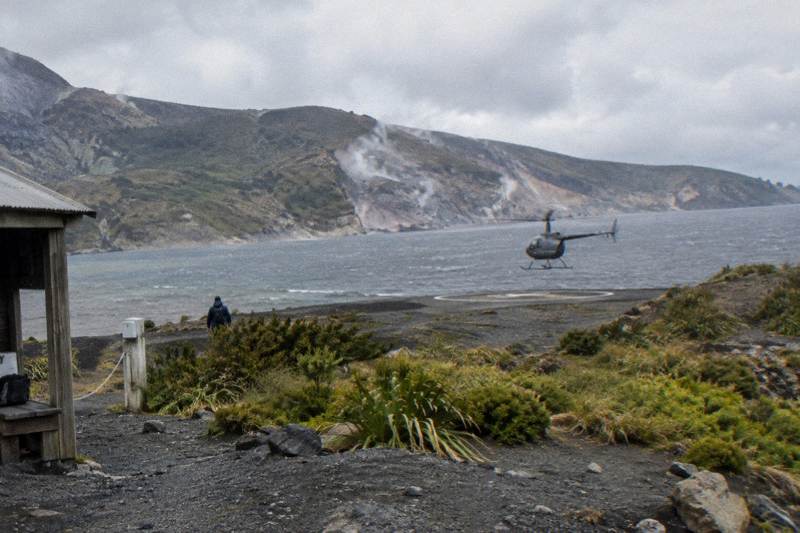
Can You Take A GoPro On A Helicopter Tour?
Whether a GoPro comes along on a Rotorua helicopter flight, what the operator says about cameras and loose items, and how to get usable footage above the crater lakes.
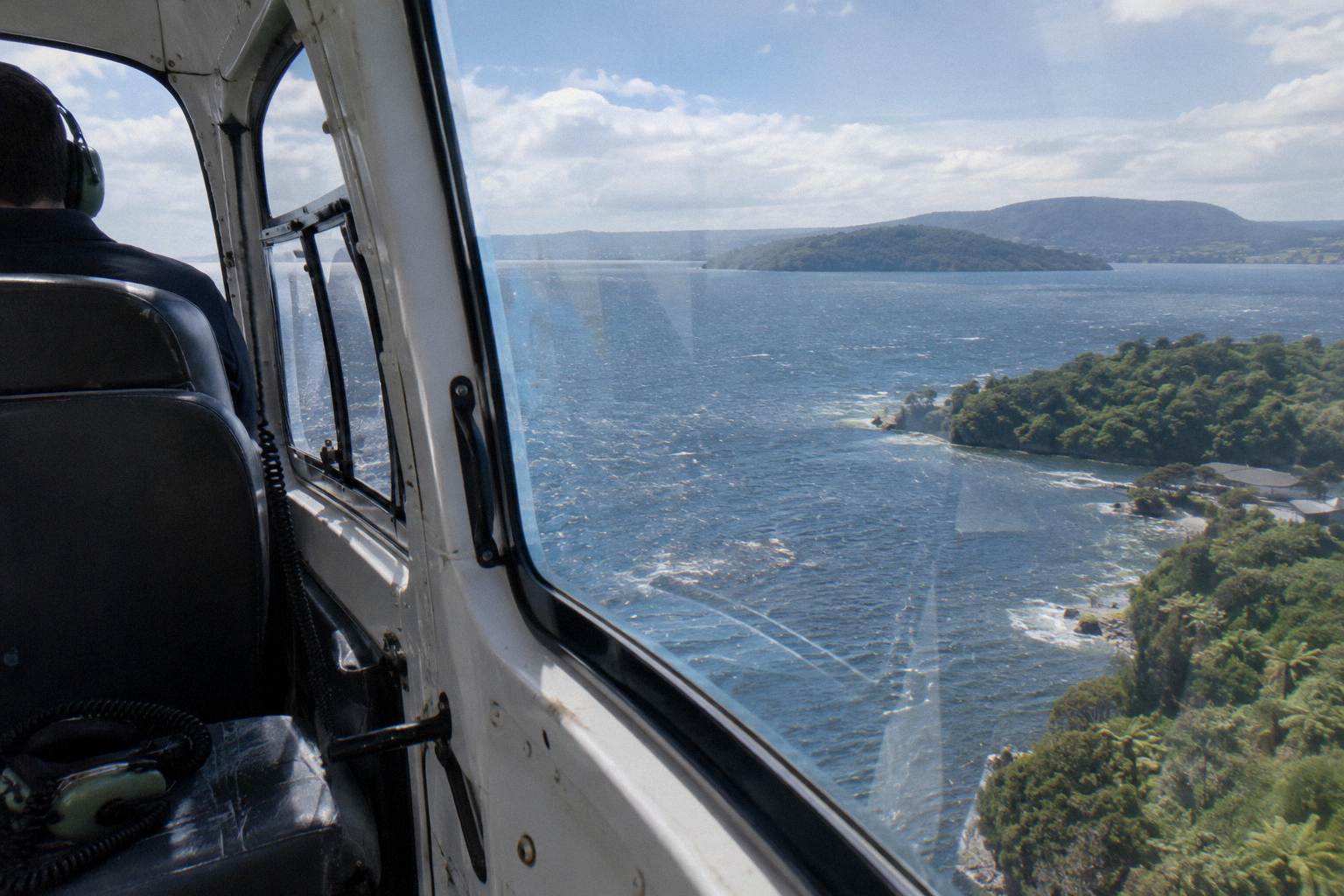
In short: Yes, in the sense that matters. Volcanic Air's own FAQ puts a camera on the list of things to bring, alongside sunglasses and a jacket, so a GoPro is a welcome item on every flight in the roster. What the operator has not published is a rule for mounts, selfie sticks or harnesses, and small aircraft treat loose objects seriously. Bring the camera, ask about the mount at the 30 minute helicopter check-in, and plan around a window rather than an open door.
Browse the main Rotorua flight guides for the wider picture, this piece stays on the camera question.
Yes. A camera sits on the operator's own bring list, so a GoPro rides along on any Volcanic Air flight from the Lakefront, and no roster trip excludes one. What has no published rule is the mount: the operator's FAQ asks for camera, sunglasses, a jacket and closed-toe footwear for landing flights, but mounts and harnesses are a check-in conversation. Treat the camera as settled and the rig as the question.
The direct source is the operator's FAQ page, which lists what guests should bring: camera, sunglasses and a jacket, plus closed-toe comfortable footwear on flights that include a landing. That is the operator's own wording, and it settles the basic question. A GoPro is a camera, and a small one at that, so carrying one in a pocket or a small bag is squarely inside the operator's guidance. The FAQ also covers check-in, weights and weather, all of which touch a filming day more than most people expect.
What the FAQ does not do is bless any particular mounting system, and that gap is where the honest answer has to stop. Suction mounts, chest harnesses, clamp arms and selfie sticks all behave differently in a cabin with doors on, and no rule for them is sourced for aircraft in the operator's published material. The safe assumption, the one consistent with everything the operator does publish, is that anything loose or detachable is a conversation at check-in rather than a right. The 30 minute helicopter check-in window exists partly for exactly these questions, and the crew who weigh passengers and run the safety briefing are the same people who can look at a rig and say yes, no, or hold it in your hands instead.
There is a second reason the mount matters more than the camera. The operator's terms describe flights that land and take off on hard terrain or water, and the safety briefing is a condition of flying. A mount that could let go over Lake Okareka is a different object from a camera in a closed hand, and crew treat it that way. Handheld, mounted to your own body inside the cabin, or resting in a lap, a GoPro is easy to accommodate. Bolted to the airframe, the window frame or anything that belongs to the aircraft is a different request entirely, and one to raise before boarding rather than after.
For flight choice, the camera question barely changes anything: every helicopter and floatplane trip in the roster departs from the same Lakefront base at 1 Lakefront Drive, and all of them fly over country worth filming. The trio below spans a summit landing flight, a 30 minute floatplane flyover from NZ$395 per person, and the 40 minute guided summit walk flight from NZ$675 per person, three very different filming briefs from one pier.
What The Operator's Own Pages Say About Items In The Cabin
The operator's published guidance covers cameras as a bring item, weights as a declared figure, and loose objects as a safety matter, with mounts left to check-in. Three facts carry the whole question: the FAQ lists a camera among things to bring, the terms make the safety briefing binding, and the check-in window is 30 minutes for helicopters and 20 for floatplanes. Nothing published singles out action cameras for special treatment.
Start with the bring list, because it is the only camera-specific wording that exists. The FAQ's items, camera, sunglasses, jacket and closed-toe footwear for landing flights, describe a passenger preparing for sun glare, cool air at altitude and a walk on volcanic ground. A GoPro fits that list as comfortably as a phone or a mirrorless body. The footwear line is a quiet hint for camera people: a landing flight means standing on a mountain, and the camera plan should assume hands are needed for boarding and walking, not only for filming.
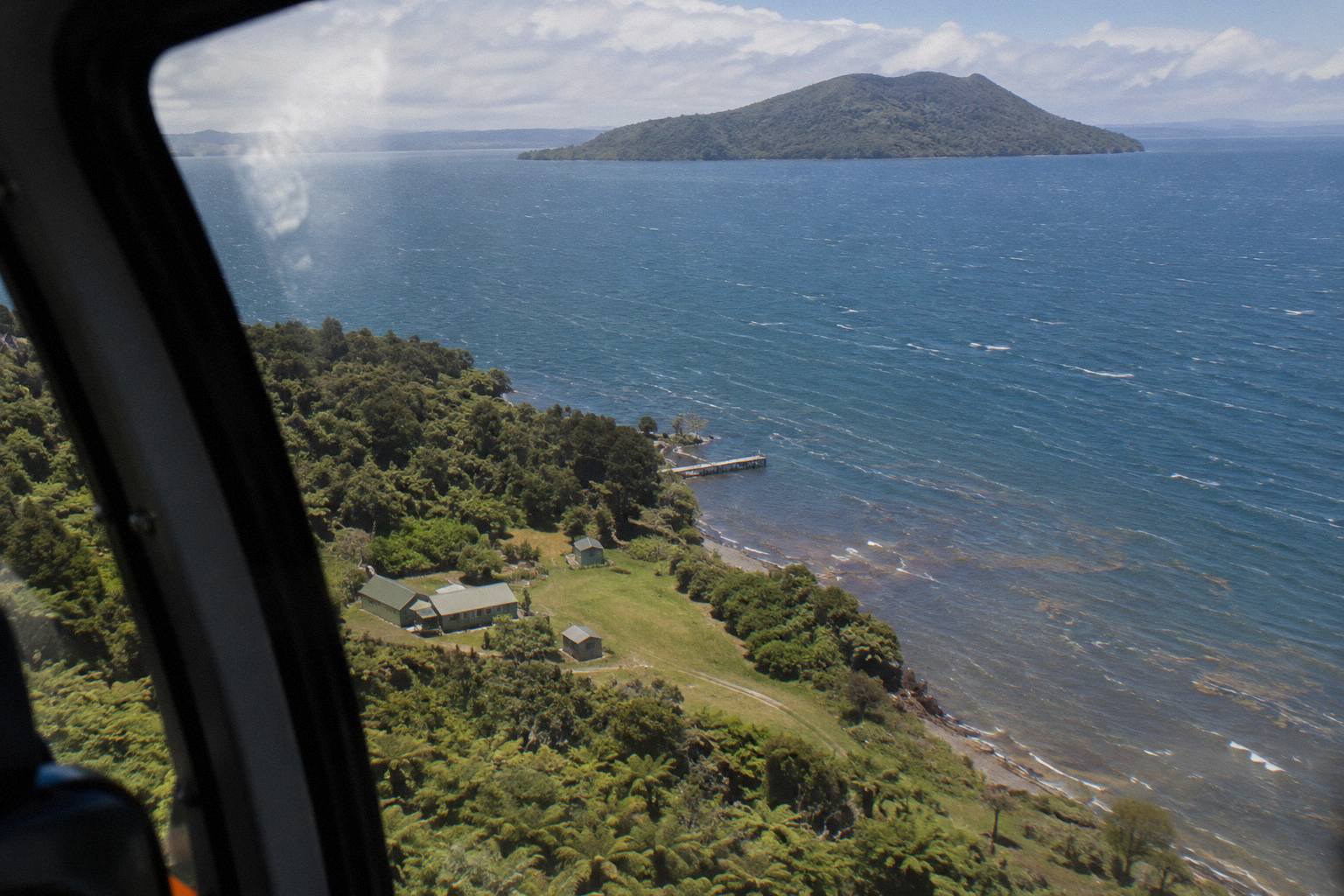
The terms page is where loose objects live. The operator's terms cover weight declarations, cancellation and risk, and the risks section names the operating environment: flights land and take off on hard terrain or water, and natural hazards in the region include earthquakes, geothermal activity, landslides and fast changing weather. That framing explains why crew care about objects that can move around a cabin. It is not bureaucracy, it is the same logic that has every passenger weighed on arrival so the aircraft stays within balance limits.
| Question at check-in | What the operator has published | What it means for a GoPro |
|---|---|---|
| Can a camera come aboard? | FAQ bring list includes a camera | Yes, on every roster flight |
| Are mounts allowed? | No published rule for mounts or harnesses | Ask at the 30 or 20 minute check-in |
| Are loose items controlled? | Safety briefing is binding, terms describe risk environment | Handheld or body-worn is the easy case |
| Do weights matter? | Declared at booking, verified by weighing on arrival | Camera weight on your body is not the issue, loose gear is |
| Who decides finally? | Pilot discretion governs landings and flight conditions | The crew's word on a rig is final |
The check-in timing matters for a filming plan more than it first appears. Helicopter passengers check in 30 minutes before departure and floatplane passengers 20 minutes, and that window is when a mount gets looked at, a seating question gets answered and a window seat gets requested if the load allows. Seating itself is assigned for balance, not for view preference, which is why the question "can you sit up front" has its own answer worth reading before you build a shot list around one window. The front seat question on Rotorua helicopters turns on the same weigh-in that governs everything else in the cabin.
For the trip that most often anchors a filming plan, the Mt Tarawera Helicopter Tour with Volcano Landing carries a 4.9 rating from 43 reviews, the largest review pool on the roster, and its landing objective, subject to the pilot's sole discretion, makes it a natural first choice for a GoPro. Every roster trip carries free cancellation up to 24 hours in advance on the booking terms, which matters when a filming day depends on weather.
Which Camera Setups Fit A Small Aircraft Best
Handheld or body-mounted setups inside the cabin are the best fit for small aircraft: a naked GoPro held in hand, clipped to a chest strap, or resting in a lap keeps the camera within the safety envelope the crew sets, and matches everything the operator publishes. Anything that grips the aircraft itself, like suction cups on glass, clamps on window frames, or arms on seat rails, needs explicit crew approval before departure.
The physics is simple enough. A helicopter cabin in flight vibrates, banks and changes attitude, and a suction cup that holds on a car window at road speed is untested at rotor RPM with doors sealed for altitude. If a mount lets go, the camera becomes a projectile in a small sealed space, which is the exact category of object the safety briefing exists to control. Crew who insist on handheld are not being difficult about gadgets, they are applying the same standard that has passengers declare weights at booking and step on a scale at the lakefront.
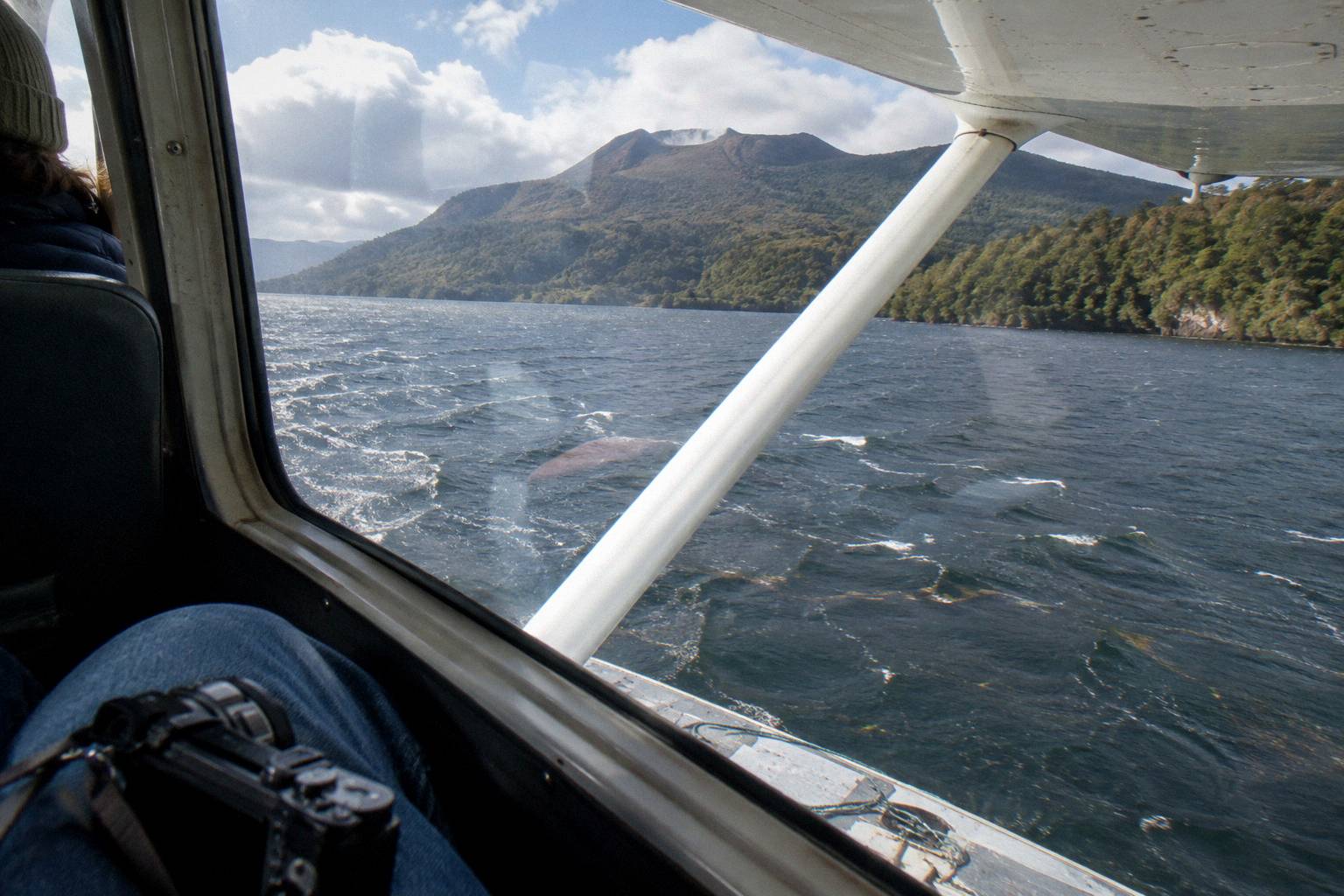
The body-worn case is the strong one. A chest harness keeps the camera attached to the passenger, who is themselves belted into a seat, so the camera inherits two layers of retention. A wrist strap or a short lanyard does similar work for a handheld shot. Neither touches the aircraft, neither can cross the cabin, and both leave hands free for boarding, which matters on the landing flights where closed-toe footwear is the guidance because passengers walk on rough volcanic ground after stepping out.
| Setup | Keeps to published rules | Risk to the shot | Best use |
|---|---|---|---|
| Handheld with wrist strap | Yes, camera is a bring item | Shake without stabilisation | Window framing, brief clips |
| Chest harness on passenger | Yes, attached to a belted body | Fixed angle, some airframe in frame | Continuous ride footage |
| Lap mounted, hand on camera | Yes | Forgotten during briefing | Second angle on a landing |
| Suction on window | Needs explicit crew approval | Detachment in flight | Only if approved at check-in |
| Selfie stick outside cabin | Ask first, and expect no | Wind, rotor wash, dropped object | Rarely worth it |
Selfie sticks deserve their own sentence because they are the most common bad idea. Extended, a stick turns a 200 gram camera into a lever arm outside the cabin envelope, and retracted it is still a hard object near glass in an aircraft that lands on hard terrain. The operator has published no rule for them, which is precisely why the answer has to come from the crew at check-in rather than from any article, including anything that sounds definitive on the internet. A handheld GoPro with image stabilisation does most of what a stick does, with none of the questions.
One roster-specific angle is worth flagging. The Scenic Floatplane over Mt Tarawera and Waimangu Valley is a 30 minute flight, 40 minutes total, from NZ$395 per person, and it is a flyover with no landing, so the entire camera brief is the window. That concentrates the mind usefully: no landing means no doors-open moment, which means the whole shot list is shot through glass, and the preparation is a clean lens and a plan for reflections rather than a mount negotiation.
What The Route Gives A Camera To Work With
The route hands a camera a lake-filled volcanic landscape rather than a single peak: every flight starts from the Lakefront pier and climbs over Lake Rotorua and Mokoia Island, then, depending on the trip, the crater lakes chain of Okareka, Okataina, Tarawera, Rotomahana, Green Lake and Blue Lake, plus the Tarawera rift itself, with the crater lakes flight naming twelve distinct lakes. A GoPro's ultra-wide field of view suits exactly this scale of subject.
The floatplane departure alone is a sequence most cameras never get: the aircraft takes off from Lake Rotorua itself, from the lakefront pier, and the city, Sulphur Bay and Mokoia Island, described by the operator as a native bird sanctuary, pass underneath within the first minutes. From there the routing depends on which trip you booked. The Tarawera landing flights cross lakes Okareka, Okataina and Tarawera on the way to the mountain, while the crater lakes trips sweep the full chain, and the longer floatplane routes add the Waimangu Valley, the geothermal valley that formed along the line of the 1886 rift, reached by road at 587 Waimangu Road about 25 minutes from the city centre.
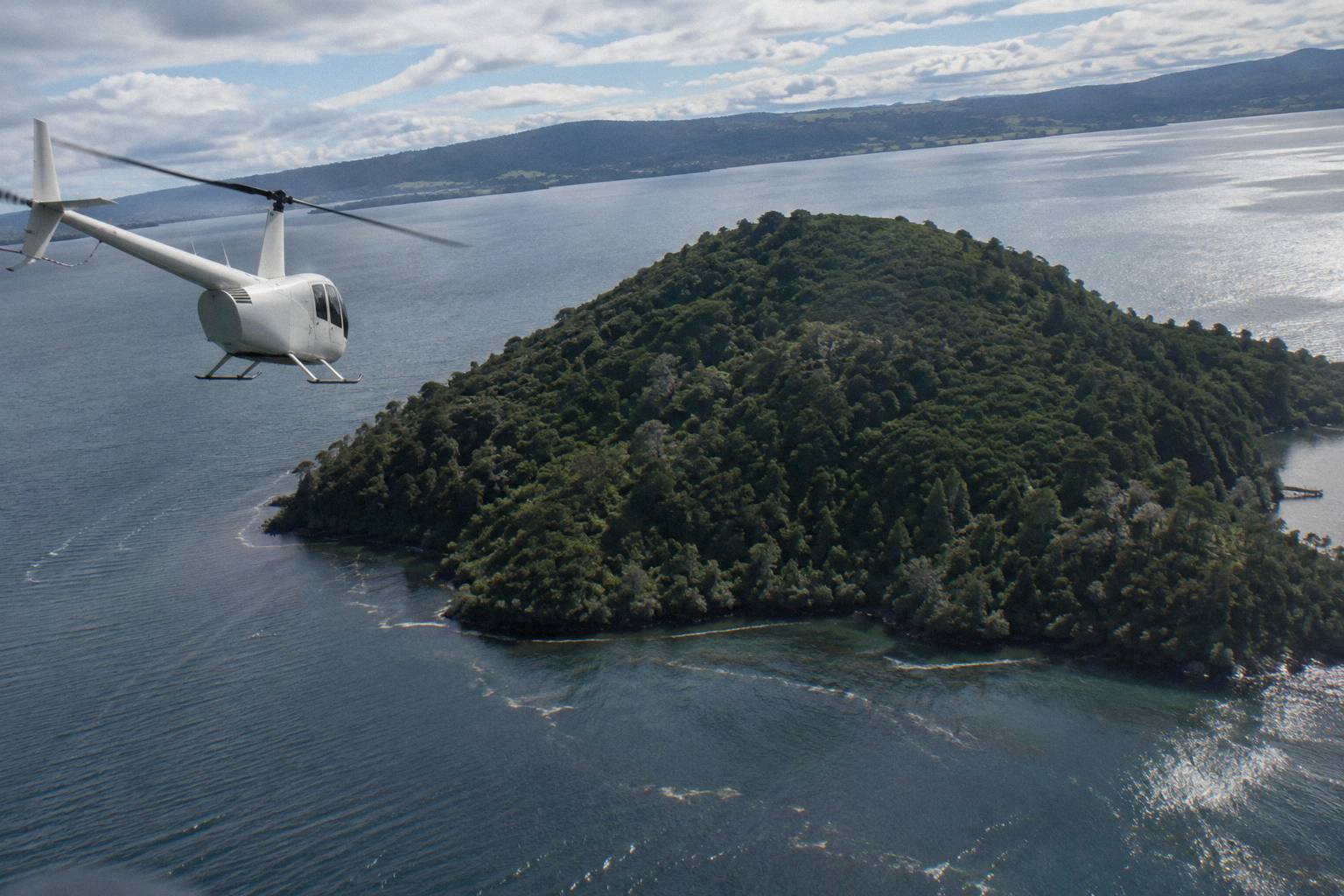
The historical layer is what makes the Tarawera footage different from any other mountain clip in New Zealand. On the night of 10 June 1886 the mountain erupted, opening a rift that GNS science describes as 17 km long, running across the mountain top, through Lake Rotomahana and into the Waimangu area, killing more than 100 people in villages near the mountain, burying Te Wairoa and destroying the Pink and White Terraces. The operator's own flight wording describes flying over 8 km of rift and craters over the mountain itself, a different span of the same line. A camera over that landscape is recording the scar of a specific night, and NZ History's account of the eruption is the background worth having before the flight, because it changes what you point the lens at.
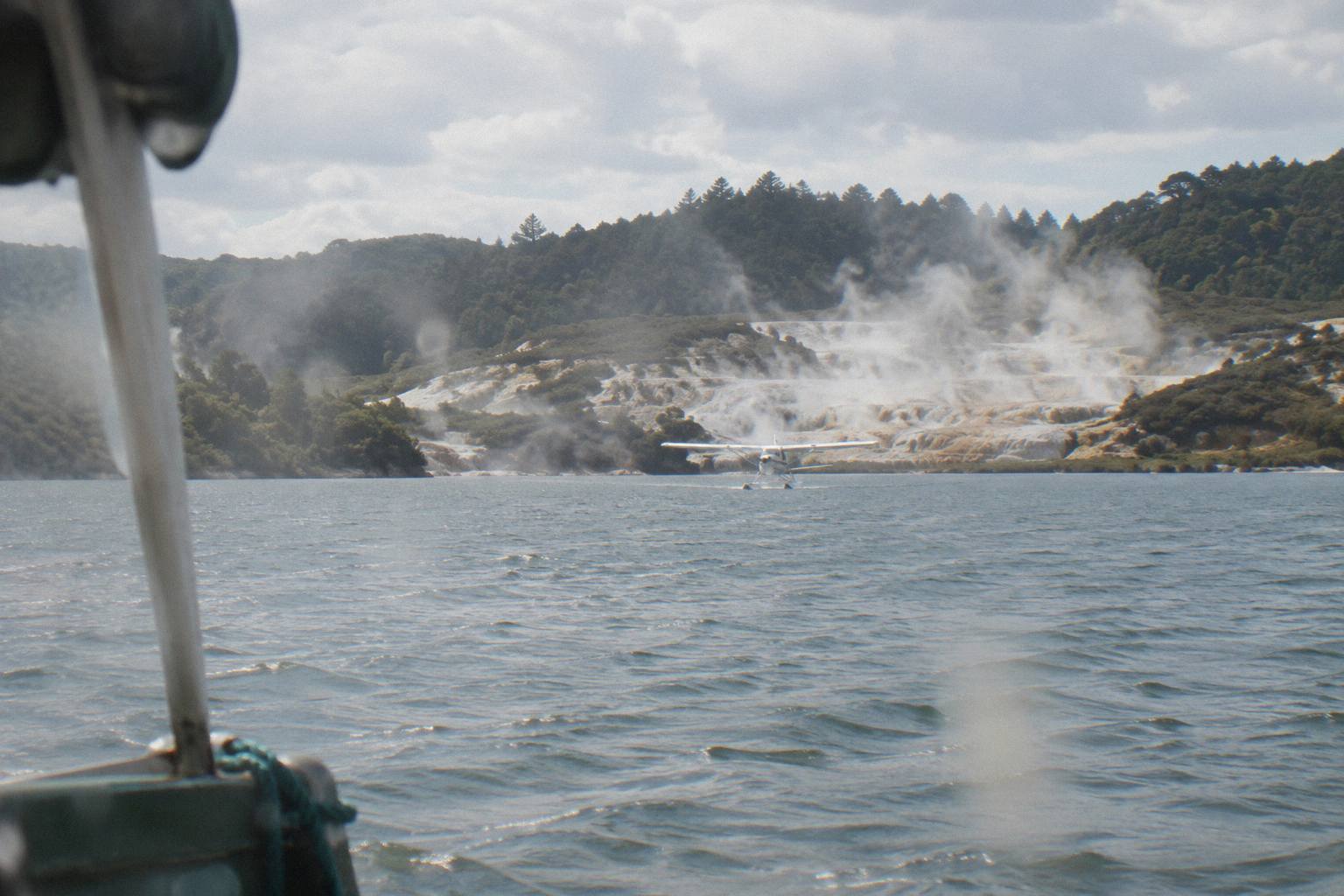
The summit itself, 1,111 m at Ruawahia, the highest of the mountain's three domes, is off-limits to independent walkers: access is through authorised guided tours or approved helicopter landings, and the Ruawahia 2B Trust, which governs the mountain, reinvests most tourism concession revenue in conservation, with Volcanic Air operating as a concessionaire alongside Ngati Rangitihi. For a camera, that means the landing flights are the only way to film the rift on foot, and even then the landing is at the pilot's sole discretion and undertaken at the passenger's own risk, with tour duration and inclusions able to vary with weather, volcanic activity and loadings. No footage plan should assume the landing; the best plans treat it as a possible bonus on top of a flyover that is already the main event.
Timing shapes the light. The operator's FAQ notes that mornings often give the calmest weather and smoothest flying with soft photo light, while afternoons can bring warmer temperatures and late-day colour, especially in winter, and there is no hard and fast answer because the deciding factor is the day's weather. Rotorua's driest and warmest stretch runs from late spring in October to early autumn in April, per Rotorua's official visitor information. A GoPro shooter who wants stable, glare-free lake footage should weigh the morning case seriously, and read the weather planning guide for Rotorua flights before locking a time.
Settings And Technique For Shooting Through A Window
Shoot the widest quality the camera allows, stabilisation on, and accept that the window is part of the lens. A polariser helps with glare but changes with every bank, so a naked lens plus careful clothing and camera position often beats fighting reflections. Frame with the horizon level against the glass, keep the camera as close to the pane as safe and permitted, and record in short segments so vibration and rotor sound stay manageable in the edit.
The window changes three things at once: sharpness, reflections and sound. Getting the lens close to the glass, without touching it in a way crew would question, kills most reflection from the cabin behind you. Dark clothing does the rest, because a bright sleeve reflects across every frame. Sound is the honest limit: a GoPro inside a cabin records engine and rotor as the dominant track, and the standard fix is to plan a music edit or a voiceover recorded on the ground afterwards, at the summit or on the lakefront, rather than expecting usable natural audio.
| Problem in the air | Cause | Practical fix |
|---|---|---|
| Reflections in frame | Cabin light on glass | Lens close to window, dark clothing |
| Wobbly horizon | Aircraft banking on turns | Stabilisation on, level in the edit |
| Washed-out lakes | Midday glare off water | Morning flights, softer light |
| Rotor rumble on audio | Engine and blades near the mic | Plan music or ground-recorded voiceover |
| Fogged or smeared glass | Humidity, handling | Clean check with crew, cloth in pocket |
| Shaky handheld clips | Vibration through the arm | Brace elbow on your own body, short clips |
Exposure logic in this region is unusual for one reason: the lakes are dark blue and the geothermal features are white and pale grey, so a camera metering for steam or silica will underexpose everything around it. Locking exposure, or biasing slightly bright, keeps forest and water from crushing to black. On the landing flights, where closed-toe footwear is the operator's guidance, the summit segment is a chance to reset: solid ground, a static subject and time for a slow pan along the rift are worth more than any extra minute of airborne footage. The dedicated flight photography guide works through the full shot list in more depth.
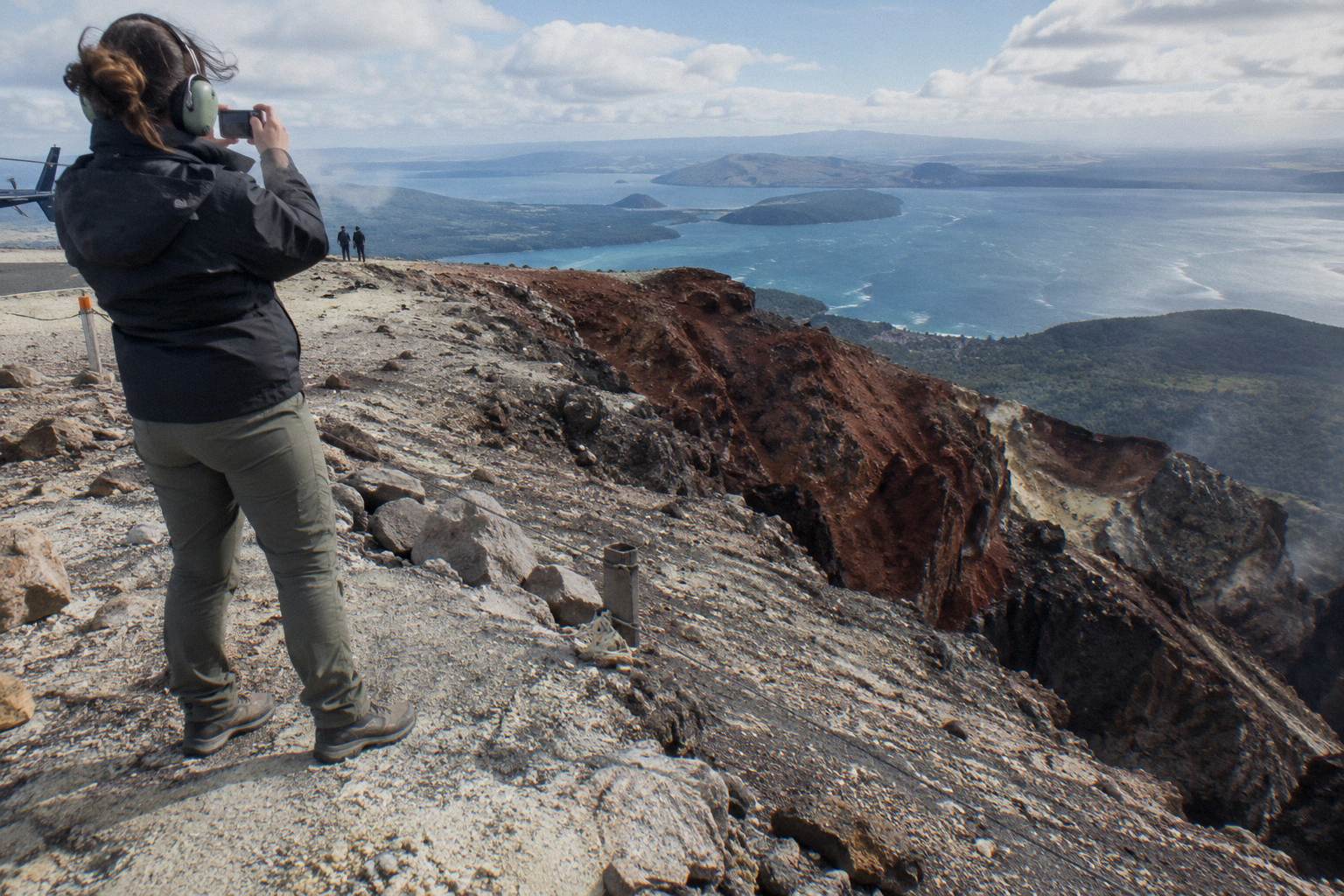
For a first flight with a camera, the Helicopter Landing with Guided Summit Walk is the trip that gives the GoPro two completely different films in 40 minutes total: a window flight over the lakes chain and, conditions and pilot discretion permitting, a 15 minute guided walk on the summit from NZ$675 per person. That split, air and ground, is the friendliest possible brief for a camera that does its best work in wide, static or slow shots. All amounts in this article are New Zealand dollars, and every roster trip carries free cancellation up to 24 hours in advance on the booking terms.
Mistakes That Ruin A Filming Day
The four mistakes that cost the most footage are building the whole plan around a landing that is never guaranteed, mounting a camera to the aircraft without asking, assuming a window seat, and booking a time without thinking about weather. A landing is at the pilot's sole discretion, seating follows the weight and balance sheet, and flights simply do not go if conditions are unsafe or the views cannot be seen, with reschedule or full refund the operator's stated response.
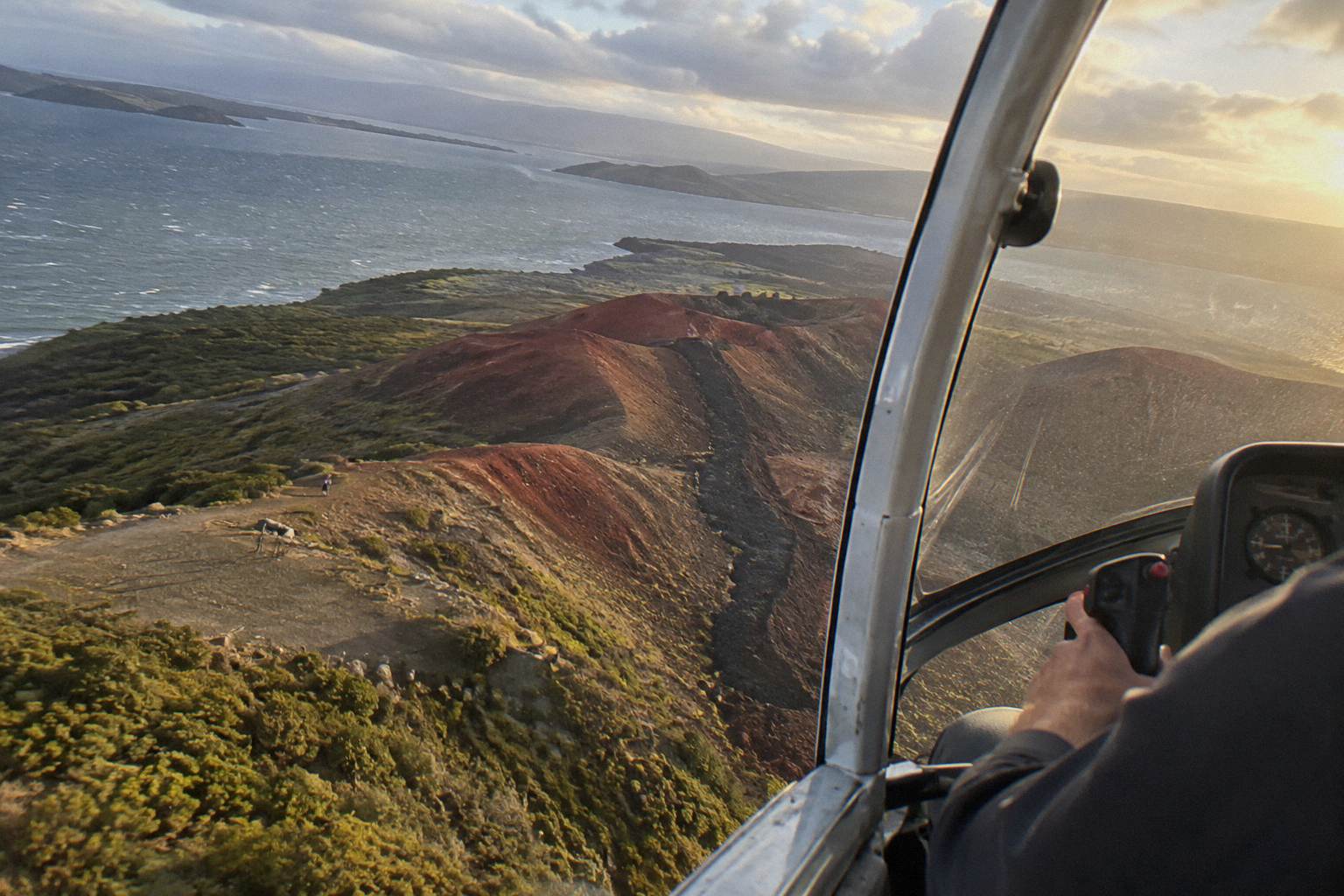
The first mistake is emotional, not technical. Passengers who book the summit flights imagining a specific standing shot on the crater edge can leave disappointed on a day when weather or volcanic activity moves the plan, because the operator's own wording says tour duration, flight times and inclusions may vary and excursion landings are undertaken at your own risk at the pilot's sole discretion. The camera plan should be: film the flight as the film, treat the landing as a second, optional film. Everything published supports that framing, and the flyover alone crosses lakes and rift country no road reaches.
The second is the unasked mount question, covered above but worth naming as a mistake because it is the one that ends at check-in rather than in the air. The third is the window seat assumption. Seating on these aircraft is a weight and balance decision, declared at booking and verified by weighing on arrival, and over 110 kg a surcharge may apply at the operator's discretion while over 135 kg requires two adult fares. A photographer who needs a specific seat should say so at check-in and accept that the answer may be no for reasons that are nobody's preference. The fourth is timing: booking the only free afternoon of a trip and hoping, when the FAQ itself points to mornings for calm air and the operator reschedules or refunds when weather says no.
A fifth, quieter one: forgetting spare batteries and a cloth. Cold air at altitude, continuous recording and stabilisation drain a GoPro fast, and the Lakefront base is under 1 km from the Rotorua town centre, so there is no practical resupply once checked in. The operator's FAQ answers all of this in one place, and the check-in, weight and what-to-bring guidance is the page to read the night before.
| Mistake | What happens | Better plan |
|---|---|---|
| Assuming the landing | Plan collapses if the pilot declines | Film the flyover as the main event |
| Unapproved mount | Refused at check-in, shot lost | Handheld or body-worn from the start |
| Expecting a chosen seat | Seating follows balance limits | Request at check-in, accept the sheet |
| Ignoring weather timing | Bumpy air, flat light, possible reschedule | Morning slots, October to April window |
| One battery, no cloth | Dead camera, smeared window | Spares and a lens cloth in a pocket |
None of this argues against the flight, it argues for a plan with slack in it. The trips that pair a camera with the strongest single subject remain the Tarawera flights, and Rotorua Helicopter Tours exists to make that pairing easy to book. Choose the trip for the landscape, prep the camera for a window, and let the crew make the calls they are trained to make.
Common Questions About Cameras On Flights
Can You Take A GoPro On A Helicopter Tour?
Yes. A camera is on the operator's own bring list, so a GoPro is welcome on every Volcanic Air flight from the Lakefront. Mounts and harnesses have no published rule, so confirm any rig at the 30 minute helicopter check-in or 20 minute floatplane check-in.
Can You Mount A GoPro To The Helicopter?
Ask the crew first. Nothing in the operator's published material permits suction mounts or clamps on the aircraft, and loose objects in a small cabin are a safety matter under the briefing's rules. Handheld or attached to your own body is the case that fits everything published.
Is A GoPro Good For Helicopter Footage?
For this landscape, yes. The roster flights cross crater lakes, rift country and geothermal valleys where an ultra-wide field of view suits the scale, and built-in stabilisation handles vibration better than most phones. The window and the engine noise remain the two limits to plan around.
Do You Get A Window Seat On A Rotorua Flight?
Not by choice. Seating follows weight and balance, with weights declared at booking and verified by weighing on arrival. Request a window at check-in and the crew will oblige where the balance sheet allows, but it can never be promised in advance.
What Should You Film On A Tarawera Flight?
The lakes chain on the way out, the rift and craters over the mountain, and, on the landing flights, the guided summit walk if the pilot's discretion allows the landing. The flyover is the guaranteed film, the landing is the bonus, and mornings often give the calmest air and softest light.
Does Weather Cancel Filming Plans?
It can. Flights operate subject to suitable weather and safe flying conditions, and the operator says a flight that cannot go ahead due to weather will be rescheduled or fully refunded. Booking terms on every roster trip allow free cancellation up to 24 hours in advance.