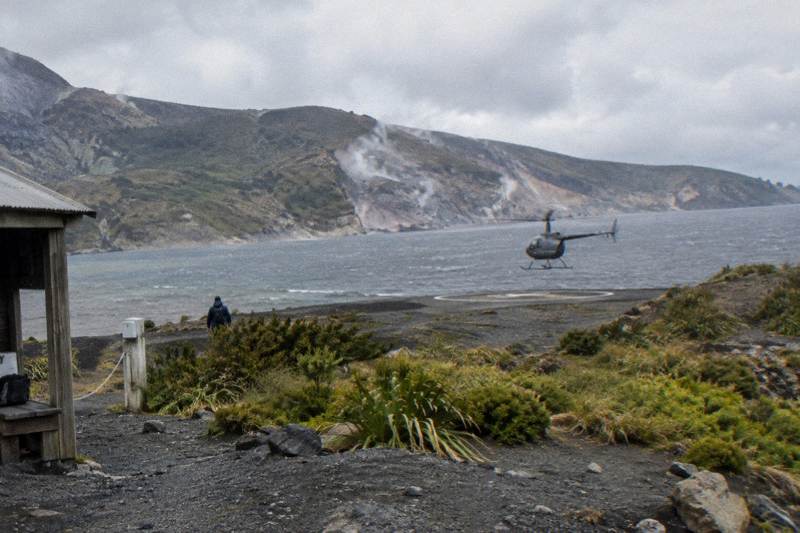
Can You Sit In The Front Seat Of A Rotorua Helicopter?
Seat assignment on a Rotorua helicopter flight is decided by weight and balance, not by request. What the operator says about front seats, weights and what to ask before you fly.
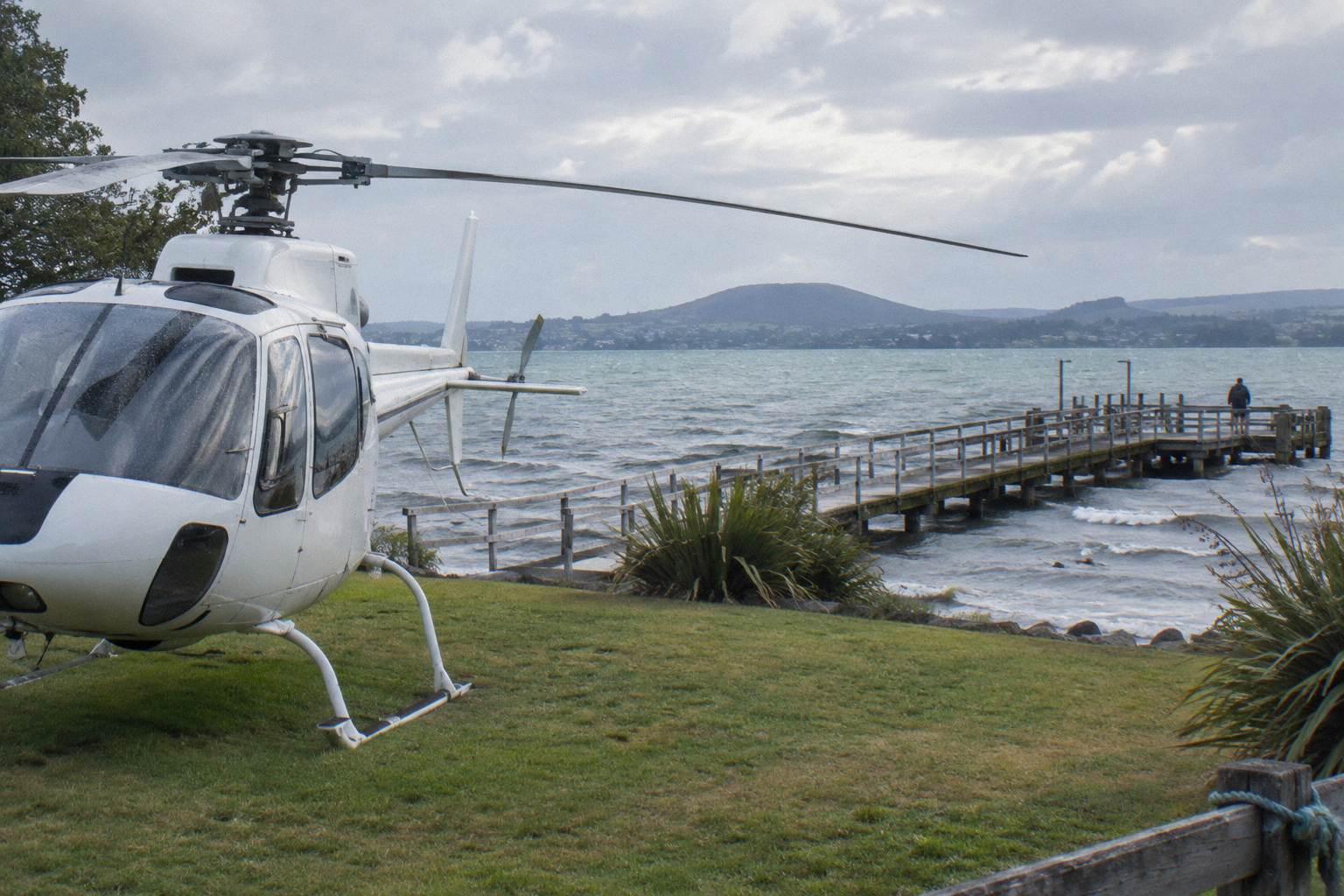
The short answer is that you might, but nobody can promise it, and the reason is physics rather than policy. On every Volcanic Air flight from the Rotorua Lakefront, seating is worked out from the declared and verified weights of each passenger, because the aircraft must stay within its balance limits before it lifts off. The operator's own FAQ puts it plainly: individual weights are collected at booking to help with safe and balanced seating in the aircraft. Where you sit is a consequence of that calculation, not a seat map you choose from.
That does not make the question trivial. The front seat next to the pilot is genuinely different from the back row: the view opens forward instead of sideways, you watch the pedals and collective move through every turn, and on a Tarawera flight you see the rift come up to meet you rather than sliding past a window. The fair way to frame the decision is: understand why the seat is allocated the way it is, work out which flights give good views from every row, and then ask the operator directly when you book. The flights below are the three most relevant to the question, and each one treats seating the same way.
Sometimes, yes, but only if the weight and balance numbers allow it, and only the pilot's calculation can confirm it on the day. Volcanic Air collects each passenger's weight at booking and weighs passengers on arrival, because the aircraft's centre of gravity must stay inside defined limits. The front seat influences that balance most, so the operator assigns it rather than selling it, and the practical move is to ask when booking and accept the answer may change.
This is a thin fact set, and being straight about that is more useful than inventing a seat map. What the operator publishes is the principle, not a diagram: weights declared at booking, passengers weighed at the Lakefront office, and a seating plan finalised once the real numbers are in. There is no published front-seat surcharge, no front-seat request button, and no guarantee on any flight in the roster. Anything more specific than that would be invention.
What can be said with confidence is why helicopters work this way when airliners do not. A light aircraft or a jet trim themselves with fuel load and trim settings; a small helicopter with three to five passengers is far more sensitive. A single heavy passenger moved from a rear bench to the front seat can shift the centre of gravity enough to change how the aircraft handles in the hover. That is why the operator's terms allow a flight to be rescheduled, a surcharge applied, or a booking cancelled if a declared weight turns out to be significantly off when the passenger is weighed at check-in.
If the front seat matters to you, two practical consequences follow. First, the smaller the group, the fewer competing constraints on the seating plan, and a private-weight-friendly pair of travellers has a better chance than a party of six. Second, honesty at booking helps: an accurate declared weight gives the team one fewer thing to recalculate on the ramp, and a recalculation is exactly what pushes a hopeful front-seat passenger to the back bench.
Who Decides Where You Sit, And When?
The pilot and the load calculation decide, and the decision hardens in two stages: a provisional plan from your declared weights at booking, then a final plan after every passenger is weighed at the Lakefront office before the safety briefing. Helicopters check in 30 minutes before departure and floatplanes 20 minutes, and that window exists partly for this. No attendant at a desk, and no passenger preference list, overrides what the balance figures say.
The operator's FAQ wording is worth knowing before you fly. Passengers are asked to provide individual weights at the time of booking, and the stated reason is safe and balanced seating in the aircraft. On arrival, everyone is weighed. The published terms then spell out the consequence of a declared weight that does not match: the flight may be rescheduled, a surcharge may apply, or the booking may be cancelled, at the operator's sole discretion.
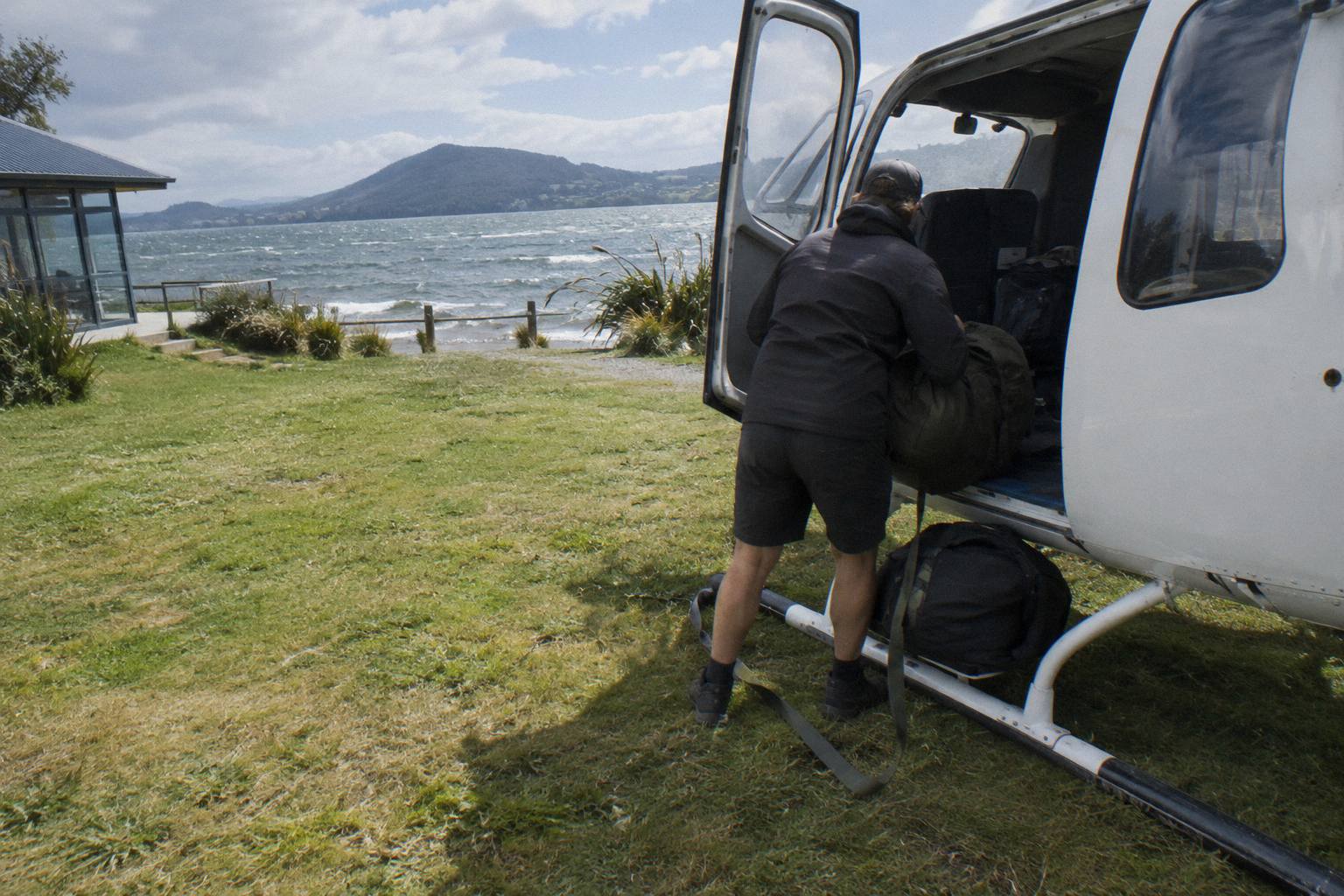
None of this is unusual, and none of it is a Rotorua quirk. It is standard practice for small commercial helicopter operations everywhere, and it is also the reason the check-in buffer matters. When the numbers are known early, the crew can board quickly, brief thoroughly and still depart on schedule. When a weight surprises them, the whole plan is redone on the ramp, and that is when seating wishes, however politely made, lose out to arithmetic.
The practical advice is therefore about timing. Make the request at booking, in writing if the channel allows it, so it is on file rather than sprung at the counter. Then arrive inside the check-in window with the expectation that the answer could still change. A front seat granted at booking is provisional in a way an airline seat assignment never is, and travellers who understand that tend to enjoy the flight either way.
One related decision point: if the whole point of the front seat is the uninterrupted forward view of the Tarawera rift, the flight that centres on that view is the Mt Tarawera Helicopter Tour with Volcano Landing, which flies over the mountain's craters and aims to land on the summit. Every seat on that aircraft turns to face the same landscape within minutes of departure.
| Stage | What happens | What it means for the front seat |
|---|---|---|
| At booking | Each passenger declares an individual weight | A provisional seating plan is possible |
| At check-in | Every passenger is weighed at the Lakefront office | The plan is finalised with real numbers |
| If a weight differs from declared | Flight may be rescheduled, a surcharge applied, or the booking cancelled | Seating is recalculated from scratch |
| At boarding | Pilot confirms the final load and balance | Only now is a front seat certain |
Why Weight, Not Preference, Sets The Seat Plan
A helicopter balances on a single point, and every passenger's position relative to that point changes how the aircraft flies, so the seating plan is a safety document rather than a service one. Moving one passenger between seats can push the centre of gravity outside its permitted range, which affects control in the hover and at low speed. That is why the operator cannot promise any seat before the weights are known.
The numbers behind this are worth understanding, because they explain the surcharge thresholds too. Passengers over 110 kg may attract a surcharge at the operator's sole discretion, and anyone over 135 kg as weighed requires two adult fares. That is not a judgment about body size; it is arithmetic about how much of the useful load one seat position consumes and where that mass sits relative to the rotor mast. A heavier passenger in the front changes the balance more than the same passenger on a rear bench, so the seat assignment and the weight question are the same question.
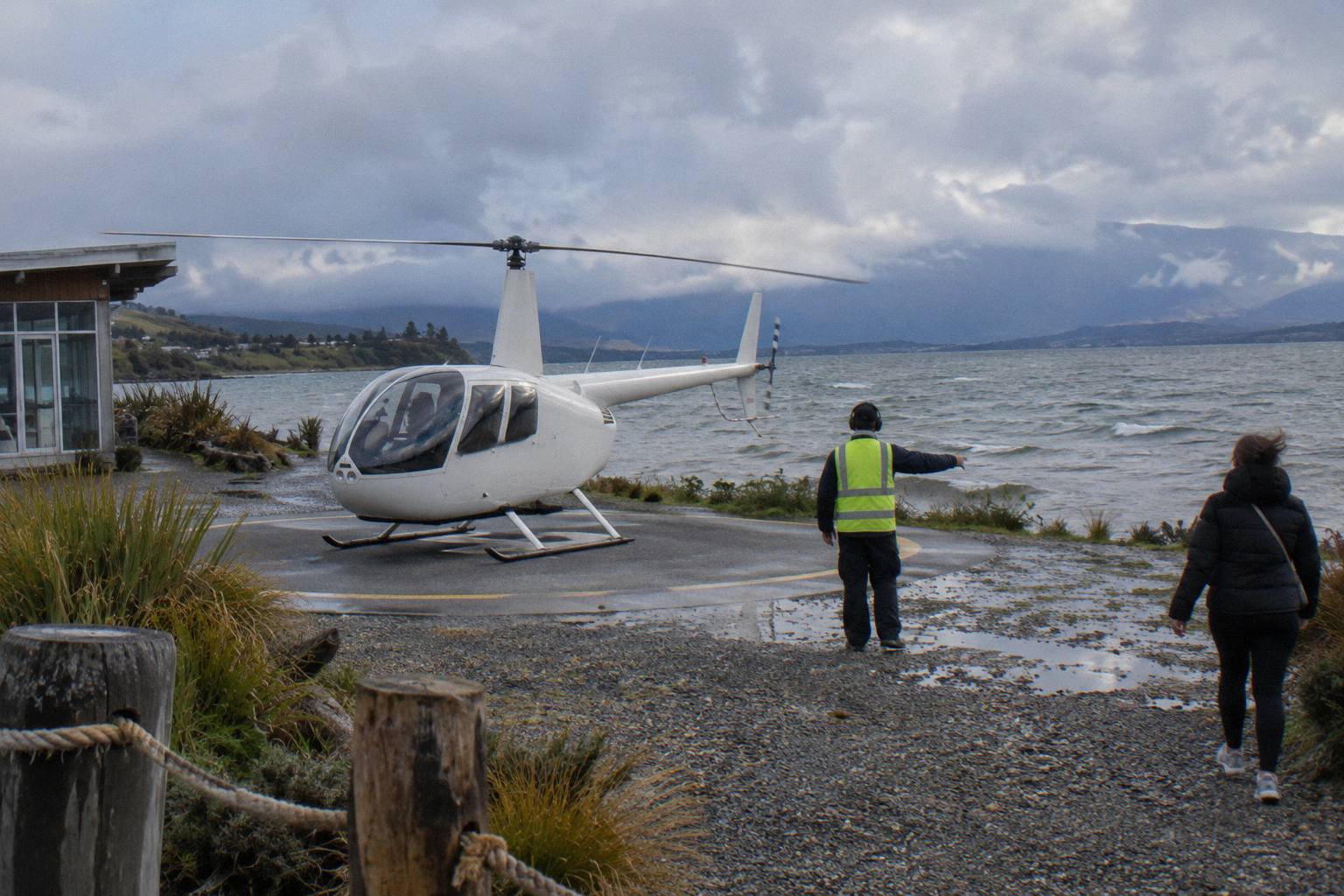
This is also why the request culture around helicopter seating is different from airlines. On a jet, an exit-row seat is a product with a price. On a six-seat helicopter, the front seat is a variable in a load sheet, and the crew who assign it are the same crew who fly it. Their incentive to get the balance right is not commercial politeness, it is the aircraft's behaviour in the air. Travellers who frame their request in those terms, light, accurate, flexible, get a better hearing than those who treat it as an upgrade they paid for by asking early.
None of this stops you from asking, and nothing in the operator's published material discourages the question. What it does mean is that the honest answer to a booking-time request is always conditional: yes, if the numbers allow. The condition is real, it is checked twice, and it is the same for every flight on the roster, from the 15-minute Crater Lakes Flight by Helicopter to the one hour 45 minute Volcanic Extremes trip.
What The Back Seats Are Actually Like
The back row of a scenic helicopter is not a compromise seat in the way a middle seat on a jet is: both rear passengers get a window, the aircraft banks into turns so both sides see the ground, and on the volcano flights the pilot orbits the crater so every seat gets a sustained look. The one genuinely limited position is the middle of a three-across rear bench, between two windows.
That last point deserves expansion because it changes the calculus. A helicopter scenic flight over Tarawera or the crater lakes is not transportation with a view; it is the product itself. Pilots know the passengers behind them came for the landscape, and the flying is built around that: slower passes, turns timed so both sides of the cabin get the crater, and on the landing flights, a descent that everyone in the aircraft experiences together when the skids touch the summit.
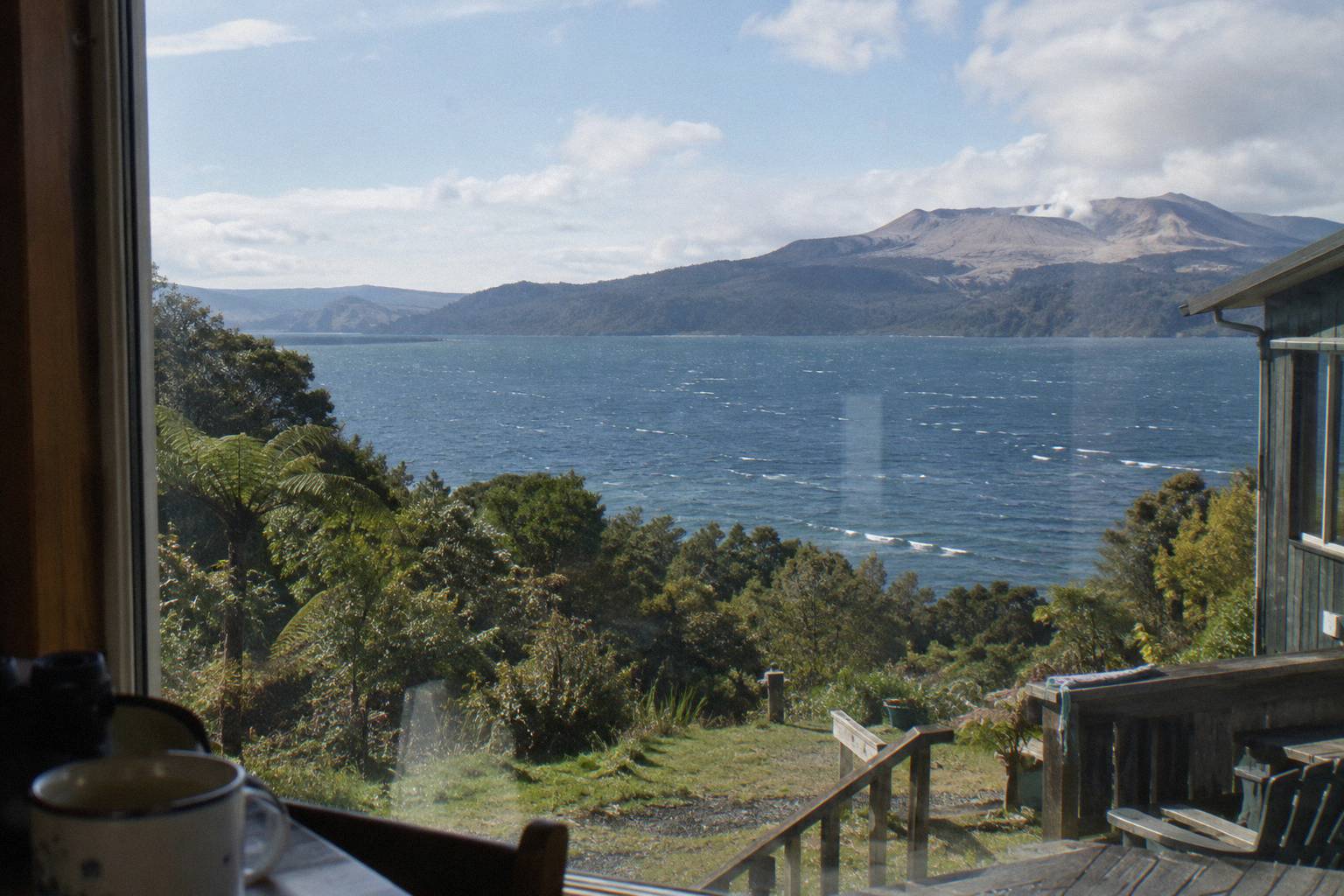
The photography angle matters too. Front-seat photos include glare from the curved windscreen and sometimes a corner of the instrument panel, while side windows are flatter and closer to the lens. If the goal is pictures rather than the pilot's-eye experience, a rear window seat can be the better draw, and the operator's FAQ recommends bringing a camera and sunglasses for exactly this reason. A jacket helps as well; doors stay on but the cabin is not heated like a car.
There is a real difference in one respect: in the front you watch the flying, and in the back you watch the landscape. Some travellers find the front seat more intense, not less, because every control input is visible and the horizon works harder in the windscreen. If motion is a concern, sitting where you can see the horizon clearly, in any row, is the commonly given advice, and whether motion sickness hits on a helicopter flight depends more on where you look than where you sit.
For a short first flight that answers the seating question cheaply, the 15-Minute Crater Lakes Flight by Helicopter from Rotorua covers the lakes closest to the city and keeps the whole experience compact, which makes it a low-commitment way to learn whether the front seat or a window seat suits you better. Prices on the live listing start from the operator's published figure for that trip, in New Zealand dollars throughout.
Which Rotorua Flights Give The Best Views From Any Seat?
The longer the flight and the bigger the single landmark, the less the seat matters, because the pilot spends more time orbiting the feature so both sides of the cabin see it. The Tarawera landing flights are the strongest example: the mountain, the rift and the summit landing dominate the experience from every position. Short lake flights reward window awareness more, since the points of interest pass quickly. Choose by itinerary first, seat second.
The roster splits cleanly into three experience types, and each treats seating differently. The Tarawera helicopter flights, including the Helicopter Volcano Landing trip and the One-Hour Volcanic Adventure, are built around one mountain and one landing, with long enough flight time for everyone to see the craters. The floatplane flights, which take off from Lake Rotorua at the lakefront pier, have their own cabin geometry with everyone facing forward, which removes the front-seat question almost entirely. The 15-minute crater lake flights are quick circuit rides where the window seat is the whole product.
| Flight | Type | Landing | Why seating matters less or more |
|---|---|---|---|
| Helicopter Volcano Landing | Helicopter | Mt Tarawera summit | Orbit and landing dominate; all seats share the moment |
| Crater Lakes By Helicopter, 15 Minutes | Helicopter | None | Quick circuit; window position counts most |
| One-Hour Volcanic Adventure | Helicopter | Mt Tarawera summit | Longest Tarawera flight; sustained views both sides |
| Floatplane, Orakei Korako Landing | Floatplane | Orakei Korako | Forward-facing cabin; no front-seat contest |
| Scenic Floatplane, Tarawera And Waimangu | Floatplane | None | Flyover of two landmarks; everyone faces the view |
The floatplane point is worth a sentence of its own, because many travellers asking about front seats have not considered it. A floatplane cabin on these flights is a fixed-seating, forward-facing layout, closer to a small aircraft than a helicopter bench, and it departs from the water rather than the pad. If the motivation for the front-seat question is a clear forward view, a floatplane gives every passenger one by design. The comparison between the two aircraft types is covered properly in how a Rotorua helicopter compares with a floatplane flight.
For travellers whose heart is set on the biggest single-flight Tarawera experience, the Mount Tarawera Volcanic Adventure by Helicopter spends roughly an hour over and around the volcanic landscape, which gives the pilot the most time of any roster flight to present each side of the cabin with the rift and the lakes. The landing, as on every Tarawera flight, is at the pilot's sole discretion and depends on weather and volcanic conditions on the day.
How To Ask About The Front Seat When You Book
Ask once, early, and in the booking itself: state your interest in the front seat, declare your accurate weight, and add that you understand seating is finalised on the day. That single sentence does more than any amount of counter-side charm, because it gives the load planner the request and the number in the same place. Then arrive inside the check-in window, 30 minutes early for helicopters, and let the weighing settle it.
There is a small art to what not to do as well. Do not declare a lighter weight to improve your seating odds: the weigh-in at the office catches it, and the published terms treat a deviation as grounds to reschedule, surcharge or cancel, which is a far worse outcome than the back bench. Do not build an itinerary around the front seat, say a photography plan that only works over the pilot's shoulder, because the safest assumption is that you will be in a window seat. And do not treat a phone reassurance as a promise; the balance calculation is redone with real weights every single flight.
| Move | Why it helps | Risk if you skip it |
|---|---|---|
| State the front-seat interest inside the booking | The request is on file with the load planner | It becomes a counter-side scramble with no plan flexibility |
| Declare your accurate weight | The provisional seating plan is built on real numbers | A deviation at weigh-in can reschedule, surcharge or cancel the flight |
| Arrive inside the 30-minute helicopter check-in window | The crew can weigh, brief and board without rushing | Late arrival shrinks your say in the final seating plan |
| Ask which seat suits your camera | Crew know glare and window angles on that airframe | You may land a front seat that photographs worse |
The one firm promise that does exist on these trips is the cancellation window: every flight in the roster carries free cancellation up to 24 hours in advance for a full refund on its live listing, which makes an early, well-declared booking essentially risk-free from the money side. If weather or the load plan changes the experience, the operator's stated approach to weather cancellations is to reschedule or refund in full. More on that in what happens when a Rotorua flight is cancelled for weather.
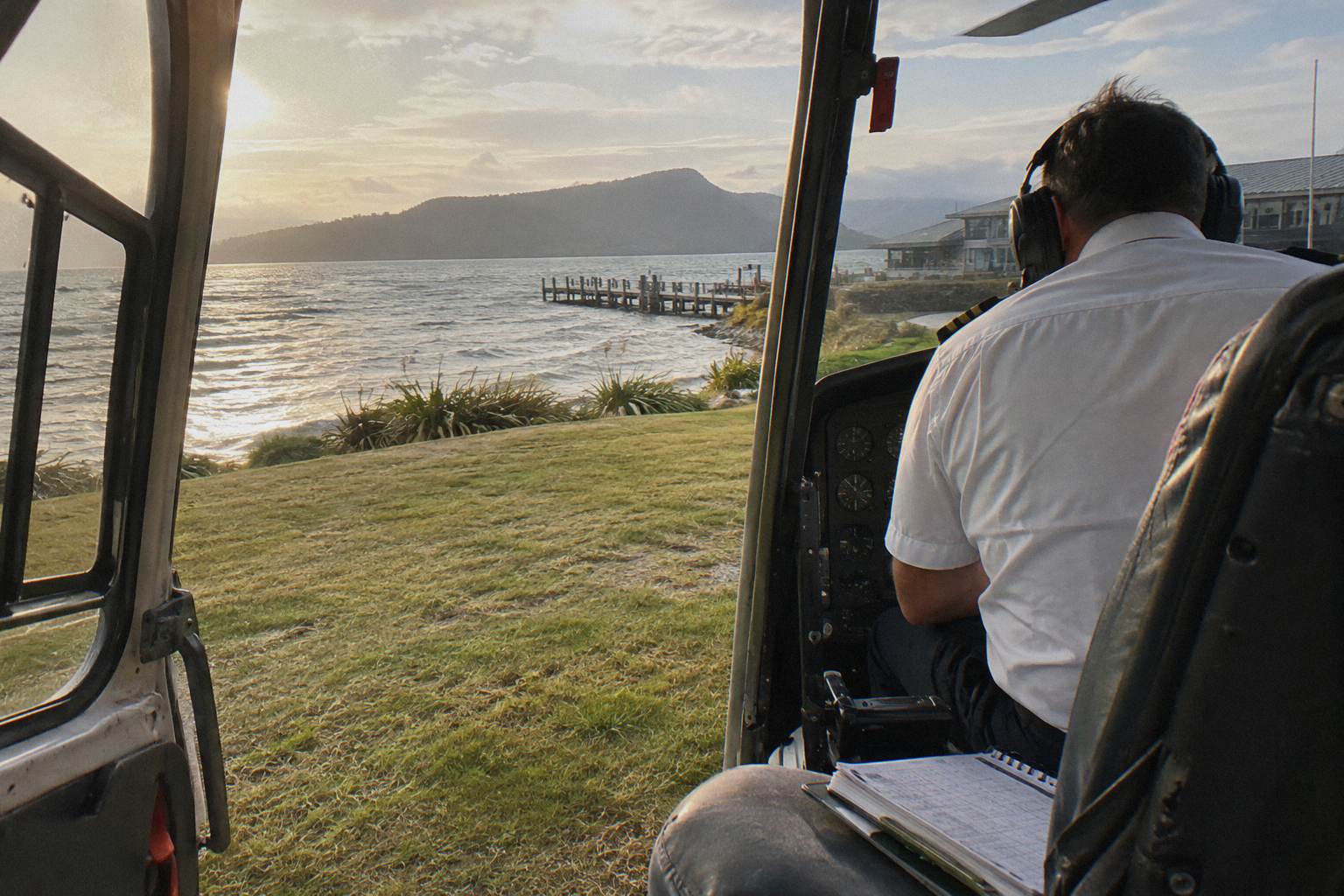
Families have one extra consideration. Children of all ages are welcome, under 2s sit on a parent's or guardian's lap, and child rates apply for ages 2 to 11, facts that matter here because a lap infant or a light child changes the balance calculation and therefore the seating plan in ways a solo adult booking does not. The full picture is in whether children can fly on a Rotorua helicopter tour. Rotorua Helicopter Tours keeps the full flight roster in one place if you are still comparing itineraries before the seating question becomes live.
Mistakes Travellers Make About Helicopter Seating
The repeated mistakes are declaring an optimistic weight, treating a front-seat mention at booking as a guarantee, arriving after the check-in window and losing any say in the plan, and choosing a flight purely to chase the front seat when the itinerary, the landing and the landmarks matter far more to what you actually see. Each of these is avoidable with one accurate number and one early sentence. The seat is a bonus; the flight is the purchase.
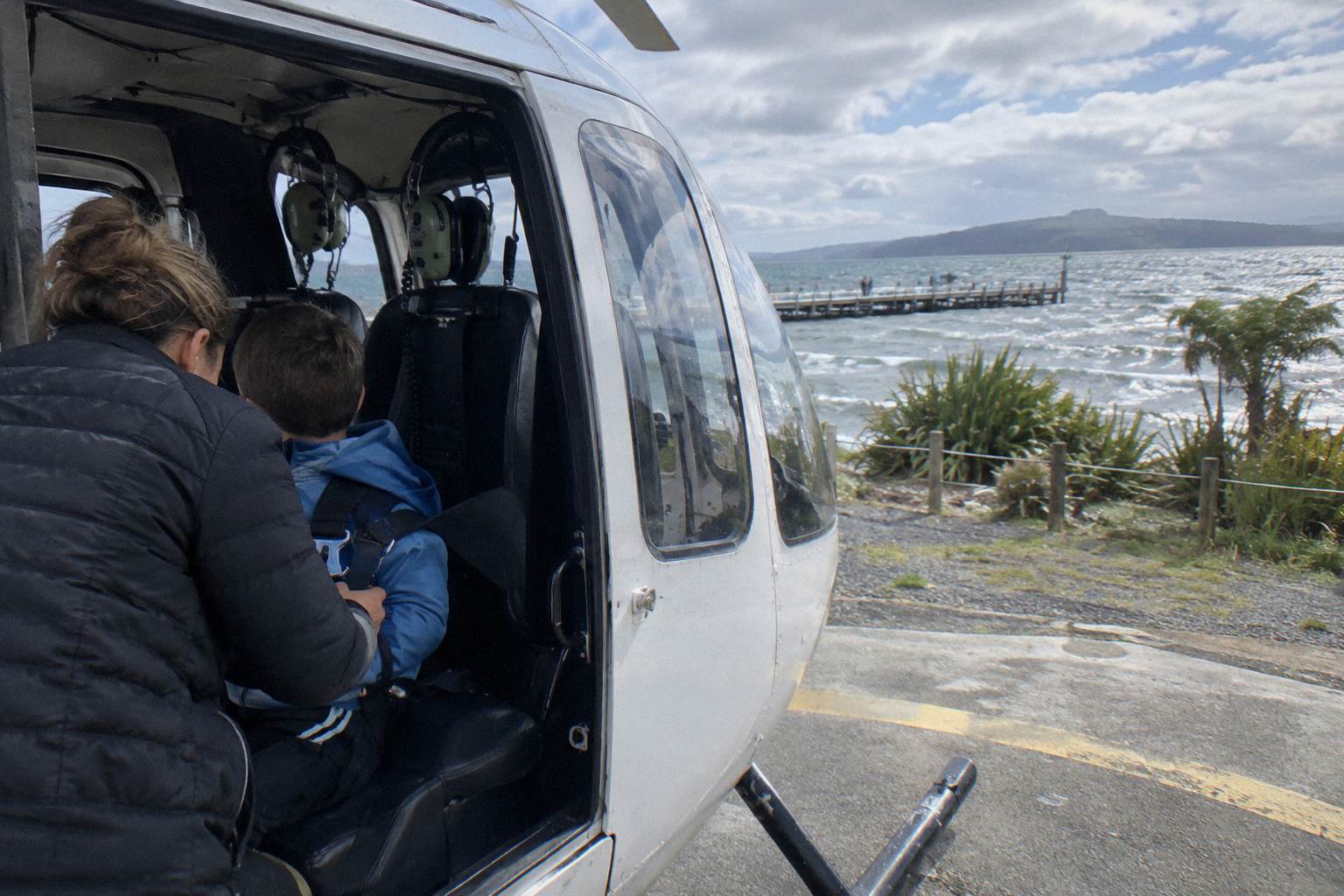
The weight mistake deserves its own warning because it is the most common and the most costly. The operator's terms are explicit that a deviation from the declared weight can end the booking, and the surcharge thresholds at 110 kg and 135 kg exist because mass and position together define the load. A traveller who shaves five kilograms off the declaration to seem like a better front-seat candidate is doing the opposite: they are introducing the exact uncertainty that makes the crew play safe with seating.
The guarantee mistake is quieter. Somewhere between a phone call and the departure pad, a provisional seating mention hardens in a traveller's mind into a promise, and the disappointment at the aircraft is entirely avoidable by remembering the sequence: request at booking, weigh-in at the office, final plan at boarding. Three checkpoints, and only the last one counts.
The last mistake is strategic: picking the shortest or cheapest flight because someone said front seats are easier to get on small loads, and then flying a circuit that does not include the thing you came to Rotorua for. The Tarawera flights, the geothermal park landing, the Orakei Korako floatplane trips: these are the experiences that define the region, and no seat position rescues an itinerary that missed them. A full rundown of what each itinerary includes is in the guide to landing on Mt Tarawera by helicopter.
If the seating question has settled and the decision is simply which flight to book, these three cover the spread: the Tarawera volcano landing, the quick crater lakes circuit, and the hour-long volcanic adventure.
Common Questions About Helicopter Seating
Can You Sit In The Front Seat Of A Rotorua Helicopter?
Sometimes, if the weight and balance calculation allows it. Seating on Volcanic Air flights is decided from declared weights at booking and verified weights at check-in, not from preference, so the front seat can never be promised in advance. Ask when you book and accept the final call happens at the aircraft.
Do I Need To Be Weighed Before A Rotorua Helicopter Flight?
Yes. Every passenger declares an individual weight at booking and is weighed on arrival at the Lakefront office, because the aircraft must stay within balance limits. A declared weight that differs from the weighed figure can lead to rescheduling, a surcharge or cancellation under the operator's terms.
Can I Request A Window Seat On A Helicopter?
You can ask, and on most scenic helicopters the rear seats are all window seats anyway, with the exception of a middle position on a three-across bench. Where you actually sit is settled by the load calculation after the weigh-in, so treat any booking-time mention as provisional.
Is The Front Seat Better For Photos?
Not necessarily. The curved windscreen in front can add glare and a corner of instrument panel to the frame, while the side windows are flatter and closer to the lens. Pilots also bank into turns so both sides of the cabin get the view, which often makes a side window the stronger photography position.
Does A Lap Infant Or Child Change The Seating Plan?
Yes, because mass and its position define the balance. Children of all ages are welcome, under 2s sit on a lap, and ages 2 to 11 pay child rates on flights that offer them. Any of these changes the load calculation and therefore where the adults are seated.
What Happens To My Booking If Weather Changes The Flight?
All flights operate subject to suitable weather and safe flying conditions. If your flight cannot go ahead due to weather, the operator works with you to reschedule or provide a full refund, and every flight in the roster also carries free cancellation up to 24 hours in advance on its live listing.