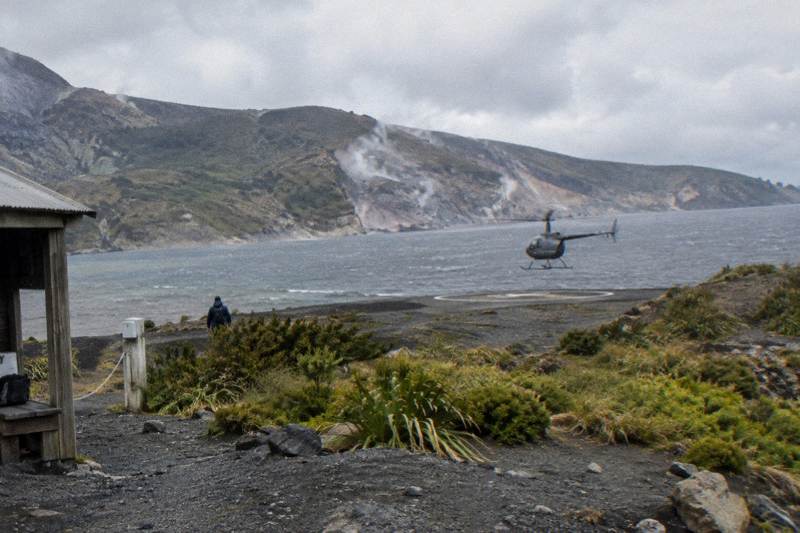
Can A Helicopter Fly In The Rain?
Rain alone rarely grounds a Rotorua helicopter flight. What the operator's weather rules actually say, what happens when a flight is cancelled, and how to plan around Rotorua's changeable conditions.
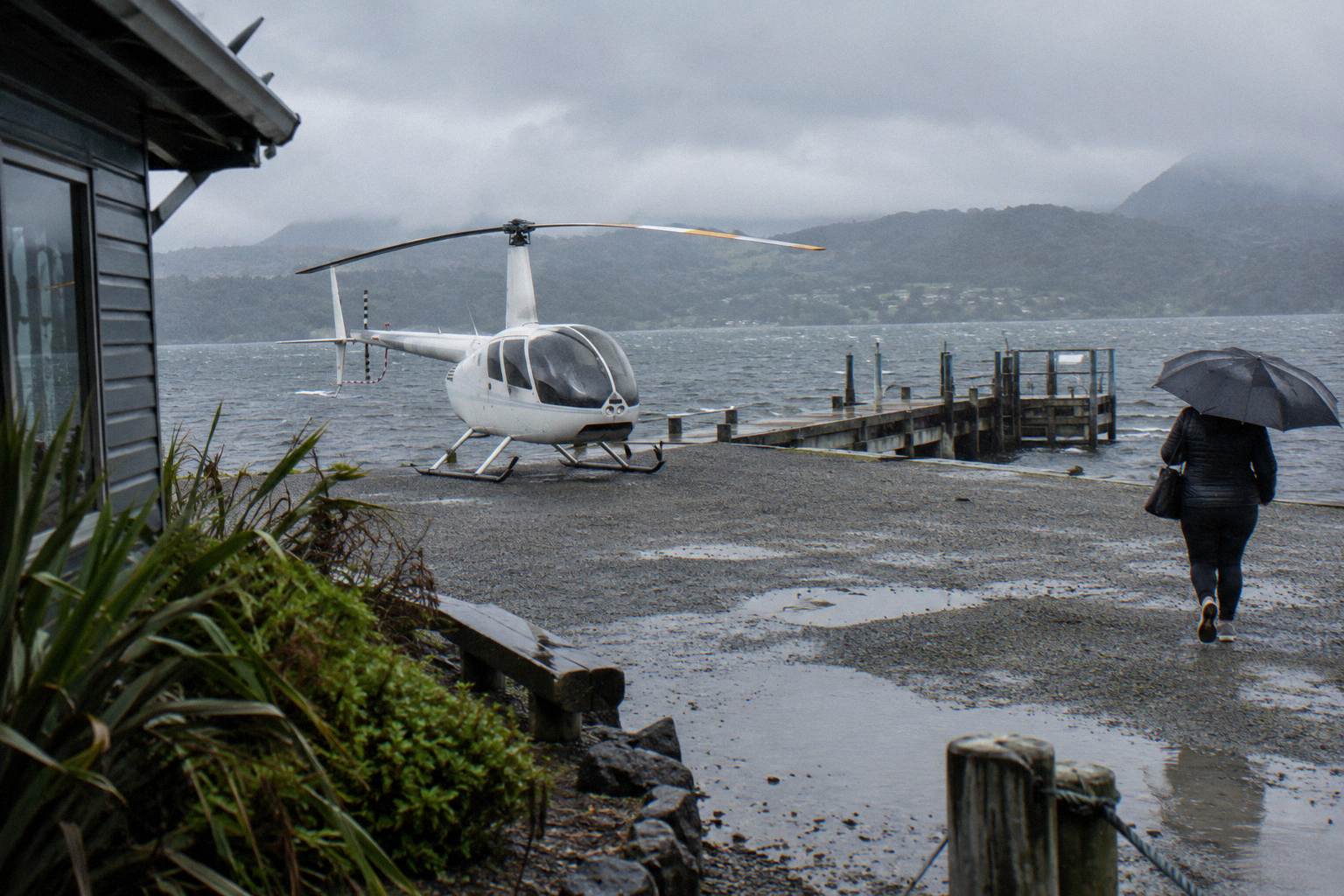
Read the wider picture in the guide to Rotorua scenic flights, and see the weather planning guide for helicopter flights for season-by-season detail. Rotorua Helicopter Tours exists to answer exactly these booking questions with the operator's published rules rather than guesswork.
| Quick Facts | |
|---|---|
| Does rain stop a helicopter flight? | Not by itself. Cloud, visibility and wind decide |
| Operator weather rule | All flights subject to suitable weather and safe flying conditions |
| If weather cancels your flight | Operator works with you to reschedule or gives a full refund |
| Cancellation terms on bookings | Free cancellation up to 24 hours before, per booking terms |
| Check-in | Helicopters 30 minutes prior, floatplanes 20 minutes, at 1 Lakefront Drive |
| Best odds | Mornings often give the calmest conditions |
Yes, a helicopter can fly in the rain, and light rain on its own is rarely the thing that stops a Rotorua flight, because helicopters are engineered to operate in precipitation and the go or no-go decision rests with the pilot weighing cloud base, visibility, wind strength and turbulence together on the day, with Volcanic Air stating plainly that all flights operate subject to suitable weather and safe flying conditions.
That distinction matters for how you plan. A grey, wet morning in town tells you very little about whether a flight over the crater lakes will run, because the conditions that count are at altitude and 20 kilometres southeast of the city. Pilots make the call on the day, with the actual forecast and the actual sky, which is why the operator's published position is reschedule or full refund rather than promises about any particular morning.
There is a second, quieter point in the operator's FAQ worth knowing: mornings often give the calmest weather and the smoothest flying, and if conditions are unsuitable the team tries to reschedule. No published cloud-height threshold or wind-speed limit exists for these flights. That gap is worth stating once: neither the FAQ nor the terms give numeric weather limits, so the pilot's judgement on the day is the whole system, and it works in your favour because a scenic flight that cannot see anything serves nobody.
What grounding actually looks like in Rotorua is usually low cloud sitting on Mt Tarawera, not drizzle over the lakefront. For readers weighing a booking, the three flights below span the range: a Tarawera summit landing, a short crater lakes loop, and a longer volcanic adventure.
What Weather Actually Stops A Rotorua Helicopter Flight?
Low cloud, poor visibility and unsafe wind conditions are what stop flights, not rain as such, and the operator's terms put it in one line, all flights operate subject to suitable weather and safe flying conditions, with fast changing weather listed among the natural hazards of these operations alongside earthquakes and geothermal activity, which tells you the operating environment is taken seriously rather than treated as a fair-weather amusement ride.
Expand that and the picture is practical. A scenic flight sells views, so a ceiling of cloud pressed down over Lake Tarawera can scrub a departure even on a day with no rain at all, while a showery morning with good visibility between squalls can fly happily. The booking terms for the scenic floatplane over Tarawera and Waimangu say it directly: the tour is weather dependent, it will not go ahead if it is not safe to do so, or if the views cannot be seen. That second clause is the honest one. A flight that goes up into murk has delivered nothing the passenger paid for.
Volcanic activity sits in the same decision stack. The terms name volcanic activity as a circumstance beyond the operator's control, and cancellation before commencement for such circumstances carries a full refund. For Tarawera flights specifically, the operator's own tour wording says durations, flight times and inclusions may vary due to weather conditions, volcanic activity and passenger loadings, and that excursion landings are undertaken at your own risk and at the pilot's sole discretion. Rain never guarantees a landing; neither does sunshine. The pilot alone makes that call, which is exactly as it should be on a live volcanic mountain.
The operator FAQ covers the weather question alongside check-in, weights and what to bring, and the full terms spell out the cancellation and risk clauses. If a reader wants one takeaway from both documents, it is that the operator would rather move you to another slot than fly you into cloud.
What Happens If Your Rotorua Flight Is Cancelled For Weather?
When the operator cancels for weather, you are offered a reschedule or a full refund, in the operator's own words, with the FAQ stating that if your flight cannot go ahead due to weather the team will work with you to reschedule or provide a full refund, and the terms confirming a full refund when the operator cancels before commencement for circumstances beyond its control, including weather and volcanic activity, so you are not left holding a worthless ticket.
The direction of the cancellation is what changes your options, and it is worth being precise about it. Operator-initiated cancellation for weather means refund or reschedule at no cost. Guest-initiated cancellation is a different thing entirely, and the terms set out a fee ladder for guests who cancel: 25 percent within 30 days of travel, 75 percent within 7 days, and 100 percent within 48 hours. That ladder belongs to direct operator bookings. Booked through the platform listing, the terms shown are free cancellation up to 24 hours in advance for a full refund, and those are the terms that apply to your booking.
| Scenario | Who cancelled | Outcome |
|---|---|---|
| Weather unsuitable on the day | Operator | Reschedule or full refund |
| Volcanic activity closes the route | Operator | Full refund before commencement |
| You cancel more than 24 hours out | Guest | Full refund on platform bookings |
| You cancel inside 24 hours | Guest | No refund on platform bookings |
Two planning habits fall out of this table. First, book the earliest workable day of your stay, not the last, so a weather move has somewhere to go. Second, if the forecast turns genuinely ugly, cancel or move more than 24 hours ahead rather than gambling on the day. The deeper dive into this is in what happens when a Rotorua flight is cancelled for weather, and the whole money question sits inside a bigger decision covered in whether helicopter tours are worth it.
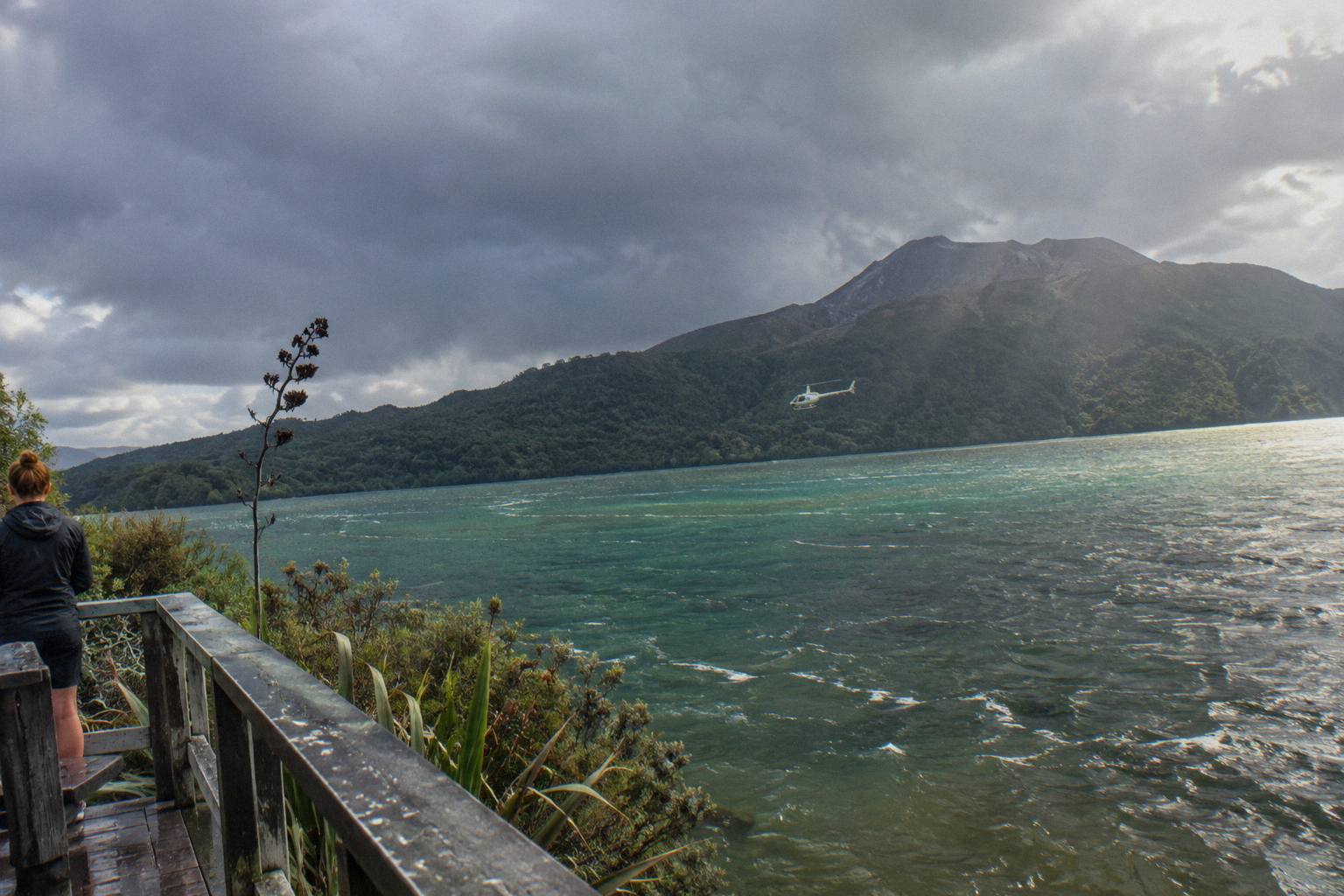
Morning Or Afternoon: When Does Rotorua Weather Fly Best?
Mornings generally offer the calmest conditions and smoothest flying in Rotorua, with soft light that photographers appreciate. Afternoons can bring warmer air and attractive late-day colour, particularly in winter, but winds tend to build as the day goes on. Since the operator notes there is no fixed answer and it depends on daily weather, booking a morning slot gives you the best odds while leaving the rest of the day as backup.
The seasonal frame comes from outside the operator. Rotorua's official tourism body notes that the driest and warmest weather runs from late spring in October until early autumn in April. Outside that window you are not grounded, you are simply rolling slightly different dice. The operation runs all months of the year in daylight hours, and winter flights carry their own appeal in the operator's framing, with afternoon light worth considering when mornings are frosty and still.
| Month | Average rainfall (mm) |
|---|---|
| January | 93.8 |
| February | 100.4 |
| March | 100.3 |
| April | 133.0 |
| May | 130.2 |
| June | 131.9 |
| July | 137.4 |
| August | 125.2 |
| September | 106.6 |
| October | 92.9 |
| November | 86.8 |
| December | 117.1 |
Read the table as spread, not prophecy. November averages 86.8 mm and July 137.4 mm of rain across the whole month, which is the difference between roughly 3 mm and 4.5 mm per day, spread unevenly. Any given November day can drown and any given July day can be flawless. Rainfall totals tell you how often to build a buffer, not whether to book. For more on timing, see the best time for a Rotorua helicopter flight.
Does Rain Change What You See From The Air?
Rain changes what you see far more than it blocks the view, as long as visibility holds. A shower-washed landscape over the crater lakes reads darker and greener, geothermal steam stands out more starkly against cool air, and breaking cloud over Mt Tarawera can produce the most dramatic photographs of the day. The one thing rain cannot fix is a low ceiling, because cloud wrapped around the summit leaves nothing to show.
The lakes are the reliable asset. The crater lakes flight crosses Rotoiti, Okataina, Tarawera, Okareka, Rotomahana, Rotokakahi and Tikitapu among twelve distinct lakes in the operator's description, and water reads well in almost every light short of fog. Geothermal features are the other constant: steam from Waimangu Volcanic Valley and Sulphur Bay does not stop for drizzle, and in cool, moist air the plumes can read more strongly than on a hot dry afternoon when they thin into the sky.
The honest framing is that weather is a variable, not an enemy. The floatplane and helicopter comparison guide covers how the two aircraft handle different conditions, and what you can see from a Rotorua helicopter flight lists the sights route by route. Neither promises a view, because no operator here does, and any page that does should be read with caution.
Rain Vs Cloud: Which One Matters More For A Scenic Flight?
Cloud matters far more than rain for a scenic flight. Rain rarely cancels a trip on its own, but low cloud can remove the view entirely or scrub the flight altogether. A wet day with a high cloud base and good visibility can still deliver a full experience, while a dry day with cloud draped over Tarawera may not fly at all, so check cloud base and visibility before rain icons.
Rotorua's geography explains why. The city sits beside a lake at modest elevation, while the flight routes climb southeast across the Okataina volcanic country to a summit at 1,111 m. Weather that looks manageable at the lakefront can be a different animal 1,000 metres up and 20 km away, and the pilot's judgement covers the whole route, not the departure point. Wind direction matters for where the aircraft can approach from, and turbulence around the volcanic plateau is a live consideration on blustery afternoons even under blue sky.
For trip selection, match the ambition to the forecast confidence. On a doubtful day, a short loop over the lakes is a different proposition from a Tarawera landing flight or a three-hour geothermal expedition, and the shorter commitment gives both you and the weather less to be wrong about. How long a Rotorua helicopter flight takes sets out the time budgets across the roster.
What To Wear And Bring On A Wet Flying Day?
Bring a jacket, sunglasses and a camera regardless of the forecast, and wear closed-toe comfortable footwear on any flight that includes a landing, which is the operator's own packing advice, and the jacket line is not decoration, because helicopter cabins are not heated lounges, flights move through open air at speed, and on a Tarawera summit landing you step out onto an exposed volcanic surface where the weather can be several degrees colder and wetter than the lakefront.
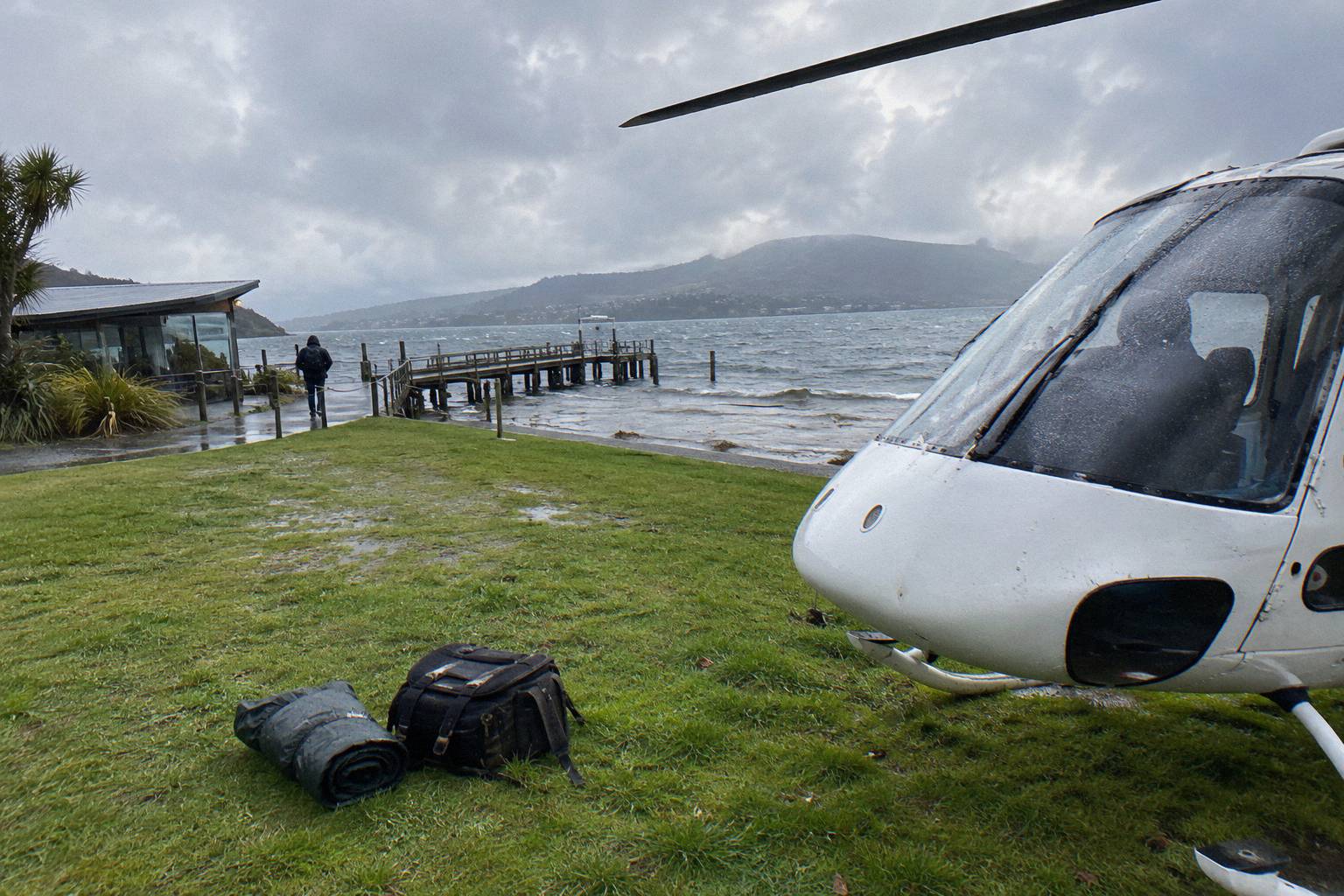
Layering beats any single clever garment. A shell over a warm mid-layer lets you strip off in the cabin and zip up on the summit, and closed-toe shoes matter because landing sites are rough volcanic terrain, not lawns. The operator's FAQ is the source for all of this, and it is the same page that covers check-in times: 30 minutes before departure for helicopters, 20 minutes for floatplanes, at the Lakefront office at 1 Lakefront Drive, under a kilometre from the town centre. Hotel pickup is not part of standard flights, so build the walk or drive into your morning.
The full clothing discussion, including what works for photography from a moving aircraft, is in what to wear on a helicopter flight and the helicopter flight photography guide. One rain-specific note belongs here rather than there: keep lenses capped until the rotors stop or you are seated, because spray from the rotor downwash in damp conditions will find a bare lens faster than any rain.
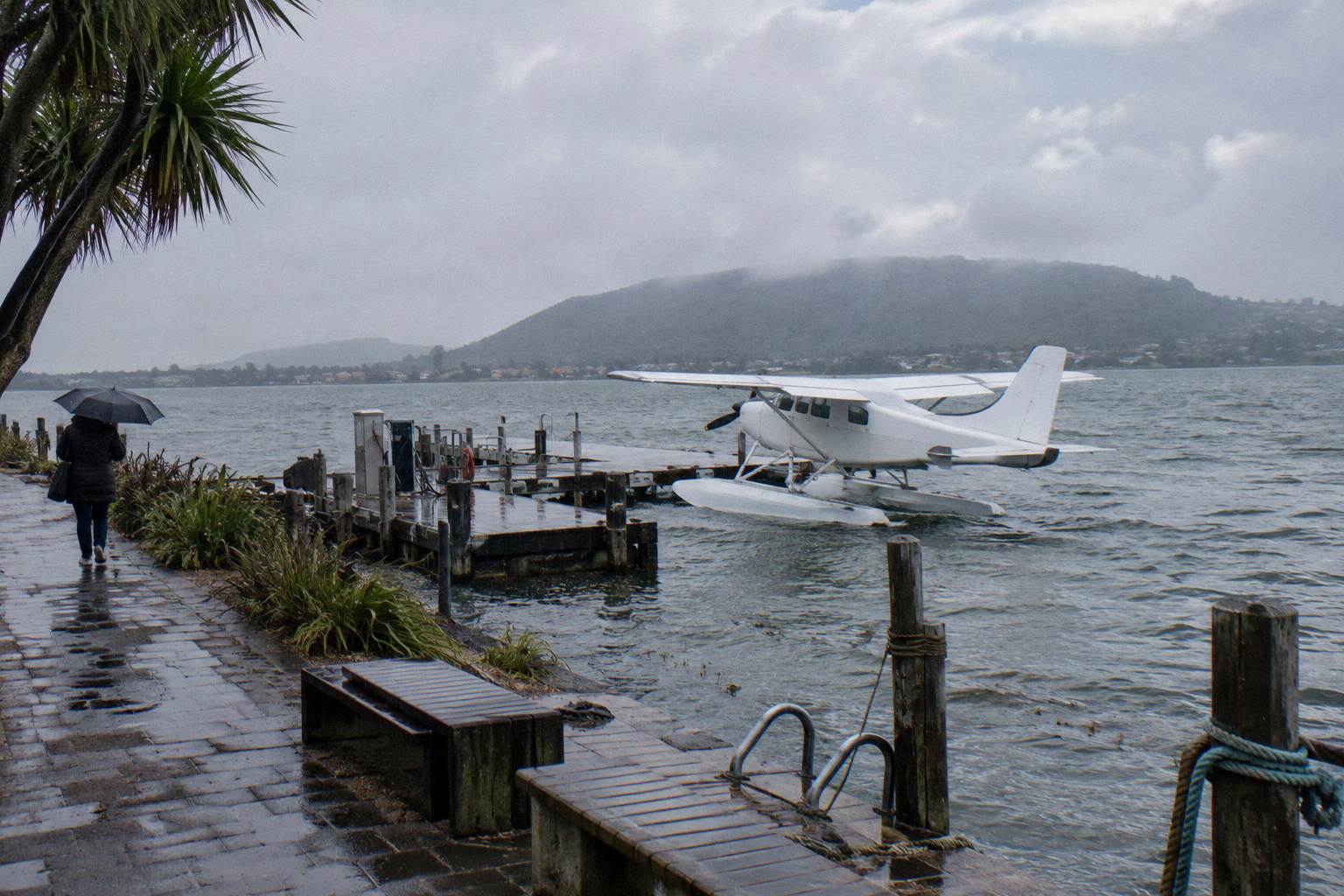
Mistakes People Make Planning Around Rotorua Weather
The commonest mistakes are booking the last day of a stay, reading the town forecast instead of the mountain forecast, treating any rain icon as a cancellation, and waiting past the 24 hour mark to make a change, and each one costs money or costs a flight that a small habit would have saved, because the operator's reschedule or refund system is built to absorb weather but needs room to work, and room is exactly what these four mistakes remove.
The first is scheduling. A visitor who books the Tarawera landing for their final morning has nowhere to move when a front stalls over the plateau, while the same booking on day two of five usually slides a day without drama. The second is forecast literacy. Rain percentages for Rotorua city say little about a 1,111 m summit 20 km away; cloud base and visibility are the numbers that decide a scenic flight, and the pilot is weighing exactly those.
The third mistake is assuming rain means cancelled. Passengers who no-show a flyable showery morning lose their fare under the platform terms, since operator-side refunds apply to operator-side cancellations only. The fourth is sitting on a bad forecast: free cancellation runs to 24 hours before the flight on platform bookings, and past that point a guest cancellation carries no refund. Decide early, act early.
| Mistake | What it costs | The habit that avoids it |
|---|---|---|
| Booking your last morning | No slot to reschedule into | Fly on day two or three |
| Reading only the town forecast | Wrong picture of the route | Check cloud and wind for the mountain |
| Treating rain as a scrub | A missed flight you paid for | Wait for the operator's call |
| Deciding inside 24 hours | No refund on guest cancellation | Move or cancel a day ahead |
A fifth, softer error deserves a line: arriving without time to spare. Check-in exists for the safety briefing and for weighing, because the aircraft must sit inside its balance limits, and a rushed arrival on a wet morning compresses everything. The FAQ's own framing is that weights at booking keep seating safe and balanced, and the terms allow rescheduling or surcharging when declared weights are off. None of that is a rain problem, but wet-weather mornings are exactly when it goes wrong.
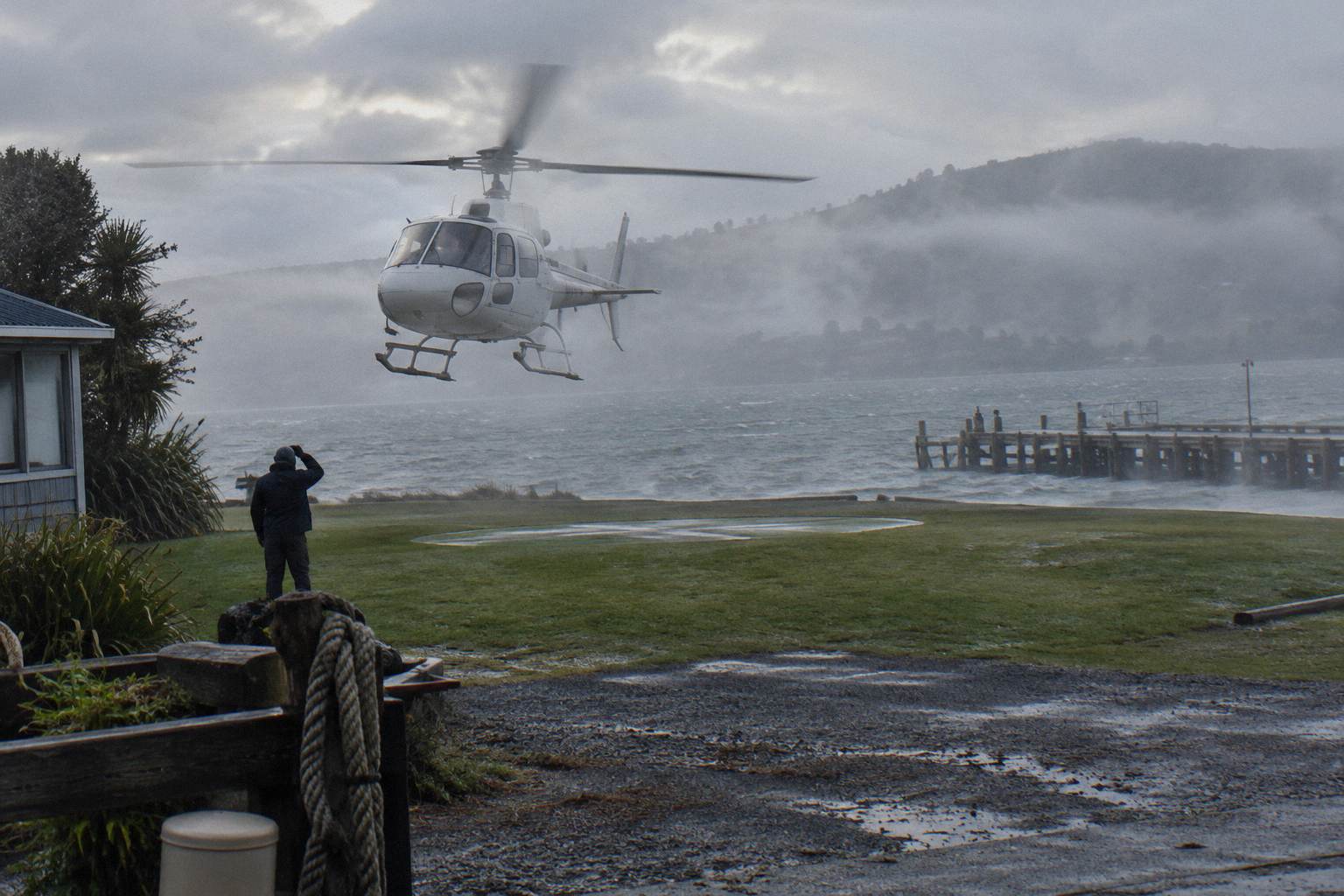
Before the closing questions, the same trio of flights from the top, worth a look once you know how the weather rules work: the Tarawera landing flight, the short crater lakes loop, and the one-hour volcanic adventure, all with free cancellation up to 24 hours ahead.
Common Questions About Wet Weather Flying
Can A Helicopter Fly In The Rain?
Yes. Light rain alone does not stop a helicopter flight in Rotorua. The decision rests on cloud, visibility and wind, and the operator's rule is that all flights operate subject to suitable weather and safe flying conditions. If the operator cancels for weather, you are rescheduled or refunded in full.
Will My Flight Be Cancelled If It Is Raining In Rotorua Town?
Not necessarily. Town rain says little about conditions over Mt Tarawera or the crater lakes, and flights regularly operate in drizzle with good visibility. The pilot judges the route as a whole, and the operator contacts you if the flight cannot run.
Do I Get A Refund If Weather Cancels The Flight?
Yes. The operator's FAQ states that if a flight cannot go ahead due to weather, the team works with you to reschedule or provide a full refund, and the terms confirm a full refund when the operator cancels before commencement for circumstances beyond its control.
Can I Cancel Myself If The Forecast Looks Bad?
On platform bookings, free cancellation applies up to 24 hours before the flight for a full refund. Inside 24 hours a guest cancellation carries no refund, so make changes early. Operator-initiated weather cancellations are separate and always refundable.
Is A Tarawera Landing Still Possible On A Rainy Day?
It can be, but a landing is never guaranteed on any day. The operator's wording is that excursion landings are undertaken at your own risk and at the pilot's sole discretion, with durations and inclusions varying due to weather, volcanic activity and passenger loadings.
What Is The Best Time Of Day To Fly Around Rotorua Weather?
Mornings often give the calmest weather and smoothest flying with soft light, while afternoons can bring warmer temperatures and late-day colour, especially in winter. The operator's FAQ says there is no hard and fast answer, it depends on the day, so a morning slot with a free afternoon behind it is the strongest play.